
Last updated November 14, 2026
 Sweep & inspection
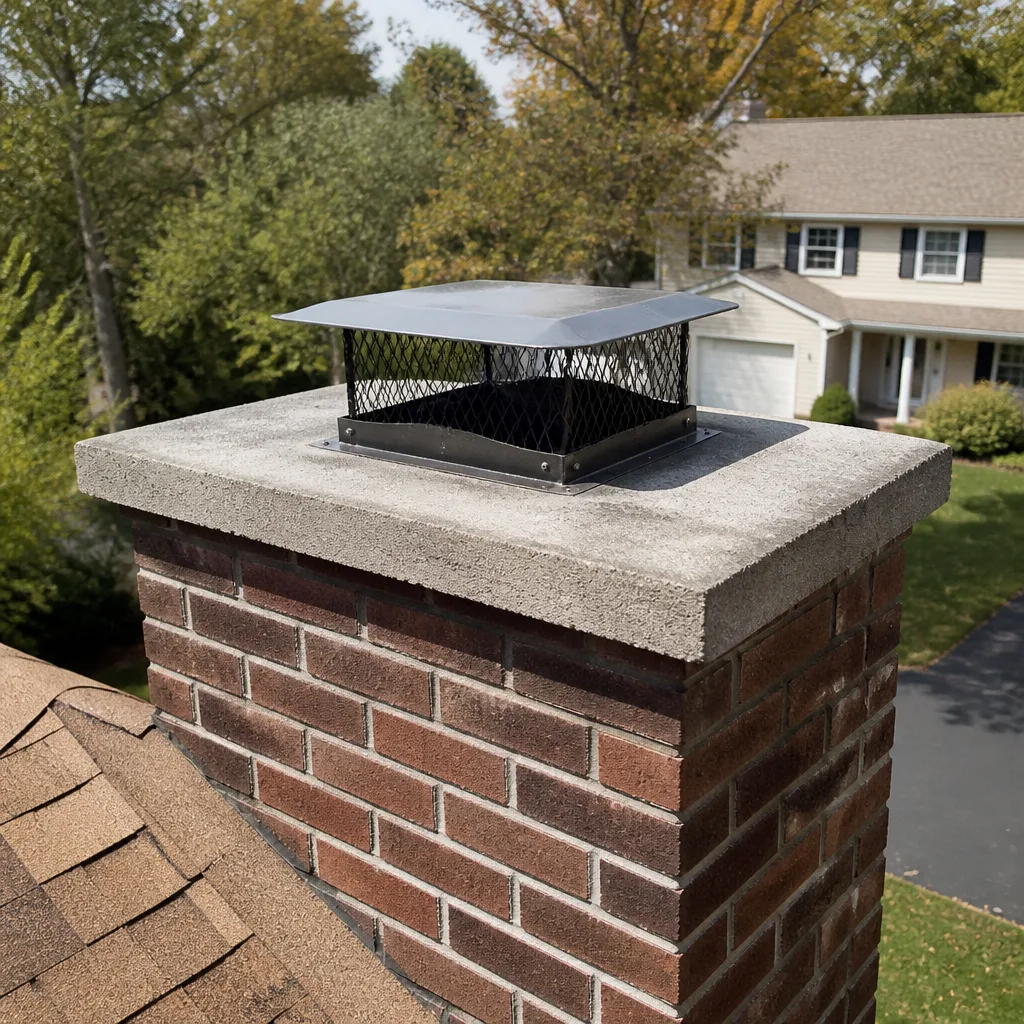
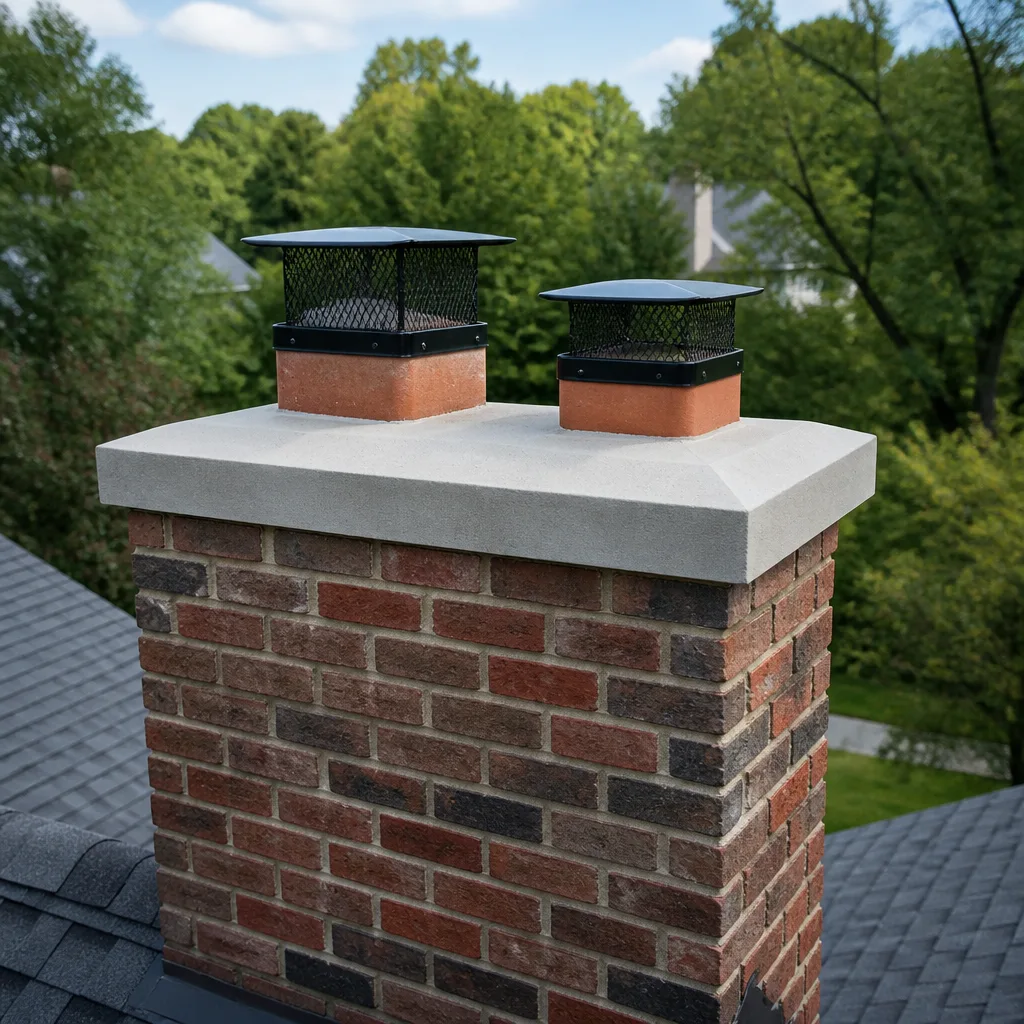 Caps & crowns
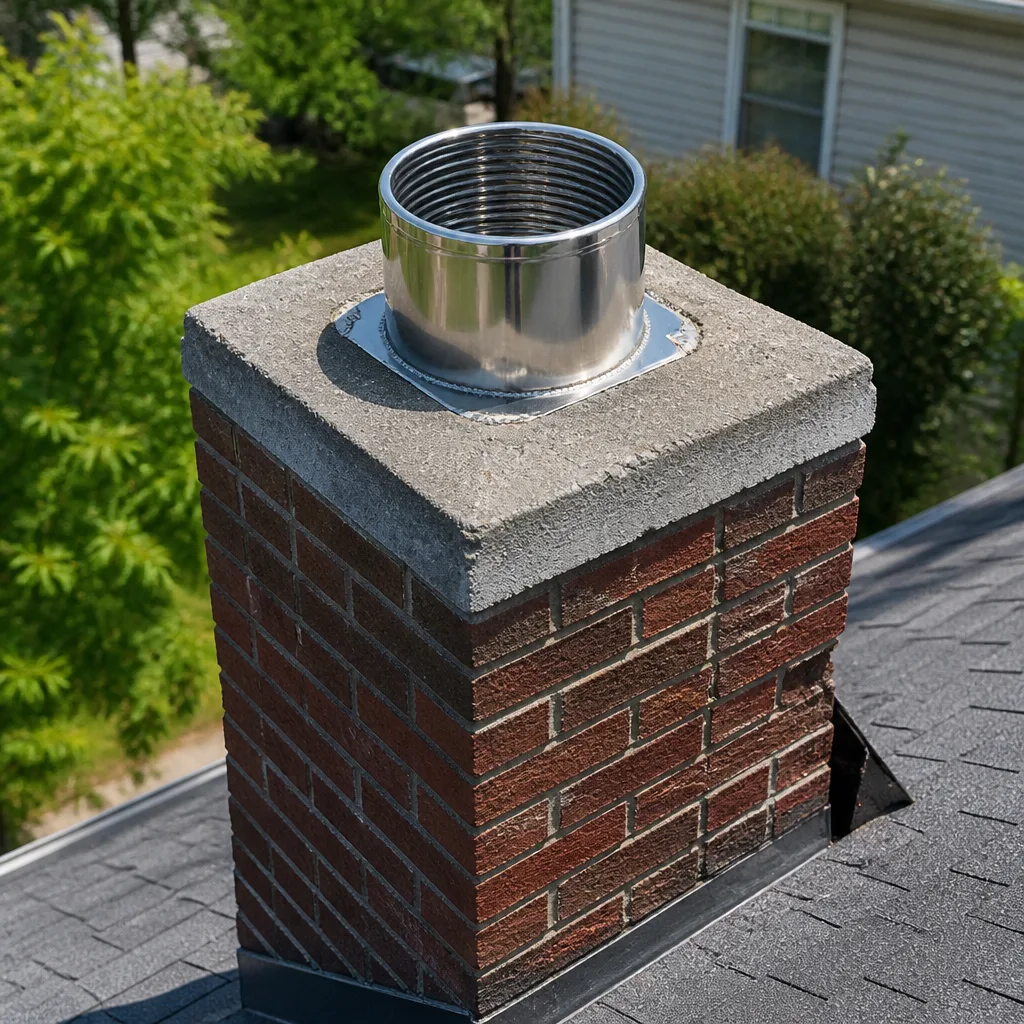 Flue relining
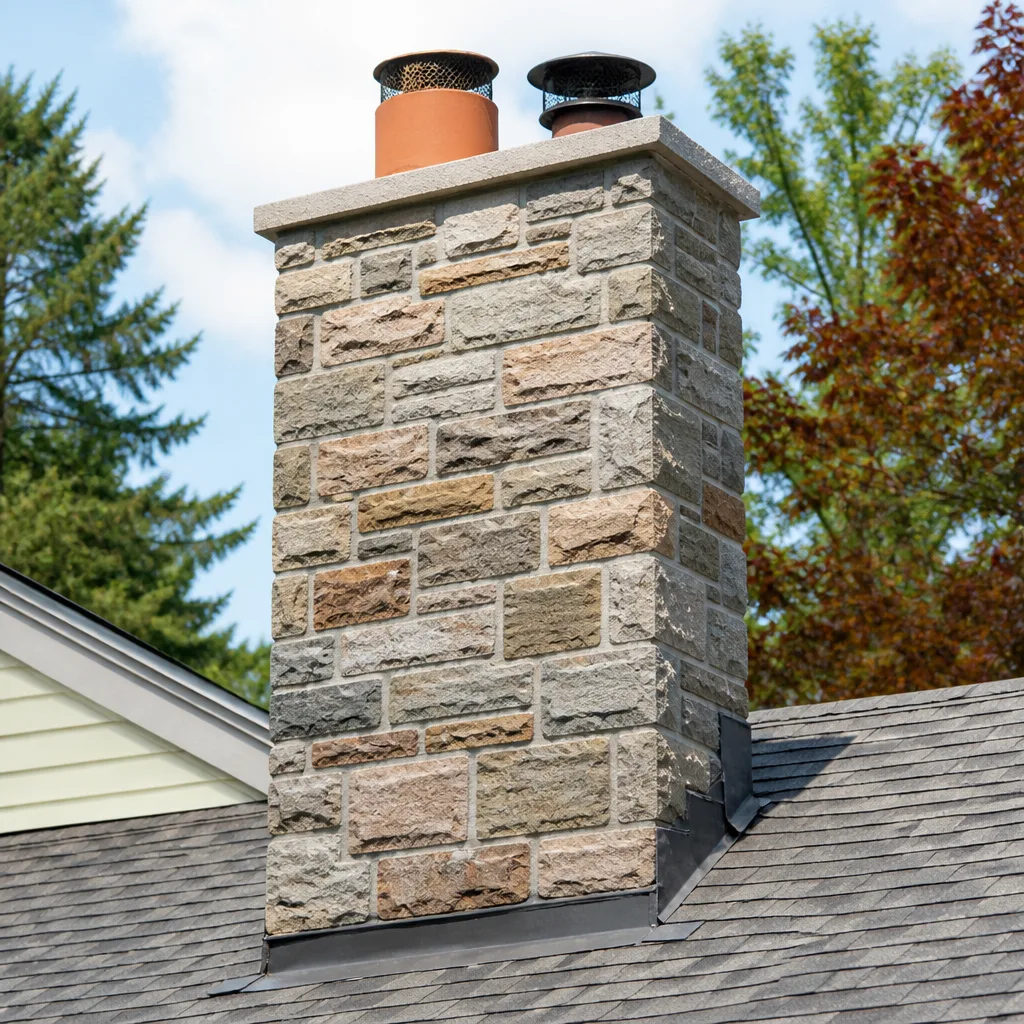 Masonry repair
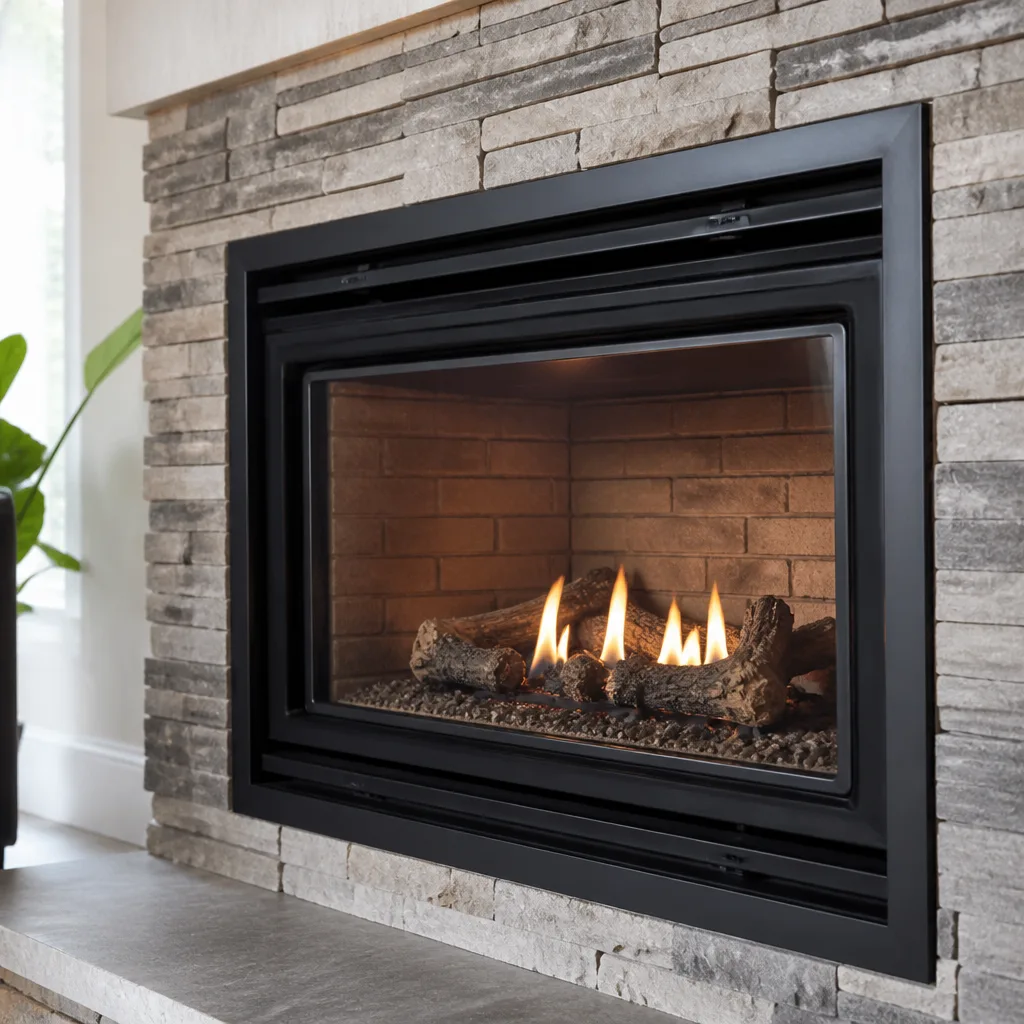 Gas fireplace service
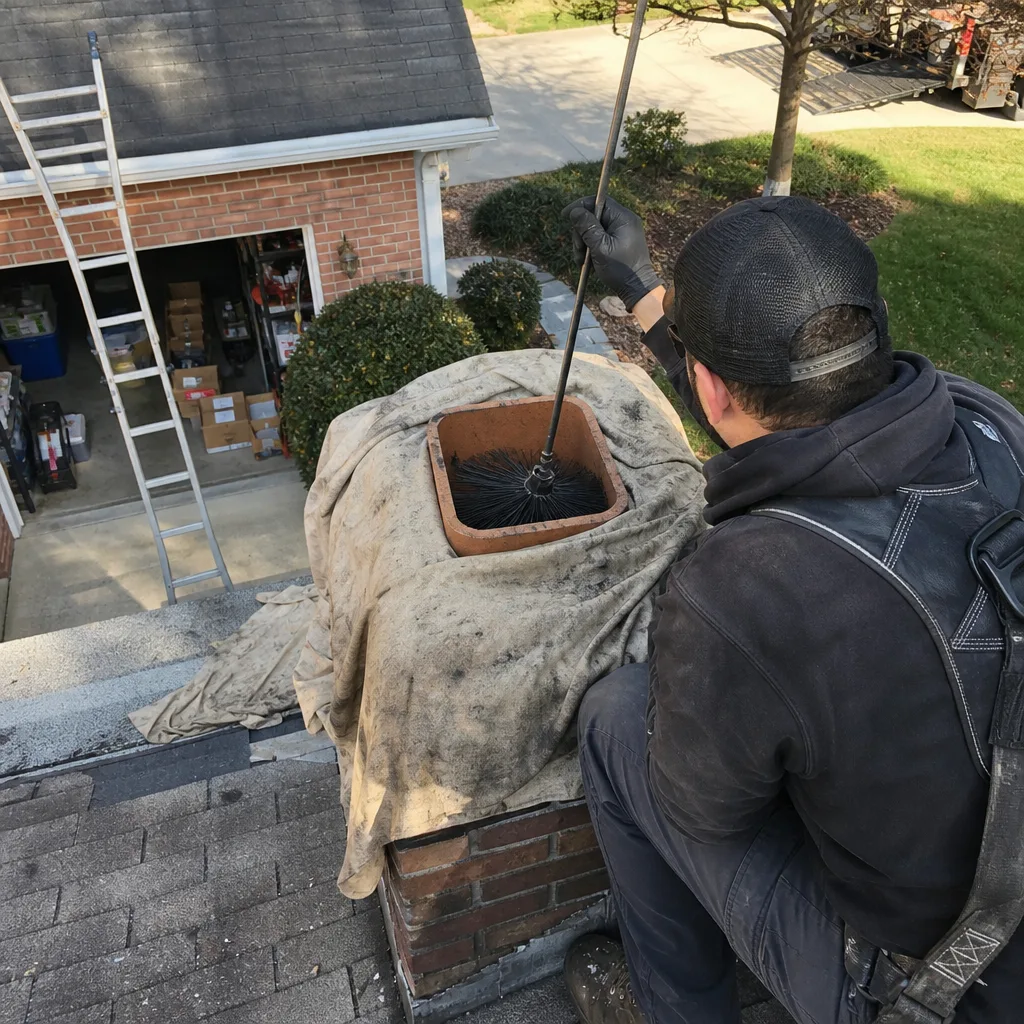
Level 1 sweep and inspection to the NFPA 211 annual standard - flue, crown, cap, and flashing checked and photographed
Chimney sweep logs do not sweep chimneys. They loosen some creosote - which then falls where a brush and vacuum still have to collect it.
How to Hire a Chimney Cleaning Contractor in Charlotte: A Step-by-Step Guide
Here’s the part of this that surprises people: chimney sweeping is not a licensed trade in North Carolina. Not regulated, not licensed, not inspected by the state the way electrical or plumbing work is. Which means the person who shows up at your door with a brush and a clipboard might have completed a weekend course, or might have spent twenty years doing CSIA-certified work to national standards. Both can legally hand you an estimate in Charlotte.
That gap is the whole problem. The hiring advice most guides give you (get three quotes, check reviews, ask for a reference) is fine advice for hiring a plumber. It won’t help you distinguish a real chimney contractor from a seasonal operator with a ladder and a shop vac, because both will pass that test. This guide is about the specific questions, credentials, and estimate details that actually separate them. What to ask on the phone. What a real written estimate looks like. And why the lowest bid in chimney work is almost always the one that missed something.
Quick Answer
To hire a chimney cleaning contractor in Charlotte, verify three things before you book: CSIA certification (or documented equivalent training), a certificate of insurance you can see on request, and a written estimate that itemizes the sweep separately from any repair recommendations. Then ask what they do if they find damaged mortar or a cracked flue tile during the sweep. A contractor who cleans and can repair is a different animal from one who only sweeps – and the second kind will hand you off to a mason the moment the job gets complicated.
Styles & brands we work with
- Sweep & inspection
- Caps & crowns
- Flue relining
- Masonry repair
- Gas fireplace service
Table of Contents
- Why Chimney Hiring in Charlotte Is Different
- What CSIA Certification Actually Covers (and What It Doesn’t)
- The Phone Questions That Separate Contractors From Handymen
- Red Flags in Chimney Company Websites and Ads
- How to Read a Written Chimney Estimate
- Why the Lowest Bid Correlates With Missed Findings
- Sweeping, Repair, and Dryer Vents: What You’re Actually Buying
- When to Call a Professional
- Common Mistakes to Avoid
- Frequently Asked Questions
Why Chimney Hiring in Charlotte Is Different
Charlotte sits in a climate that punishes chimneys in a way northern homeowners don’t always think about. We get freeze-thaw cycles in the winter – cold nights, mild days, cold nights again – and that expansion and contraction works on mortar joints and flue tile the same way it works on a driveway. Add the humidity of a Carolina summer and you have a recipe for a masonry chimney that looks fine from the curb and has soft, crumbling mortar eight inches in from the face.
Most of Charlotte’s housing stock was built for wood-burning fireplaces, not gas. That matters, because a wood-burning flue accumulates creosote, and creosote is what actually burns when a chimney fire starts. A gas insert or gas log set produces different deposits and different risks – mostly moisture and corrosion – and needs a different inspection approach. If a contractor quotes you a sweep without asking what you burn, they’re quoting a generic service, not yours.
Then there’s the market itself. Charlotte pulls contractors from a wide radius – Union County, Gaston County, up into Iredell – and the quality spread is real. You have CSIA-certified full-service companies, sweep-only operations, handyman services that added “chimney cleaning” to a list of twenty other trades, and seasonal crews that appear in the fall and vanish by February. All of them show up in the same search results for a Charlotte chimney cleaning query. Telling them apart is the work.
And here’s the thing most homeowners don’t realize: because there’s no state license, your best defense is documentation. Certifications, insurance certificates, written estimates, and a camera you can look at yourself. That’s the paper trail that stands in for a license.
What CSIA Certification Actually Covers (and What It Doesn’t)
CSIA stands for the Chimney Safety Institute of America, and its Certified Chimney Sweep credential is the closest thing the industry has to a standard. It’s a real exam, it requires continuing education to maintain, and it’s tied to a code of ethics. If you’re hiring a sweep in Charlotte and the contractor is CSIA-certified, that’s a meaningful signal.
But here’s what it doesn’t cover, and this is where most hiring guides stop short:
- It doesn’t cover structural repair. A CSIA-certified sweep is trained to inspect and clean. Relining a flue, resurfacing deteriorated mortar with a product like HeatShield, or rebuilding a crown is a different skill set. Plenty of certified sweeps do it well. Plenty don’t do it at all, and you won’t know which from the certification alone.
- It doesn’t cover gas appliance work. For gas inserts and gas fireplaces, NFI (National Fireplace Institute) certification is the credential to ask about. It’s gas-specific and separate from CSIA.
- It doesn’t guarantee insurance. Certification and insurance are two different things. A certified sweep can still be uninsured. Ask for both.
- It doesn’t tell you who’s actually showing up. The company may be certified. The technician who arrives may be a helper who’s been on the job for a month. Ask who’s coming and what training they have.
So what should you ask for beyond CSIA? Three things. First, repair training – ask specifically how they handle a deteriorating mortar joint or a cracked flue tile, and whether that work is done by their own crew or subcontracted. Second, for gas systems, NFI certification. Third, a certificate of insurance sent before the appointment, not promised at the door.
In our experience, the contractors who can answer these questions clearly are the same ones who show up on time and find what other crews miss.
The Phone Questions That Separate Contractors From Handymen
You can learn more in a five-minute phone call than in an hour of reading reviews. The questions below aren’t tricks – they’re the ones a real contractor answers without hesitation and a brush-and-go operator fumbles.
- “Are you CSIA-certified, and is the technician coming to my house certified or trained?” Listen for whether they name the credential or dance around it. “We’re the best in Charlotte” is not an answer.
- “Can you send me your certificate of insurance before the appointment?” A real contractor sends it without fuss. An uninsured operator changes the subject or says “we don’t need to, we’re careful.”
- “What’s included in the sweep, and what costs extra?” A proper answer separates the cleaning from the inspection from any repair. A vague “it’s all included” is a red flag.
- “Do you do repair work yourself, or do you hand off to a mason?” If they subcontract, ask who and ask for their credentials. A sweep-only company is fine if you know that going in – the problem is finding out after the sweep.
- “Do you provide a camera inspection and a photo report?” This is the single most important question in 2026. Without a camera you have no way to see what’s inside the flue, and no way to verify a repair recommendation.
- “What do you do if you find a cracked flue tile?” A real answer engages the question – “we’d document it, show you, and give you a written option.” A handyman answer is “we’ll see when we get there.”
- “Are you available year-round, or seasonal?” A contractor with a real Charlotte operation is bookable in June, not just October. If the phone only works in the fall, the business is a seasonal side job.
One note on that last point: a company that answers the phone year-round doesn’t mean you should skip the fall booking. In Charlotte, the weeks before burning season fill up fast. The difference is that a real operation can actually schedule you.
Red Flags in Chimney Company Websites and Ads
A website is not proof of anything, but it’s a filter. These signals are worth taking seriously when you’re evaluating a chimney sweep in Charlotte or anywhere nearby.
- No physical street address. A PO box or a phone number alone tells you nothing about whether the business has a real base of operations. Look for a street address and check that it’s a legitimately zoned commercial or residential address, not a virtual office.
- No insurance mention at all, or “fully insured” with no certificate on request. “Fully insured” is a phrase, not proof. Ask for the certificate.
- Same-day availability year-round, advertised everywhere. A real chimney contractor is busy. A contractor who can guarantee same-day service in the middle of November in North Carolina is a contractor with no queue, which usually means no reputation.
- Photos that are clearly stock. If the “team” photo is four people in matching polos from a stock library, the “team” is a stock library.
- Reviews that all landed in the same two-week window. Look at the dates. A wall of five-star reviews from 2022 followed by silence tells you more than the stars do.
- Prices quoted over the phone with no inspection. Nobody can quote a repair without looking. If they can, they’re quoting a sweep and hoping.
- No mention of repair capability at all. A sweep-only site is telling you honestly what it does. That’s useful, but know that a repair finding means a second contractor and a second visit.
The flip side: a website that names its credentials, lists a real address, shows photos of actual work, and has a repair page is not automatically trustworthy, but it’s a contractor who is at least set up to be held accountable.
How to Read a Written Chimney Estimate
A written estimate is where a real contractor reveals their process. The vague ones use the same handful of phrases; the specific ones tell you what they’ll actually do, how they’ll do it, and what it costs. Here’s what to look for.
What a real estimate includes:
- Line-item pricing. The sweep is one line. The inspection is another (or bundled with a stated reason). Any repair recommendation is a separate line with a material name.
- Material specification. If a relining or resurfacing is recommended, the estimate should name the product. HeatShield is a resurfacing system for deteriorated mortar; DuraFlex is a stainless liner system. If the estimate just says “liner” with no brand, ask what and why.
- Scope of work. “Sweep and inspect” is not scope. “Sweep the flue, run a camera inspection, photograph the flue and firebox, provide a written report” is scope.
- What’s excluded. A good estimate tells you what it isn’t doing. “Estimate excludes crown repair” is a sign of honesty, not a problem.
- Timeline and payment terms. When the work happens, what triggers payment, and what happens if a finding changes the scope.
Language that should prompt a follow-up call:
- “Repairs as needed” – as needed by whose judgment, and documented how?
- “Liner replacement included” – included in what, at what brand, and why is it in the estimate before anyone’s looked up the flue?
- “Standard chimney service” – there is no standard. Your chimney is either a wood-burning masonry flue or it isn’t.
- “Free inspection, repair quoted on-site” – this is how high-pressure sales calls work. The inspection is free because the repair isn’t.
One thing to keep in mind: an estimate is a snapshot, not a warranty. In chimney work, the real test is whether the contractor is willing to show you what they found and let you decide. If they recommend a $6,000 reline and won’t put a camera down the flue to show you the cracked tile, that’s the conversation to have before you sign anything.
Why the Lowest Bid Correlates With Missed Findings
In a lot of trades, the low bid is just a hungry contractor. In chimney work, the low bid usually means the job was scoped too small – and the thing that got scoped out is the inspection.
Think about it from the operator’s side. A sweep is a fixed amount of time: brush, vacuum, done. An inspection is a different amount of time: camera, photos, report, walkthrough. A contractor who quotes $99 with no inspection isn’t offering you a deal on the inspection, they’re offering you a sweep with the inspection removed. You get a clean flue and zero information about its condition.
That’s where the missed findings come from. A soft mortar joint. A hairline crack in a flue tile. A crown that’s pulling away from the top of the chimney and letting water in. None of these will announce themselves. They’re found by looking, and looking costs time.
The other reason the low bid misses things: capability. A sweep-only contractor has no way to fix what they find, and some will quietly not look too hard for problems they can’t address. A contractor who does repair has both the training and the business reason to look carefully.
This doesn’t mean the highest bid wins. It means the middle of the market – a contractor with credentials, insurance, camera inspection, and repair capability – is where the honest value sits. The lowest bid and the highest bid are both worth asking hard questions about.
Sweeping, Repair, and Dryer Vents: What You’re Actually Buying
A chimney company in Charlotte is really selling three separate things, and a lot of homeowners don’t realize they can come from one place. Knowing the difference helps you scope the estimate and know what to ask for.
Chimney sweeping is the cleaning. It removes creosote and debris from the flue so the flue can vent safely. It’s preventive maintenance, and it’s the thing that most directly reduces your chimney fire risk.
Chimney repair is the structural side: relining, resurfacing, crown repair, masonry work. This is where capability matters most. A contractor who can resurface a deteriorated flue in place with HeatShield, for example, can often fix a problem without full liner replacement. A sweep-only company can’t. This is the difference between “we’ll hand you off to a mason” and “we’ll fix it next week.”
Dryer vent cleaning is the one most homeowners put off because they don’t connect it to the same kind of risk. Lint buildup in a dryer vent is a leading cause of home fires, and long multi-story runs – which are common in newer Charlotte construction – are where it accumulates. Professional work uses compatible components (Famco is the standard line) rather than improvised flex duct. If you’re booking a chimney sweep anyway, having your dryer vent cleaning done on the same visit is a small logistical thing with a real safety payoff.
The advantage of one contractor covering all three: a single point of accountability. The person who inspected your flue also cleaned it and also has the capability to repair it. No handoff, no “the mason will call you,” no second crew that doesn’t know what the first one found.
When to Call a Professional
Some things you can put on your calendar. Others you shouldn’t wait on. Call a chimney professional when:
- You’ve burned wood in the fireplace for a full season and haven’t had the flue swept. Annual sweeping is the baseline.
- You smell a strong, acrid, or smoky odor when the fireplace isn’t in use – that can signal creosote buildup or a draft problem.
- You see crumbling mortar, missing bricks, or stains on the chimney exterior or ceiling near the flue.
- You’re using a gas insert and haven’t had it inspected for corrosion or venting issues.
- Your dryer takes two cycles to dry a load, or you notice lint accumulating around the vent opening.
- You’re buying a house in Charlotte and the inspection flagged the chimney or dryer vent.
- You’ve had a chimney fire, even a small one you put out yourself.
A chimney fire and carbon monoxide are the two risks here, and both are worth taking seriously. A neglected flue is a real hazard, not a hypothetical one. Charlotte Chimney Cleaning offers free estimates in Charlotte – call (855) 412-0975. We answer 24/7. Fast dispatch from 7am to 7pm, Sunday through Friday.
Common Mistakes to Avoid
- Hiring on price alone. The $79 sweep and the $249 sweep are not the same service. The low one usually skips the inspection. Ask what’s included before comparing numbers.
- Not asking who’s actually coming. The company may be certified; the technician may be brand new. Ask who’s showing up and what training they have.
- Skipping the camera inspection. Without a camera, you’re accepting the contractor’s word about what’s inside the flue. Ask to see the photos.
- Letting a sweep-only company hand you off. If they can’t repair, you’ll be scheduling a second contractor. Ask upfront if repair is in-house.
- Assuming a clean flue is a safe flue. Cleaning removes creosote; it doesn’t fix a cracked flue tile or soft mortar. The inspection is the part that catches those.
- Booking in November and hoping for December. Charlotte’s burning season fills schedules fast. Book before the first cold snap, not after.
- Never thinking about the dryer vent. Most homeowners never look at it. Long runs in newer Charlotte homes are where lint builds up, and that’s a fire risk most people ignore until something goes wrong.
See the difference
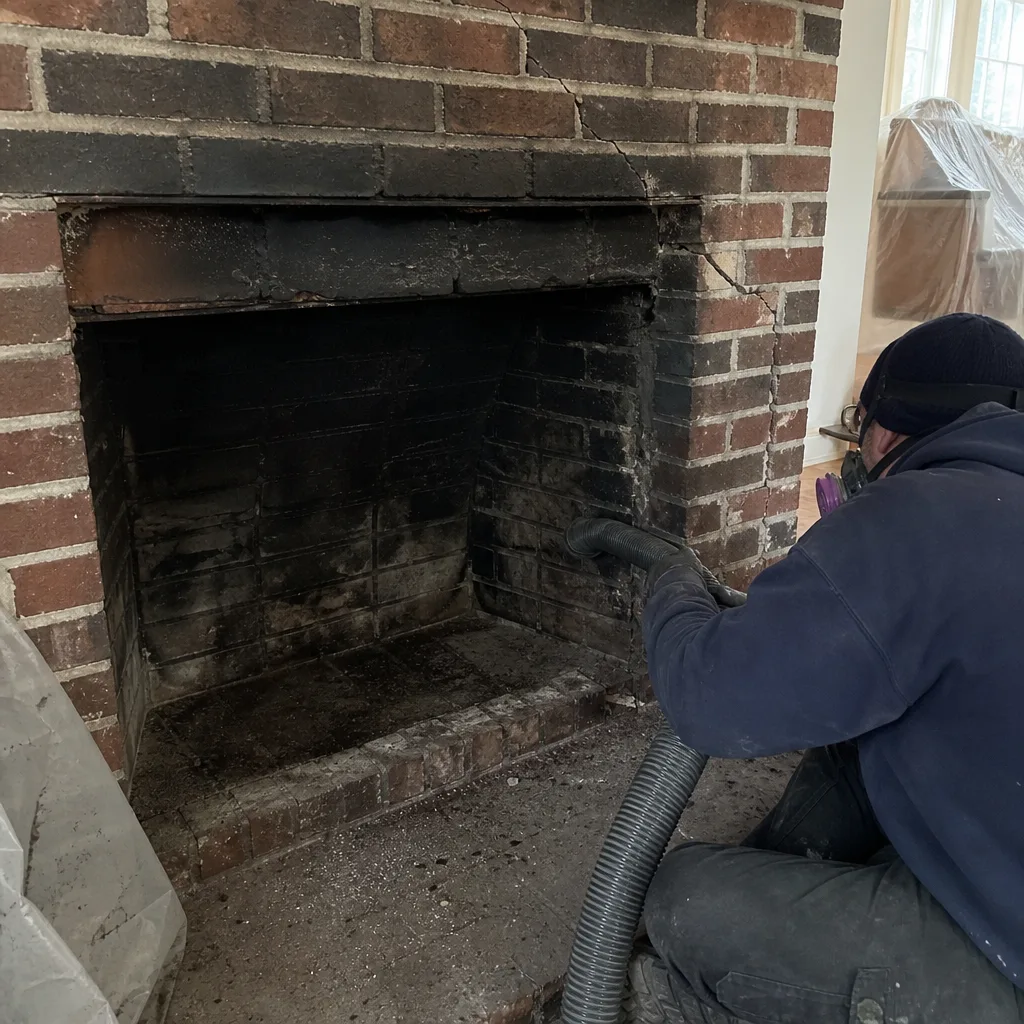 Before
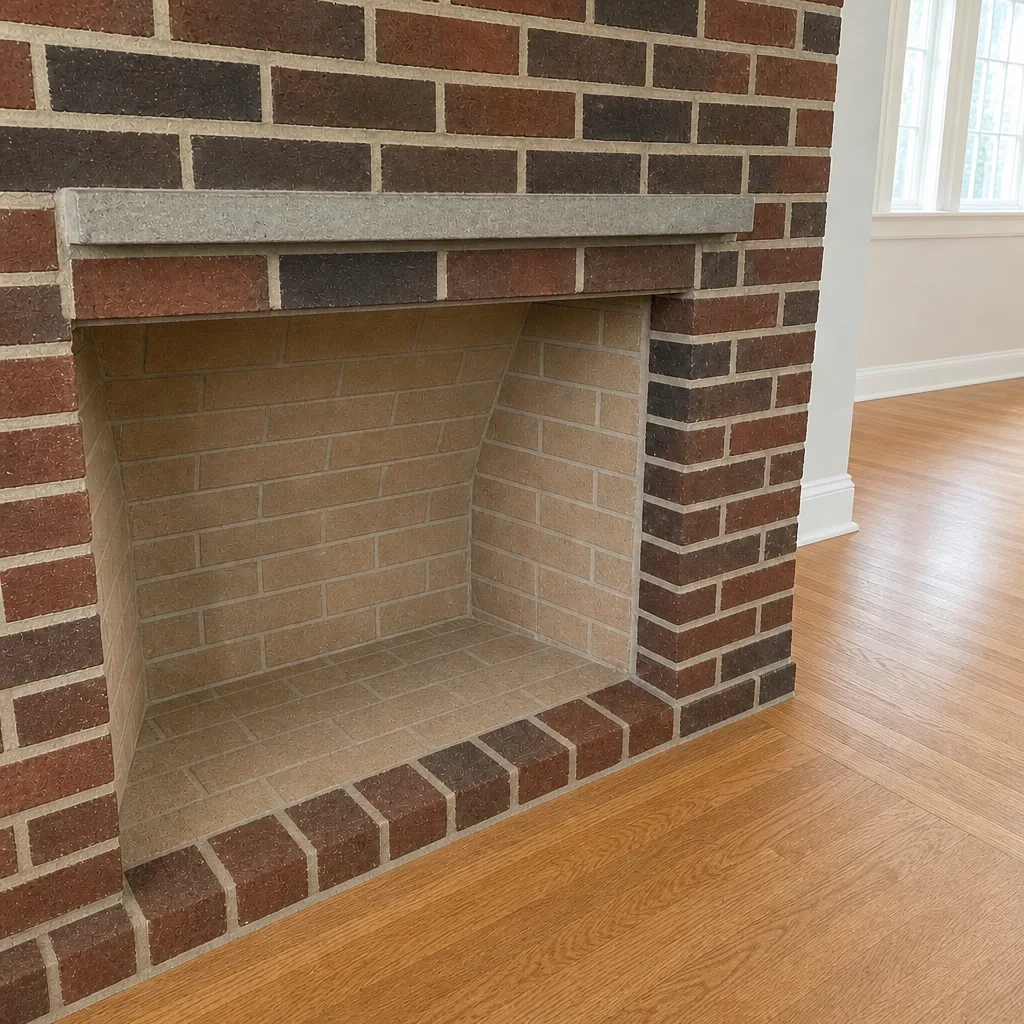 After
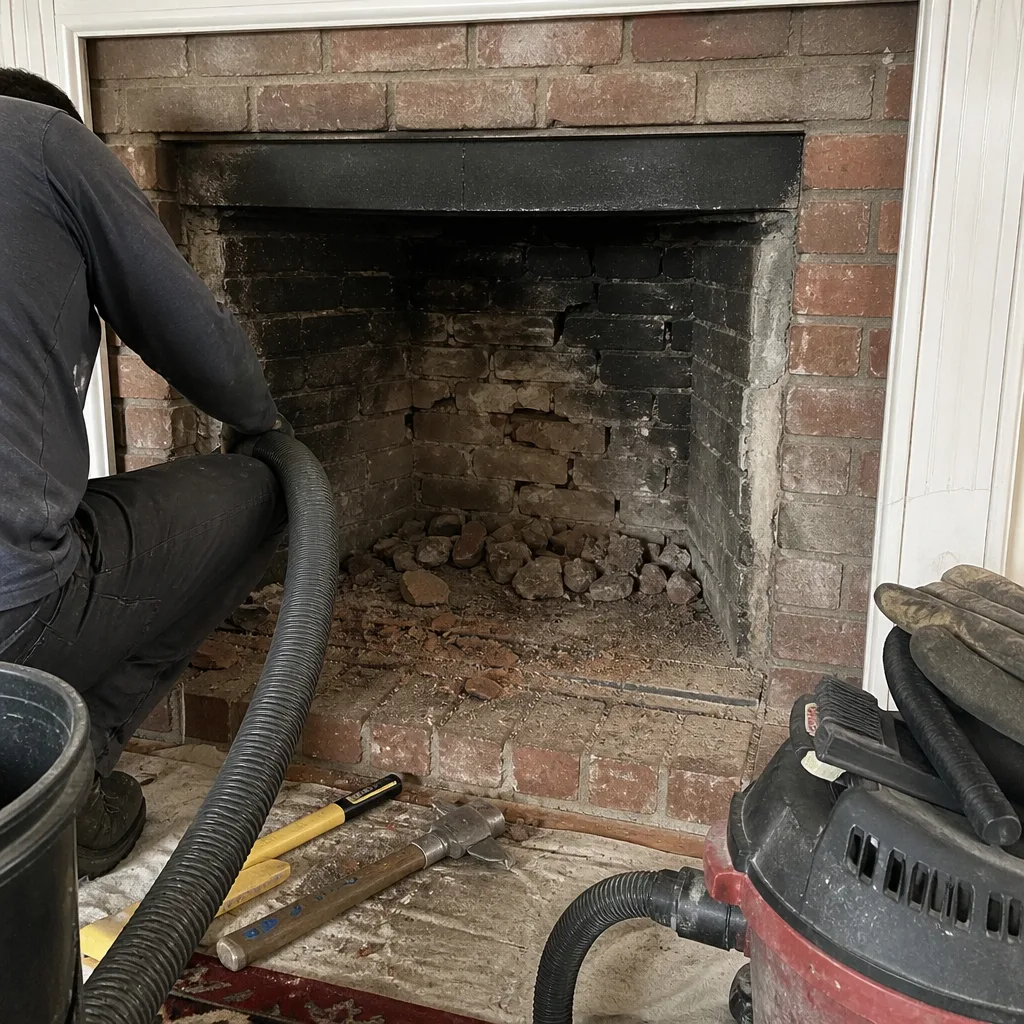 Before
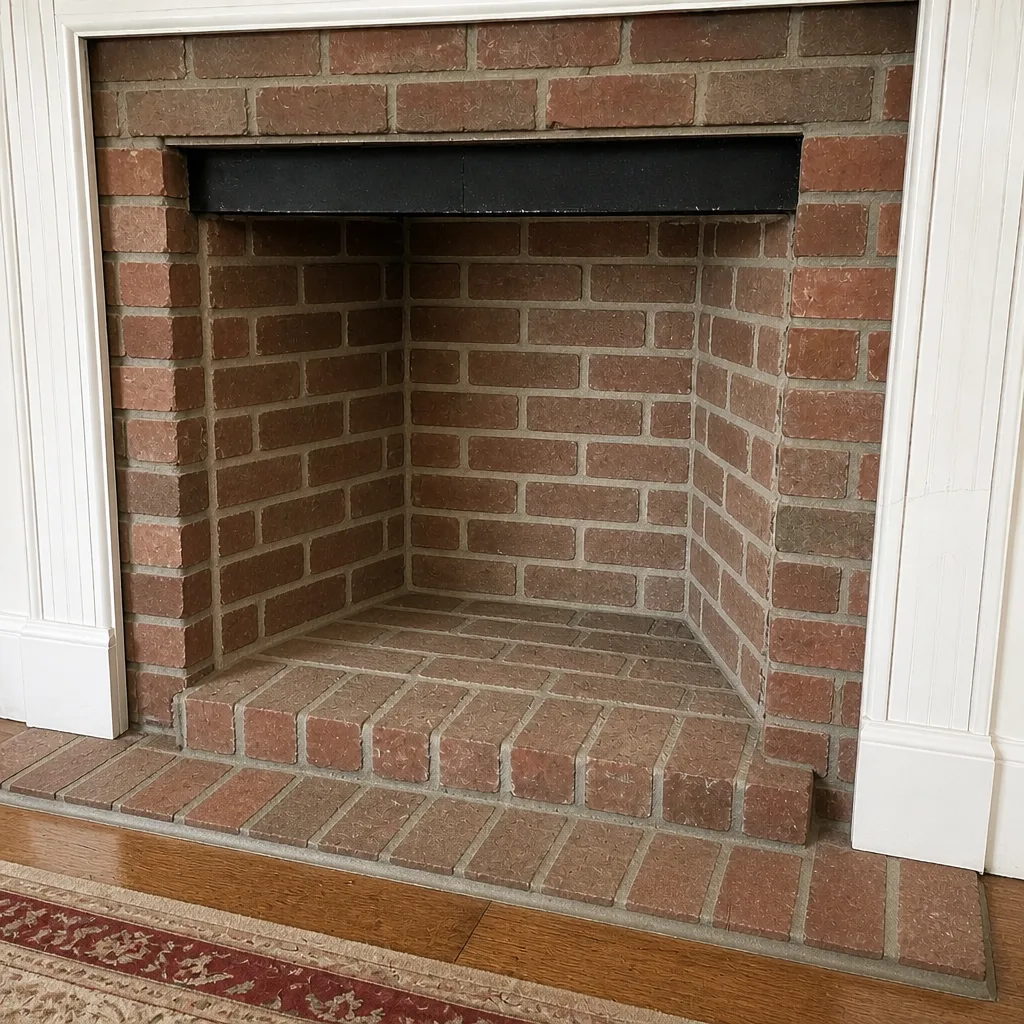 After
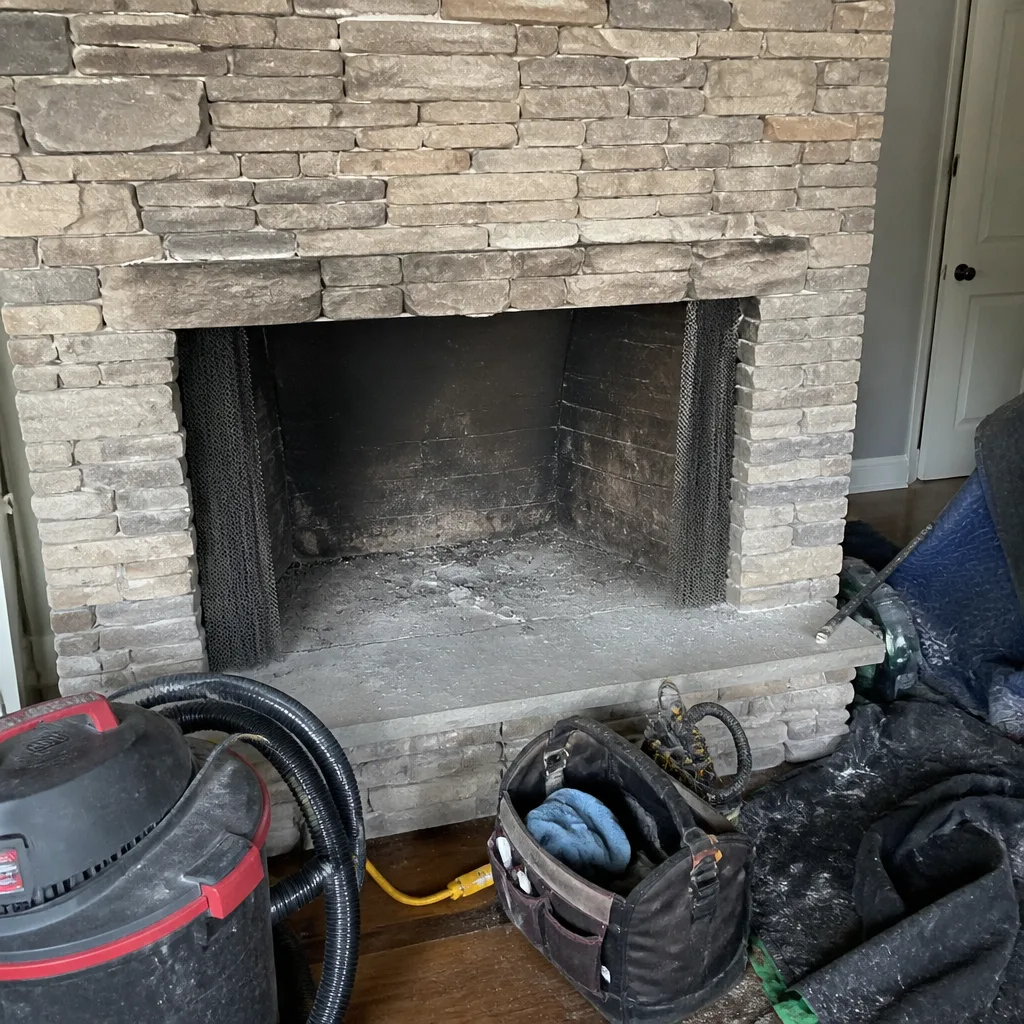 Before
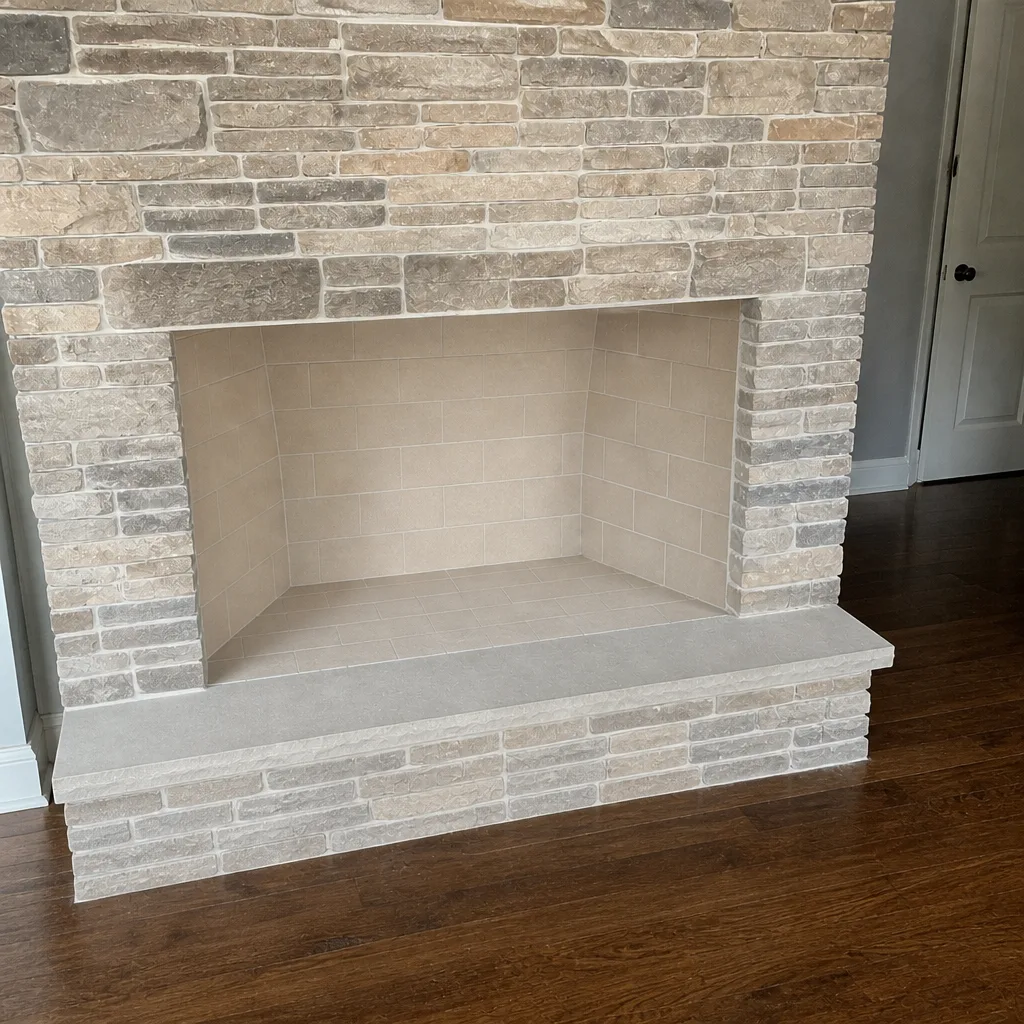 After
Frequently Asked Questions
No. Chimney sweeping is not a licensed trade in North Carolina, which means there’s no state credential to verify. What you can verify is CSIA certification, NFI certification for gas work, and a certificate of insurance. Ask for all three before booking.
Once a year if you burn wood regularly. If you only burn a few fires a season, annual inspection is still the right cadence – the inspection is what tells you whether a sweep is needed. Gas inserts have different needs and should be inspected on the same annual schedule.
Sometimes it’s real, sometimes it isn’t. The test is whether the contractor will show you the camera footage. A cracked flue tile or a deteriorated flue is visible. If a liner is recommended and you can’t see the evidence, that’s a conversation to have before you sign. In some cases, resurfacing with a product like HeatShield can address the problem without a full liner replacement.
Creosote builds up in the flue, and creosote is flammable. A neglected flue increases the risk of a chimney fire, and that risk is the actual point of the annual sweep. Skipping one year is not a catastrophe; skipping five in a row is a different situation. The inspection is how you know which one you’re in.
Yes, and it’s worth doing. Dryer vent cleaning is a fire-safety measure, and having it done on the same visit as the chimney sweep keeps the job to one appointment. Long dryer runs in multi-story Charlotte homes are the ones that need attention most.
Ask five things: Are you CSIA-certified? Can you send your insurance certificate? Does the sweep include a camera inspection and photo report? Do you do repair work in-house or subcontract it? What do you do if you find a cracked flue tile? Call (855) 412-0975 for an exact quote – estimates are free. We answer 24/7. Fast dispatch from 7am to 7pm, Sunday through Friday.
The Bottom Line
Hiring a chimney contractor in Charlotte comes down to verification. Since there’s no state license, your job is to substitute credentials, insurance, and documentation for the license that doesn’t exist. Ask about CSIA certification, ask for the insurance certificate, ask who’s actually showing up, and ask what the camera will show you. Then read the estimate for line items and brand names, not adjectives. The lowest bid is usually the lowest because the inspection got removed, and the middle of the market is where the honest work lives. If the contractor can clean and repair, you’ve removed the handoff. If they can do your dryer vent cleaning on the same visit, you’ve removed a second fire risk. And if they’ll show you the photos before asking you to sign, you’ve removed the guesswork. That’s the whole guide in one sentence.
Ready to book a sweep that comes with a camera inspection and a repair capability under the same roof? Charlotte Chimney Cleaning works with professional-grade materials – DuraFlex, HeatShield, Olympia Chimney, Copperfield, Gelco, and Famco – and handles the sweep, the repair, and the dryer vent without a second contractor. Call (855) 412-0975 for a free estimate. We answer 24/7. Fast dispatch from 7am to 7pm, Sunday through Friday.
Written by the team at Charlotte Chimney Cleaning, serving Charlotte since 2018.