
Last updated November 14, 2026
 Sweep & inspection
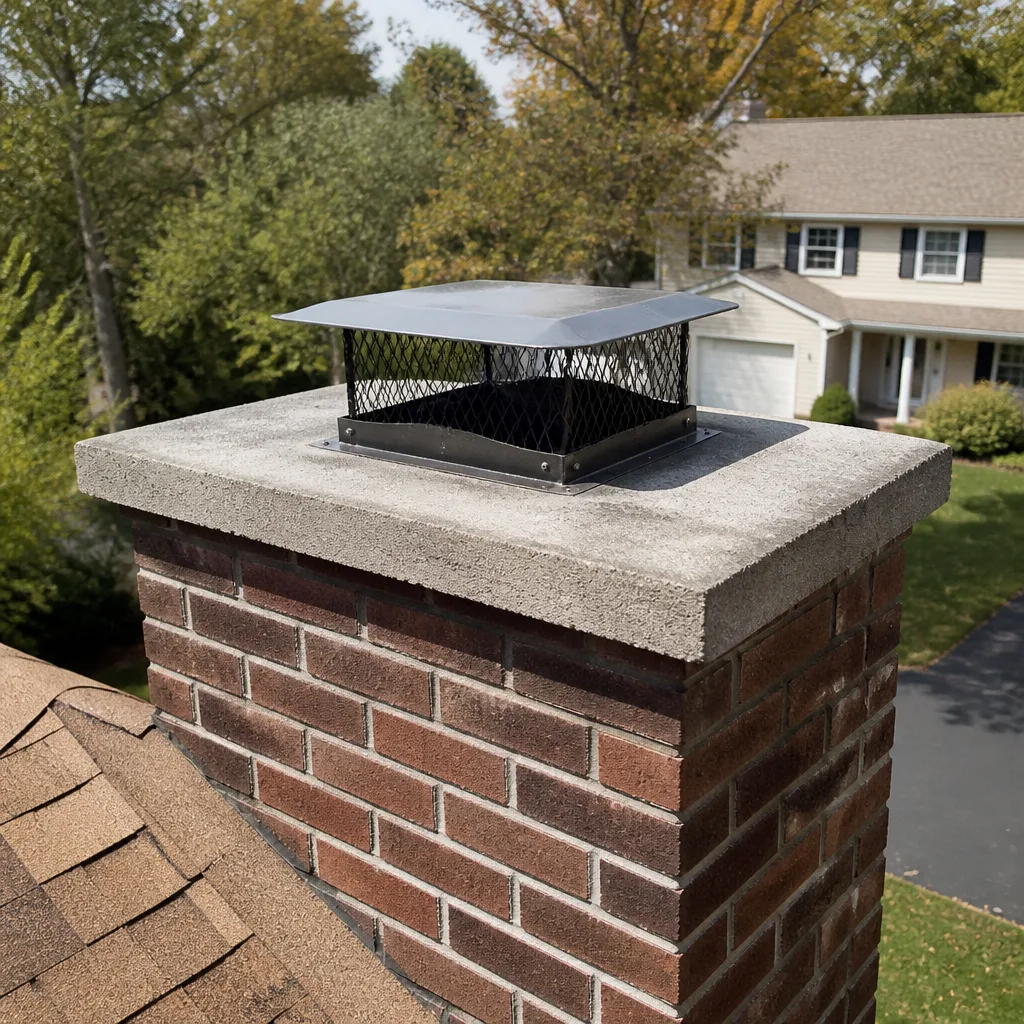
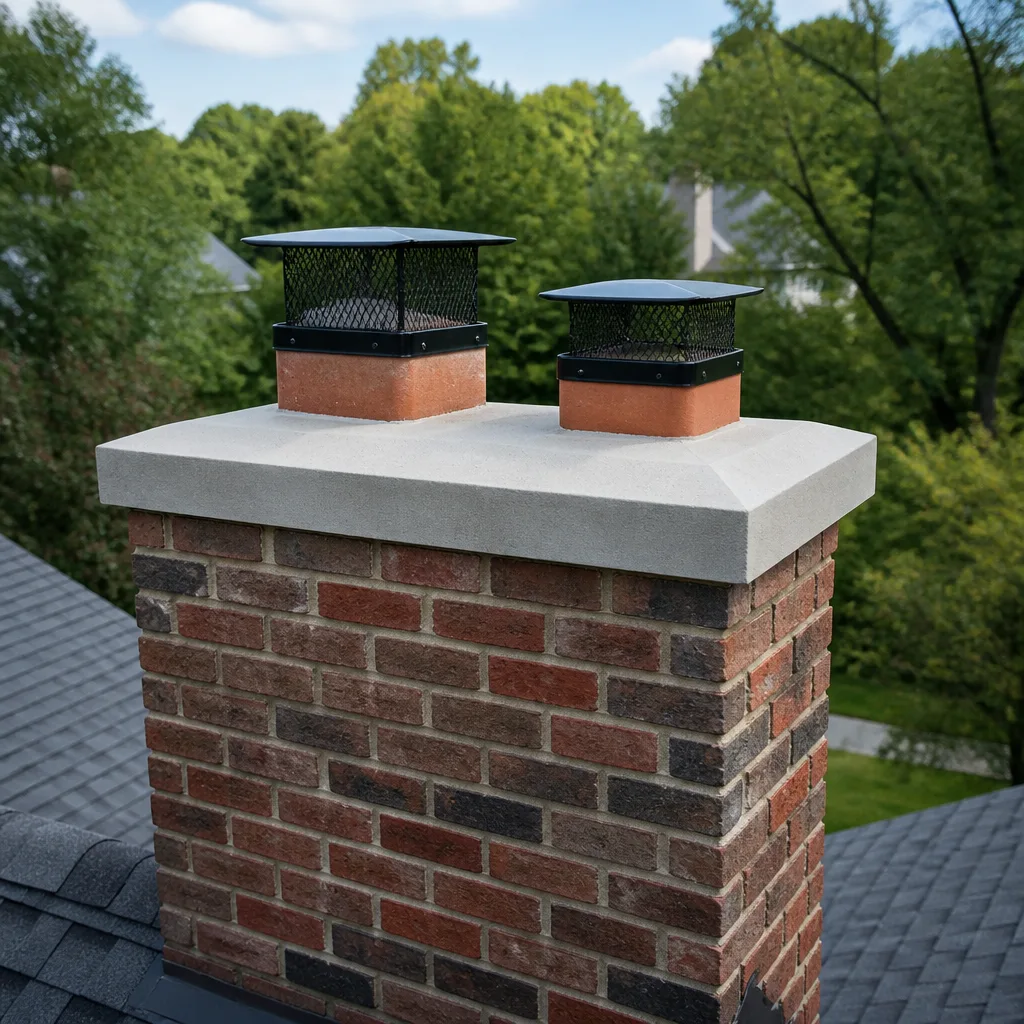 Caps & crowns
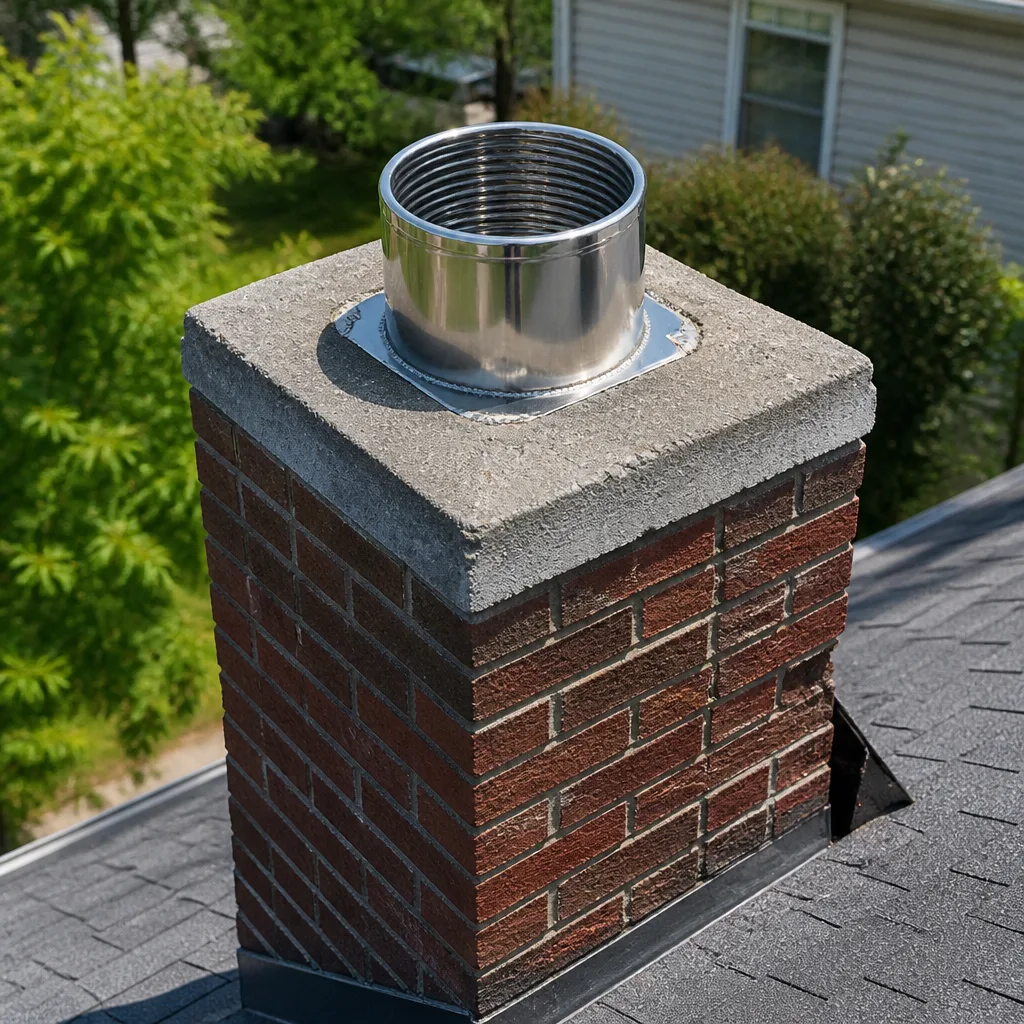 Flue relining
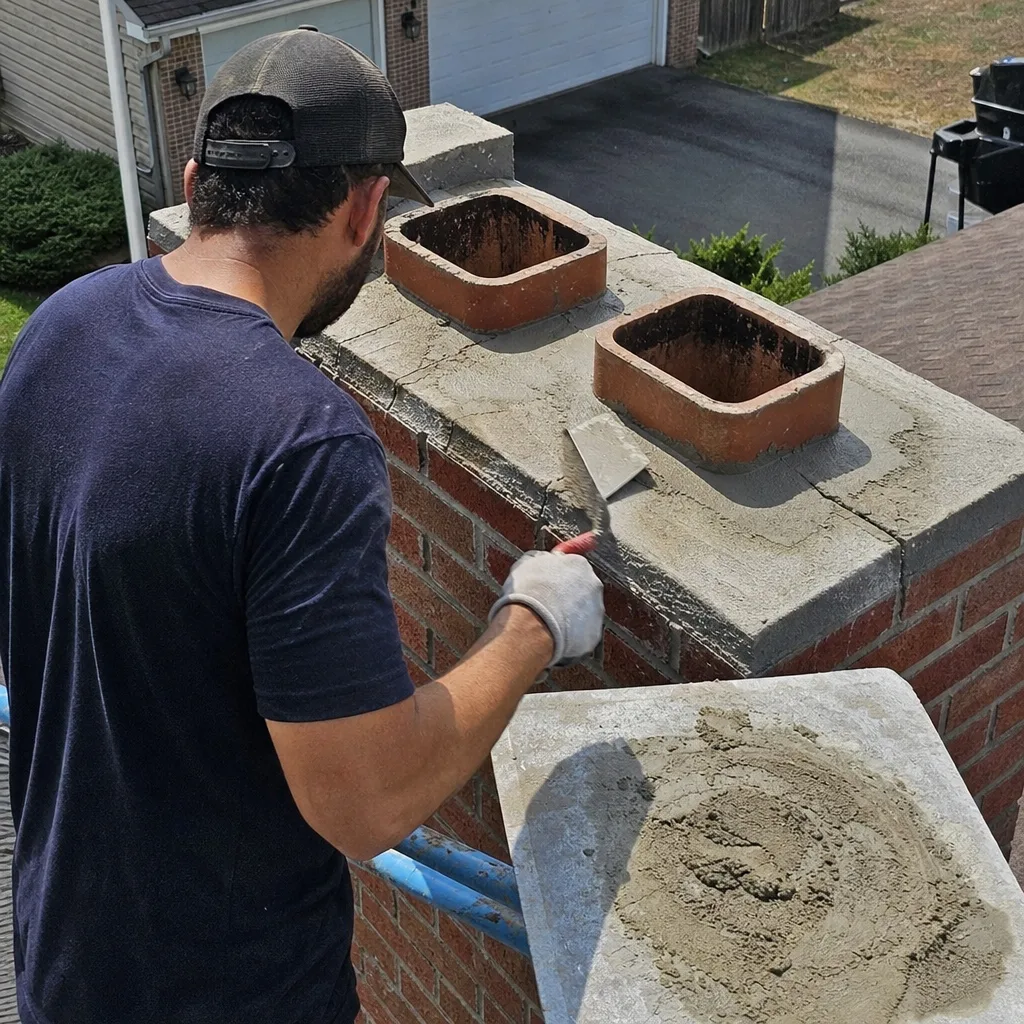
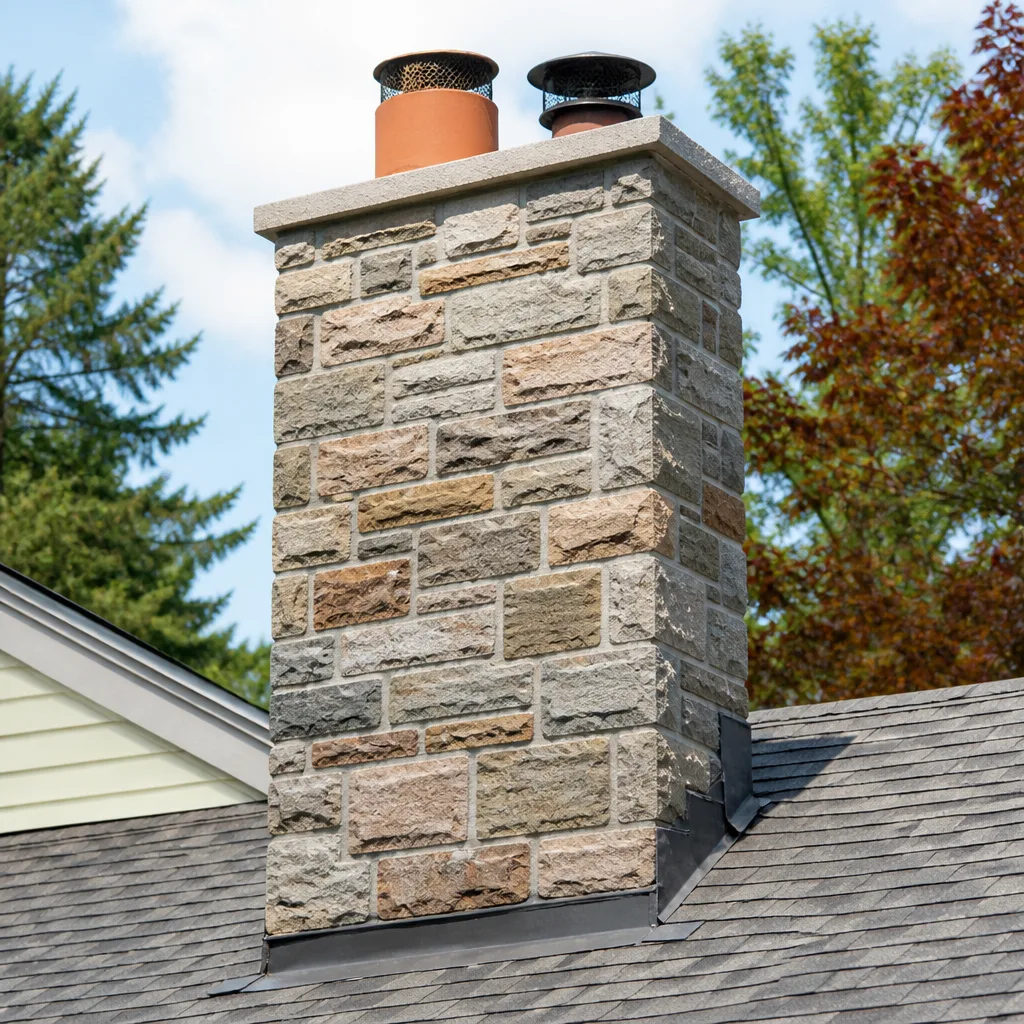 Masonry repair
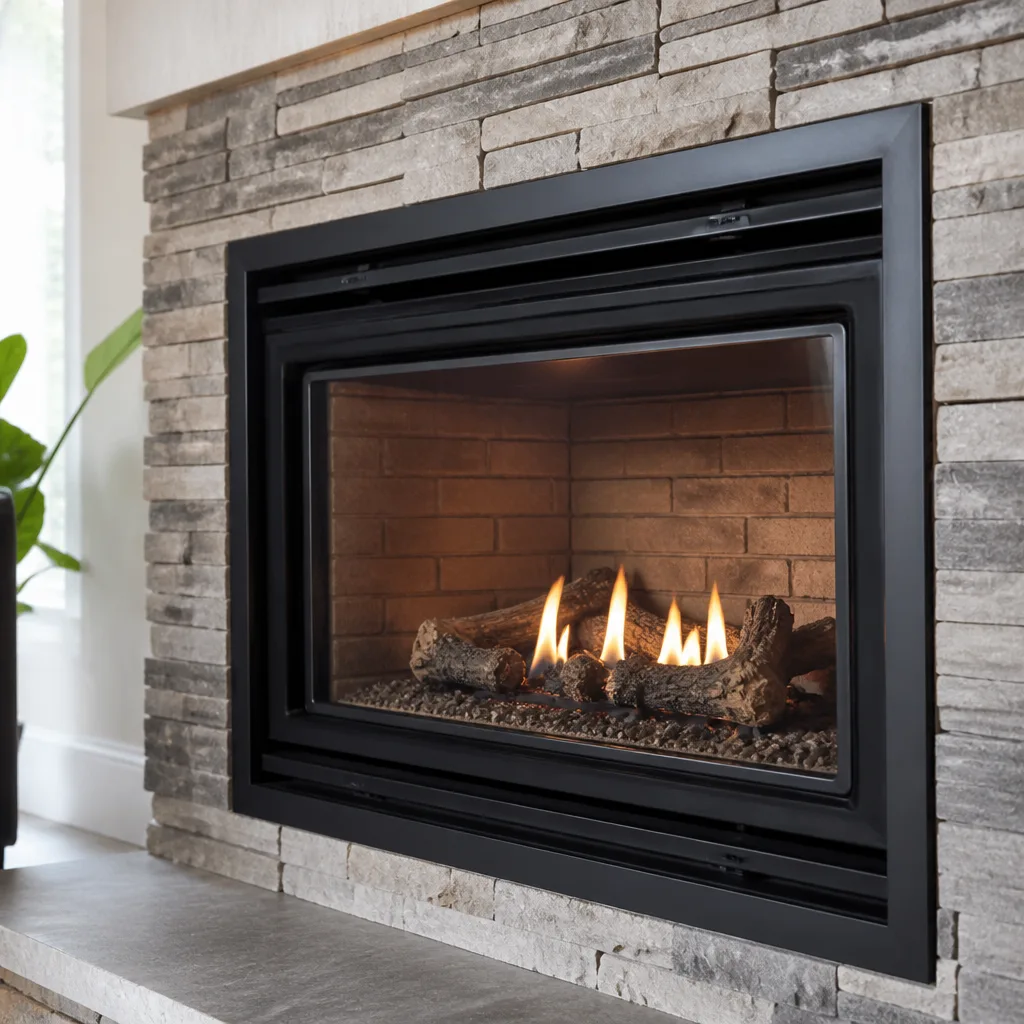 Gas fireplace service
Level 1 sweep and inspection to the NFPA 211 annual standard - flue, crown, cap, and flashing checked and photographed
Chimney sweep logs do not sweep chimneys. They loosen some creosote - which then falls where a brush and vacuum still have to collect it.
Chimney Cleaning Cost Breakdown: The Charlotte Homeowner’s Reference for 2026
The $99 chimney cleaning special you see advertised around Charlotte rarely ends at $99. That’s not because the companies running it are dishonest. It’s because the base price assumes conditions that don’t exist in most older Charlotte homes: a single straight flue, a light dusting of creosote, and nothing else that needs attention once the technician is on the roof. The moment a cap is seized, a flue has a bend, or the creosote has baked into a glaze, the number moves. In this guide we break down what chimney cleaning actually costs in Charlotte in 2026, how creosote stage changes both the method and the price, what a camera inspection should cost, and the questions to ask so you can tell a real estimate from a starting figure designed to grow.
Quick Answer
Standard chimney cleaning in Charlotte runs roughly $190 to $350 for a masonry single-flue fireplace, $150 to $280 for a factory-built prefab system, and $130 to $240 for a gas insert that needs only the flue and appliance checked. A Level 2 camera inspection typically adds $125 to $250, and when the technician finds glazed creosote or failing mortar, chemical treatment or spot repair can push the total to $500 or more. The written estimate you receive before work begins is the price you pay.
Styles & brands we work with
- Sweep & inspection
- Caps & crowns
- Flue relining
- Masonry repair
- Gas fireplace service
Table of Contents
- What Actually Drives Chimney Cleaning Cost in Charlotte?
- How Much Does Cleaning Cost by Chimney Type?
- How Do Creosote Stages 1, 2, and 3 Change the Price?
- What Does a Level 2 Camera Inspection Cost, and Do You Need One?
- Repair Cost Benchmarks: Crown, Cap, and Liner
- What to Ask Before You Book
- Why Charlotte Chimneys Age the Way They Do
What Actually Drives Chimney Cleaning Cost in Charlotte?
Four things move the price of a chimney sweep more than anything else: the type of system you have, the stage of creosote inside it, how accessible the flue is from the roof and the firebox, and whether the job turns up repairs that need to be handled on the same visit. Everything else is noise.
System type sets the floor. A straight masonry flue on a single-story ranch in Plaza Midwood brushes out quickly. A factory-built prefab with offsets and a tight chase, common in newer construction out toward Steele Creek, takes longer because the technician has to work the brush through bends and confirm the components haven’t separated. A gas insert is a different job again: there’s no creosote to speak of, but the flue still needs to be verified clear and the appliance connections checked.
Access matters more than most homeowners realize. A chimney on a steep roof, behind a dormer, or boxed in by a two-story addition in Myers Park takes more setup than one with a clear run to the cap. That setup time is real labor, and it’s the honest reason two houses on the same street can get different quotes.
- System type: masonry, prefab, or gas insert sets the base range
- Creosote stage: light soot brushes out; glazed creosote needs chemical treatment
- Access and roof pitch: steep or obstructed roofs take longer to work safely
- Findings on the day: a cracked crown or damaged cap adds repair cost
- Whether the company repairs: sweep-only crews have to hand you off to a mason, which adds a second visit and a second minimum charge
That last point is where a full-service company earns its keep. At Charlotte Chimney Cleaning we inspect, clean, and repair in one appointment, so a damaged mortar joint found during the sweep gets addressed by the same crew rather than becoming a separate contractor call.
How Much Does Cleaning Cost by Chimney Type?
Here are the typical 2026 price ranges we see for a standard sweep in the Charlotte market, by system type. Treat these as estimates; the written estimate confirms the final number for your specific chimney.
| Chimney Type | Typical Sweep Range | What’s Included |
|---|---|---|
| Masonry, single flue | $190 – $350 | Full flue brush, firebox and smoke shelf clean, cap and crown visual check, debris removal |
| Factory-built prefab | $150 – $280 | Flue brush sized to the liner, component and joint check, firebox clean |
| Gas insert / gas log set | $130 – $240 | Flue verification, appliance and vent connection check, no creosote removal |
| Multi-flue masonry | $280 – $450 | Each additional flue swept and checked separately |
Why does masonry sit at the top of the range? Creosote accumulates on masonry walls differently than inside a metal liner, and the firebox, smoke chamber, and smoke shelf all collect soot that has to be brushed and vacuumed by hand. The smoke chamber in particular is a bottleneck most homeowners never see. It’s the sloped area just above the damper, and when it’s rough or parged poorly it holds creosote like a sponge.
Prefab systems are usually faster because the liner is smooth and factory-made, so the brush glides and the creosote tends to flake off cleanly. Gas inserts cost least because there’s no solid fuel residue, but don’t skip the service on a gas appliance. The flue still needs to be verified clear, and the vent connection is worth a look.
If you’re unsure which category your home falls into, that’s a fair question to ask when you book. A quick description of the firebox and the cap is usually enough for a company to quote a realistic range rather than a teaser number. You can also read more about what a chimney sweep involves before you schedule.
How Do Creosote Stages 1, 2, and 3 Change the Price?
Creosote is the residue left behind when wood smoke cools on its way up the flue. It builds in three recognizable stages, and each stage requires a different method and a different cost. This is the single biggest reason a “$99 special” quote can turn into something else entirely.
Stage 1: Sooty, Flaky Creosote
This is the light, dusty, or flaky deposit most well-maintained chimneys carry. It brushes off the flue walls with standard tools and a good vacuum. If your chimney is at Stage 1, the base sweep price is the whole price. Expect the $190 to $350 masonry range above with no add-ons.
Stage 2: Hard, Brittle Creosote
Stage 2 is dense, crusty, and bonded to the flue. A standard brush doesn’t fully remove it; it takes rotary tools or a chemical treatment to break it down before brushing. This is where the price climbs. Chemical creosote treatment typically adds $100 to $250 depending on flue length and how much of the surface is affected. The deposit also signals that the fireplace has been burning cool or with unseasoned wood, which is worth addressing so it doesn’t rebuild.
Stage 3: Glazed Creosote
Stage 3 is the dangerous one. It’s a hard, shiny, tar-like glaze that has essentially fused to the flue. It ignites at lower temperatures than the other stages, which is the fire risk the trade talks about. Stage 3 removal is genuinely labor-intensive and can run $300 to $700 or more on its own, often requiring chemical treatment followed by mechanical removal over one or more visits. In severe cases the flue liner itself has been compromised, and the question shifts from cleaning to repair.
- Inspect: a camera scope identifies the stage and the extent
- Treat: chemical application loosens Stage 2 and 3 deposits
- Mechanically remove: rotary tools break the glaze down for brushing
- Re-inspect: confirm the flue is clear and the liner is intact
- Recommend: if the liner has failed, discuss repair options before the next fire
Here’s why a quote that assumes Stage 1 is a problem for a Charlotte homeowner: you can’t see creosote from the living room. The only way to know the stage before the technician arrives is to have the flue scoped, and most base-price quotes skip that step. When you call, ask what stage the base price covers. A straight answer tells you a lot about the company. To schedule a scoped assessment, you can book a chimney sweep and request the camera check at the same time.
What Does a Level 2 Camera Inspection Cost, and Do You Need One?
A Level 2 inspection uses a camera to examine the entire flue from top to bottom, plus accessible portions of the chimney exterior and the appliance connections. In Charlotte, that runs $125 to $250 as an add-on to a sweep, and it’s money well spent when there’s a real reason to look.
When is a Level 2 appropriate rather than an upsell? There are clear cases:
- A new home purchase, or any property you’ve just moved into
- A change in how the fireplace behaves: more smoke in the room, a draft that got worse, an odor that wasn’t there before
- A chimney fire, even a small one you suspect but didn’t see
- Converting from wood to gas, or installing a new insert or stove
- Any time a sweep turns up damage that’s hard to see from the roof
When you don’t need one: an annual maintenance sweep on a system that’s been routinely cleaned, scoped recently, and is behaving normally. If a technician insists on a Level 2 every single year with no reason, ask why. A good company will explain the trigger honestly.
A genuine inspection gives you evidence. Ours includes a photo report from the camera so you can see what we saw, which changes the conversation from “trust me, your liner is cracked” to “here’s the image.” That matters when a repair estimate is on the table. Nothing we recommend goes forward without you seeing the reason.
Repair Cost Benchmarks: Crown, Cap, and Liner
When a sweep turns up a problem, the next question is always whether the repair quote is reasonable. Here are the typical 2026 benchmarks so you can sanity-check what you’re told. These are estimates; the written estimate governs the final price.
| Repair | Typical Range | When It’s Needed |
|---|---|---|
| Crown repair or resurface | $300 – $700 | Hairline cracks or spalling on the crown letting water in |
| Chimney cap replacement | $150 – $450 | Missing, rusted, or damaged cap; animal entry |
| Flue resurfacing (in place) | $1,200 – $3,500 | Deteriorated mortar joints, pitting, compromised flue surface that doesn’t yet need a full liner |
| Liner replacement | $2,500 – $6,000+ | Failed or missing liner, or new appliance installation requiring a properly sized flue |
| Drafting / mortar joint spot repair | $250 – $900 | Localized joint failure, isolated cracks |
The good news on flue resurfacing: a deteriorating flue doesn’t always mean a full liner replacement. In-place resurfacing with a system like HeatShield addresses deteriorated mortar joints and pitting by forming a new surface inside the existing flue, at a fraction of the cost of a full reline. This is one reason a company that stocks HeatShield-capable materials and knows the system matters: the same crew that cleans your flue can resurface it, rather than handing you a liner replacement quote because the intermediate option isn’t in their toolkit.
When you get a repair quote, ask these questions:
- What did you see, and can I see the photo or video of it?
- Is this an immediate safety issue, or can it wait a season?
- Is repair the right option here, or am I being steered toward the most expensive fix?
- What happens if I don’t do this now?
A straight company answers all four without hesitation. We use industry-standard materials like Olympia Chimney and DuraFlex for liner components and Gelco and Famco compatibility for related vent work, so the repair and the cleaning come from the same qualified hands.
While we’re on dryer venting, note this: your clothes dryer is the other major home fire risk under your roof. A clogged dryer vent is a real safety concern, not a maintenance nuisance. Professional dryer vent cleaning is a fire-safety measure, and doing it on the same appointment as your chimney sweep makes sense for both safety and scheduling.
What to Ask Before You Book
The core question is whether a quote is for a complete, all-in job or a base rate that will grow on-site. You can tell the difference with five questions before you ever book.
- “What’s included in this price, exactly?” A real quote names the flue, the firebox, the smoke chamber and shelf, the cap check, and the cleanup. If the answer is vague, expect add-ons.
- “What stage of creosote does this price cover?” If the answer is “Stage 1 only,” you’re getting a base rate that assumes clean conditions. Ask what Stage 2 or 3 treatment would add.
- “Do you inspect the flue or just brush it?” Sweep-only crews might brush and leave; a Level 2 scope is often needed. Ask if a camera is available and what it costs.
- “If you find damage, can you repair it, or do I need another contractor?” Sweep-only companies hand you off to a mason and add a second visit. A full-service company handles it on the same job.
- “Is the price in the written estimate final for the work you’ve quoted?” The answer should be yes, up to any conditions you agree to on the day.
Also ask about brands and materials. A company that specifies industry-standard components and can name its product lines is a company with installation-grade knowledge. Ours does. We work with DuraFlex, HeatShield, Gelco, Olympia Chimney, Famco, and Copperfield, and we’re happy to talk through any of them.
Why Charlotte Chimneys Age the Way They Do
Charlotte’s climate and housing stock shape how chimneys wear in specific ways worth understanding. A firebox that sat through a humid summer has different needs than one that lived in a dry climate, and the neighborhoods across this city aren’t uniform.
Older homes near Uptown, NoDa, and Elizabeth typically have masonry chimneys built decades ago. Brick and mortar take a beating from Charlotte’s humidity and the freeze-and-thaw swings we get each winter; the crown is often the first thing to crack, and once water gets into the masonry, the joints spall and the flue wall can pit. If your home is in one of those neighborhoods, an interior flue scope is worth having on the first visit.
Out toward Ballantyne, Huntersville, and Steele Creek, the housing stock skews newer, and you’re more likely to find factory-built prefab systems with metal liners. These are lower-cost to clean but they have their own failure points: joints can separate, and when they do, the system needs to be flagged before another fire. A homeowner in a newer build who skips an annual sweep may not learn about a separated joint until something else draws attention to it.
Longer, taller chimney runs that serve multiple stories are common in the two-story homes across south Charlotte, and those flues take longer to work because everything has to be set up and cleaned at proper height. That’s a planning detail, not a markup.
Charlotte’s late-fall and winter heating season is the deadline to work toward. Creosote builds during burn season and sits through the humid months. Getting the flue cleaned and inspected before that first cold night is the reason the fall fills up, and booking ahead of it saves you the scramble. If you’re in Charlotte and want to see what a thorough service covers, our service page walks through the process.
Common Mistakes to Avoid
- Treating the teaser price as the final price. A base rate that covers Stage 1 conditions is legitimate, but it isn’t what most older Charlotte homes actually need. Ask what the base covers before you book.
- Skipping the camera inspection to save $125 to $250. The inspection is where the real findings come from. Passing on it means the person making a repair decision has no evidence, and so do you.
- Choosing a sweep-only company when you suspect damage. If a sweep-only crew finds a cracked crown or a failed joint, you get handed to a mason and pay two minimum charges. One full-service company avoids that hand-off.
- Assuming a presto cap and no creosote means all’s well. A clean-looking cap says nothing about the inside of the flue. The creosote that matters is on the flue wall, not on the roof.
- Burning unseasoned wood to get through the season. Green wood burns cool, and a cool flue is what produces Stage 2 and Stage 3 creosote. Dry, seasoned wood is cheaper in the long run.
- Forgetting the dryer vent. A clogged dryer vent is one of the leading home fire risks, and it’s easy to overlook because it doesn’t smell like a chimney. Book both on one visit.
- Waiting until the first cold snap to call. Fall schedules fill. Charlotte’s heavy heating months start when the weather turns, and calling then means a longer wait.
See the difference
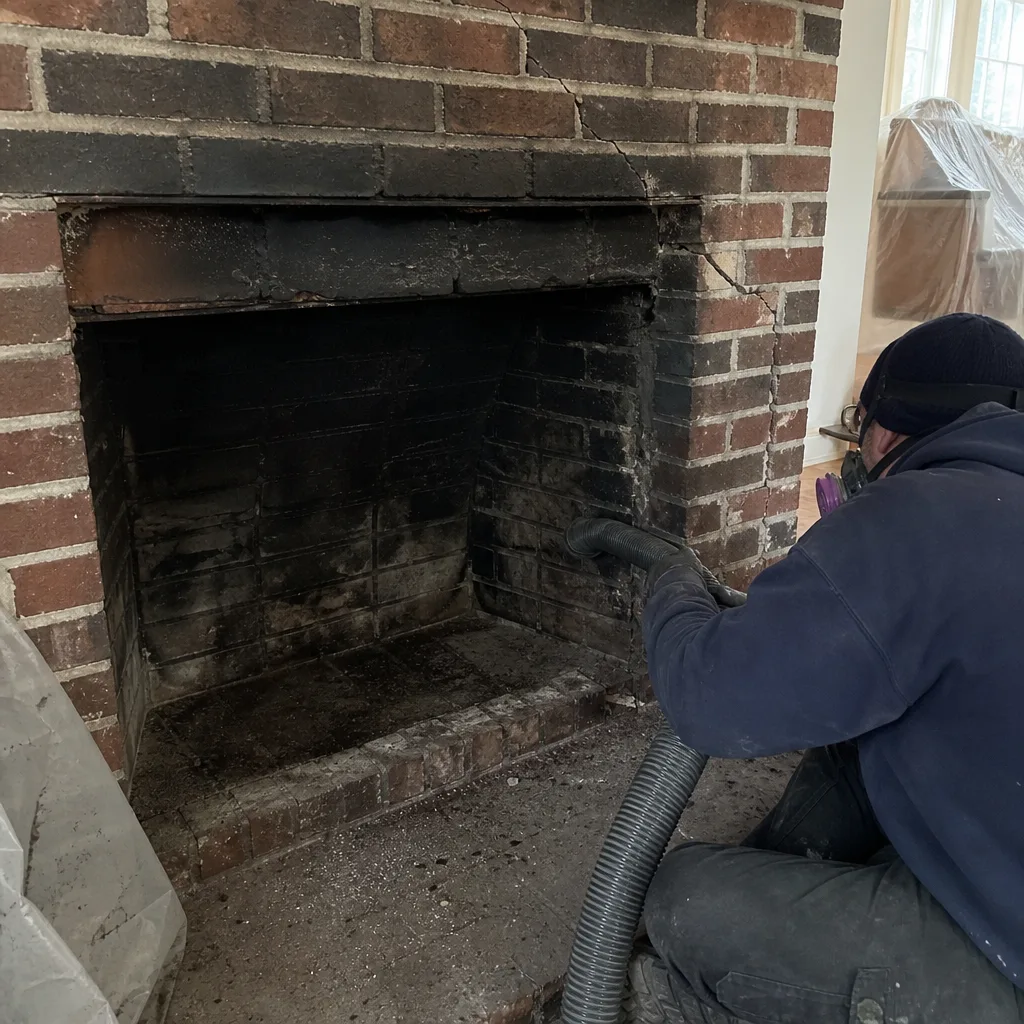 Before
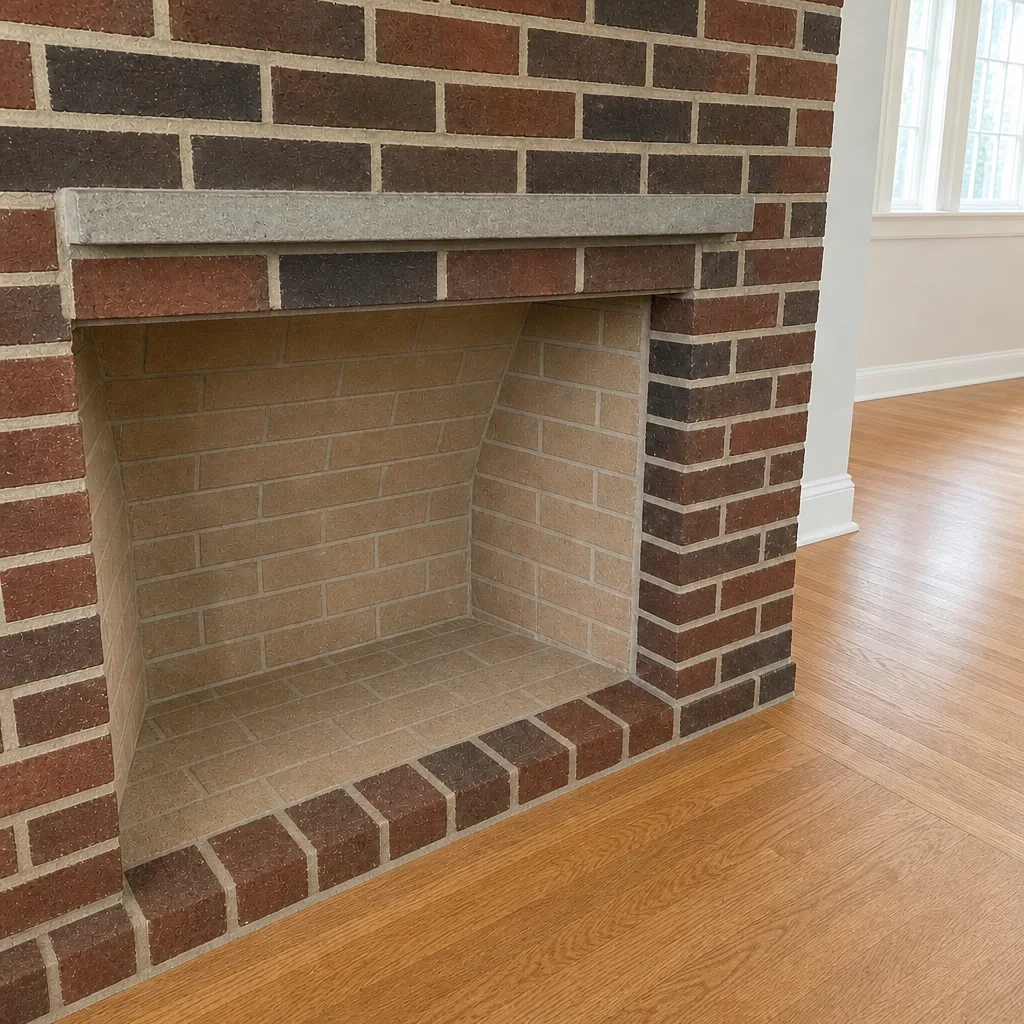 After
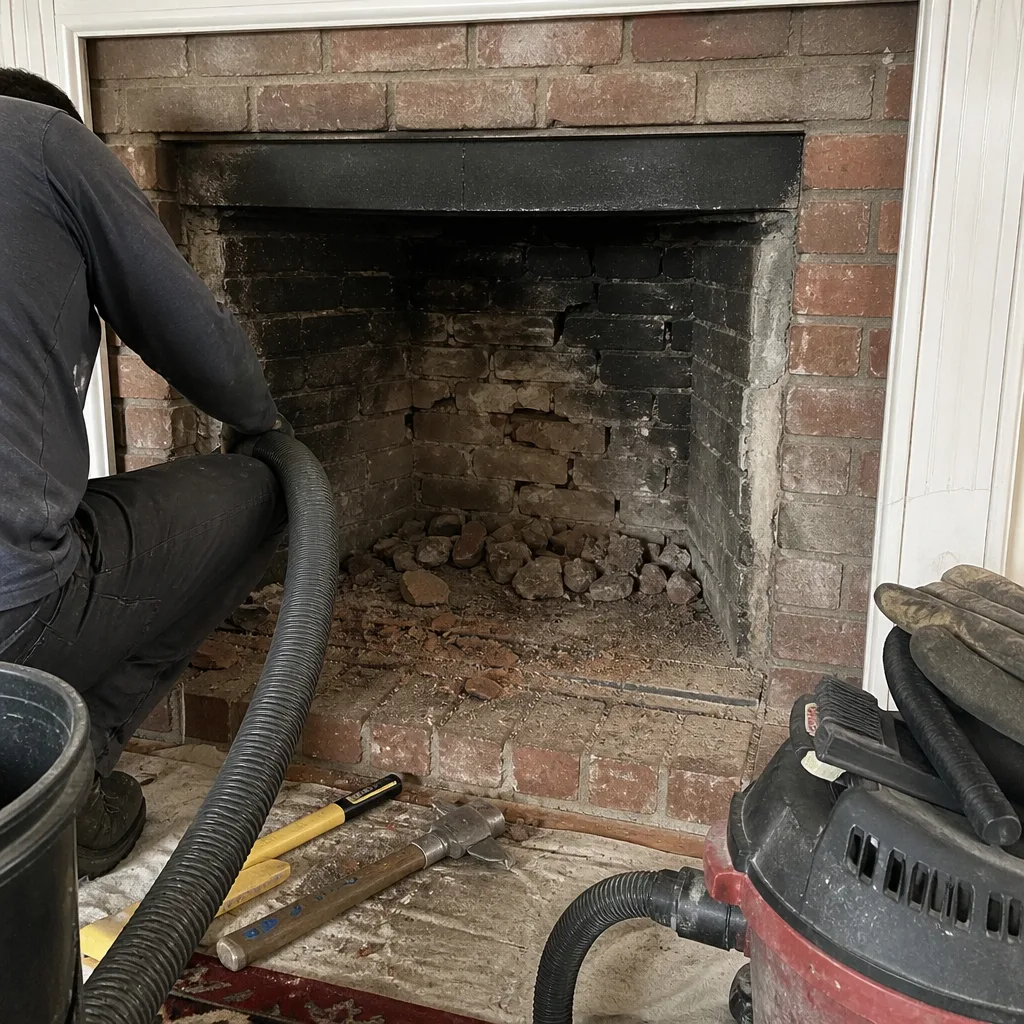 Before
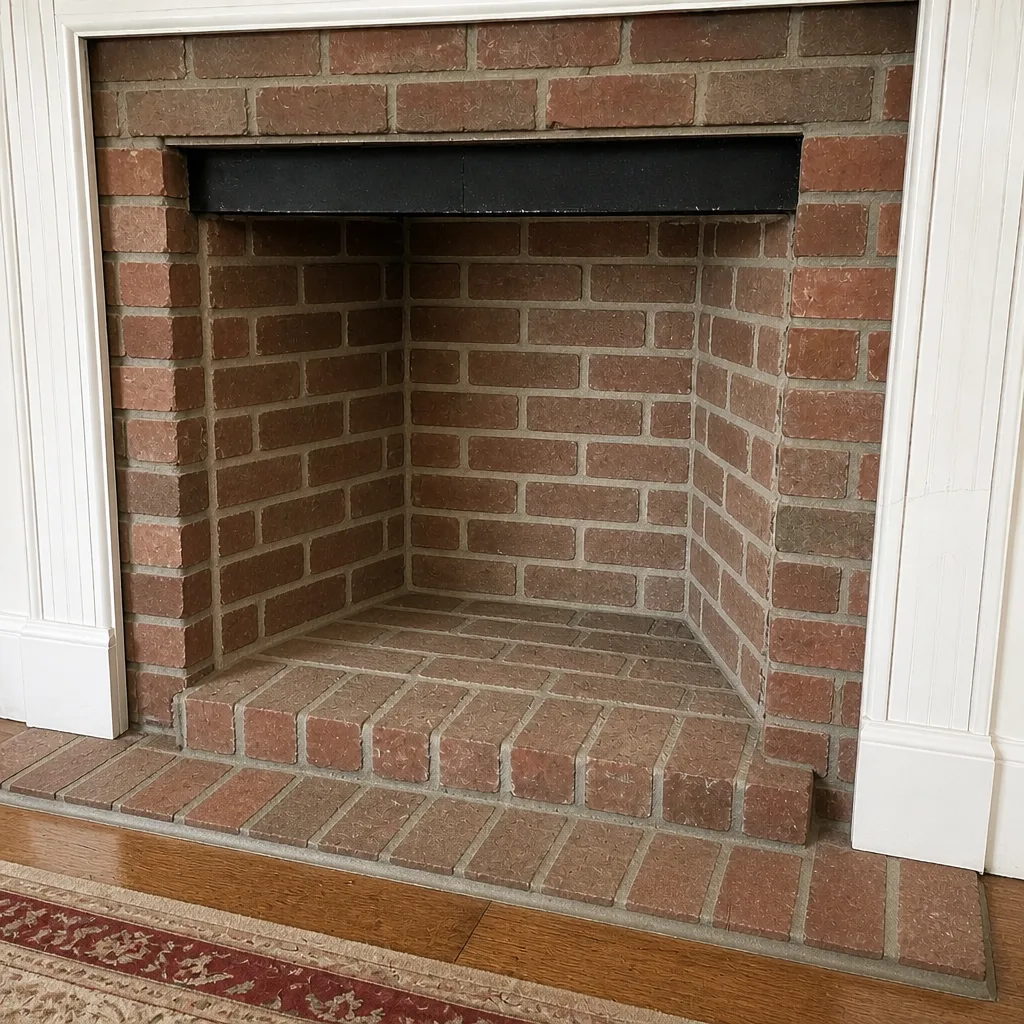 After
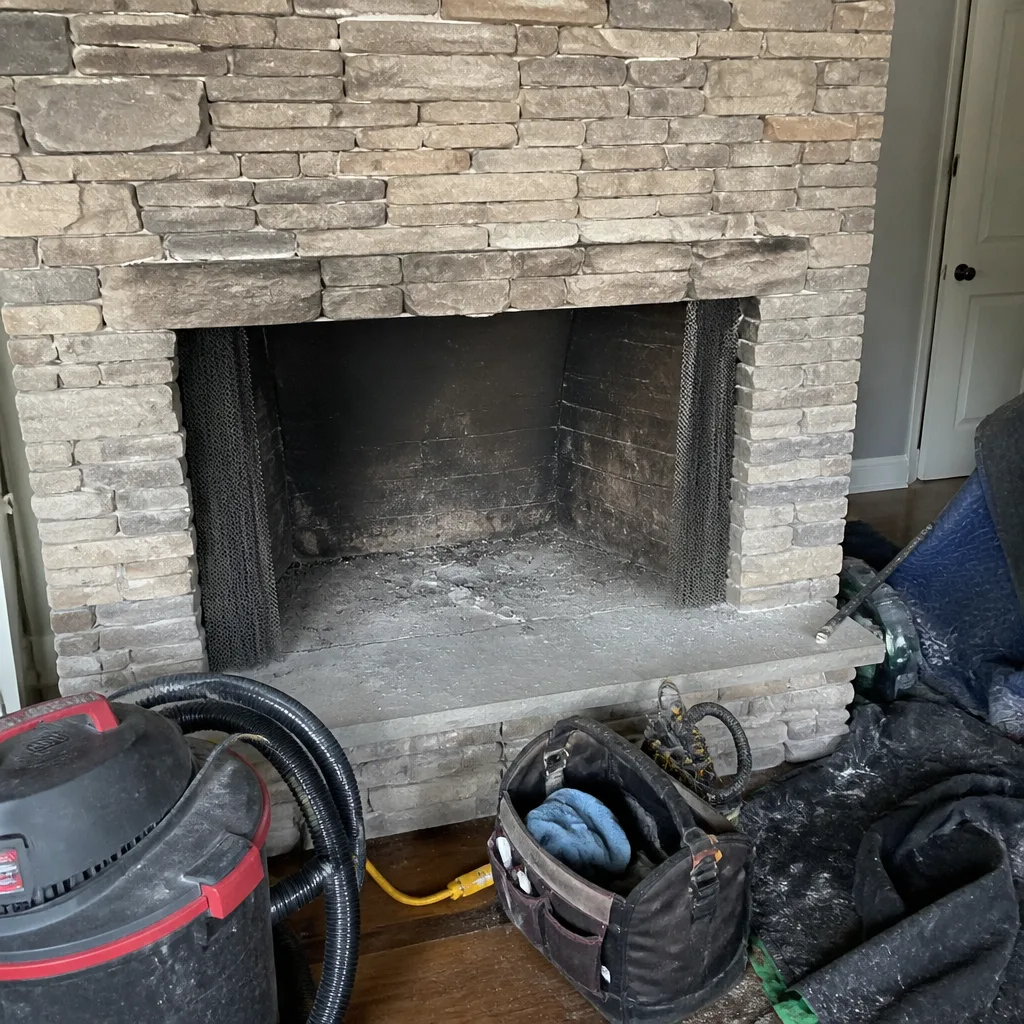 Before
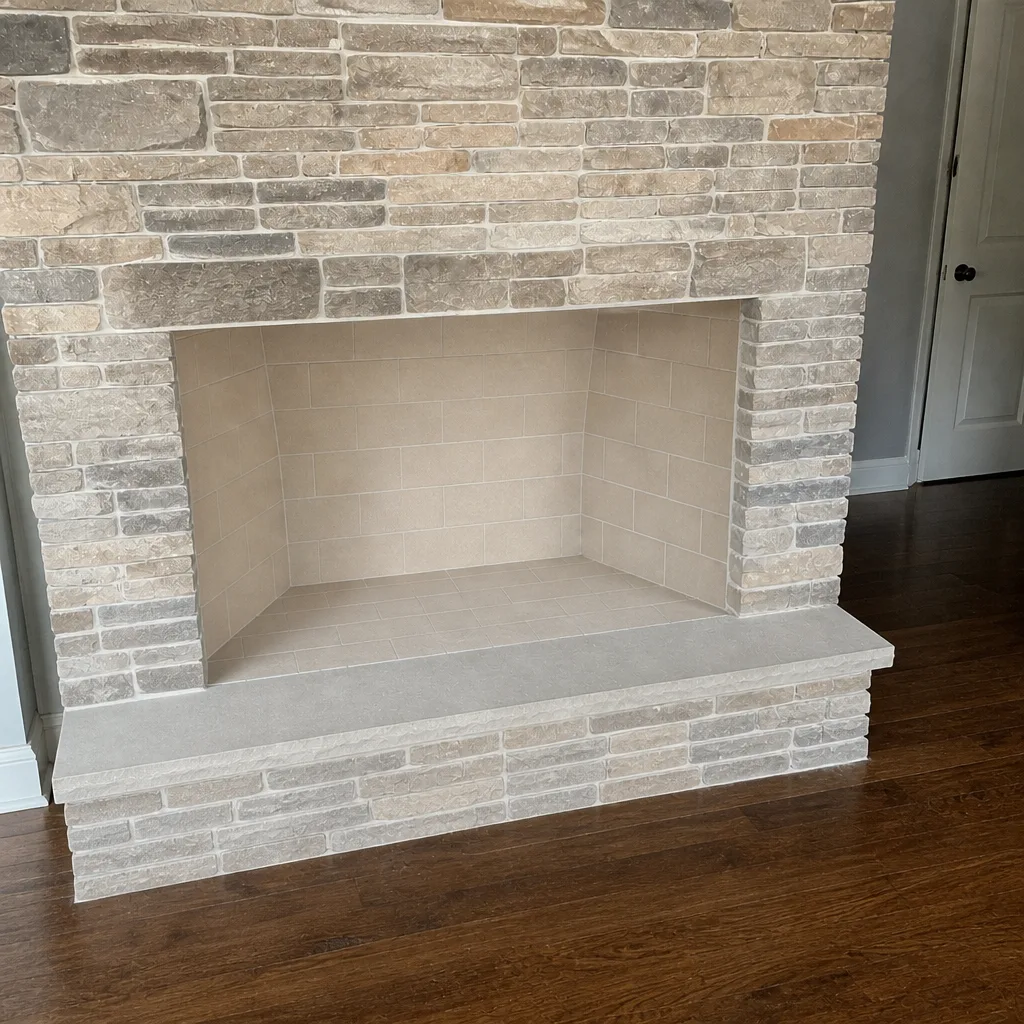 After
When to Call a Professional
Call a professional to clean and inspect a flue when any of these is true: you’ve burned a season of wood without a sweep, you’re moving into a new home, your fireplace smokes into the room, you smell an odor even when it’s not burning, or you suspect a chimney fire happened at any point. Also call when you’ve never had a camera scope run on the system. These are situations where eyes on the flue matter, and a sweep isn’t a place to save money by guessing.
If your chimney is past regular maintenance and needs attention now, we’d rather you call early than wait. Charlotte Chimney Cleaning offers free estimates in Charlotte. Call (855) 412-0975. We answer 24/7. Fast dispatch from 7am to 7pm, Sunday through Friday. One call covers your chimney and your dryer vent.
Frequently Asked Questions
A standard sweep in Charlotte runs about $190 to $350 for a masonry single-flue fireplace, $150 to $280 for a factory-built prefab, and $130 to $240 for a gas insert. Add $125 to $250 for a Level 2 camera inspection, and more if the flue has Stage 2 or 3 creosote that needs chemical treatment. Call (855) 412-0975 for an exact quote. Estimates are free.
Not every flue needs a full liner. If the damage is a deteriorated surface or pitted mortar joints and the flue structure is otherwise sound, in-place resurfacing with HeatShield can restore the surface without the cost of a full reline. Ask to see the camera images. If the liner has failed or is missing, a replacement is the right call, but you should see the evidence before deciding. Call (855) 412-0975 for a scoped assessment.
For a wood-burning fireplace, most homes do well with an annual inspection and a sweep whenever the creosote reaches about an eighth of an inch on the flue wall. That’s typically once a year with regular use, though it varies with how much you burn and how dry your wood is. A gas insert needs an annual check as well. Call (855) 412-0975 to book yours.
Two things, and neither is theoretical. Creosote builds in the flue, and at Stage 2 and Stage 3 it can ignite and start a chimney fire. Separately, a blocked or damaged flue can let carbon monoxide back into the home. Skipping is a risk, not a savings, though the timeline varies by system and use. Call (855) 412-0975 to get the flue scoped and know where you stand.
A standard masonry sweep takes about 45 minutes to 90 minutes including setup and cleanup. A prefab system is usually faster. Adding a camera inspection or creosote treatment extends the visit. The estimate you receive when you book reflects the scope of the work. Call (855) 412-0975 to schedule.
Yes. We clean dryer vents as a fire-safety service, using Famco-compatible components. The dryer vent is one of the leading home fire risks, and it’s worth handling on the same appointment as the chimney sweep so both your flue and your dryer are covered in one visit. Call (855) 412-0975 to book both.
The Bottom Line
The price of a chimney cleaning in Charlotte isn’t a single number; it’s a range that depends on what kind of system you have, what stage of creosote is inside it, and whether a camera inspection turns up problems. A standard masonry sweep runs $190 to $350, a prefab $150 to $280, and a gas insert $130 to $240, with a Level 2 inspection adding $125 to $250 and creosote treatment adding more. The way to protect yourself isn’t to chase the lowest advertised rate but to ask what the base price covers, see the evidence on camera, and use a company that can both clean and repair. If damage is found, you want it handled in the same visit, not handed to a second contractor. If nothing needs fixing, that’s the best news of all, and a straight company says so. To get a scoped estimate, call (855) 412-0975. We answer 24/7. Fast dispatch from 7am to 7pm, Sunday through Friday.
Written by the team at Charlotte Chimney Cleaning, serving Charlotte since 2018.