
Last updated November 14, 2026
 Sweep & inspection
 Caps & crowns
 Flue relining
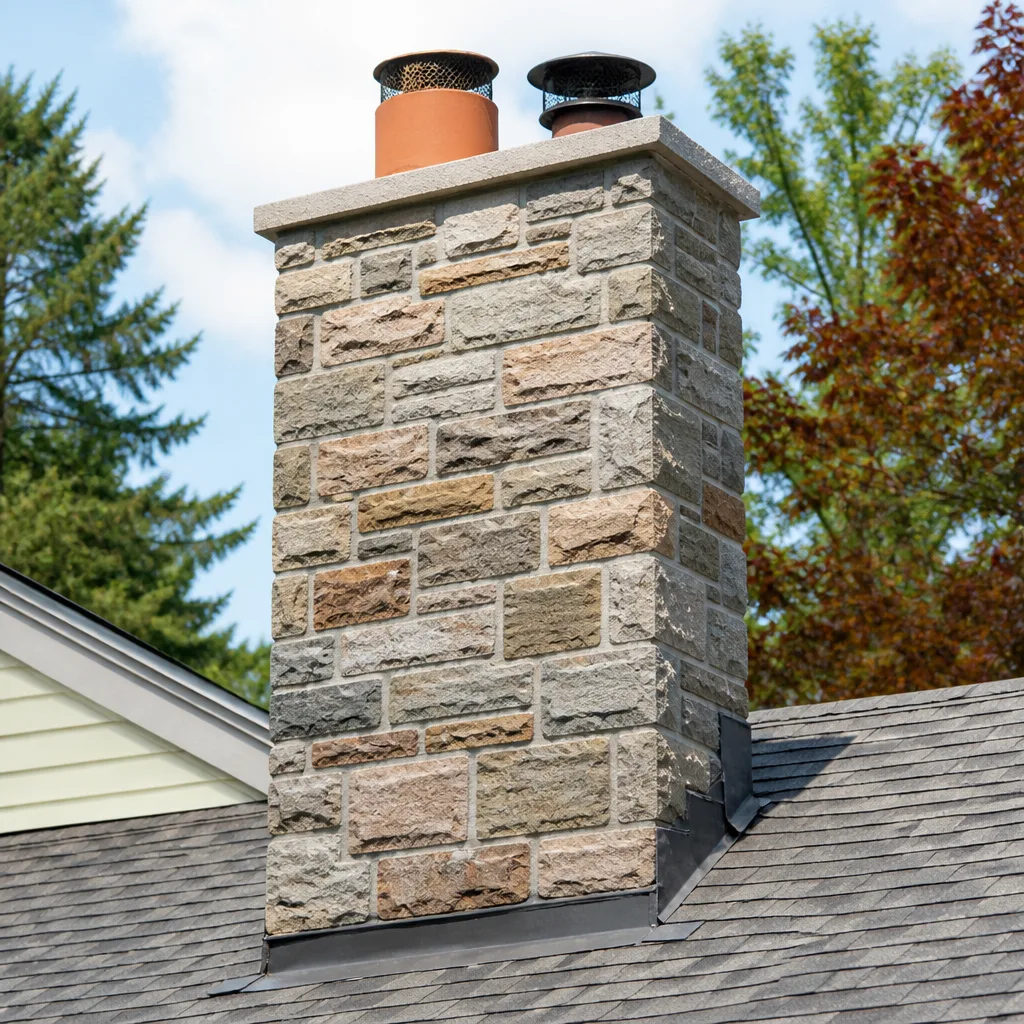 Masonry repair
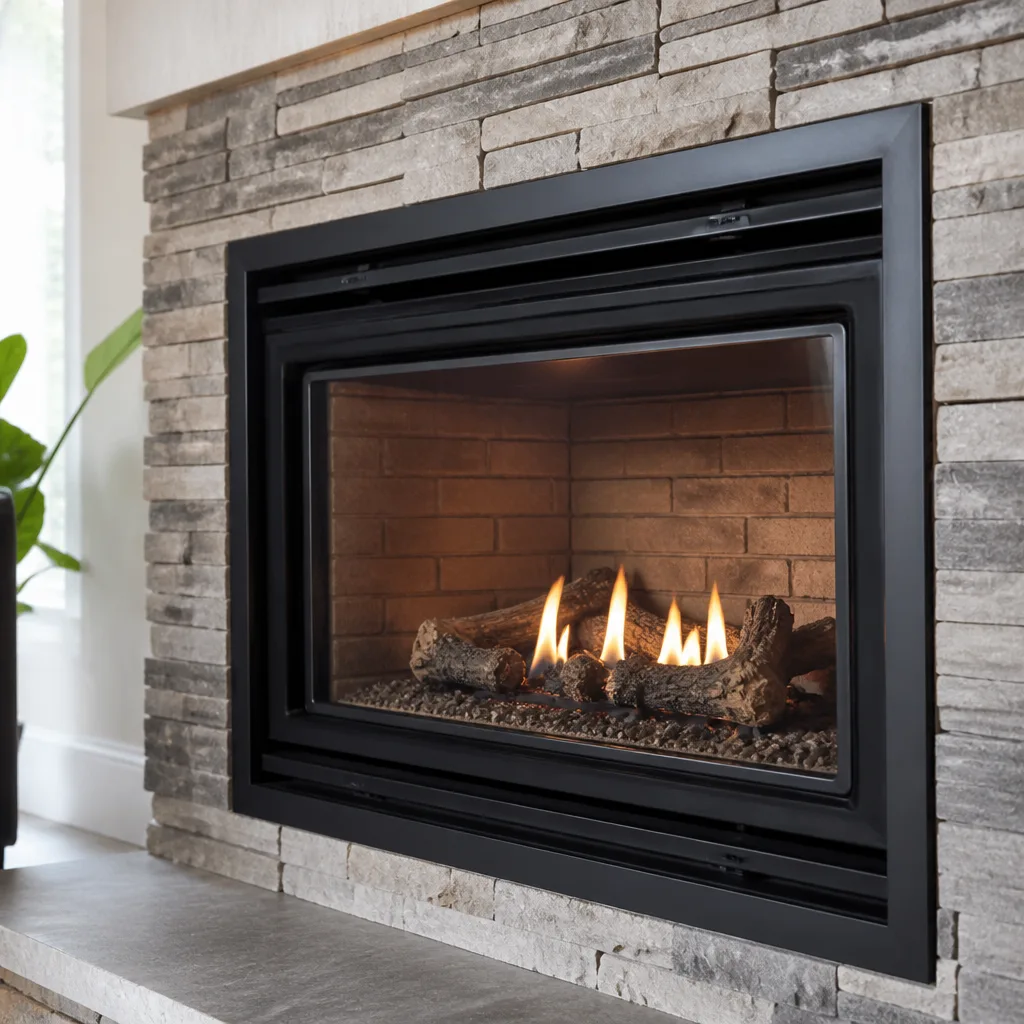 Gas fireplace service
Level 1 sweep and inspection to the NFPA 211 annual standard - flue, crown, cap, and flashing checked and photographed
Chimney sweep logs do not sweep chimneys. They loosen some creosote - which then falls where a brush and vacuum still have to collect it.
Chimney Cleaning Emergency Preparedness Guide for Charlotte Homes
Most people think a chimney fire gives you time. It doesn’t. A chimney fire can go from a low rumble to full intensity in less than a minute, and the homeowners who’ve lived through one usually describe the same thing: standing in their living room, hearing a sound like a freight train running through the roof, and having no idea what to do next. That paralysis is the real hazard. Not the fire alone, but the missing plan. This guide gives you that plan. You’ll learn exactly what to do in the first sixty seconds of a chimney fire in a Charlotte home, how to tell whether the structure is safe once it’s out, what to say to a 911 dispatcher, and how to keep the next one from starting.
Quick Answer
If you suspect a chimney fire, get everyone out of the house, call 911, and don’t use water inside the firebox. Close the glass doors and the damper if you can reach them safely, then wait outside for firefighters. After any chimney fire, the flue must be inspected by a professional before you burn again, because the fire can crack tiles and warp a liner in ways you can’t see from the hearth.
Styles & brands we work with
- Sweep & inspection
- Caps & crowns
- Flue relining
- Masonry repair
- Gas fireplace service
Table of Contents
- How Do You Know It’s a Chimney Fire?
- The Step-by-Step Response Protocol
- What to Tell the 911 Dispatcher
- Checking the Structure After the Fire Is Out
- Documentation for Insurance and Further Use
- Prevention Tied to Charlotte Burning Habits
- The Other Fire Risk in the Same House
- Common Mistakes to Avoid
How Do You Know It’s a Chimney Fire?
A chimney fire doesn’t always announce itself with flames. Some are loud and violent; others smolder quietly in the flue and go out on their own, leaving damage behind that the homeowner never knew happened. Knowing the signs matters, because the quiet ones are the ones people miss and then keep burning in a compromised chimney for months.
Loud chimney fires are hard to mistake. Here’s what people report:
- A roaring or rumbling sound, often compared to a freight train or a low-flying jet
- Popping and cracking from inside the chimney
- Dense smoke or flames visible at the top of the chimney
- A strong, hot, tar-like smell in the house
- Creosote flakes or pieces of the chimney cap landing on the roof or in the yard
- Warped or discolored damper hardware after the fact
Slow, quiet chimney fires leave different evidence: cracked flue tiles, puffy or honeycombed creosote that looks like it boiled and rehardened, warped metal liners, and discolored exterior masonry. You usually only find these during an inspection. That’s one of the reasons an annual chimney sweep matters more than most homeowners realize. The sweep isn’t just about cleaning. It’s the once-a-year look inside the one part of your house you can’t see.
The Step-by-Step Response Protocol
Here’s the response sequence we want every Charlotte homeowner to have memorized before they ever need it. It’s written for a house with a wood-burning fireplace or insert, which describes most of the older homes in neighborhoods like Plaza Midwood, Dilworth, and Wesley Heights. Gas inserts change the picture, and we cover that below.
- Get everyone outside first. Adults, kids, pets. No gathering belongings, no checking the attic. A chimney fire can spread to the roof structure faster than you’d expect, and smoke can fill a house in minutes.
- Call 911 from outside. Use a cell phone from the yard or the sidewalk. Don’t go back in to use a landline.
- Close the glass doors if you can do it safely. Shutting the firebox doors cuts the air supply to the fire and helps keep smoke out of the room. Only do this if the doors are right there and the room isn’t already filled with smoke.
- Close the damper only if it’s easily reachable. Some homeowners keep a damper handle accessible; many don’t. Never reach into a hot firebox or open the doors to get to the damper. If you can’t close it from outside the firebox, leave it.
- Never put water on a chimney fire from inside. Water on a creosote fire can produce a violent steam expansion, and it can crack a hot flue. Firefighters have the right tools for this; you don’t.
- Stay outside until the fire department clears you to return. Even if the fire seems to have gone out, hot spots can reignite. Let the professionals confirm.
One important note for gas inserts: if you have a gas log set or gas insert, shut off the gas at the valve and get out. A gas appliance fire is a different animal, and the fire department needs to know what’s burning.
What to Tell the 911 Dispatcher
The single most useful thing you can say to a 911 dispatcher is this: “I have a chimney fire, not a house fire.” That distinction helps firefighters bring the right equipment and approach. A chimney fire is fought differently than a room-and-contents fire, and the dispatcher is trained to route the call accordingly if you give them the information.
Here’s what to have ready when you call:
- Your address, stated clearly, and a cross street if you’re not sure the address is visible from the road
- That it’s a chimney fire, and whether you see flames or smoke at the top of the chimney
- What’s burning: wood, gas logs, or a gas insert, and whether the gas is shut off
- Whether anyone is still inside, and whether anyone is injured or having trouble breathing
- Whether smoke is coming into the living space or staying in the chimney
- Whether the chimney is on an exterior wall or an interior one, if you know
Don’t hang up until the dispatcher tells you to. And once you’re outside, stay where firefighters can see you. In a neighborhood with narrow streets or steep driveways, flagging them down from the front walk saves real time.
Checking the Structure After the Fire Is Out
The fire being out does not mean the chimney is safe. Heat from a chimney fire can crack clay flue tiles, warp a stainless liner, loosen mortar joints, and damage the chimney crown or the framing where the chimney passes through the roof. Some of this is visible from the ground. Most of it isn’t.
Here’s what to check from the outside once firefighters have cleared the scene:
- Look at the top of the chimney for visible cracks, missing pieces of cap, or a leaning crown
- Check the roofline for scorched shingles or any sign of heat near the chimney penetration
- Look for smoke stains on exterior masonry, which can indicate a flue crack
- Smell for a strong creosote odor inside the house, which can mean smoke is escaping into the living space
What you cannot check from the ground is the inside of the flue, and that’s where the real damage usually lives. A cracked tile or a warped liner means heat and embers can reach the wood framing of the house. That’s how a chimney fire becomes a structure fire, sometimes hours later after everyone has gone to bed. The only reliable way to know is a professional inspection with a camera. We inspect before we recommend, and we show you what we find. No homeowner should have to take a repair quote on faith after a scare like this.
Documentation for Insurance and Further Use
If you plan to file a claim, document everything before anything gets cleaned or repaired. Photograph the exterior of the chimney, the firebox, the damper area, any visible damage, and the roof around the chimney. Keep the fire department’s report number. Save any receipts related to the incident.
Your insurance company will almost certainly want a professional inspection report that describes the damage and states the cause, and they may want an estimate for the repair. A written inspection report from a chimney professional carries a lot more weight than a contractor’s verbal opinion. In our experience, claims move faster when the homeowner has photos, the fire department report, and a written inspection in hand from the start.
One point that matters more than the claim itself: the chimney must be inspected before any further use. Not “burn a small fire and see.” Not “wait until fall.” A damaged flue can let heat reach framing with a normal fire, and you won’t know until it’s too late. Until the chimney has been inspected and cleared, treat the fireplace as out of service.
Prevention Tied to Charlotte Burning Habits
Most chimney fires in Charlotte start the same way: creosote builds up in the flue over a season or two, and then a hot fire ignites it. The size and type of fire you burn is the biggest variable you control.
Here’s what we see in Charlotte homes that most commonly leads to heavy creosote:
- Small, smoldering fires. A fire that’s choked down to save wood burns cool, and cool smoke condenses on the flue walls as creosote. A hot, brisk fire burns cleaner.
- Unseasoned or “green” wood. Wood that hasn’t dried properly puts moisture up the flue, which speeds creosote formation. Wood should be split and dried well before it’s burned.
- Softwoods burned as the main fuel. Pine and other softwoods burn hot and fast but leave more creosote behind than hardwood. Many Charlotte homeowners have access to both; hardwood is the better base fuel.
- Burning paper, cardboard, or trash. These produce flying embers and heavy deposits. Keep the firebox to wood and fire-starting material.
- Skipping the annual sweep. A flue with a quarter inch of creosote is a flue waiting for a hot fire. That buildup is what ignites.
Charlotte’s burning season runs roughly from the first cold snap in late fall through early spring. If you burn regularly through that stretch, an annual sweep before the season starts is the single most effective prevention step. Our Charlotte Chimney Cleaning team checks the flue, removes the creosote, and tells you honestly how much buildup there was and what it means for next season.
The Other Fire Risk in the Same House
A chimney fire gets the attention, but the dryer vent in the same house carries a comparable risk, and most homeowners never think about it. Lint accumulates in the vent run over time, and a hot dryer plus a clogged vent is a fire waiting for a spark. Multi-story homes with long, bending vent runs are especially prone to it, and Charlotte has plenty of those.
The warning signs are easy to miss: clothes that take two cycles to dry, a dryer that feels hot to the touch on top, a lint screen that fills faster than it used to, or a faint burning smell in the laundry room. If you notice any of these, the vent needs to be cleared. This is fire-safety work, not housekeeping. Our dryer vent cleaning service uses Famco-compatible components so the vent run is put back together properly, not improvised. One appointment can cover both the chimney and the dryer vent, which is one of the reasons we handle both.
Common Mistakes to Avoid
- Assuming it’s out because you don’t see flames. Chimney fires can reignite from hot spots hours later. Stay out until the fire department clears you, and don’t burn again until the flue is inspected.
- Throwing water down the chimney. It can crack a hot flue and cause a dangerous steam expansion. Leave the extinguishing to firefighters.
- Going back inside for belongings. Smoke fills a house fast, and the roof structure is the last place you want to be surprised. Get out and stay out.
- Skipping the post-fire inspection. A cracked tile or warped liner isn’t visible from the hearth. Burning again without an inspection risks turning a contained chimney fire into a house fire.
- Burning small, smoldering fires to “save wood.” Cool fires make more creosote, not less. A hot fire burns cleaner and is safer for the flue.
- Ignoring the dryer vent. Two fire risks, one house. If the chimney got your attention, the vent run deserves the same look.
- Hiring a sweep-only service and getting handed off when damage turns up. A company that can only clean will send you to a mason the moment something’s wrong. Ask up front whether the same crew can resurface or repair what it finds.
See the difference
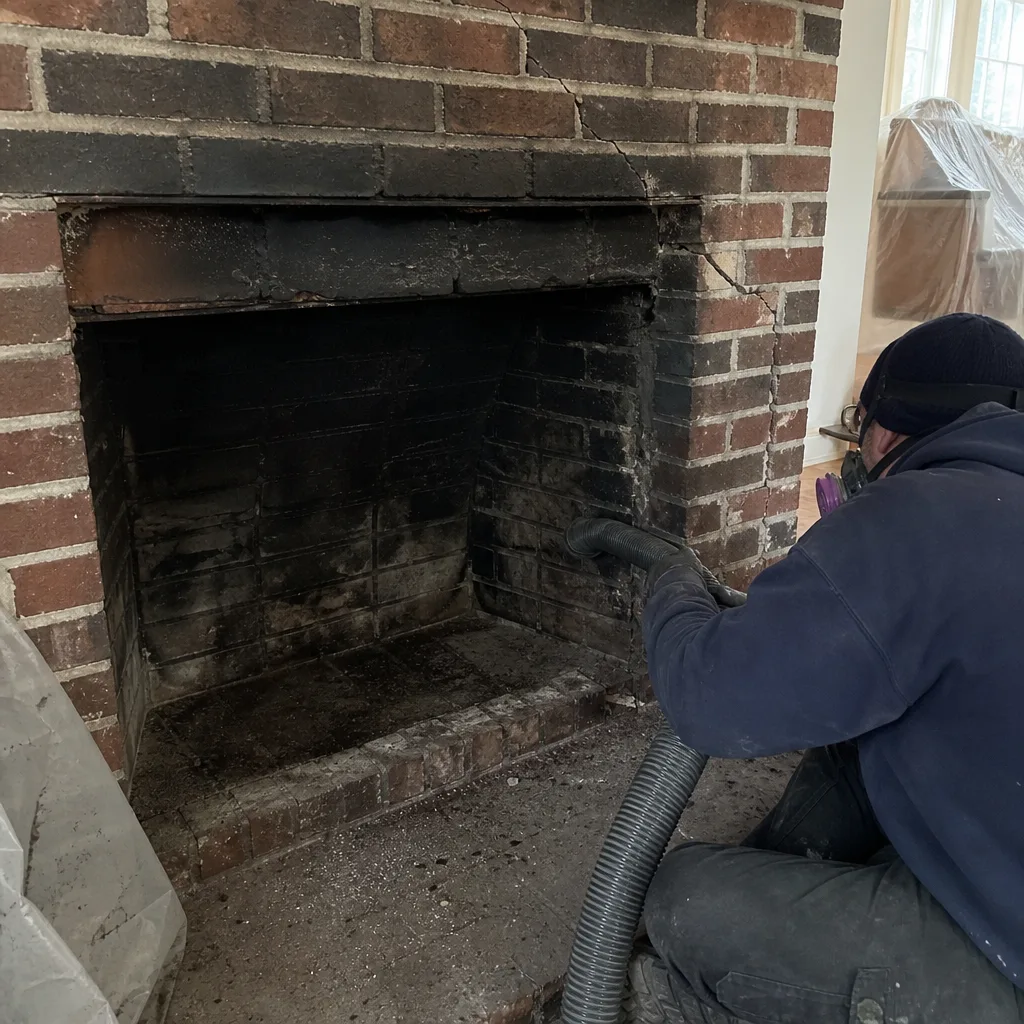 Before
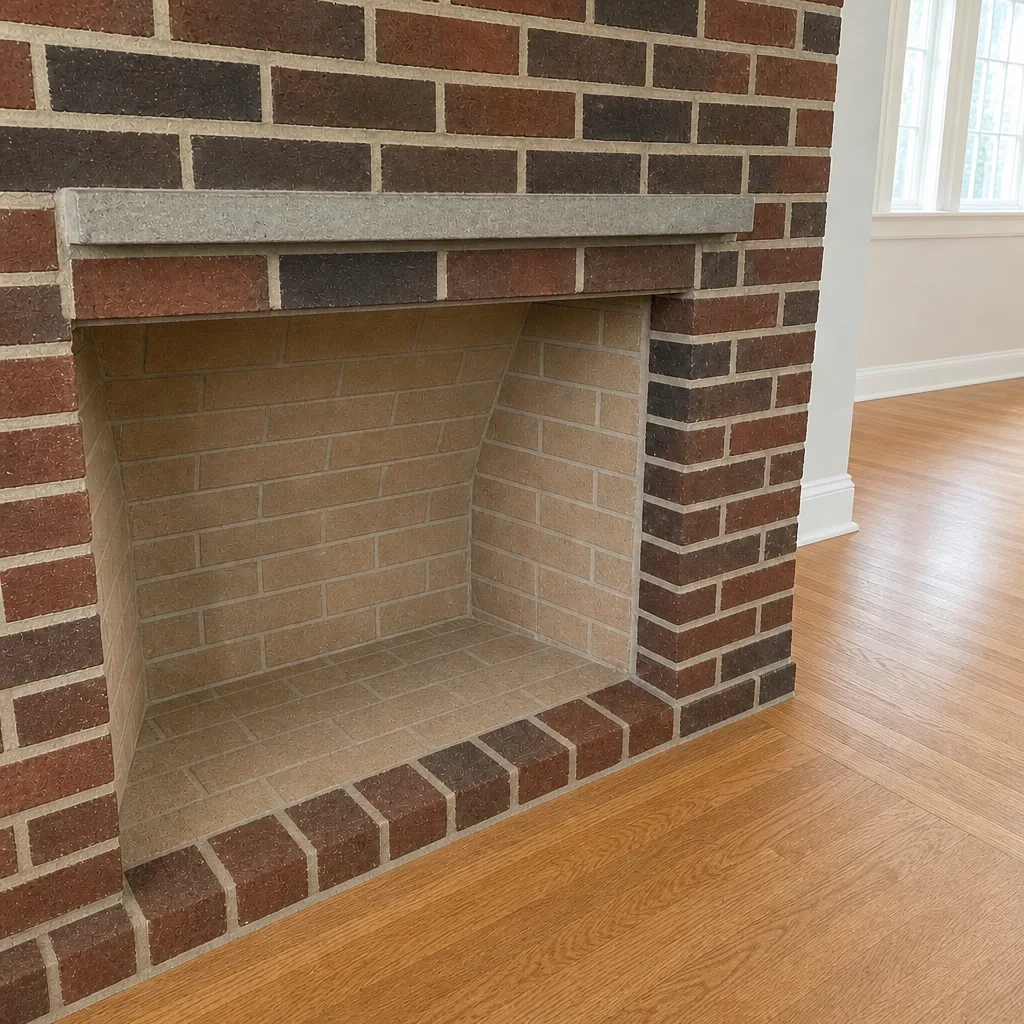 After
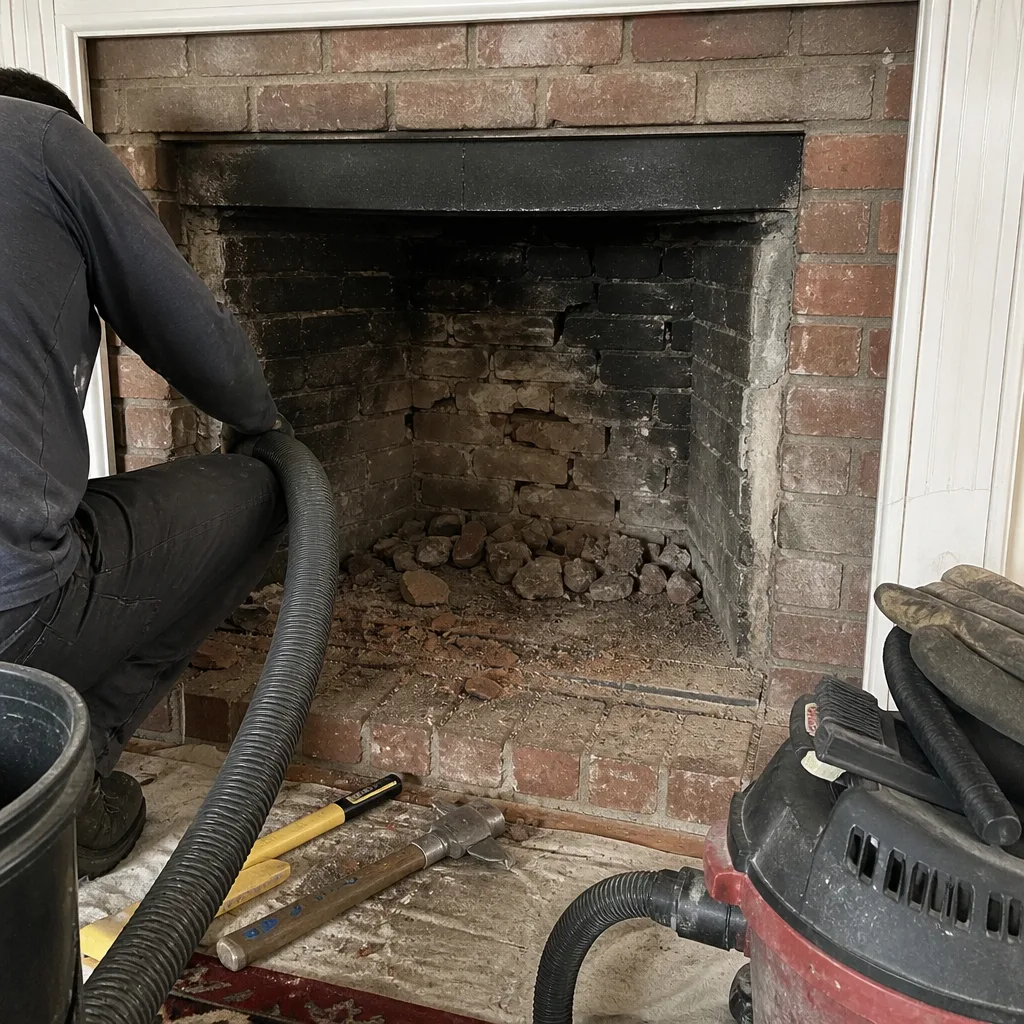 Before
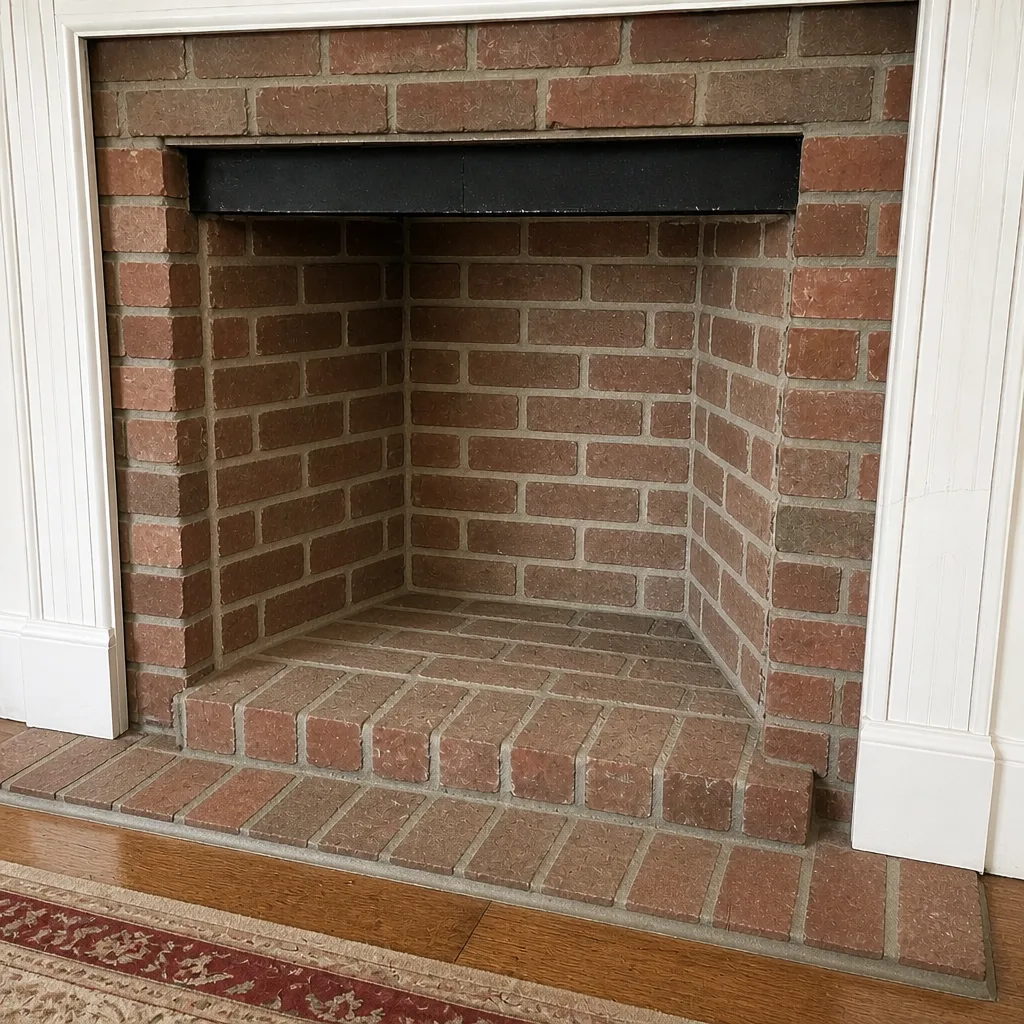 After
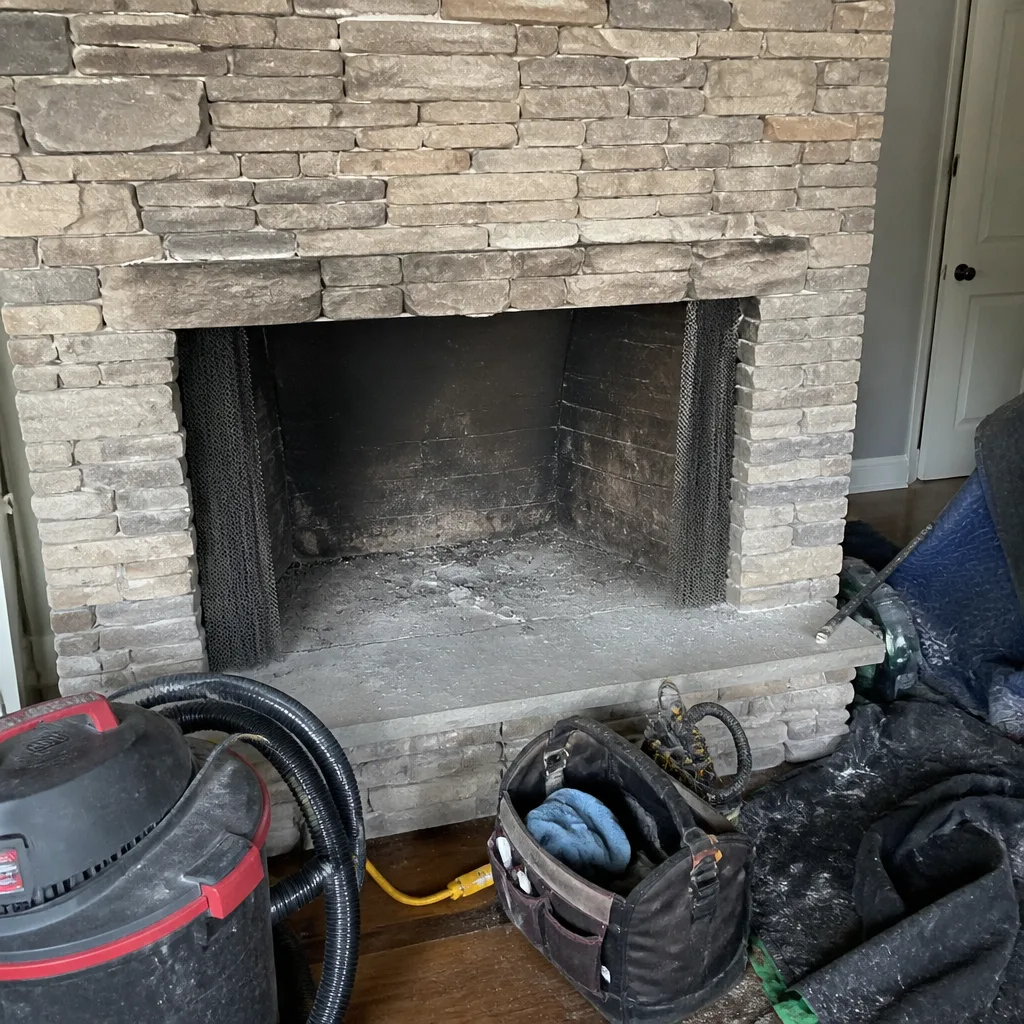 Before
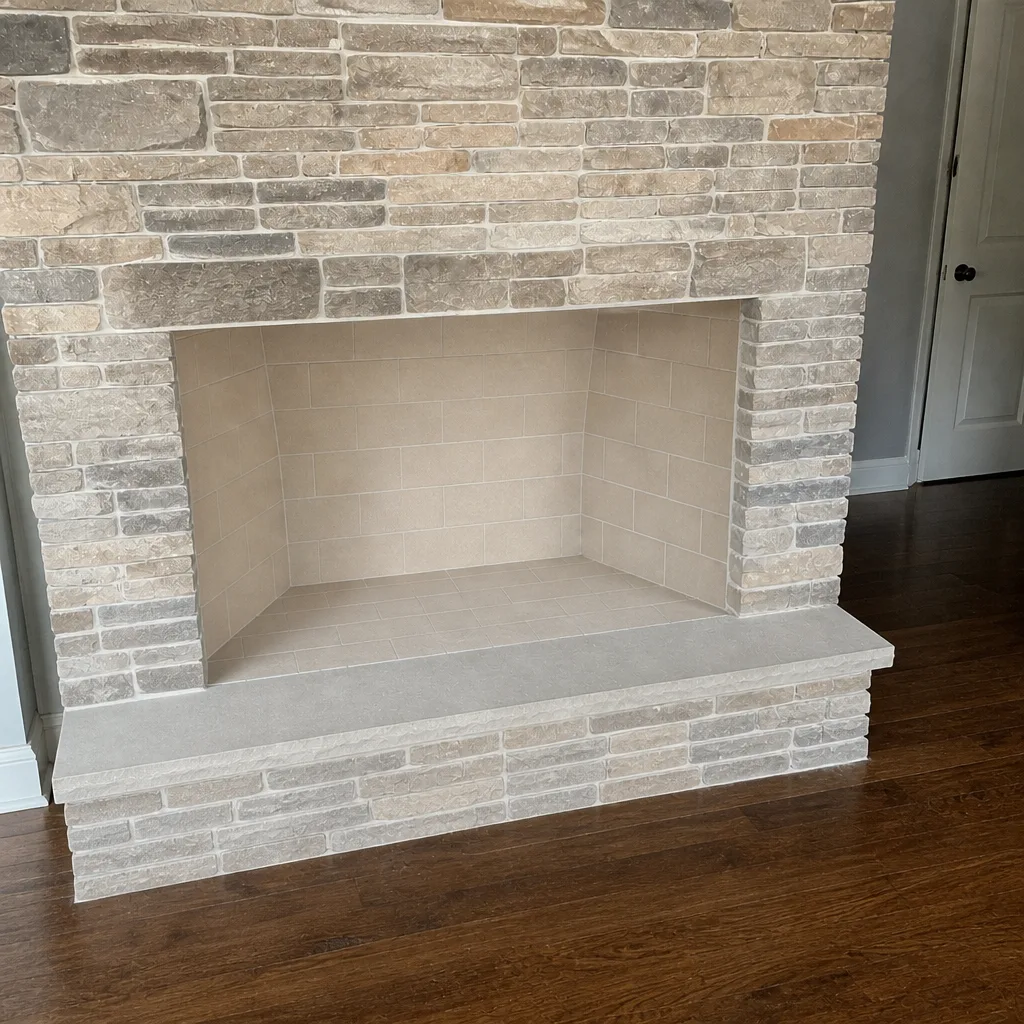 After
When to Call a Professional
Call us after any chimney fire, full stop. Call if you smell creosote in the house when the fireplace isn’t in use. Call if the damper sticks, the firebox shows cracked masonry, or smoke backs into the room. Call if it’s been more than a year since the last sweep, or if you’ve moved into a Charlotte home and don’t know the chimney’s history. Call if the dryer takes two cycles or the laundry room smells hot. These are all signs worth a professional look, and none of them should wait for the next burning season.
Charlotte Chimney Cleaning is equipped with HeatShield for resurfacing a deteriorating flue in place and DuraFlex for liner work, so the same crew that cleans your flue can repair what it finds. HeatShield lets us resurface damaged flue walls without tearing out and replacing the whole liner in many cases, and DuraFlex gives us a professional-grade stainless option when a full liner is the right call. No second contractor. No handoff. Charlotte Chimney Cleaning offers free estimates in Charlotte. Call (855) 412-0975. We answer 24/7. Fast dispatch from 7am to 7pm, Sunday through Friday.
Frequently Asked Questions
Get everyone out of the house and call 911 from outside. Close the glass doors and damper only if you can reach them without opening the firebox or entering a smoke-filled room, and never put water down the chimney. Wait outside for firefighters to clear the scene, then have the flue inspected before you burn again.
You often can’t tell from the hearth. Visible cracks in exterior masonry, a damaged crown, or smoke stains on the outside are warning signs, but cracked flue tiles and warped liners are usually only found with a camera inspection. Any chimney fire requires a professional inspection before further use, because unseen damage is what lets heat reach the wood framing.
Yes, and those are the dangerous ones. A slow fire can smolder out without anyone noticing, leaving cracked tiles and boiled creosote behind. Homeowners sometimes burn in that chimney for months without knowing it’s compromised. If you suspect any chimney fire, even a quiet one, get it inspected.
Homeowners policies in NC generally cover sudden accidental fire damage, but the claim goes smoother with documentation. Photograph the damage, keep the fire department’s report, and get a written inspection report describing the cause and the damage. Your insurer sets the coverage terms, so confirm the specifics with them.
Once a year for most homes that burn wood regularly, ideally before the burning season starts in late fall. Homes that burn heavily, burn unseasoned wood, or use the fireplace as a primary heat source may need it more often. The sweep is also your annual look inside the flue, which is how quiet damage gets caught early.
A chimney fire is confined to the flue or firebox; a house fire has spread into the structure. That’s why telling the 911 dispatcher “chimney fire, not house fire” matters, since it helps firefighters bring the right approach. A chimney fire can become a house fire if heat reaches the framing through a crack or a failed liner, which is why the post-fire inspection is not optional.
The Bottom Line
A chimney fire is fast, loud, and disorienting, and the response has to be automatic. Get out, call 911, tell them it’s a chimney fire, and don’t put water on it. Once it’s out, the job isn’t finished. The flue needs a professional inspection before anyone burns again, both for safety and for any insurance claim. The best emergency is the one that never happens, and in Charlotte that means an annual sweep, dry hardwood, hot fires instead of smoldering ones, and a look at the dryer vent while you’re at it. Charlotte Chimney Cleaning handles the sweep, the repair, and the dryer vent as one company, built around fire-hazard prevention rather than a once-a-year checkbox. If you’re due for a sweep or you’ve had a scare, call (855) 412-0975 for a free estimate. We answer 24/7. Fast dispatch from 7am to 7pm, Sunday through Friday, and we’re closed Saturday. Serving Charlotte and the surrounding neighborhoods with professional-grade materials, not big-box substitutes.
Written by the team at Charlotte Chimney Cleaning, serving Charlotte since 2018.