
Last updated November 14, 2026
 Sweep & inspection
 Caps & crowns
 Flue relining
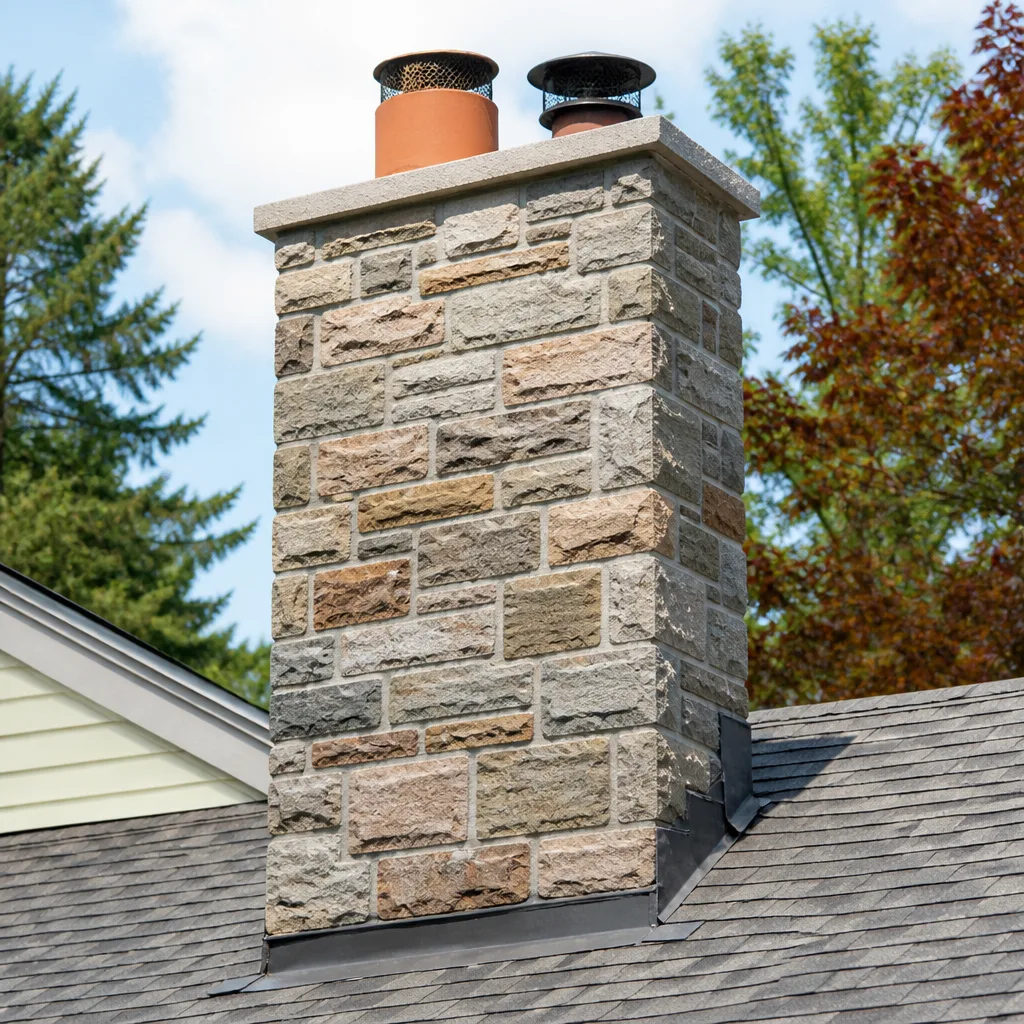 Masonry repair
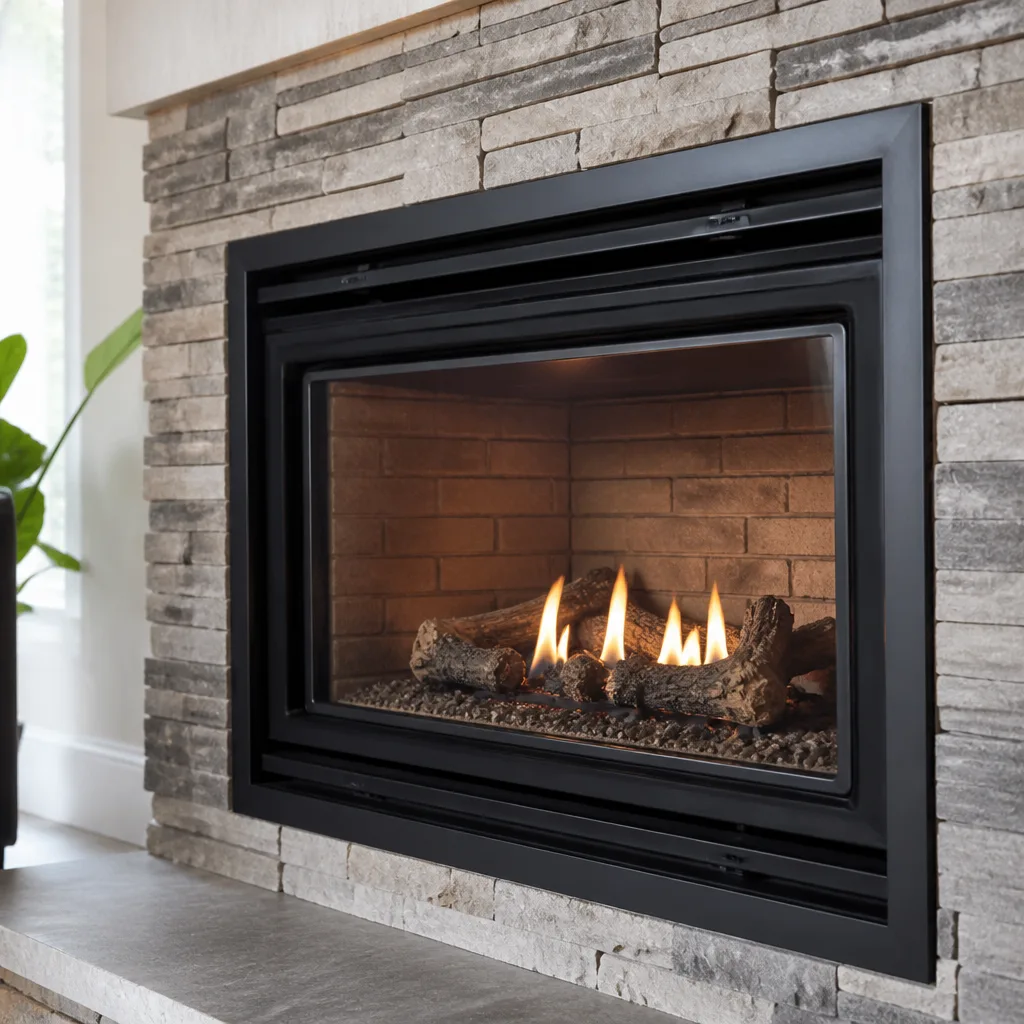 Gas fireplace service
Level 1 sweep and inspection to the NFPA 211 annual standard - flue, crown, cap, and flashing checked and photographed
Chimney sweep logs do not sweep chimneys. They loosen some creosote - which then falls where a brush and vacuum still have to collect it.
Seasonal Chimney Cleaning Care for Charlotte: Year-Round Homeowner’s Guide
Most homeowners treat a chimney sweep like a car inspection: one appointment a year, whenever they remember, and a stamp on the calendar that means everything is fine. In Charlotte, that approach quietly costs money. Our four seasons don’t treat a chimney the same way, and they don’t create the same problems in April that they create in August. The worst time to find out your flue has a bird nest or a cracked crown is the first cold night you light a fire in October, and that’s exactly when every sweep in the area is booked solid. This guide walks through what each season does to your chimney, when to schedule work so you aren’t waiting in line, and how to keep a simple maintenance log that turns chimney care into a system instead of a scramble.
Quick Answer
A chimney in Charlotte needs cleaning roughly once a year, but the right time to schedule it is late summer, before the fall rush, not the first cold week of October. Spring is for checking water damage after freeze-thaw, summer is the riskiest stretch for hidden moisture problems even with no fires burning, and winter calls for watching for warning signs mid-season. Build a seasonal routine and you’ll catch small repairs before they turn into liner replacement.
Styles & brands we work with
- Sweep & inspection
- Caps & crowns
- Flue relining
- Masonry repair
- Gas fireplace service
Table of Contents
- Why Chimney Care in Charlotte Isn’t a Once-a-Year Checkbox
- Spring: What to Inspect After the Burning Season Ends
- Summer: Charlotte’s Highest-Risk Season for Liner Corrosion
- Fall: The August to September Window That Beats the October Rush
- Winter: Mid-Season Signals That Mean Stop and Clean
- How to Build a Multi-Year Chimney Maintenance Log
- Common Mistakes to Avoid
- Frequently Asked Questions
Why Chimney Care in Charlotte Isn’t a Once-a-Year Checkbox
A chimney is a piece of masonry and metal sitting on the outside of your house, exposed to whatever the weather does. In Charlotte, that weather moves through four distinct phases. Winter brings long stretches of damp cold and repeated freeze-thaw cycles. Spring warms up fast and dumps rain. Summer runs hot and muggy for months. Fall dries out and cools down, and that’s when people start burning again. Each phase stresses a different part of the system.
A once-a-year sweep catches some of that. It misses the rest. The homeowner who understands the rhythm catches small problems while they’re still cheap to fix. The one who thinks of the chimney only in October tends to find out about damage when it’s already structural.
Here’s what a seasonal loop looks like in practice:
- Spring: water intrusion and freeze-thaw damage after the burning season
- Summer: humidity-driven corrosion on liners and dampers, even with no fires
- Fall: cleaning and inspection before the first burn, scheduled in August or September
- Winter: mid-season awareness, watching for creosote buildup and blockages while you’re actively burning
That’s the whole idea. Four checkpoints, each aimed at a real condition that Charlotte’s climate produces. The rest of this guide walks through each one in detail, and yes, we’re a Charlotte Chimney Cleaning company writing from the middle of it, so we’ll tell you what we see.
Spring: What to Inspect After the Burning Season Ends
Spring is the assessment season. You’ve just finished burning for the year, and the chimney has been through a full winter of heating and cooling, wet and dry, hot and cold. This is the point where damage from the previous few months shows up, and it’s the best time to catch it before summer humidity makes it worse.
Charlotte’s freeze-thaw cycle is the main culprit. Masonry absorbs water, and when that water freezes it expands. When it thaws it contracts, and the cycle repeats. Over a winter, that repeated expansion and contraction loosens mortar joints, opens hairline cracks, and works away at the crown at the top of the chimney. If your chimney is on an exterior wall without much protection, the effect is worse. Homes in older neighborhoods with original brickwork tend to show it first.
What to check after the burning season:
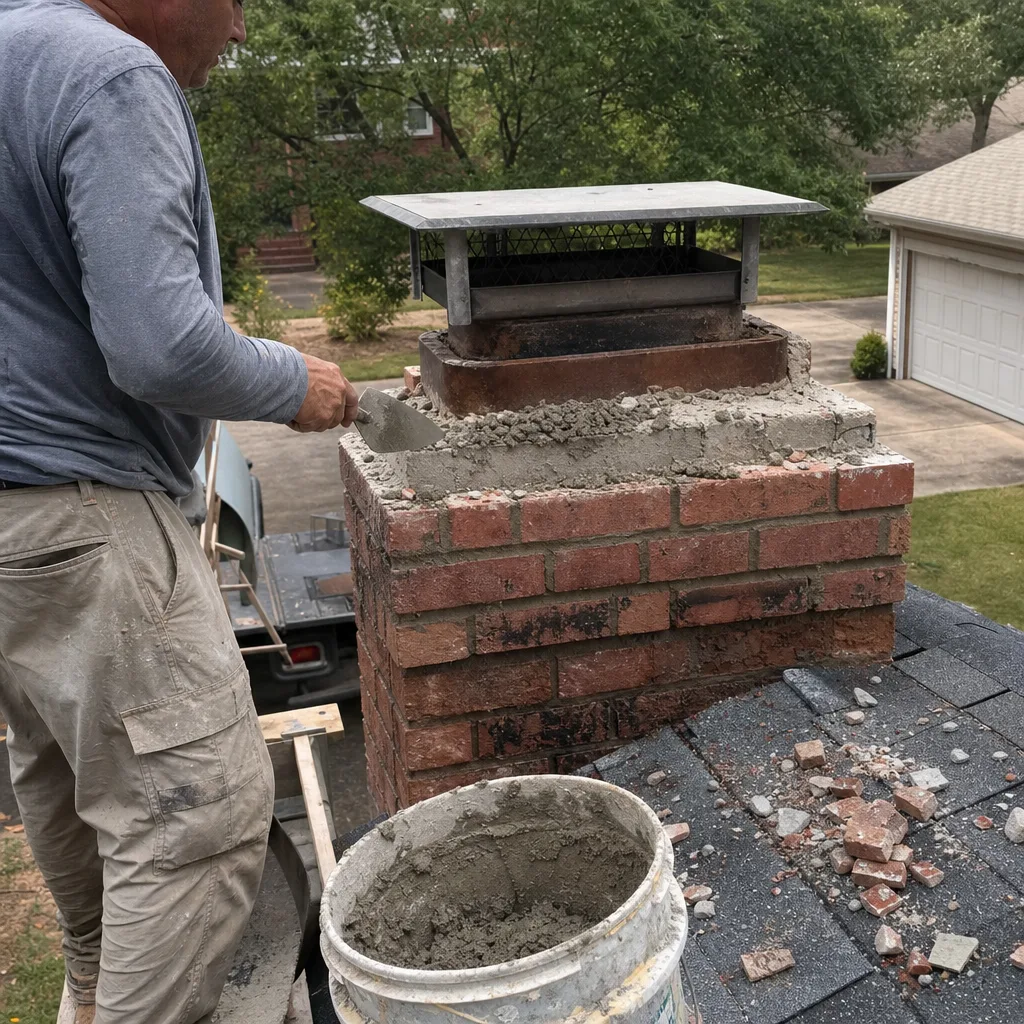
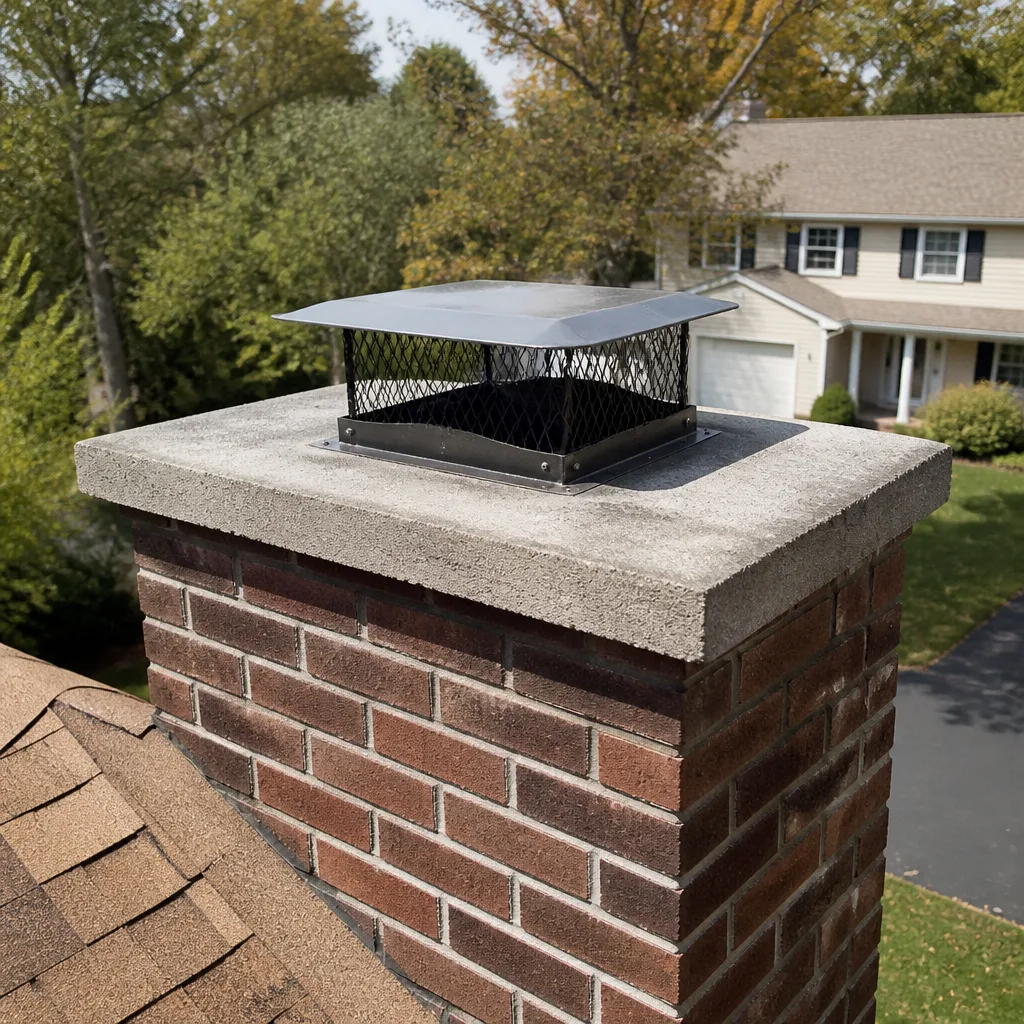
- The crown. That’s the sloped concrete top of the chimney. Look for cracks, flaking, or pieces missing. A cracked crown lets water straight into the flue.
- The flashing. The metal where the chimney meets the roof. Lifted, rusted, or missing sections are the most common source of chimney leaks.
- Mortar joints in the brickwork. Crumbly mortar means water is getting in, and it gets worse every season.
- The damper. Open and close it. It should move smoothly and seal. A rusted damper left open all spring lets humid air straight into the flue.
- The firebox. Look for cracked or loose firebrick. Small cracks can be repaired; a firebox falling apart is a hazard.
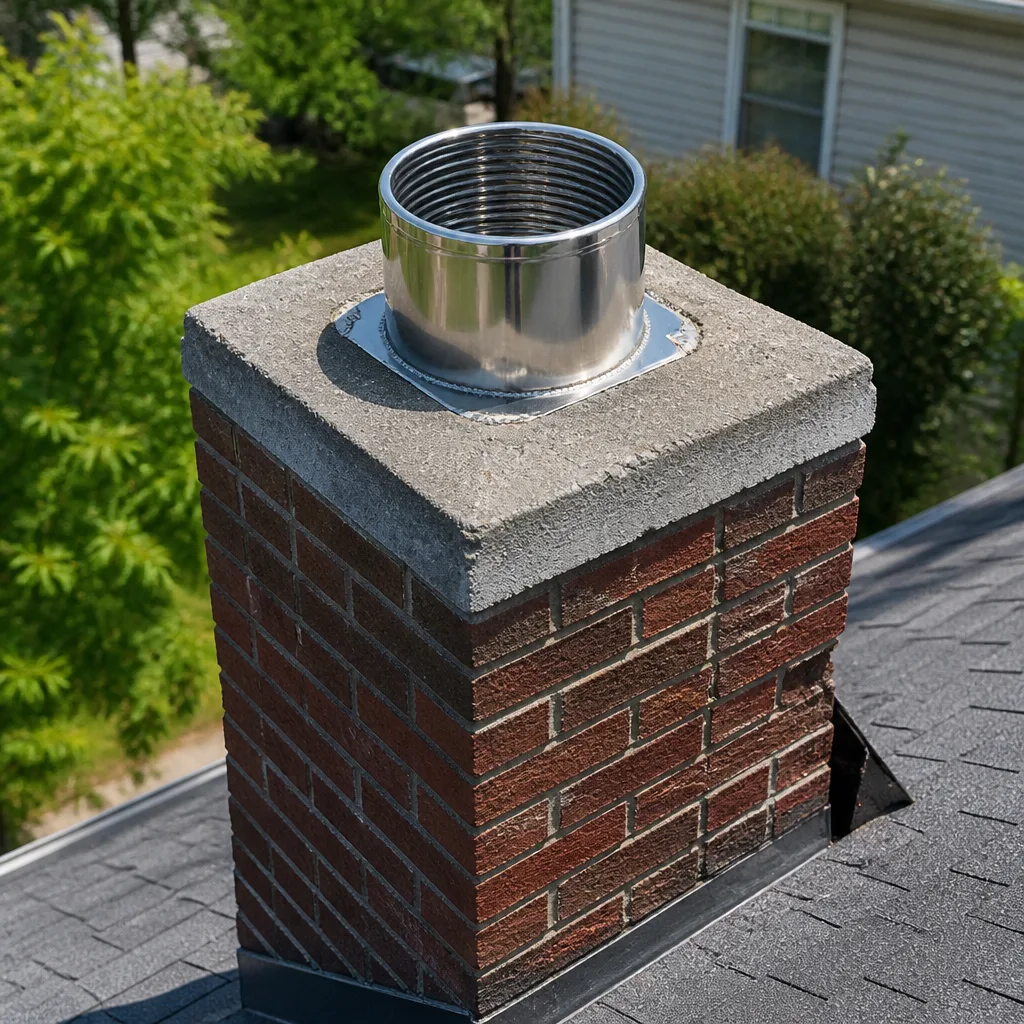
We use HeatShield for exactly this kind of work, resurfacing a deteriorating flue in place rather than tearing it out and replacing it. That matters because a lot of spring damage is still at the resurfacing stage, not the replacement stage. Caught early, the cost stays reasonable.
Summer: Charlotte’s Highest-Risk Season for Liner Corrosion
This is the part most homeowners don’t expect. Summer is when your chimney is doing the most damage to itself, and you’re not even lighting it. Charlotte’s humidity sits high for months, and a chimney is a column of masonry with a metal liner inside, open to the outside air at the top. Warm, wet air moves up and down the flue, condensing on cooler surfaces. Any creosote still clinging to the liner from last winter absorbs that moisture, turns acidic, and starts eating the metal from the inside.
That’s why we say spring cleaning matters: leftover creosote plus summer humidity is a combination that corrodes a liner faster than any single winter of burning. A flue that got brushed clean in spring comes through summer in much better shape than one that still had residue sitting in it.
Several things amplify the risk:
- An open damper. Keeping it open all summer lets humid air straight into the firebox and up the flue.
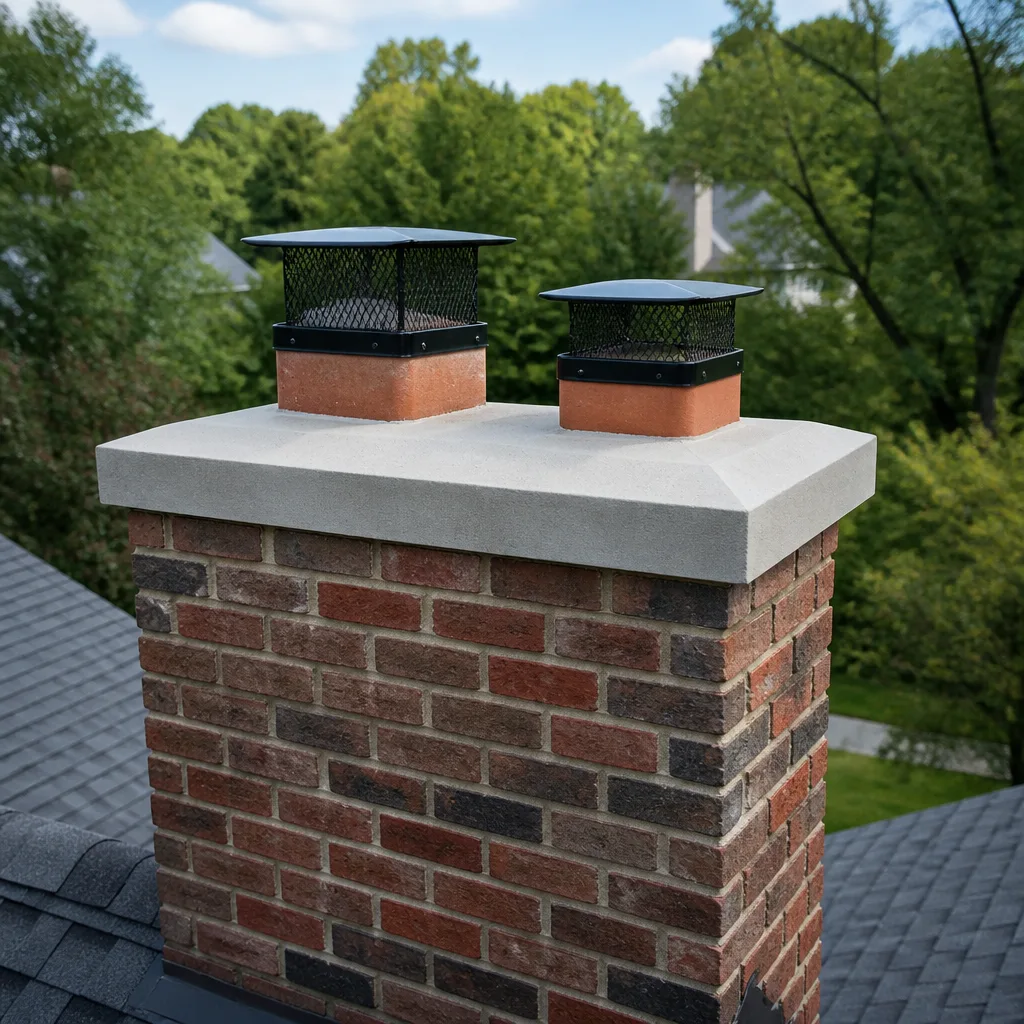
- A missing or rusted rain cap. The cap keeps rain and animals out. Without it, water goes in directly.
- A chimney on a shaded side of the house. Less airflow, more condensation.
- An unsealed flue on a fireplace you don’t use. A disused flue still collects moisture and still corrodes.
Summer is also the season for something less subtle: animals. Birds, squirrels, and raccoons like an open flue, and they’ll nest inside it happily through the warm months. Charlotte has plenty of tree cover and plenty of wildlife, and a nest in the flue is the most common reason a chimney won’t draw properly on the first cold night. A simple spring or summer inspection catches it long before you find out the hard way.
What to do in summer: close the damper when you aren’t burning, make sure the rain cap is intact, and book an inspection if you haven’t had one since last season. If you also have a gas appliance venting into the chimney, humid air and a corroding liner is a carbon monoxide concern, not just a repair cost. Get that checked by a trained professional. We don’t recommend poking around inside a flue yourself.
Fall: The August to September Window That Beats the October Rush
Here’s the practical advice that saves the most frustration. Book your chimney sweep in August or September, not October. In Charlotte, the first genuinely cold night tends to arrive in late October or early November, and that’s when the phone starts ringing. Everyone who hasn’t thought about their chimney all year suddenly wants an appointment in the same two-week window, and the schedule fills up fast. Book in late summer and you’re ahead of that entirely.
There’s a technical reason too. Creosote buildup from last season sits in the flue all summer unless it’s cleaned in spring. By fall, you want a clean flue so the first fire of the year burns safely, with a clear draft and no leftover deposits waiting to ignite. Fall is the season to do the pre-season inspection, clean anything that’s built up, and confirm the whole system is ready.
The fall checklist:
- Book the sweep and inspection in August or September, before the October demand.
- Test the draft with a small fire before you commit to a full evening burn.
- Check the damper opens and closes freely after a summer sitting shut.
- Confirm the cap and screen are intact and clear of summer debris.
- Stock dry firewood and store it well away from the house. Wet wood creates more creosote.
Charlotte’s fall is mild and dry compared to summer, which makes it the easiest time of year to get work done. The weather isn’t fighting you, and you’re not relying on a fireplace for heat yet. If a repair turns up during the inspection, like a worn liner or a cracked crown, you’ve got time to deal with it properly instead of rushing it before the cold arrives.
We stock DuraFlex and Olympia Chimney liners and use Gelco and Copperfield components where they’re the right fit. That means if the fall inspection finds a liner that needs replacing, we can handle it without sending you to a separate contractor.
Winter: Mid-Season Signals That Mean Stop and Clean
Once you’re burning regularly, the chimney is working hard. Buildup happens fastest during active use, and it doesn’t wait for a convenient time. Winter is when you need to know the warning signs that mean a cleaning can’t wait until spring.
Watch for these during active burning:
- A smoky smell inside the room when the fire is going, or smoke spilling into the room rather than up the flue.
- A fire that struggles to draw when it used to burn cleanly.
- Visible soot on the firebox or damper, or a heavy, flaky buildup you can see.
- A dull, hollow roar from the fire instead of the usual crackle, which can suggest a chimney fire has happened.
- Creosote that has glazed into a hard, shiny surface. Glazed creosote is the most flammable kind and needs professional removal.
If anything on that list shows up, stop burning and get it checked. A chimney fire is the reason a cleaning is worth doing. Creosote ignites at a lower temperature than people expect, and an obstructed flue can push carbon monoxide back into the house. Both are genuine hazards, but they’re both preventable with regular cleaning and inspection. We’re not telling you this to sell a service. We’re telling you because it’s the whole reason this work exists.
Never try to clean a flue or deal with a suspected chimney fire yourself. Chimney work involves heights, sharp tools, and a lot of invisible buildup. Get a trained professional to look. If the fire is active, get everyone out and call the fire department first.
Does your dryer sit far from the outside wall? We also handle dryer vent cleaning, which falls into the same fire-safety category. Lint buildup in a long run is a real ignition source, and it’s worth checking once a year alongside the chimney.
How to Build a Multi-Year Chimney Maintenance Log
A maintenance log turns seasonal care from a memory exercise into a system. You don’t need anything fancy. A notebook, a spreadsheet, or a folder of inspection reports all work. What matters is that you keep it and that you can hand it to any technician and let them see the history at a glance. Over three or four years, that history is worth more than any single inspection.
Here’s how to build one:
- Record every service date and what was done, whether it was a sweep, an inspection, or a repair. Note the technician or company.
- Photograph the findings each time. A photo of the flue interior, the crown, or the firebox, dated, gives you a comparison point next year. If we find damage, you’ll have photos of it, so you can see it and verify it yourself.
- Log repairs, including materials. If a liner was replaced with DuraFlex, note it. If HeatShield resurfacing was done, note that. The next technician needs to know what’s in the flue.
- Note the type of firewood and how much you burn. Different wood produces different amounts of creosote and changes how often a cleaning is due.
- Schedule the next service before the current one ends. Book the next season’s appointment while you’re standing there. That’s the single habit that keeps the loop running.
Over a few years, patterns emerge. You’ll see whether your chimney is holding up well or whether the same joint keeps cracking. You’ll know how fast creosote builds up with your particular burning habits, and you’ll stop guessing when it’s due. If you ever sell the house, a clear log is a real asset. Buyers and inspectors both appreciate it.
See the difference
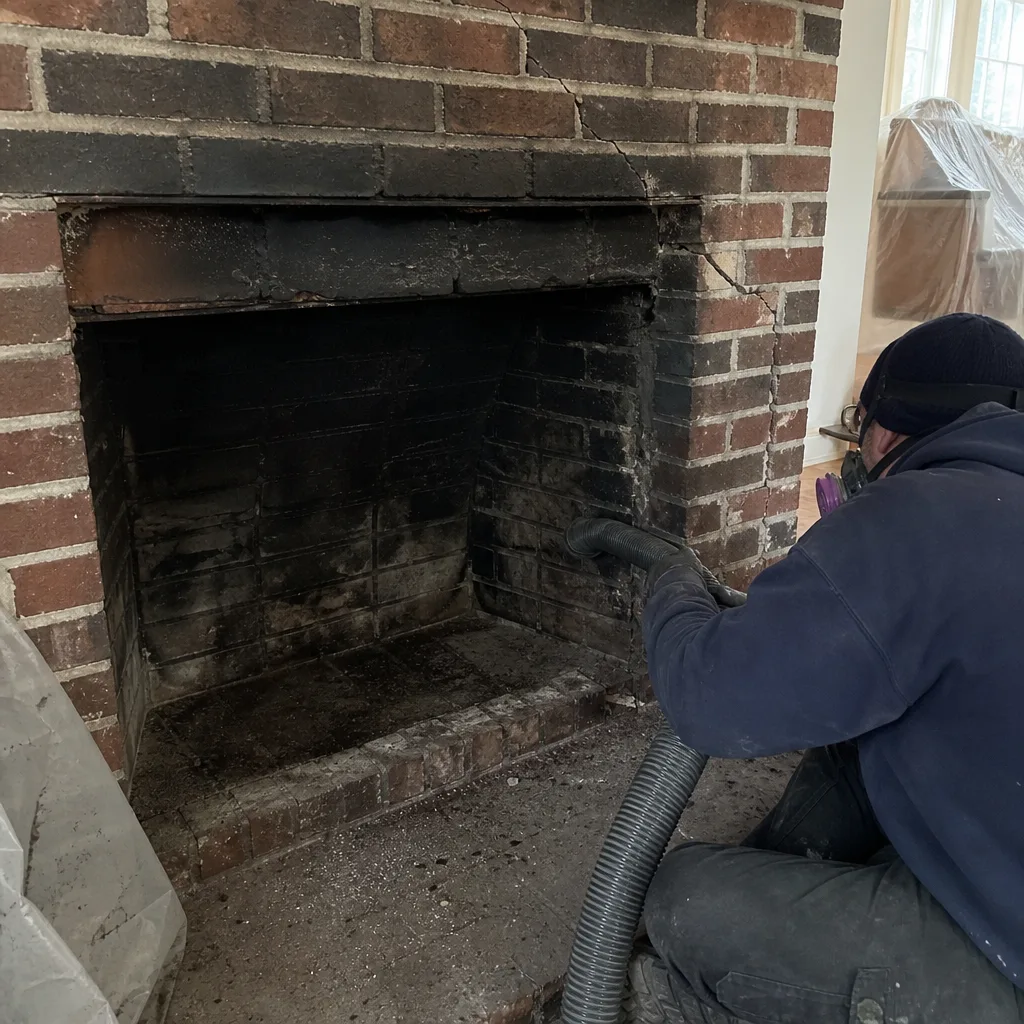 Before
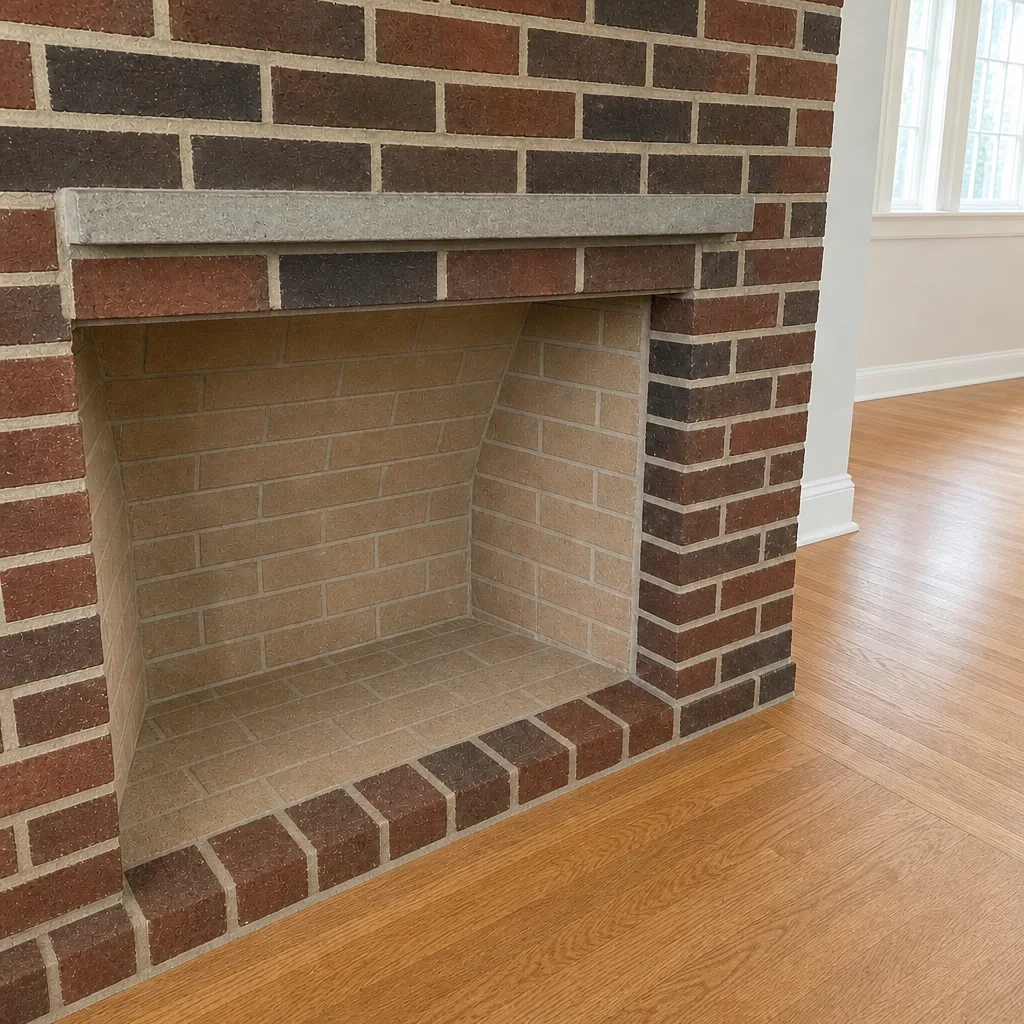 After
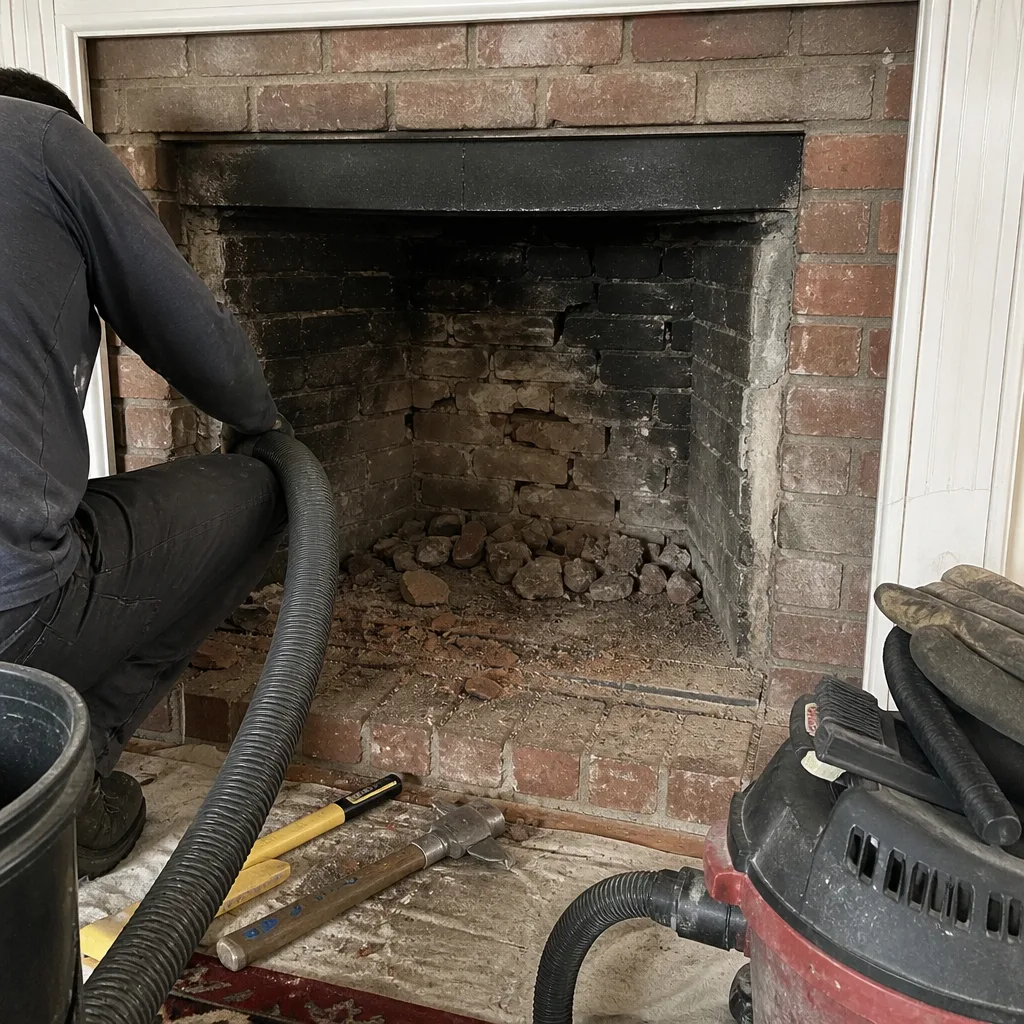 Before
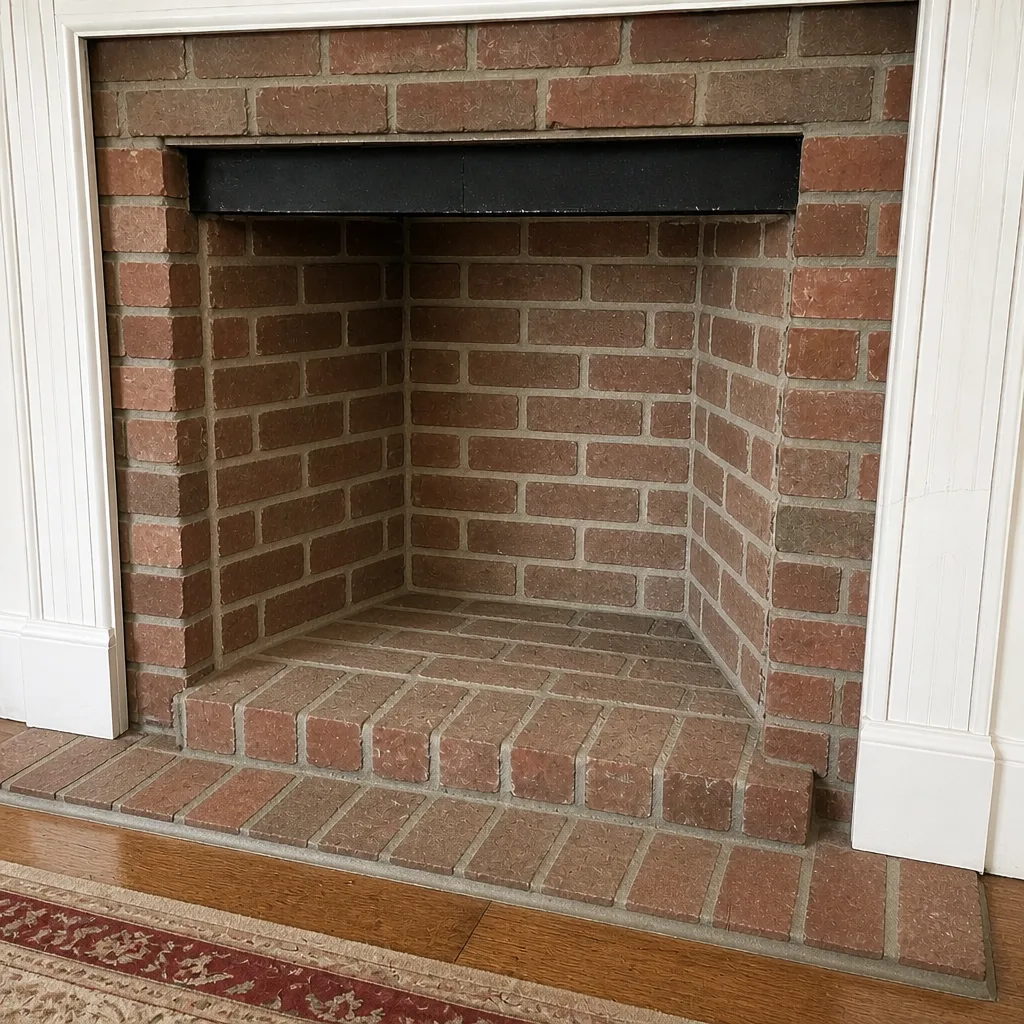 After
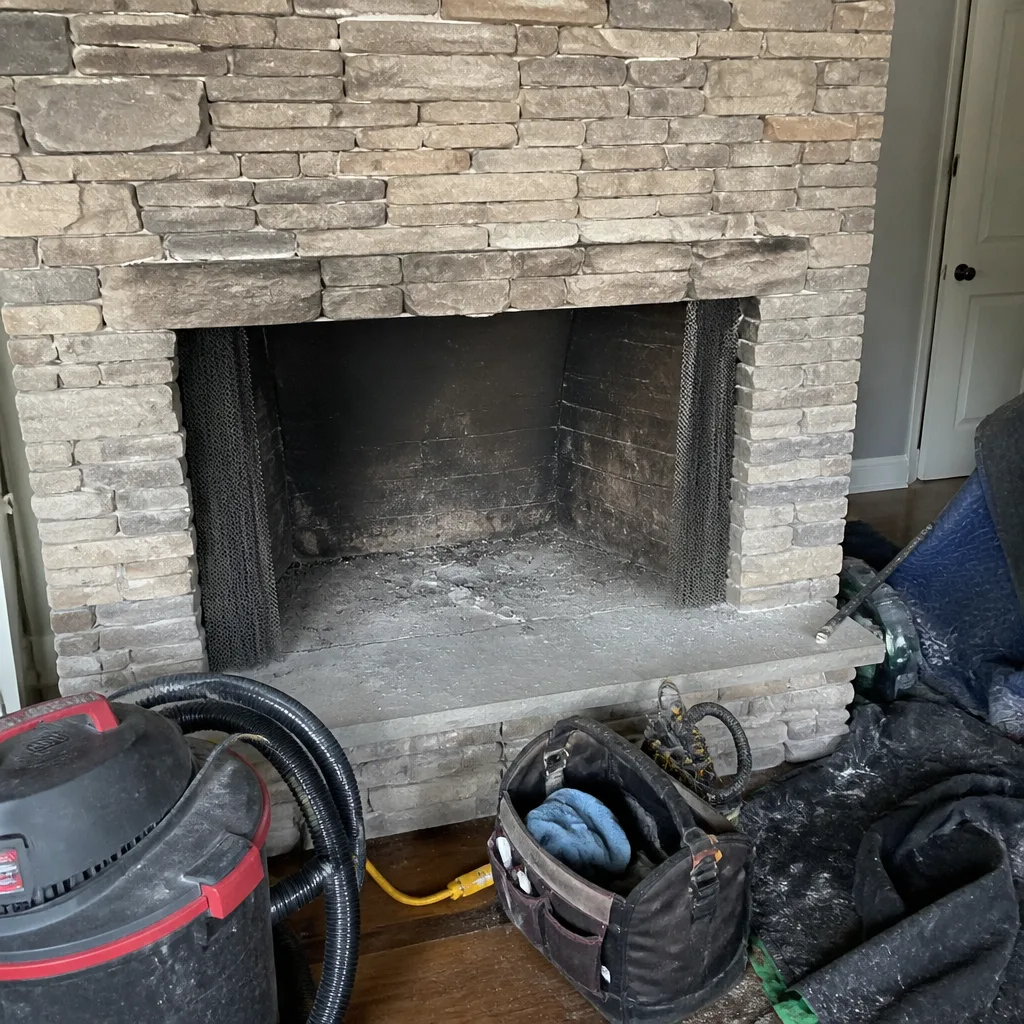 Before
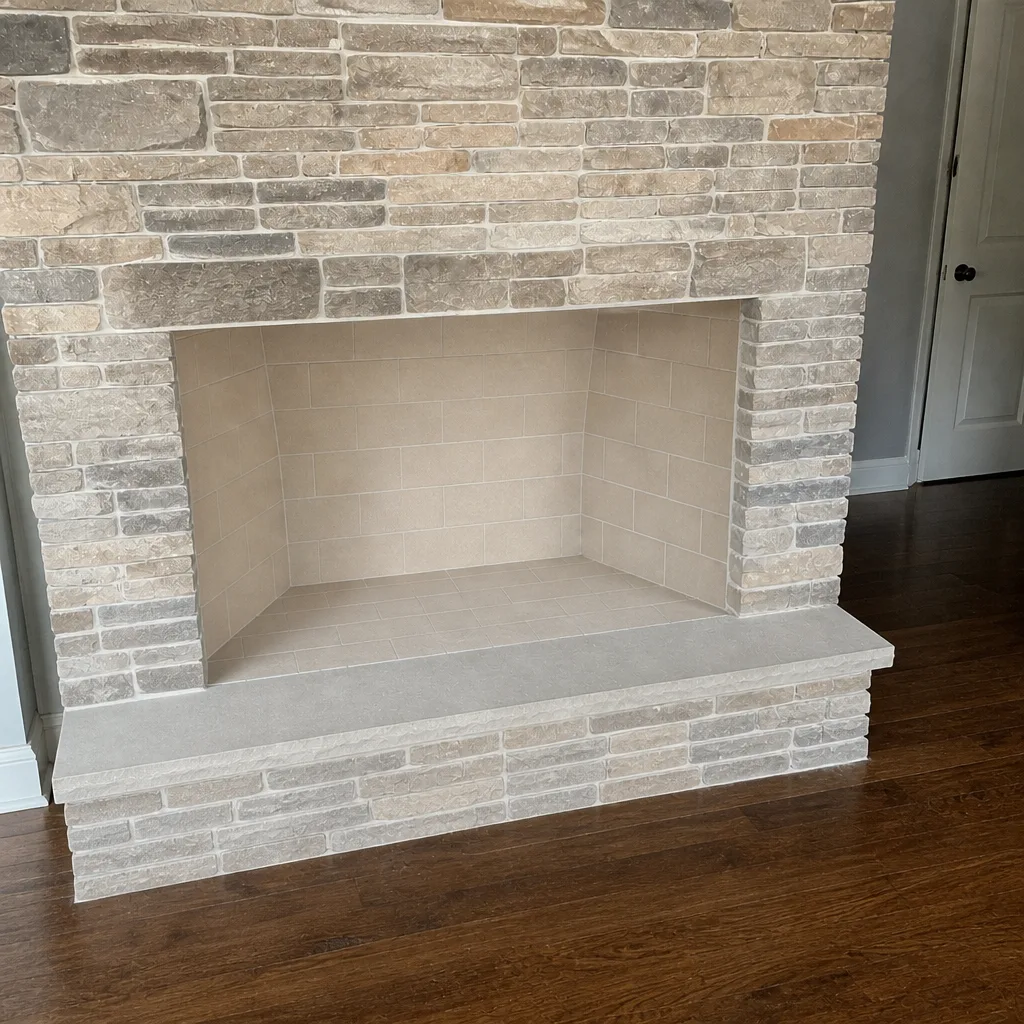 After
Common Mistakes to Avoid
- Skipping the spring check entirely. Waiting until fall to look at the chimney means a full winter’s worth of freeze-thaw damage goes unnoticed through summer, when humidity makes it worse.
- Leaving the damper open all summer. In Charlotte’s humidity, an open damper lets moist air straight into the flue and accelerates corrosion on the liner.
- Burning wet or unseasoned wood. Damp wood creates far more creosote than dry, and it’s the most common reason buildup gets heavy between annual cleanings.
- Ignoring winter warning signs. A smoky smell or a fire that won’t draw is a signal, not an inconvenience. Keep burning and you risk a chimney fire.
- Hiring a sweep-only service and then needing a repair. You end up with two contractors, a gap in accountability, and a second round of scheduling. One company handling inspection, cleaning, and repair avoids that.
- Never keeping records. Without a log, every season is a fresh guess about what was done last year and whether that crack is new.
- Assuming no fires means no problems. A disused flue still collects moisture, animals, and debris, and it still needs inspection. Unused chimneys are not automatically safe.
When to Call a Professional
Call a professional if you haven’t had the chimney inspected since last season, if you’re burning regularly and it’s been more than a year since a cleaning, if you see or smell any of the winter warning signs above, or if you’ve just moved into a Charlotte home and don’t know the chimney’s history. Call if the crown is cracked, the flashing is loose, or an animal has taken up residence. Call if you use a gas appliance venting into the chimney, because a corroding liner is a carbon monoxide concern. Don’t try to inspect or clean a flue yourself. Charlotte Chimney Cleaning offers free estimates in Charlotte. Call (855) 412-0975, and we’ll set you up on a seasonal schedule that fits your home.
Frequently Asked Questions
Roughly once a year for most homeowners, typically at the end of the burning season or in late summer before the next one. If you burn heavily, you may need it more often. The right timing depends on how much you burn and how much creosote builds up, which an inspection reveals. Call (855) 412-0975 for an exact quote; estimates are free.
August or September, before the October rush. The first cold night of the season is when everyone else books, and the schedule fills fast. Booking in late summer means you’re ahead of the demand and have time to handle any repairs the inspection turns up before you need the fireplace. Call (855) 412-0975 to lock in a slot.
Not every chimney needs a liner, and a worn one can often be resurfaced instead of replaced. HeatShield resurfacing restores a deteriorating liner in place, which is far less work than a full replacement. Insist on seeing the evidence, like photos of the flue interior, before you agree to anything. We won’t recommend a liner without showing you why. Call (855) 412-0975 to get an honest assessment.
Yes. Charlotte’s summer humidity is high for months, and warm, wet air moving through the flue condenses on cooler surfaces. Any leftover creosote absorbs that moisture, turns acidic, and corrodes the liner from the inside. A disused flue still needs a spring or summer inspection. Call (855) 412-0975 to schedule one.
Creosote builds up in the flue until it becomes flammable, and an obstructed flue can push carbon monoxide back into the house. Both are real hazards, not just maintenance issues. A regular cleaning and inspection catches buildup before it becomes dangerous. Call (855) 412-0975 for a free estimate.
We handle both. Dryer vent cleaning is a fire-safety measure, and a long lint-filled run is a genuine ignition source. We clean dryer vents with Famco-compatible components as part of the same appointment if you want. If you’re in Charlotte and want both checked, call (855) 412-0975.
The Bottom Line
Chimney care in Charlotte isn’t a once-a-year appointment. Spring is for assessing freeze-thaw and water damage after the burning season. Summer is the highest-risk stretch for liner corrosion, even with no fires, because of the humidity. Fall, specifically August and September, is the window that beats the October rush. Winter is when you watch for warning signs during active use. Build a maintenance log with dates, photos, and repair records, and the whole thing becomes a system you can hand to any technician. That rhythm is what keeps small problems from becoming liner replacements. One call covers your chimney and your dryer vent, and we repair what we find. Call (855) 412-0975 for a free estimate. We answer 24/7. Fast dispatch, 7am-7pm.
Written by the team at Charlotte Chimney Cleaning, serving Charlotte since 2018.