
Last updated November 14, 2026
 Sweep & inspection
 Caps & crowns
 Flue relining
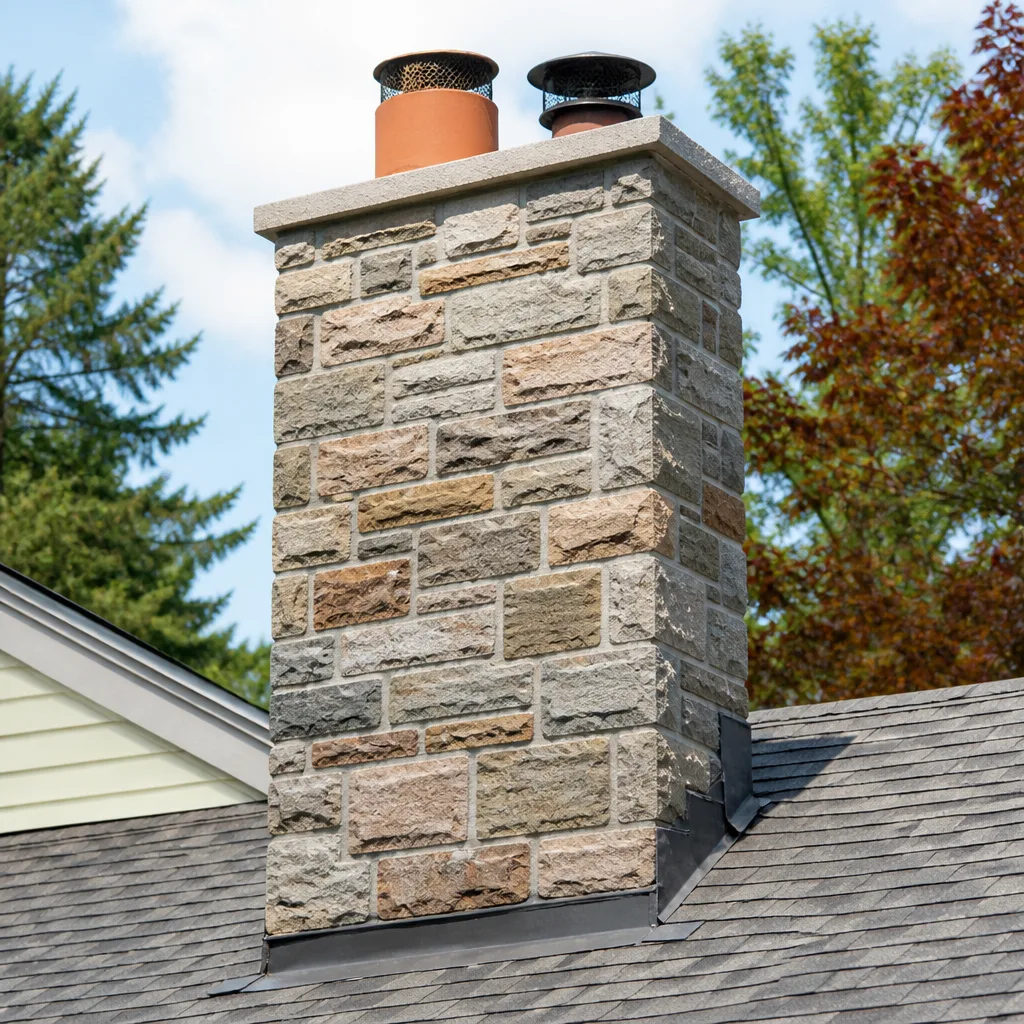 Masonry repair
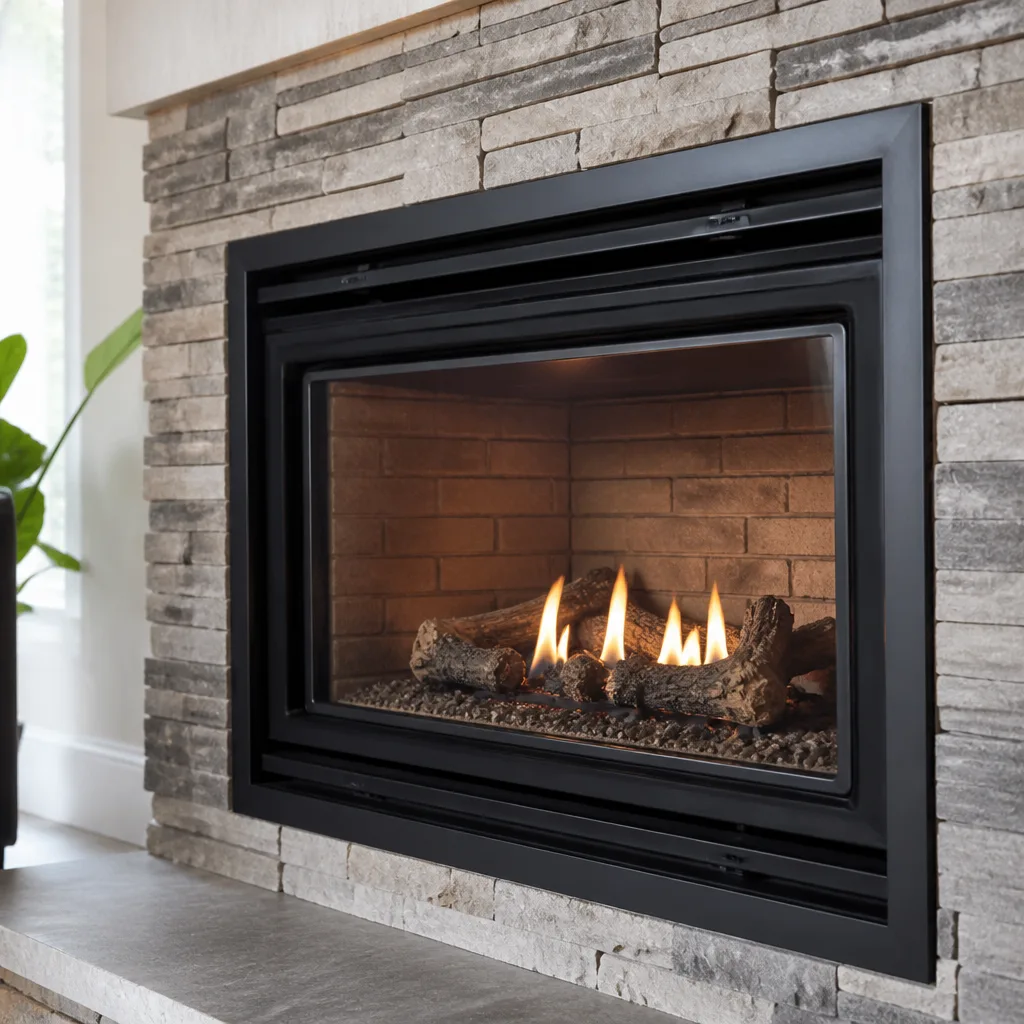 Gas fireplace service
Level 1 sweep and inspection to the NFPA 211 annual standard - flue, crown, cap, and flashing checked and photographed
Chimney sweep logs do not sweep chimneys. They loosen some creosote - which then falls where a brush and vacuum still have to collect it.
Chimney Sweep Maintenance Schedule: What to Do and When
Most homeowners book their chimney sweep in October, right when the first cold snap hits and every company in Charlotte is booked solid for weeks. That timing is understandable, but it’s backwards. The best time to have your chimney checked and cleaned is June through August, when the weather is warm, schedules are open, and problems found in summer can be fixed long before you need the fireplace. A single annual sweep is the minimum, not the whole picture. This guide maps out a full maintenance calendar for Charlotte’s climate, separates what’s annual from what’s occasional from what’s triggered by an event, and shows you how to fold your dryer vent into the same schedule so both of your home’s fire risks stay covered.
Quick Answer
Get your chimney swept and inspected once a year, ideally between June and August, before the burn season starts. Add a Level 2 inspection with a video scan every 3 to 5 years. Clean your dryer vent every year, and treat both jobs as fire-hazard maintenance rather than optional upkeep. Any chimney fire, lightning strike, or home purchase means an inspection right away, regardless of the calendar.
Styles & brands we work with
- Sweep & inspection
- Caps & crowns
- Flue relining
- Masonry repair
- Gas fireplace service
Table of Contents
- Why Timing Matters in Charlotte
- Your Month-by-Month Maintenance Calendar
- Annual Tasks: Sweep and Level 1 Inspection
- Every 3 to 5 Years: Level 2 Inspection With Video Scan
- Event-Triggered Inspections: Fire, Lightning, and Home Purchase
- What Summer Storms Do to an Uncapped Chimney
- Folding Your Dryer Vent Into the Same Schedule
- Do-This-Now Signs That Override the Calendar
- Common Mistakes to Avoid
- When to Call a Professional
- Frequently Asked Questions
Why Timing Matters in Charlotte
Charlotte’s climate is the reason a generic national maintenance schedule doesn’t quite fit. Winters are mild, but they still involve enough fireplace use to build up creosote. Summers are long, hot, and humid, with regular afternoon thunderstorms that hammer the exterior of your chimney. That combination means your chimney faces two different threats in the same year: fire risk from what’s inside the flue during burn season, and water and moisture damage working on the masonry through the wet months.
A June sweep catches both. The flue gets cleared of last season’s creosote, and the technician has a look at the crown, cap, and mortar while the weather is favorable for any repair work. If something needs attention, there’s time to schedule it before fall. Book in October, and you’re doing the same work under pressure, often waiting weeks for an appointment, and sometimes discovering a problem you now have to fix during the exact season you wanted to use the fireplace.
In our experience serving Charlotte, the homeowners who get the most out of their annual visit are the ones who treat it as a summer appointment, not a fall scramble. It’s a small shift in habit with a real payoff: you go into burn season knowing your system is clear and sound, not hoping it is.
There’s also a practical reason summer works well for scheduling. The service window is wider, the weather lets repair work proceed without complications, and you’re not competing with everyone else who just remembered their chimney exists. When the flue needs resurfacing, we can handle it with HeatShield in the same visit window rather than sending you to find a separate mason.
Your Month-by-Month Maintenance Calendar
Here’s how a full year of chimney and vent care looks for a typical Charlotte home with a wood-burning fireplace or gas insert. Think of it as a rhythm, not a rigid set of dates. The point is to do the right task in the right season so nothing piles up.
- March through May: The burn season winds down. As you use the fireplace less, note anything you noticed over the winter: smoke rolling into the room, a draft that felt weak, soot stains near the firebox. This is the list you’ll bring to your summer appointment.
- June through August: The core window. Schedule your annual chimney sweep and Level 1 inspection. Add a dryer vent cleaning to the same appointment. If the inspection turns up moisture damage, cracked mortar, or a failing cap, get it repaired now while the weather cooperates and schedules are open.
- September: A quick pre-season check before the first fire. Confirm the damper opens and closes cleanly, the cap is intact, and there’s no obvious debris or animal nesting in the firebox. This is a look, not a cleaning.
- October through February: Burn season. Use the fireplace, keep an eye out for changes in draft or smell, and don’t schedule heavy maintenance during the busiest weeks of the year. If something goes wrong, that’s an event-triggered call, not a calendar item.
One thing to understand about the calendar: it’s built for a home that uses its fireplace through a normal winter. If you burn fires most nights from November to February, you may need more than one sweep a year, because creosote builds faster with heavier use. If you light a fire a handful of times a season, the annual sweep still holds, but the inspection matters just as much because the chimney can sit neglected between uses. A gas insert changes the creosote picture but not the schedule: the flue, venting, and exterior still need an annual look.
Annual Tasks: Sweep and Level 1 Inspection
Once a year, every chimney should get a cleaning and a Level 1 inspection. A Level 1 inspection is a visual check of the readily accessible parts of the chimney and venting system: the firebox, damper, flue from the top and bottom where accessible, the cap, the crown, and the exterior masonry. It doesn’t involve a camera or dismantling anything.
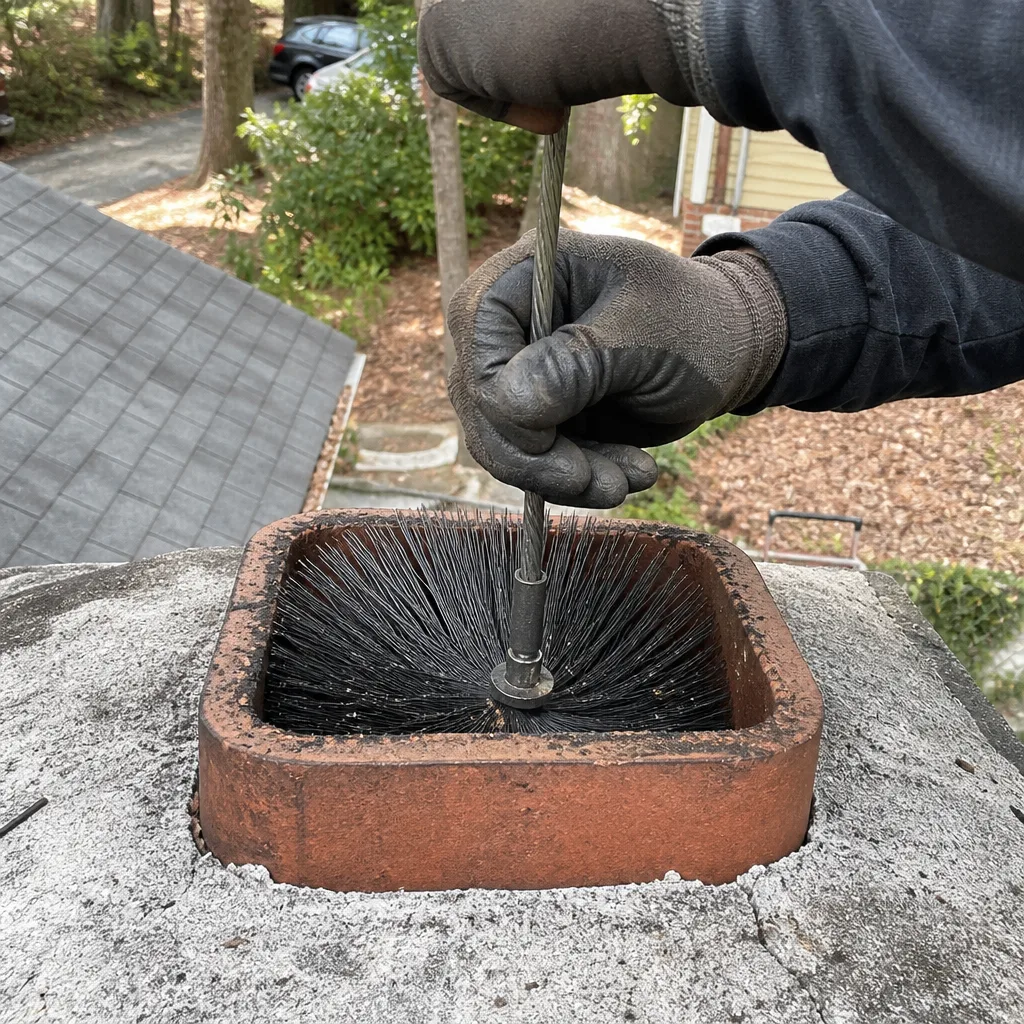
The sweep itself removes creosote, soot, and any blockages. Creosote is the residue left behind by burning wood, and it’s the main fuel source in a chimney fire. It builds up in layers that range from light soot to a hardened, glazed deposit that’s difficult to remove and highly flammable. A professional sweep uses the right brushes and tools for your flue type, whether that’s a masonry flue or a metal liner made by a brand like DuraFlex or Olympia Chimney. Big-box brushes and improvised tools can damage liners, so the equipment matters.
During the same visit, the technician checks for the things that tend to fail first:
- Cracks or gaps in the flue lining
- A damaged or missing chimney cap
- Cracked crown, which lets water into the masonry
- Deteriorating mortar joints
- A damper that doesn’t seal or open smoothly
- Signs of animal nesting or debris
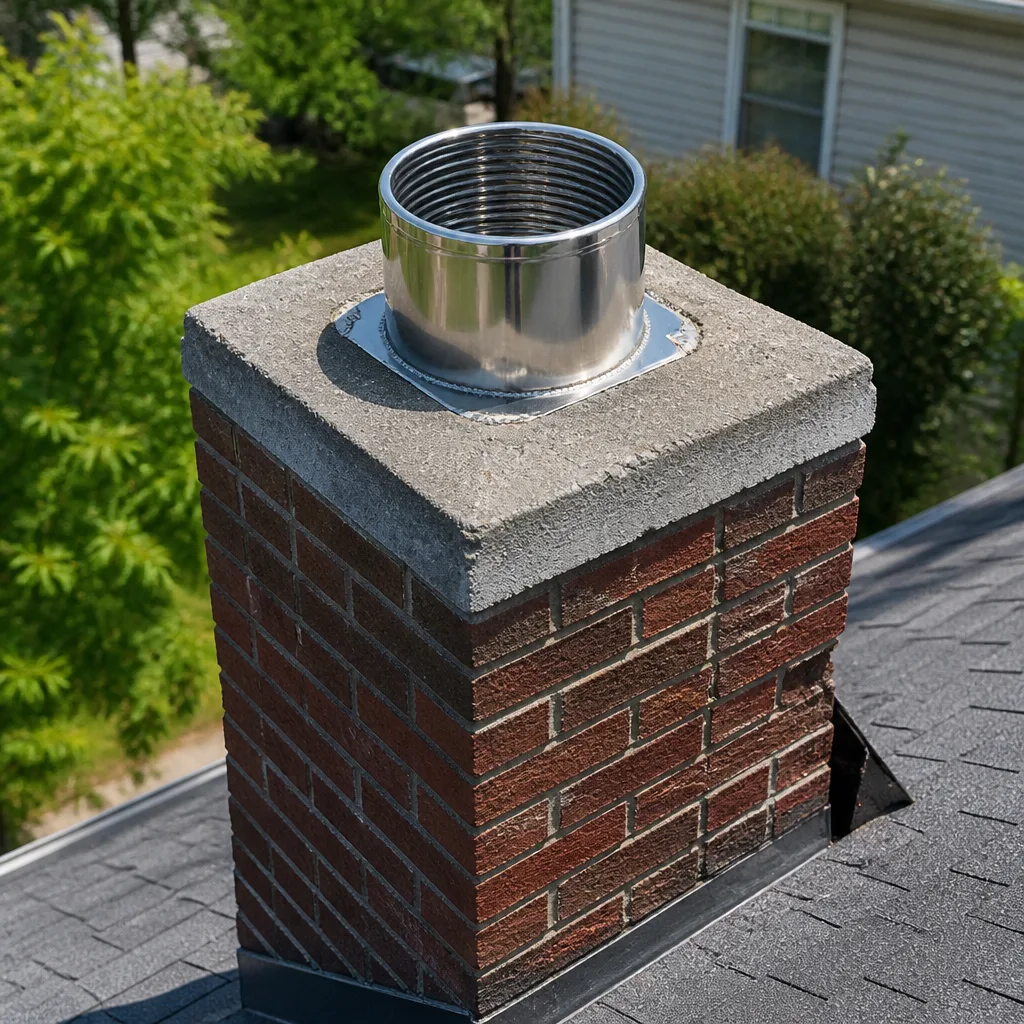
If the inspection finds loose or crumbling mortar in the flue, that’s where repair capability matters. Instead of handing you off to a mason and a separate appointment, we can resurface the flue in place with HeatShield and address the deterioration before it becomes a bigger job. One crew, one visit, one point of accountability. That’s a meaningful difference from a sweep-only service, and it’s a big part of why we stock professional-grade materials rather than working around what a hardware store happens to sell.
Every 3 to 5 Years: Level 2 Inspection With Video Scan
Every three to five years, add a Level 2 inspection. A Level 2 goes further than the annual visual check: it includes a video scan of the flue interior, which lets the technician see cracks, gaps, and deterioration that can’t be spotted from the top or the firebox. It’s the difference between looking at the outside of a pipe and looking inside it.
Level 2 inspections are also the standard whenever there’s a change to the system. A new appliance, a change in fuel type, a liner replacement, or a home sale all call for one. The video scan gives you something concrete: an actual picture of the inside of your flue, not a verbal assurance. That matters if you’ve ever been told you need expensive liner work and had no way to verify it. With a video scan, you see what the technician sees.
For Charlotte homes, the three-to-five-year window lines up well with the summer maintenance visit. When you book your sweep in June, ask whether it’s a Level 2 year. If it is, the video scan can happen in the same appointment, and any findings can be scheduled for repair while the weather and the calendar are both in your favor.
Between Level 2 inspections, the annual Level 1 check is your early warning system. It won’t catch everything a camera would, but it catches the visible problems: a cracking crown, a loose cap, spalling brick, or a flue that looks compromised from the top. Those small findings are what you want to know about before they turn into a Level 2 surprise.
Event-Triggered Inspections: Fire, Lightning, and Home Purchase
Some inspections aren’t about the calendar at all. They’re triggered by an event, and they override whatever schedule you’ve been keeping. Knowing these triggers helps you respond correctly instead of waiting until your next annual appointment.
- A chimney fire. Even a small one can crack a flue liner or damage mortar. If you’ve had a chimney fire, get an inspection before you use the fireplace again. Don’t assume it was minor because it sounded minor.
- A lightning strike. A strike on or near the chimney can crack masonry and damage the liner or cap. Any strike on the home warrants a look at the chimney and venting.
- Buying a home. A home purchase is the most common reason for a Level 2 inspection. You want to know the condition of the chimney before you own the problems. If you’re buying in Charlotte, this belongs on your inspection list alongside the roof and HVAC.
- A change to the system. Replacing a fireplace insert, switching fuel types, or installing a new liner all call for a Level 2 inspection before the system goes into use.
- Storm or impact damage. Hail is uncommon in Charlotte, but high winds and falling limbs during summer storms do happen. After a serious storm, check the cap and the exterior masonry for visible damage.
Event-triggered inspections aren’t about selling you something extra. They’re about making sure a known event didn’t leave a hidden problem in the flue. Skip the inspection after a chimney fire or a lightning strike, and you’re trusting a system you have reason to doubt.
What Summer Storms Do to an Uncapped Chimney
Charlotte’s summer storm season is the quiet argument for a summer inspection. An uncapped chimney is essentially a hole in the roof pointing at the sky. When the afternoon thunderstorms roll through, rain goes straight down the flue. Over a summer, that moisture does real damage that isn’t visible from the living room.
Water intrusion is the start. It soaks into the masonry and the mortar. When temperatures swing and the moisture freezes and thaws, the brick can spall, which means the face of the brick flakes and breaks away. Mortar joints decay faster when they stay wet, and a cracked crown lets water in at the top, where the damage is easiest to miss and most expensive to fix. All of this compounds: a small crack or a missing cap in June becomes deteriorated mortar and spalling brick by the following spring.
An inspection during the summer catches these problems at the point when they’re still small. A cap can be replaced, a crown repaired, and deteriorating joints addressed before the next wet season. That’s the structural reason the June-to-August window is optimal: you’re inspecting after the spring rains and before the heaviest summer storms, and you’re leaving time to fix what you find.
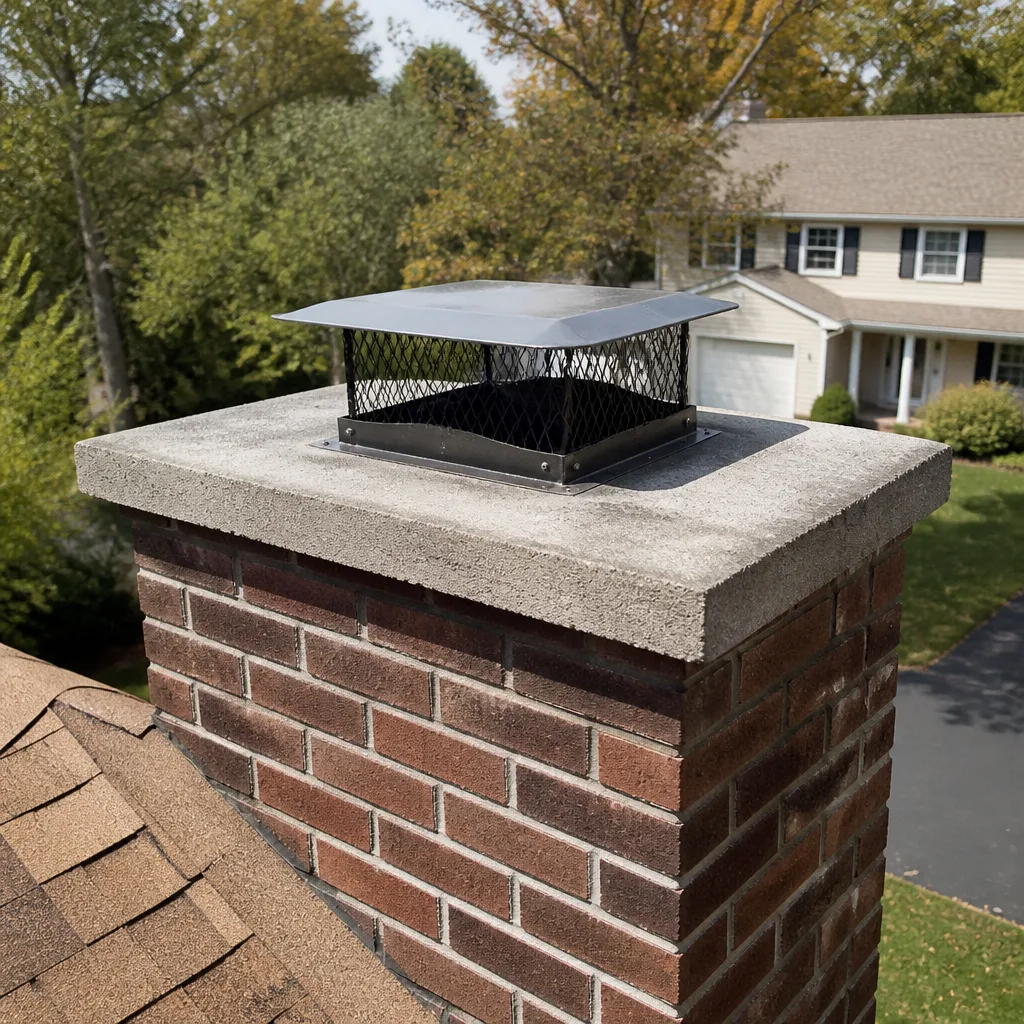
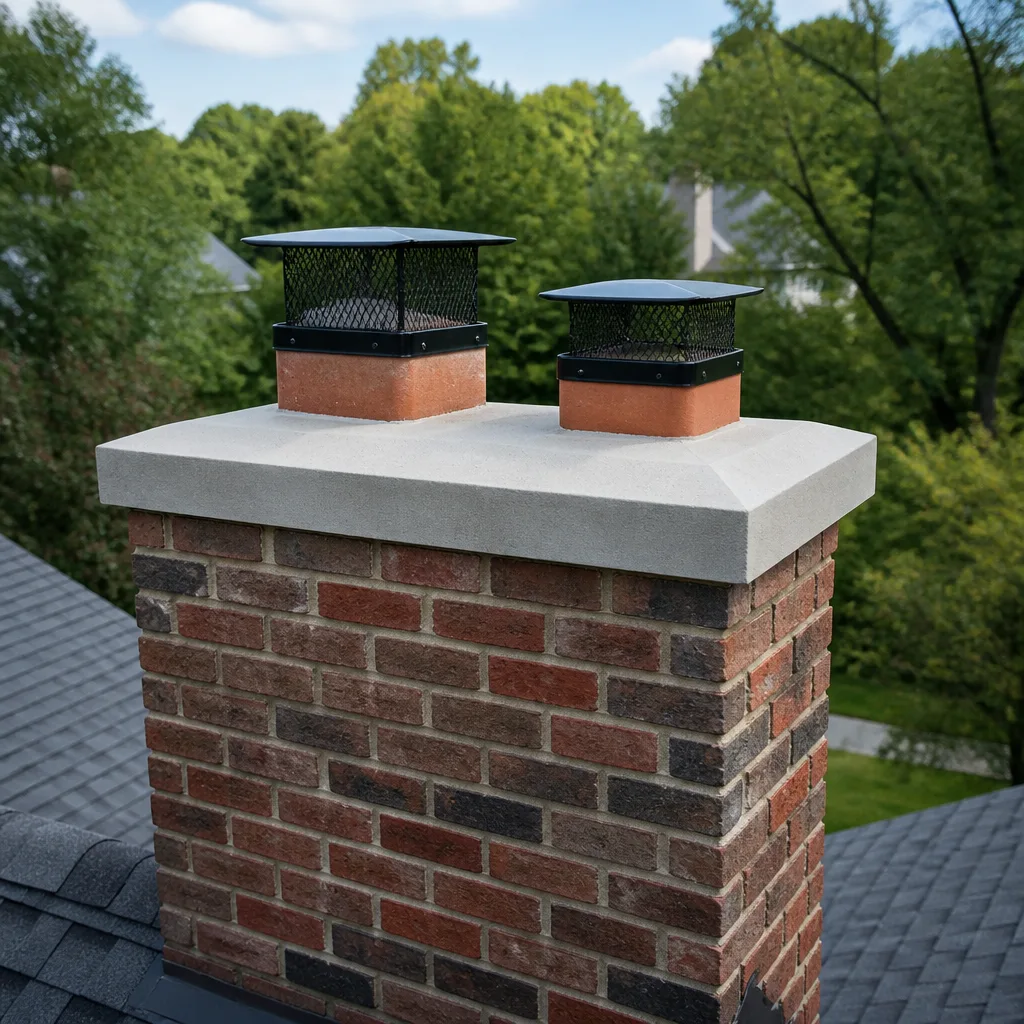
A chimney cap is a small, inexpensive part that does a lot of work. It keeps rain out, keeps animals out, and keeps sparks in. If your chimney doesn’t have one, that’s worth correcting. It’s one of the simplest fire-hazard and water-damage prevention steps a homeowner can take, and it’s the kind of thing an off-season visit catches before it becomes a repair.
Folding Your Dryer Vent Into the Same Schedule
Your dryer vent is the second fire hazard in the same house, and it deserves the same cadence as your chimney. Lint buildup in the vent line restricts airflow and creates a fuel source. The U.S. Fire Administration attributes a significant share of home clothes-dryer fires to failure to clean the vent, which is why we treat dryer vent cleaning as fire-hazard maintenance, not a household chore.
For most homes, an annual dryer vent cleaning is the right baseline. That lines up neatly with the annual chimney sweep, so both jobs can happen in the same summer appointment. One call covers your chimney and your dryer vent, and the same crew handles both.
Multi-story homes and long vent runs need more attention. A dryer on the second floor with a long duct to the exterior accumulates lint in ways a short, straight run doesn’t, and the bends and elbows in the line are where it collects. If your dryer takes longer than it used to, if clothes come out hotter than they should, or if you notice a burning smell, those are signs the vent needs cleaning before the annual date. Professional dryer vent work uses the right components, which matters: an improvised or mismatched vent setup can create the very problem you’re trying to prevent. We work with Famco-compatible components so the vent is set up correctly, not just cleared.
Between cleanings, there are a few things worth doing. Clean the lint filter before every load. Check the exterior vent flap now and then to confirm it opens freely when the dryer runs. And if you notice lint accumulating around the outside vent opening, that’s a sign the run needs attention.
Do-This-Now Signs That Override the Calendar
Sometimes you shouldn’t wait for June. Certain signs mean the chimney needs attention now, regardless of when your last sweep was. These are the indicators that override the annual schedule.
- Strong, persistent odors. A sharp, acrid creosote smell, especially in warm, humid weather, can mean creosote buildup or moisture in the flue. A musty, damp smell points toward water intrusion. A smoky smell after a fire suggests draft or blockage issues.
- White staining on brick. White, chalky deposits on the exterior masonry are efflorescence, a sign that water is moving through the brick and leaving mineral salts behind. It’s a visible clue that moisture is getting in.
- Visible efflorescence on the exterior. Related to the staining, this powdery bloom on the outside of the chimney means water is actively migrating through the masonry. It’s worth a look before it turns into spalling.
- Crumbling mortar or flaking brick. If you can see mortar joints that are receding or brick faces that are flaking, the masonry has been wet for a while.
- Smoke rolling into the room. A fireplace that used to draft well and now doesn’t is telling you something changed: a blockage, a damaged liner, or a pressure problem.
- A damaged or missing cap. If the cap is gone or broken, rain and animals have an open door.
If any of these show up, don’t wait for the summer window. Call and book an inspection. The whole point of a maintenance schedule is to catch problems early, and these signs mean the problem is already visible.
Common Mistakes to Avoid
- Booking in October. This is the most common mistake in Charlotte. Everyone remembers their chimney when the first cold snap hits, which means the good companies are booked solid and you’re competing for slots. Book in summer instead.
- Treating one sweep as the whole job. A sweep cleans the flue. It doesn’t replace the inspection, the Level 2 video scan every few years, or the dryer vent. A single annual cleaning is the minimum, not the full maintenance picture.
- Ignoring the dryer vent. Lint fires are a real risk, and the vent gets cleaned far less often than it should. Fold it into the same appointment as the chimney and it stops being the forgotten hazard.
- Letting an uncapped chimney ride through summer. An open flue takes on rain through storm season, and the moisture damage compounds. A cap is one of the cheapest fixes there is.
- Skipping the inspection after a chimney fire. A chimney fire can crack a liner without obvious signs. Use the fireplace again without an inspection and you’re trusting a system that may be damaged.
- Assuming a gas insert doesn’t need maintenance. Gas inserts still have flues, venting, and an exterior that need an annual look. The creosote picture changes; the need for inspection doesn’t.
- Waiting for white staining to get worse. Efflorescence and spalling brick are signs water is already moving through the masonry. Waiting lets the damage deepen, and the repair grows with it.
When to Call a Professional
Call a professional when it’s time for the annual sweep and inspection, when the Level 2 window comes up, or when any of the do-this-now signs appear: odors, white staining on brick, crumbling mortar, smoke rolling into the room, or a damaged cap. Call sooner if you’ve had a chimney fire or a lightning strike, or if you’re buying a home in Charlotte and want the chimney assessed before closing. And call for the dryer vent, especially if your dryer is taking longer than it used to or the vent run is long or multi-story.
Charlotte Chimney Cleaning offers free estimates in Charlotte. Call (855) 412-0975. We answer 24/7. Fast dispatch from 7am to 7pm, Sunday through Friday. The same crew that cleans your flue can resurface it with HeatShield if the inspection finds deteriorated mortar, so there’s no separate contractor to schedule.
Frequently Asked Questions
Most Charlotte homes should be swept and Level 1 inspected once a year, ideally between June and August. Homes that burn fires most nights through the winter may need a second cleaning, while lightly used fireplaces can stay on the annual schedule. The annual inspection matters even for light use, because the chimney still faces moisture and storm damage during the off-season.
June through August is the best window in Charlotte. The weather allows repair work to proceed, schedules are open, and you avoid the October rush when every company is booked. If the inspection turns up moisture damage or failing mortar, you have time to fix it before burn season. Call (855) 412-0975 for an exact appointment.
A Level 1 inspection is a visual check of the readily accessible parts of the chimney. A Level 2 adds a video scan of the flue interior and is due every three to five years, or whenever there’s a change to the system like a home purchase, a new insert, or a chimney fire. The video scan shows you what’s inside the flue, so you can see the findings for yourself rather than taking someone’s word for it. Call (855) 412-0975 to book one.
Yes. Even a chimney fire that seemed minor can crack a flue liner or damage mortar, and those cracks aren’t always visible from the outside. Get an inspection before you use the fireplace again. The same applies after a lightning strike on or near the home. Call (855) 412-0975 to schedule an inspection.
Once a year for most homes, which fits neatly into the same summer appointment as your chimney sweep. Multi-story homes and long vent runs may need more frequent cleaning, and any dryer that takes longer than usual or smells hot should be checked sooner. It’s a fire-safety step, not a chore. Call (855) 412-0975 and we’ll clean both in one visit.
Charlotte’s summer storm season sends regular rain straight down an open flue. That moisture soaks into the masonry, and over time it causes spalling brick, decaying mortar, and efflorescence. A chimney cap keeps rain and animals out and keeps sparks in. If your chimney is uncapped, getting one installed is one of the simplest prevention steps available. Call (855) 412-0975 for a free estimate.
The Bottom Line
The chimney maintenance schedule that actually works for Charlotte homes is simple: sweep and inspect once a year in summer, add a Level 2 video inspection every three to five years, clean the dryer vent on the same annual visit, and treat any chimney fire, lightning strike, or home purchase as an immediate trigger for inspection. The calendar matters because timing is what separates maintenance from reaction. Book in June, not October, and you go into burn season with a clear flue and a sound exterior. Charlotte Chimney Cleaning handles inspection, cleaning, repair, and dryer vent work under one roof, with professional-grade materials and no handoffs to a separate mason.
Ready to put this schedule to work? Call (855) 412-0975 for a free estimate. We answer 24/7. Fast dispatch from 7am to 7pm, Sunday through Friday.
Written by the team at Charlotte Chimney Cleaning, serving Charlotte since 2018.
See the difference
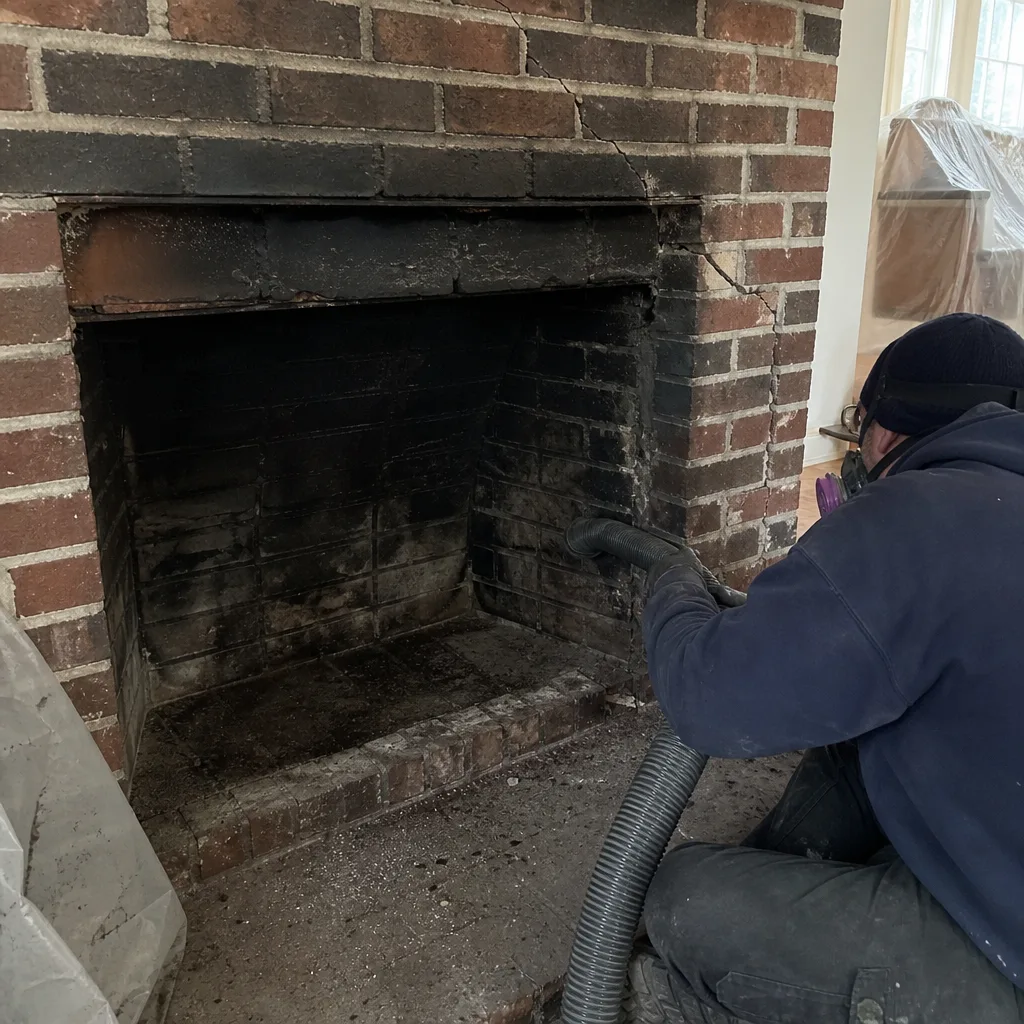 Before
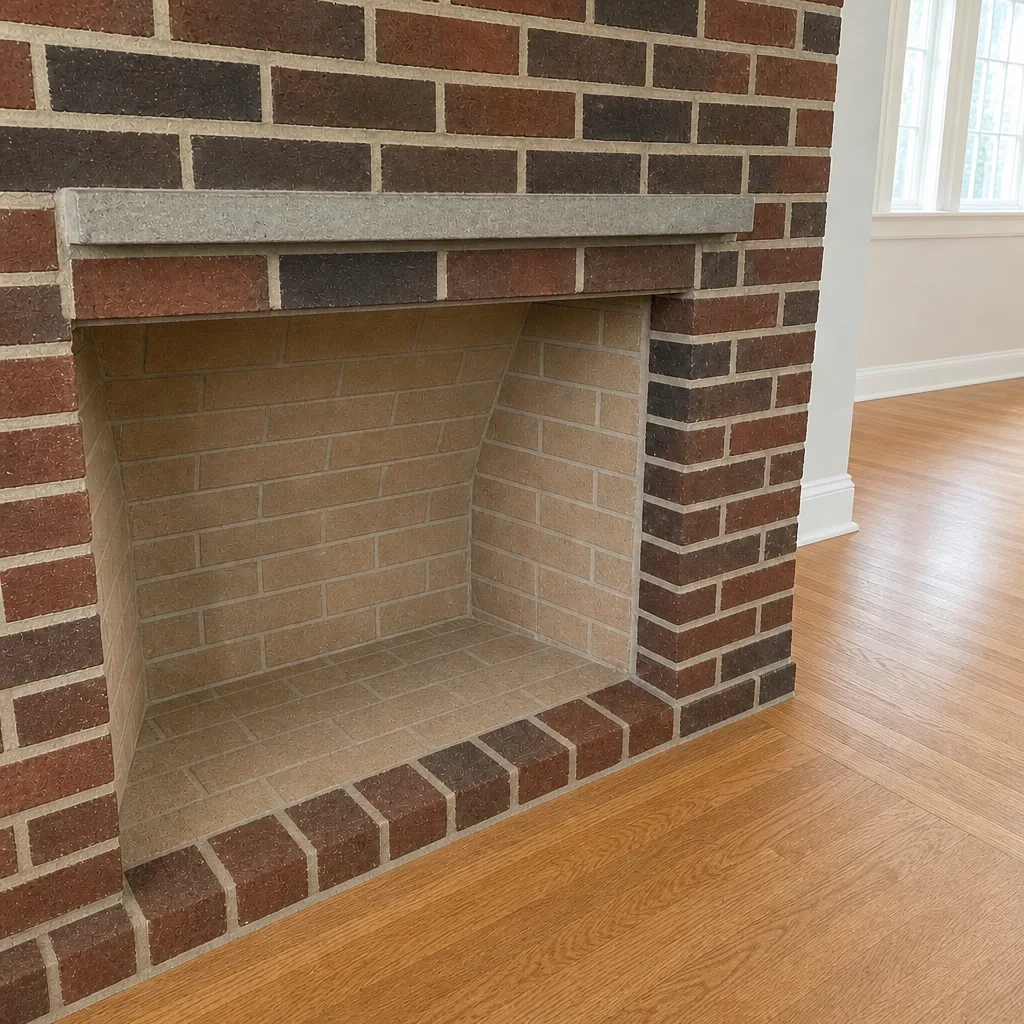 After
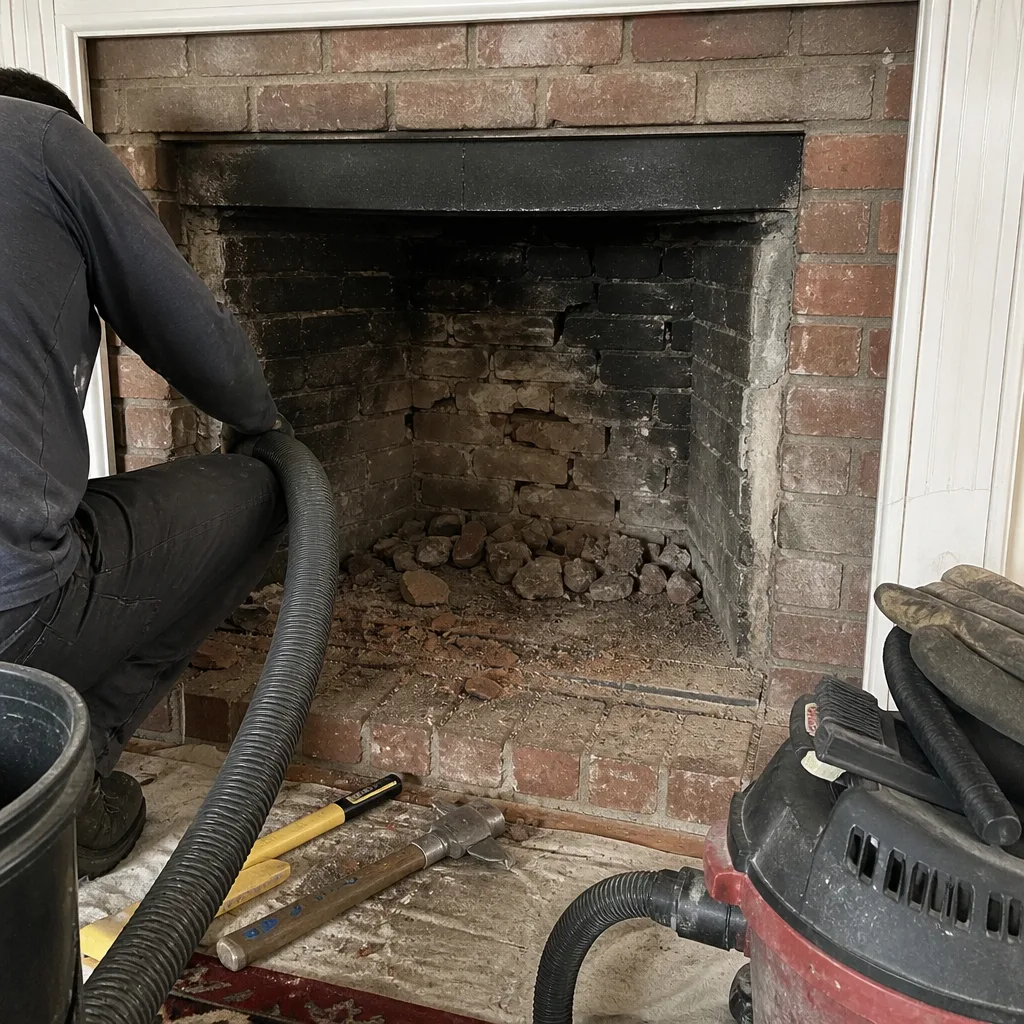 Before
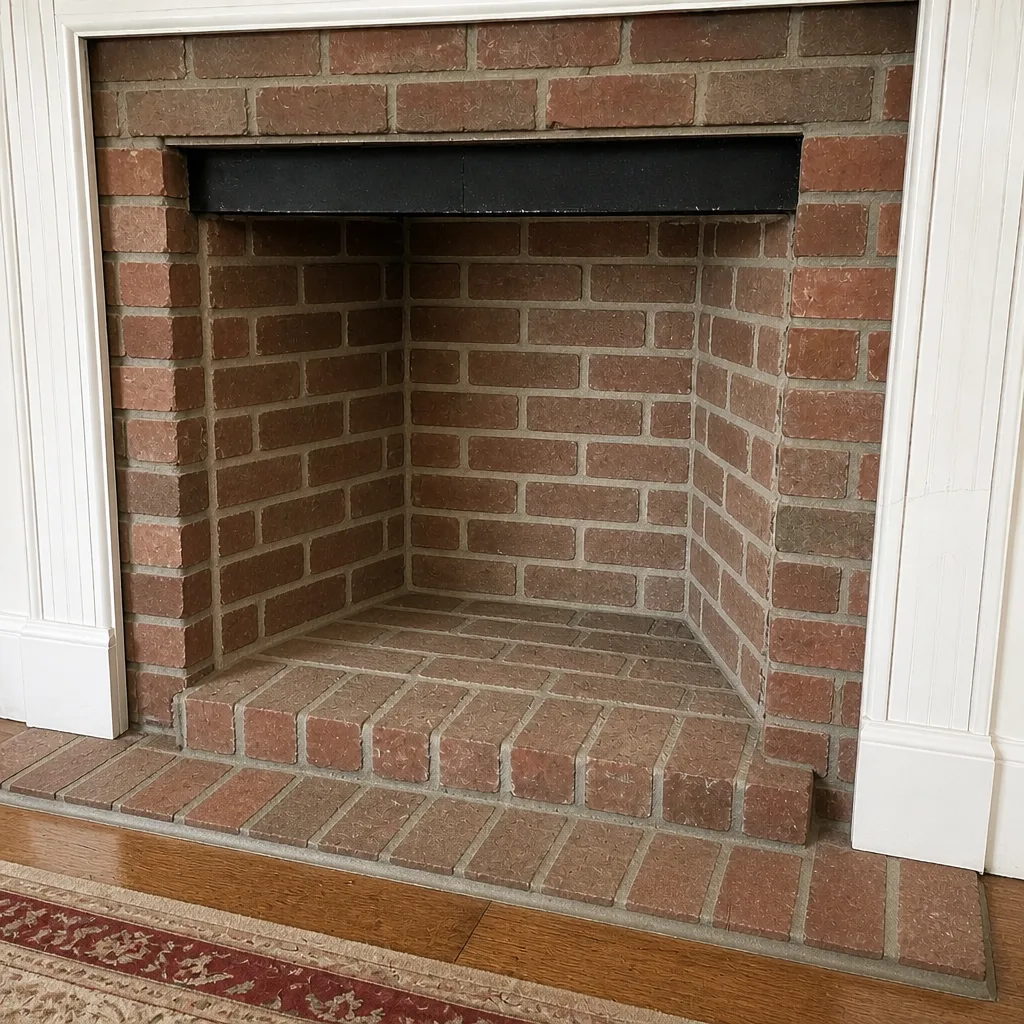 After
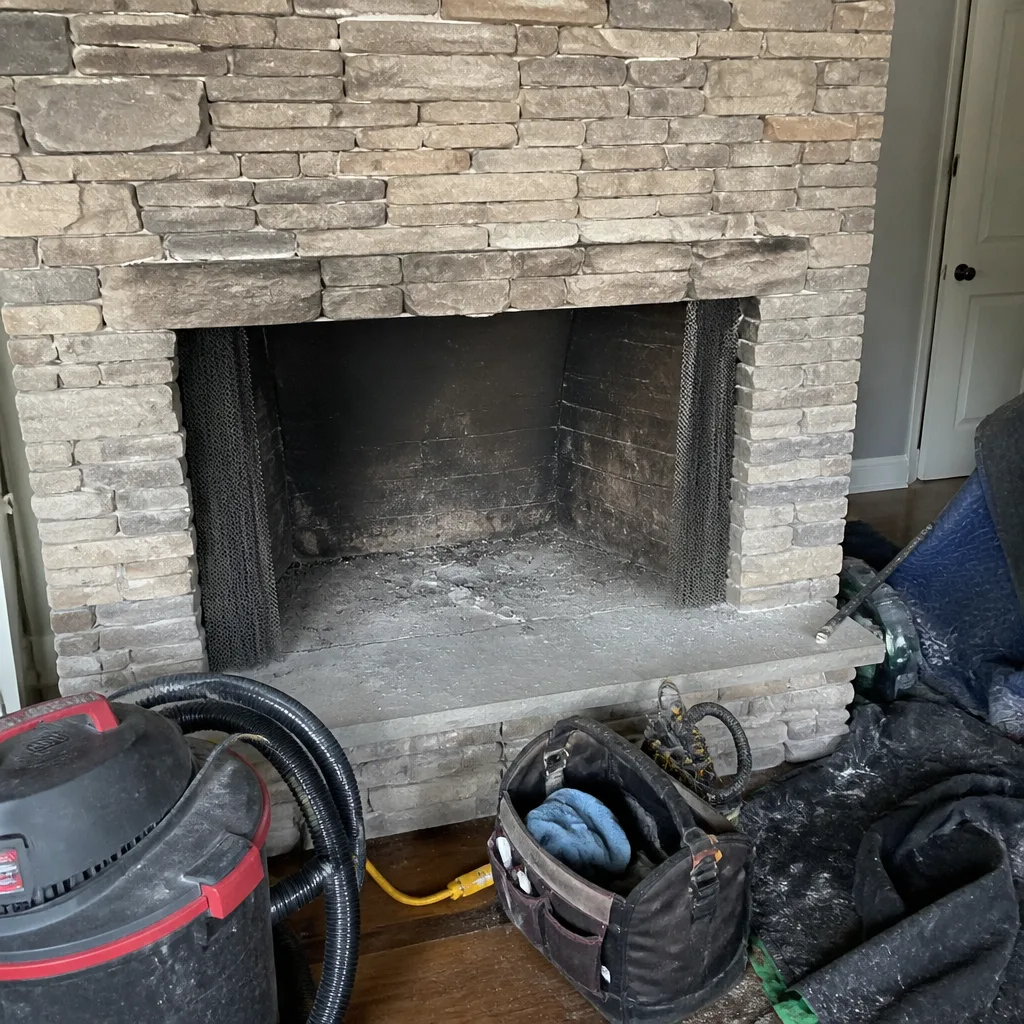 Before
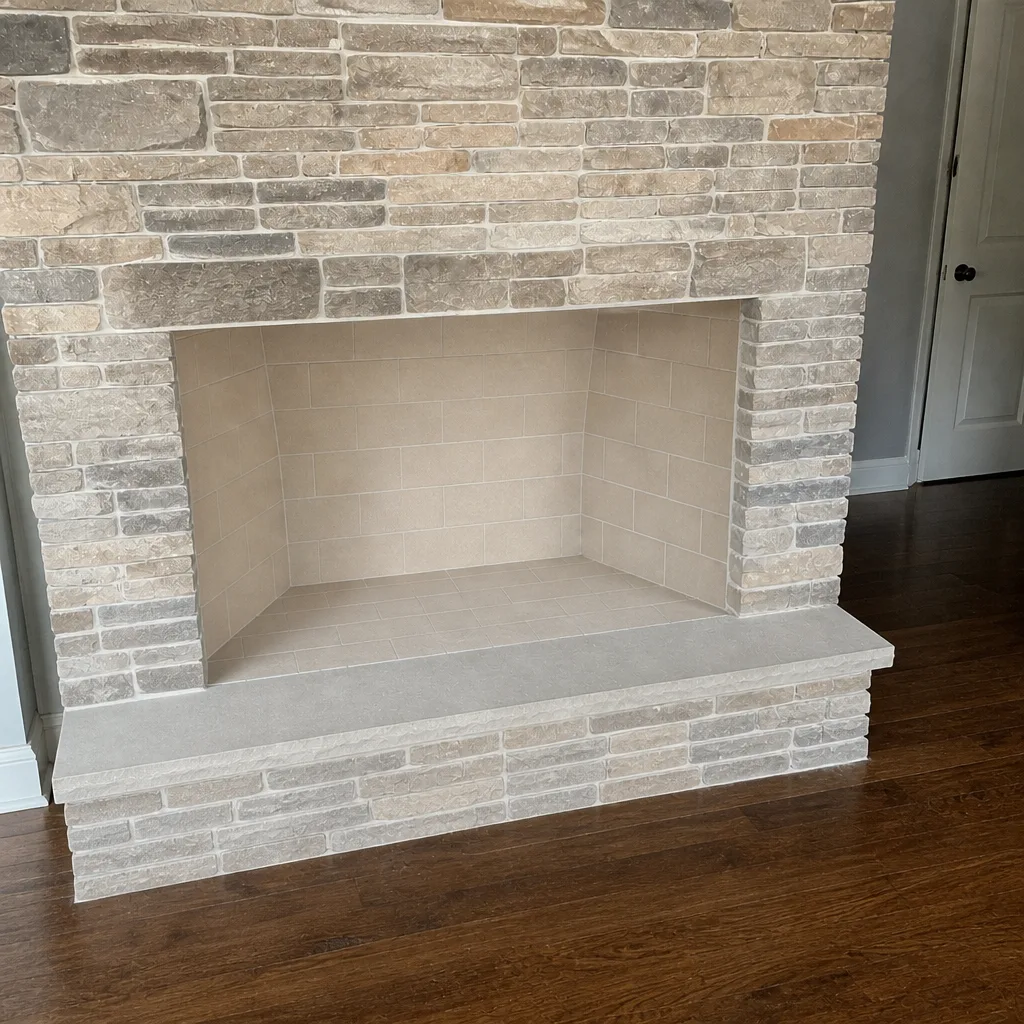 After