
Last updated November 14, 2026
 Sweep & inspection
 Caps & crowns
 Flue relining
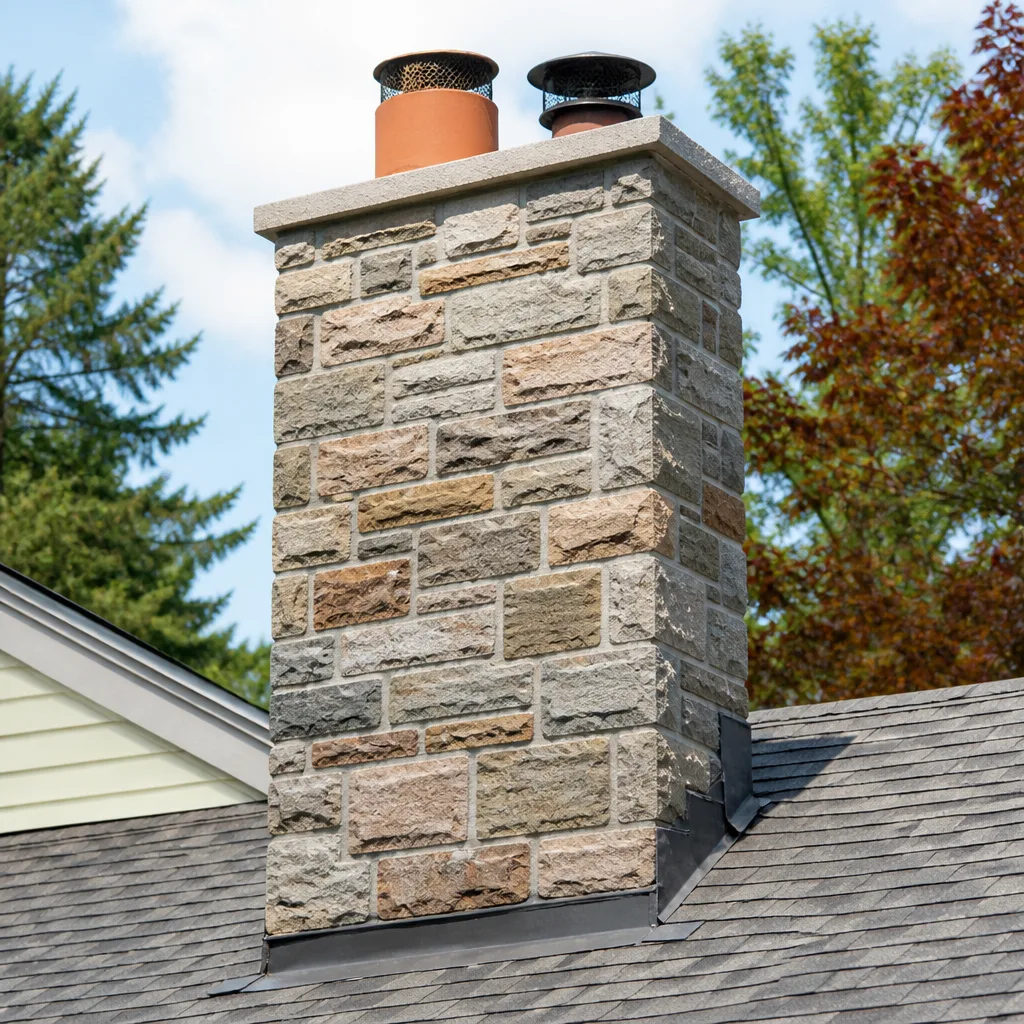 Masonry repair
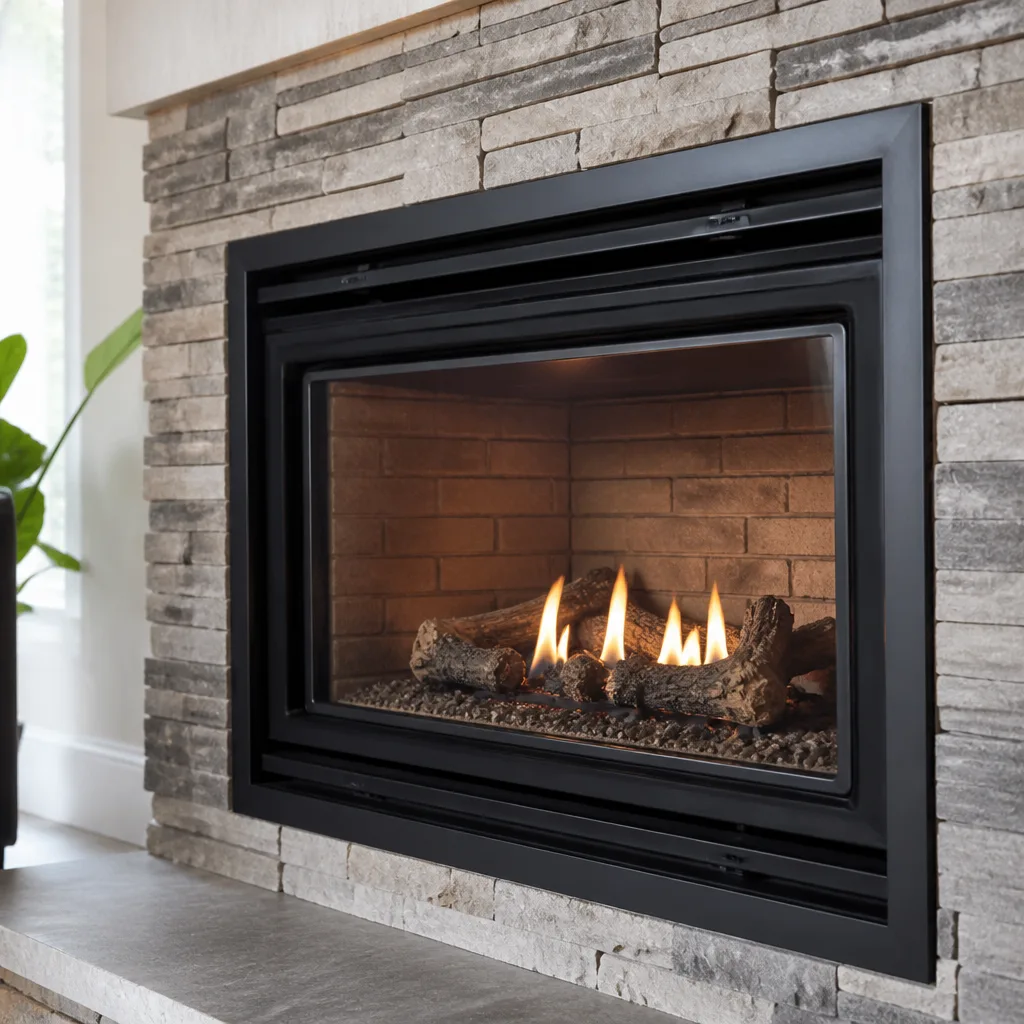 Gas fireplace service
Level 1 sweep and inspection to the NFPA 211 annual standard - flue, crown, cap, and flashing checked and photographed
Chimney sweep logs do not sweep chimneys. They loosen some creosote - which then falls where a brush and vacuum still have to collect it.
Choosing the Right Chimney Cleaning Brand: A Buyer’s Guide for Charlotte
There’s a real difference between a silane-siloxane water repellent rated for chimney masonry and a hardware-store sealant. One stays vapor-permeable and can hold up for a decade; the other traps moisture inside the brick and can cause the very spalling it was bought to prevent. Most homeowners never learn this until a chimney is already failing. The brands a contractor keeps on the truck tell you more about how the work will age than any brochure line about “quality materials.” This guide walks through the product categories that actually matter in chimney work, the brand benchmarks in each, why vapor permeability is the spec to check, and how to ask about all of it without sounding like you’re interrogating anyone. If you’re in Charlotte and trying to sort a real contractor from a brush-and-vacuum outfit, this is the conversation to have before you book.
Quick Answer
The best chimney cleaning and repair brands in Charlotte are the professional-grade product lines that certified chimney professionals specify: HeatShield for resurfacing flue damage, DuraFlex for stainless liner systems, Olympia Chimney for venting components, and silane-siloxane masonry water repellents like those under the ChimneySaver and SaverSystems names rather than hardware-store sealants. The brand a contractor uses is a legitimate quality signal because professional formulations are vapor-permeable, rated for chimney temperatures, and backed by material warranties that consumer products don’t carry. Ask what they stock, ask why, and ask for the vapor-permeability spec on any masonry sealer before it goes on your chimney.
Styles & brands we work with
- Sweep & inspection
- Caps & crowns
- Flue relining
- Masonry repair
- Gas fireplace service
Table of Contents
- Why the Brand on the Truck Matters More Than the Sales Pitch
- The Four Product Categories That Actually Matter in Chimney Work
- Why Vapor Permeability Is the Spec That Decides Everything
- Brand Benchmarks: What Separates Professional-Grade from Consumer-Grade
- How to Ask a Contractor What Products They Use
- The Connection Between Product Quality and Warranty
- What Charlotte’s Climate and Housing Stock Mean for Product Choice
- Sweep-Only vs. Full-Service: Why Repair Capability Changes the Product Conversation
Why the Brand on the Truck Matters More Than the Sales Pitch
Chimney work is a materials business dressed up as a service business. The brushing and vacuuming is straightforward; what separates one company from another is what they put back on the chimney when something’s worn out. A crown coating, a liner, a masonry sealer – each of these is a specific product with a specific chemistry, and the difference between a professional formulation and a consumer one often comes down to how the material behaves after five or ten winters.
Here’s the part most homeowners haven’t been taught to think about. Chimney masonry is porous. It absorbs water from rain, from snowmelt, from the humid summer air Charlotte gets in July and August. That water has to get back out. A sealant that blocks water from entering but also blocks it from leaving traps moisture inside the brick. When that moisture freezes and expands, the face of the brick pops off. That’s spalling, and it’s often caused by the wrong product applied with good intentions.
Professional-grade formulations are built around vapor permeability for exactly this reason. They repel liquid water at the surface while letting water vapor escape from inside the masonry. The chemistry is more expensive and the application is more particular, which is why you won’t find these products on a hardware-store shelf next to the concrete sealer.
When you ask a contractor what brands they use, you’re really asking whether they’ve thought about this. A company that names specific professional lines and can explain why they chose them has almost certainly done the work. A company that says “we use good stuff” hasn’t told you anything, and probably hasn’t thought about it either. That single question is one of the fastest ways to sort contractors before you’ve paid anyone a dime.
At Charlotte Chimney Cleaning, this is the conversation we start with. The product line is the pitch, not the other way around.
The Four Product Categories That Actually Matter in Chimney Work
Chimney work touches dozens of small products – brushes, rods, vacuum filters, gasket material. Most of them don’t affect how your chimney performs over time. Four categories do, and they’re where brand questions pay off.
1. Masonry water repellents
Applied to the exterior of the chimney to keep water out of the brick and mortar. Professional products are silane-siloxane based and vapor-permeable. Consumer sealants are often film-forming acrylics or silicone blends that can trap moisture. This is the category where the wrong product does the most damage.
2. Crown coatings
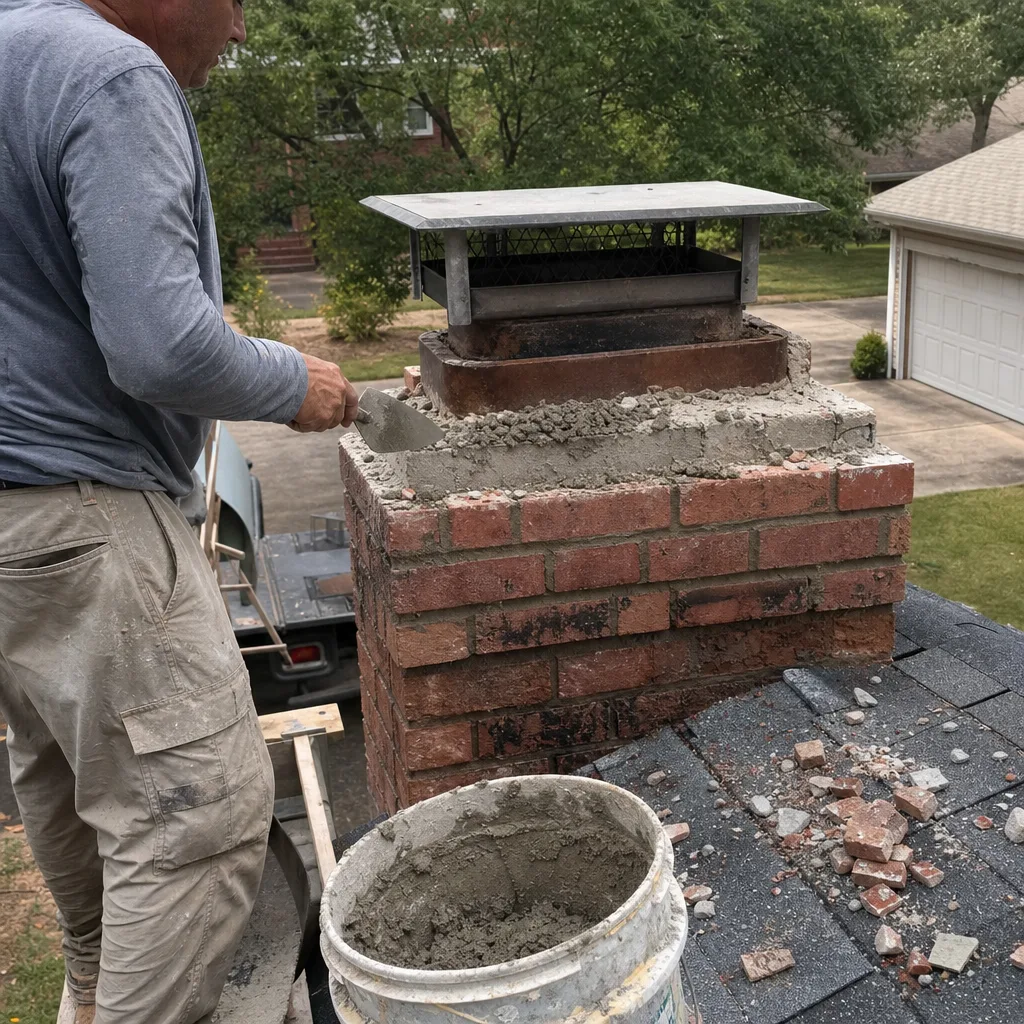
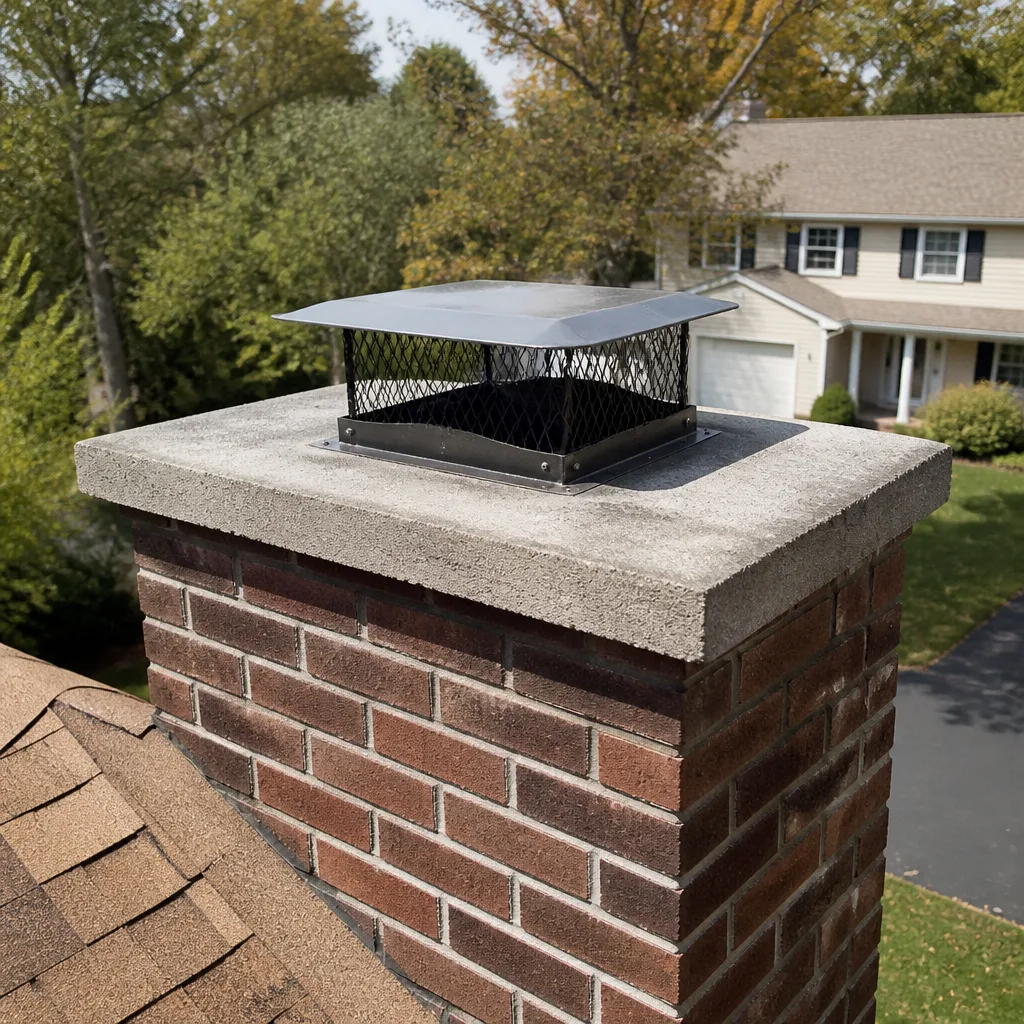
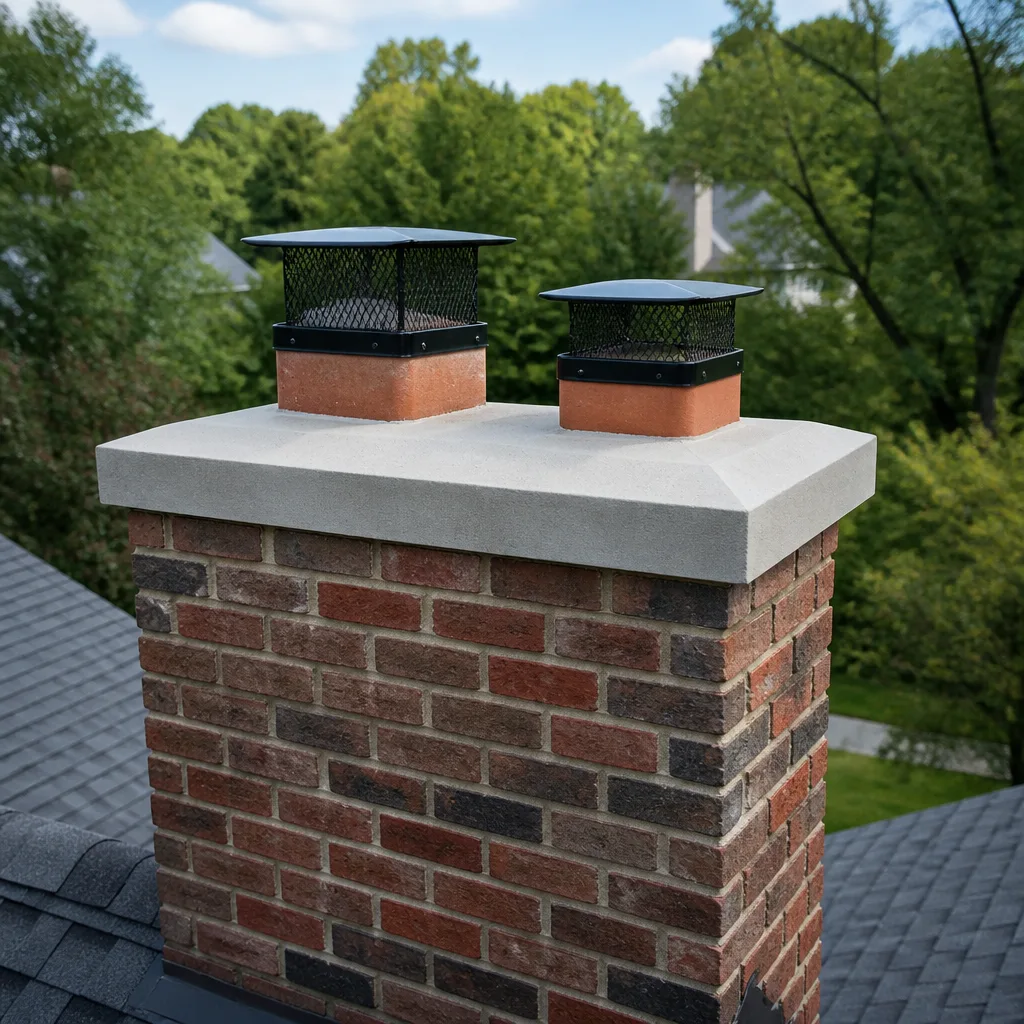
The crown is the concrete cap on top of the chimney. It cracks, and cracks let water in. Flexible crown coatings that can bridge small cracks and move with the masonry outperform rigid patching compounds, which tend to crack again within a few seasons. Professional crown coatings are elastomeric; consumer patching cement is not.
3. Liner sealants and resurfacing systems
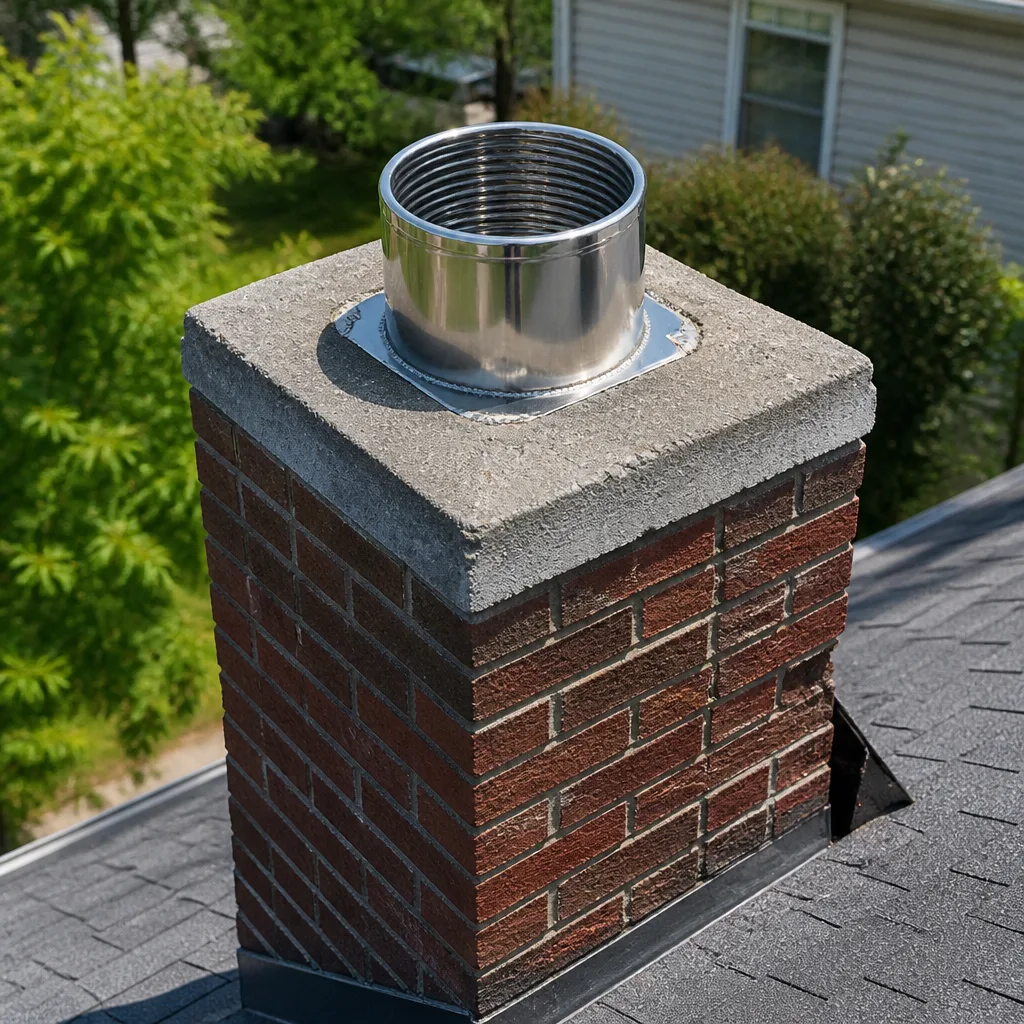
When a clay flue liner is cracked or the mortar joints are deteriorating, there are two paths: reline with stainless, or resurface in place. HeatShield is the name most chimney professionals use for in-place flue resurfacing – it’s a castable refractory material applied to the inside of the flue, and it can restore a damaged liner without pulling the whole thing out. Stainless relining systems like DuraFlex are the other path. Both are professional categories where the formulation and installation method matter enormously.
4. Creosote modifiers
Products that change the chemistry of creosote inside the flue so it’s easier to remove and less likely to ignite. These aren’t a substitute for sweeping – nothing is – but they’re a legitimate tool in a professional’s kit, especially for fireplaces that see heavy use. If a contractor mentions creosote modifiers, they’re thinking about the problem, not just the brush.
The pattern across all four: professional-grade products exist because the consumer-grade alternatives fail in specific, predictable ways. Knowing the categories tells you what to ask about.
Why Vapor Permeability Is the Spec That Decides Everything
If you only learn one technical fact from this guide, make it this one. Vapor permeability is the measure of how readily water vapor moves through a material. For any sealant going onto chimney masonry, it’s the spec that determines whether the product protects the brick or slowly destroys it.
Here’s the mechanism in plain terms. Brick absorbs water. When the chimney is heated from inside and cooled from outside – which happens constantly in a Charlotte winter, with mild days and cold nights – moisture moves through the masonry. If a sealant on the surface blocks vapor from escaping, that moisture sits inside the brick. When it freezes, it expands. The brick face flakes off. You get spalling, and the fix is masonry repair, not another coat of sealer.
A vapor-permeable silane-siloxane sealer lets liquid water bead up and run off at the surface, but allows vapor to pass through from inside. The brick stays dry, the freeze-thaw cycle doesn’t damage it, and the sealer keeps working for years.
How do you confirm a product is vapor-permeable? Ask for the technical data sheet. Every professional sealant has one. Look for a vapor permeability or “breathability” rating, and ask the contractor to explain it in plain terms. If they can’t produce a data sheet or don’t know the spec, that’s information too.
Two more things to check on any masonry sealer, whether you’re asking about exterior application or a crown product:
- Alkali resistance. Masonry is alkaline. Sealants that aren’t formulated for it break down faster.
- UV stability. Charlotte gets strong sun. A sealer that degrades in UV loses its water repellency within a season or two.
None of this is exotic. It’s just the information a professional product line already publishes and a hardware-store product usually doesn’t. Ask the contractor to walk you through the data sheet and you’ll learn more about their operation in ten minutes than a whole sales visit would tell you.
Brand Benchmarks: What Separates Professional-Grade from Consumer-Grade
There isn’t a single “best brand” across all chimney work, because the categories are different businesses. What matters is whether the contractor is using names that other professionals recognize in each category. Here’s what distinguishes the big names from the shelf products.
Water repellents: SaverSystems and ChimneySaver
SaverSystems makes the ChimneySaver line, which is one of the standard professional masonry water repellents in the chimney trade. The formulations are silane-siloxane based, vapor-permeable, and rated for masonry. Consumer sealants from general-purpose brands rarely carry the same vapor permeability ratings, and film-forming acrylics can trap moisture rather than let it out. When a contractor names ChimneySaver or SaverSystems, they’ve chosen a product built for the substrate.
Flue resurfacing: HeatShield
HeatShield is a castable refractory resurfacing system applied to the inside of a damaged flue. It’s used when the clay liner is cracked or the mortar joints are failing but the chimney structure itself can support a resurfacing rather than a full reline. Not every sweep stocks it, because it requires specific training and equipment. When a company is HeatShield-equipped, they can fix what they find on the same visit rather than handing you off to a mason.
Liner systems: DuraFlex and Olympia Chimney
DuraFlex is a stainless steel liner system used for relining flues, and Olympia Chimney makes venting and liner components that get specified in both new installations and retrofits. Both are installation-grade products. A contractor who uses them is set up for real installation work, not just cleaning. The reline is a load-bearing safety component; the brand and installation method matter.
Dryer vent components: Famco
Dryer vent work is a fire-safety service and deserves professional-grade components, not improvised hardware. Famco is a recognized name in venting products, and a contractor who specifies Famco-compatible components is treating the vent as a system rather than a vacuum job. The same appointment that clears a chimney can also handle a dryer vent, which is one of the reasons a full-service company is worth more than a sweep-only outfit.
The pattern across all four benchmarks: professional names exist because the categories have engineering behind them. A contractor using several of these lines has made a series of considered choices. That’s the signal.
How to Ask a Contractor What Products They Use
Most homeowners skip this question because they don’t want to come across as suspicious. That’s backwards. Contractors who use good products want to be asked, because it’s the thing that distinguishes them from the competition. Here’s how to have the conversation without an edge.
- Lead with curiosity, not challenge. “We’re trying to understand what goes into a typical maintenance visit – what products do you use for the exterior?” lands very differently than “What brands do you use?”
- Ask about a specific category. “If our chimney needs a sealer on the exterior, what do you use and why that one?” gets you a real answer. Vague questions get vague answers.
- Ask for the data sheet. “Can you send us the product data sheet?” is a completely reasonable request. Any professional has one. No professional is offended by the question.
- Ask who does the repair work. “If you find a cracked crown or a failing flue, do you fix it or refer it out?” The answer tells you whether you’re talking to a sweep or a full-service company.
- Ask about warranty terms. “What’s covered, and how long?” A contractor using professional products usually has a real answer, because the manufacturer backs them up.
What you want to hear: specific product names, an explanation of why those products were chosen, and willingness to share the documentation. What should give you pause: vague assurances (“we use the best”), no data sheets available, an unwillingness to discuss the repair side, or a contractor who outsources everything past the sweep.
If you want a live example of what this conversation sounds like on our end, ask any of it when you call. We answer 24/7, and someone who actually handles the products will be the one answering. Calling Charlotte homeowners ask these exact questions more often now, which is a good sign – the market is starting to discriminate on product quality, and that rewards the contractors who were already doing the work right.
The Connection Between Product Quality and Warranty
Here’s a practical test you can run on any contractor: ask what their warranty covers, and how long. The answer often tracks the products they use, because professional-grade manufacturers support their installers with material warranties. Consumer-grade products usually don’t, which means the contractor bears the entire risk and structures their warranty accordingly.
When you look at a chimney warranty, you’ll generally see two pieces:
- Labor warranty. Covers the contractor’s workmanship – the installation or application itself. This is the piece that varies most between companies and is often the one homeowners forget to ask about.
- Material warranty. Covers the product itself and is usually set by the manufacturer. A professional-grade product often carries a material warranty that runs for years; a consumer-grade substitute usually carries very little.
The combined effect is what matters. A 5-year labor warranty on a product with no material coverage is a very different thing from a 5-year labor warranty backed by a manufacturer that stands behind a professional line. And a resurfacing job using HeatShield or a reline using DuraFlex carries manufacturer expectations that a hardware-store patch job simply doesn’t.
Ask the question in plain terms: “If this fails in three years, what happens?” The answer should include something specific about what’s covered and who’s on the hook. If the answer is a shrug and “we’ll take care of you,” that’s not a warranty; that’s a promise. Promises are fine. Warranties are better.
You don’t need to interrogate the warranty terms at the estimate. You just need to know they exist, and what they cover. Any contractor who pushes back on the question isn’t confident in the answer.
What Charlotte’s Climate and Housing Stock Mean for Product Choice
Charlotte’s weather is hard on chimney masonry in a specific way. The summers are humid and long. The winters are mild enough that most days aren’t freezing, but cold nights happen, and that freeze-thaw cycle is what damages brick. A chimney that absorbs water in a rainy autumn and then meets a hard freeze in January is a chimney working through the exact conditions that cause spalling.
That’s why vapor-permeable sealants matter here more than they might in a drier climate. Our summers load the masonry with moisture. Our winters push it back out. A film-forming sealant on a Charlotte chimney can accelerate damage rather than prevent it, because it holds that summer moisture inside the brick until winter expands it.
Housing stock matters too. Charlotte has a lot of older brick chimneys from the mid-century decades alongside newer construction in neighborhoods across the city. Older chimneys often have soft mortar, and soft mortar with a failing crown is a setup for water intrusion. Newer chimneys usually have better materials but still need the same product discipline on the exterior. The specific product recommendation changes with the masonry; the question you ask the contractor doesn’t.
Charlotte’s codes and permitting vary by jurisdiction, so we won’t quote a rule that may not apply to your address. If your project touches the structure – relining, rebuilding a crown, repairing the masonry itself – ask your city or county building department what requires a permit before work begins. A contractor who handles that question comfortably is a contractor used to working within the local process.
One more Charlotte-specific factor: trees. A lot of chimneys in this city sit under or near mature hardwoods, which load up caps and crowns with leaf litter and debris. Product choice for the crown matters more here because the crown is exposed to a lot of organic material that holds moisture against it. A properly sloped, elastomeric crown coating sheds debris and water better than a flat patched top.
We’re a chimney sweep crew that works in these conditions every week, and the product conversation is the same whether it’s a 1950s bungalow in an established neighborhood or a newer build on the edge of the city. The brands don’t change. The recommendation does.
Sweep-Only vs. Full-Service: Why Repair Capability Changes the Product Conversation
Most chimney companies in any market are sweep-only. They clean the flue, maybe do a basic inspection, and refer the repair work to someone else. That model isn’t dishonest, but it means the product conversation stops at the brush. When damage is found, you’re talking to a new contractor about a different set of products, and the company that cleaned your chimney isn’t accountable for how the repair ages.
Full-service companies stock the products that matter for repair, and that changes the whole experience. Here’s what it looks like in practice:
- Inspection happens first. Camera inspection and a photo report, so you see what we see. Nothing gets recommended without evidence you can look at yourself.
- The sweep follows. The flue gets cleaned, and any issues are documented.
- Repair gets quoted in the same conversation. If the crown is failing or the flue needs resurfacing, that gets priced on the same visit by the same company that’s going to do the work.
- The product choice reflects the repair. A HeatShield resurfacing instead of a full reline is a decision made with the products on the truck, not a referral to a mason who may or may not know chimney-specific systems.
- The same company is on the hook for how it ages. One accountability chain instead of two.
At Charlotte Chimney Cleaning, the three services we run – chimney sweep, dryer vent cleaning, and chimney repair – are all handled by the same company using professional-grade brands, including DuraFlex, HeatShield, Gelco, Olympia Chimney, Famco, and Copperfield. The dryer vent side is a fire-safety service like the chimney side, and we frame it that way: clearing a clogged dryer vent reduces a known fire risk in the home, and it deserves the same product discipline as the flue work.
We’ve been serving Charlotte since 2018. In that time the pattern has held with remarkable consistency: homeowners who ask about product brands get better outcomes, because the contractors who use professional materials want to talk about them. The conversation sorts the market.
Common Mistakes to Avoid
- Assuming all sealants are the same. A hardware-store concrete sealer on a chimney can trap moisture and cause spalling. Check the vapor permeability spec before any sealer touches your masonry – the difference between professional and consumer formulations is exactly this spec.
- Booking a sweep without asking about repair capability. If damage turns up and the company has to hand you off to a mason, you’ve added a step and split accountability. Charlotte homeowners who ask about the repair side up front get cleaner quotes and fewer surprises.
- Skipping the data sheets. This is a two-minute request that tells you more than a sales conversation. A contractor who can produce the data sheet is used to being asked; a contractor who can’t is telling you something.
- Treating dryer vent cleaning as casual. A clogged dryer vent is a fire risk, not an inconvenience. Ask whether the contractor uses professional venting components like Famco-compatible parts, and don’t settle for a vacuum pass with improvised hardware.
- Assuming permit rules apply the same way across Charlotte. Rules vary by jurisdiction. If the project touches the structure, ask your building department before work starts – don’t take a contractor’s word for it if you have any doubt.
- Choosing on price alone. The cheapest sweep in the market is often the sweep that doesn’t stock the products, won’t do the repair, and quotes the work as fast as possible. The right question is what’s included, not which number is lowest.
- Not asking about warranty. A labor warranty without a material warranty behind it is half a warranty. Ask both, and get the answer in writing.
See the difference
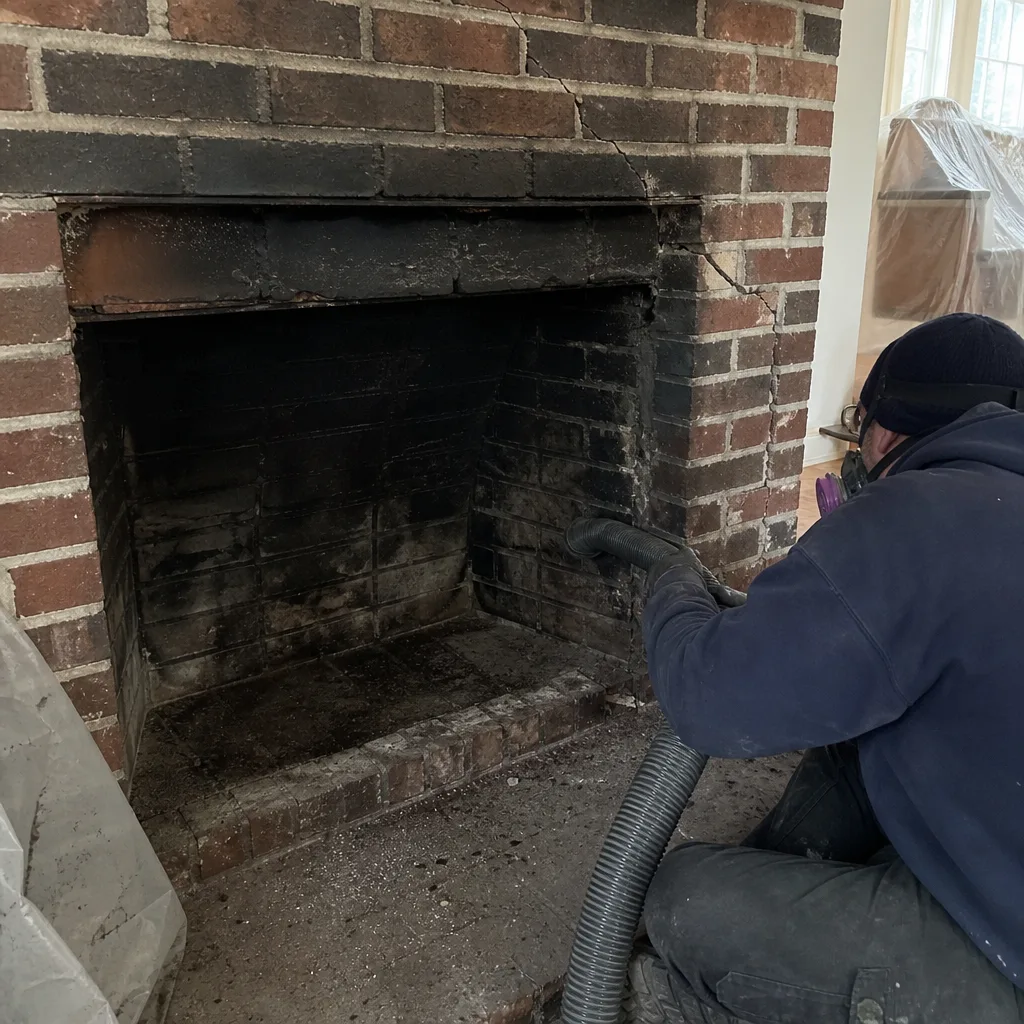 Before
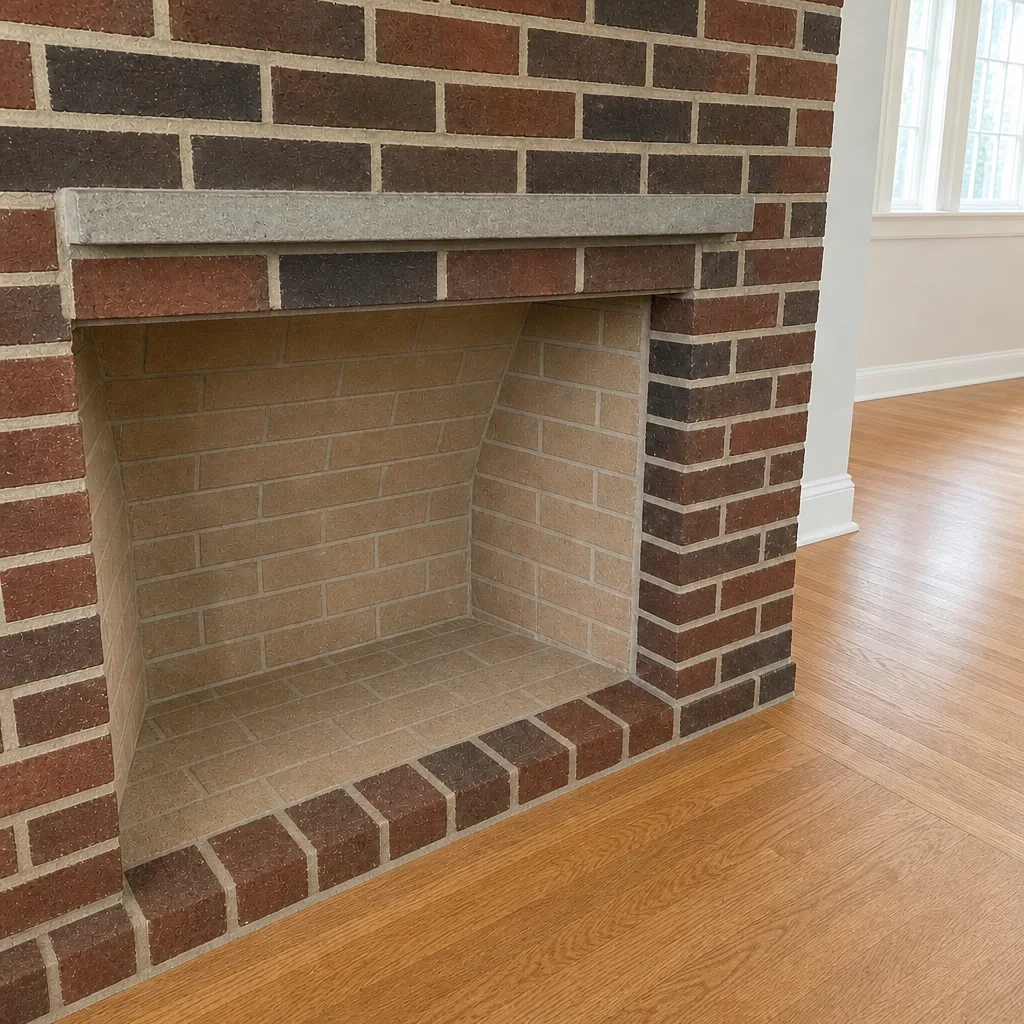 After
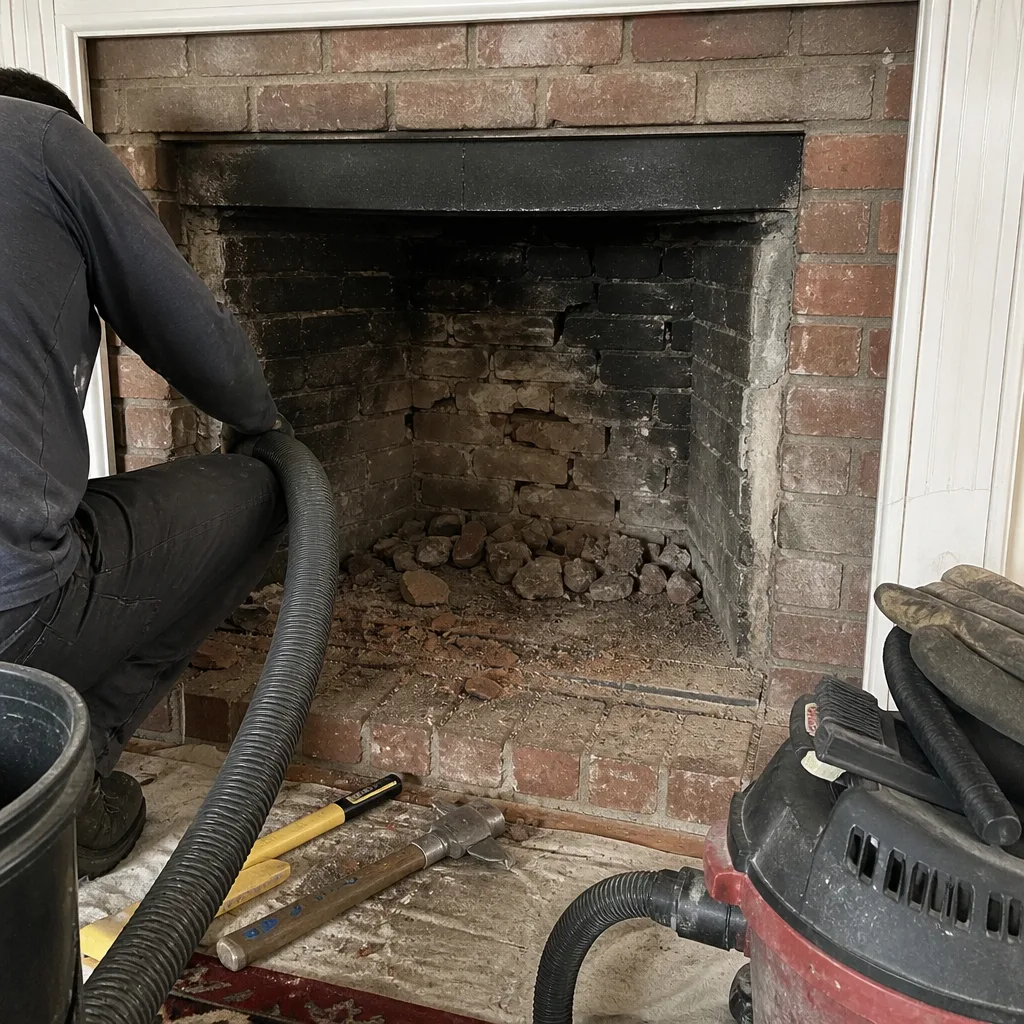 Before
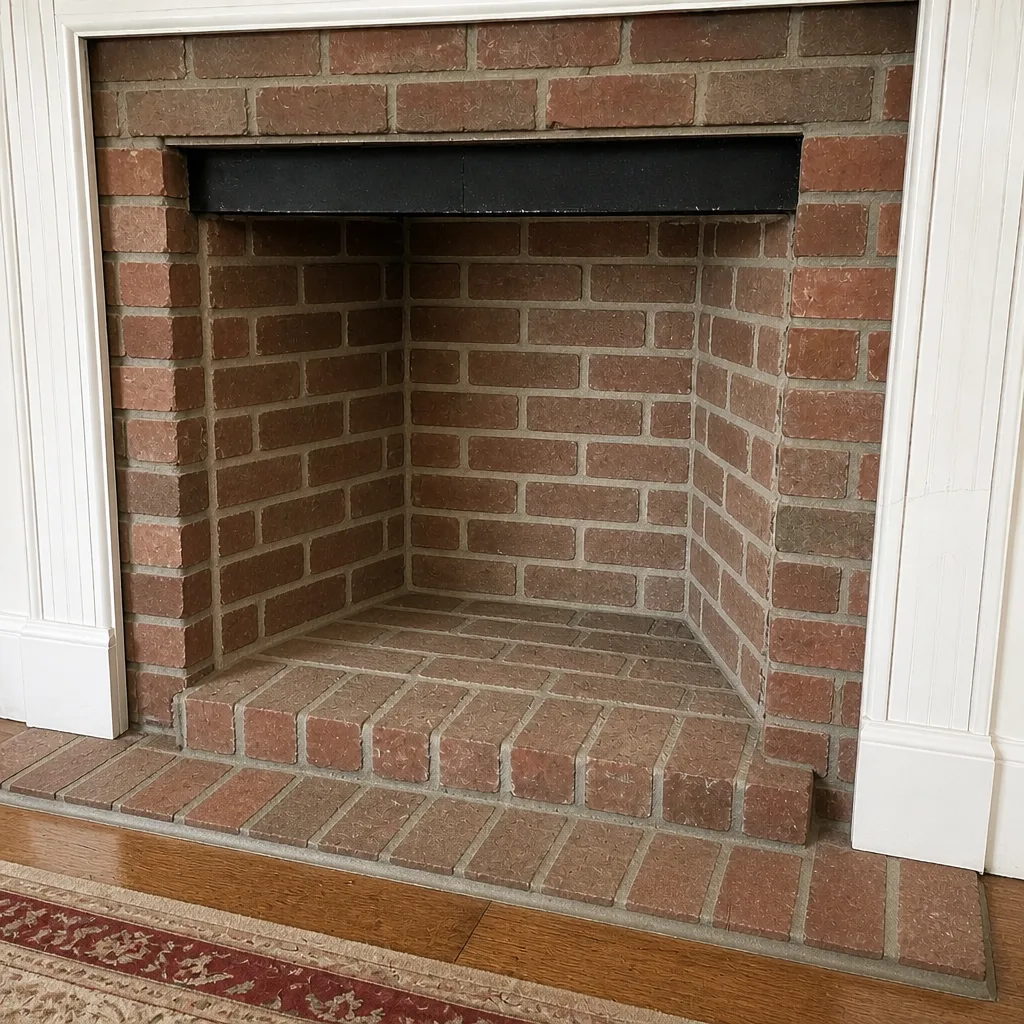 After
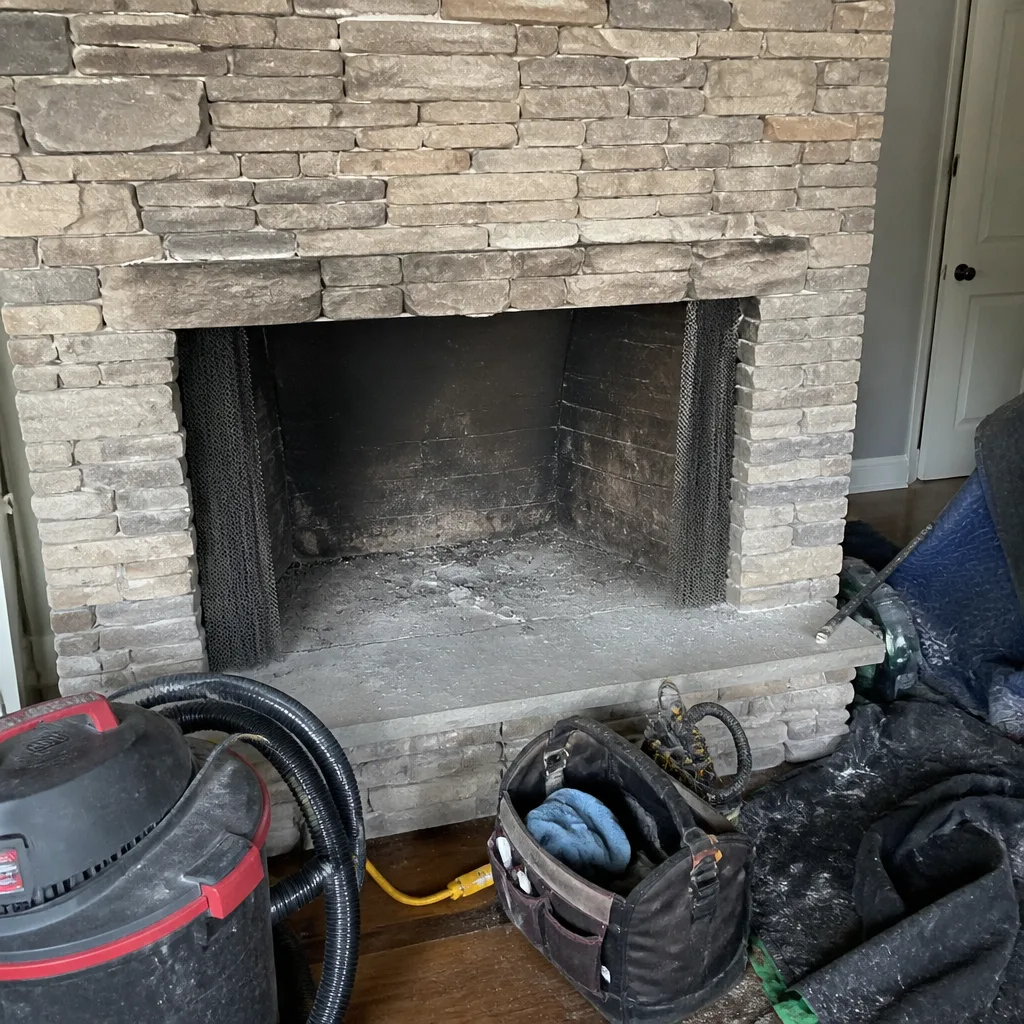 Before
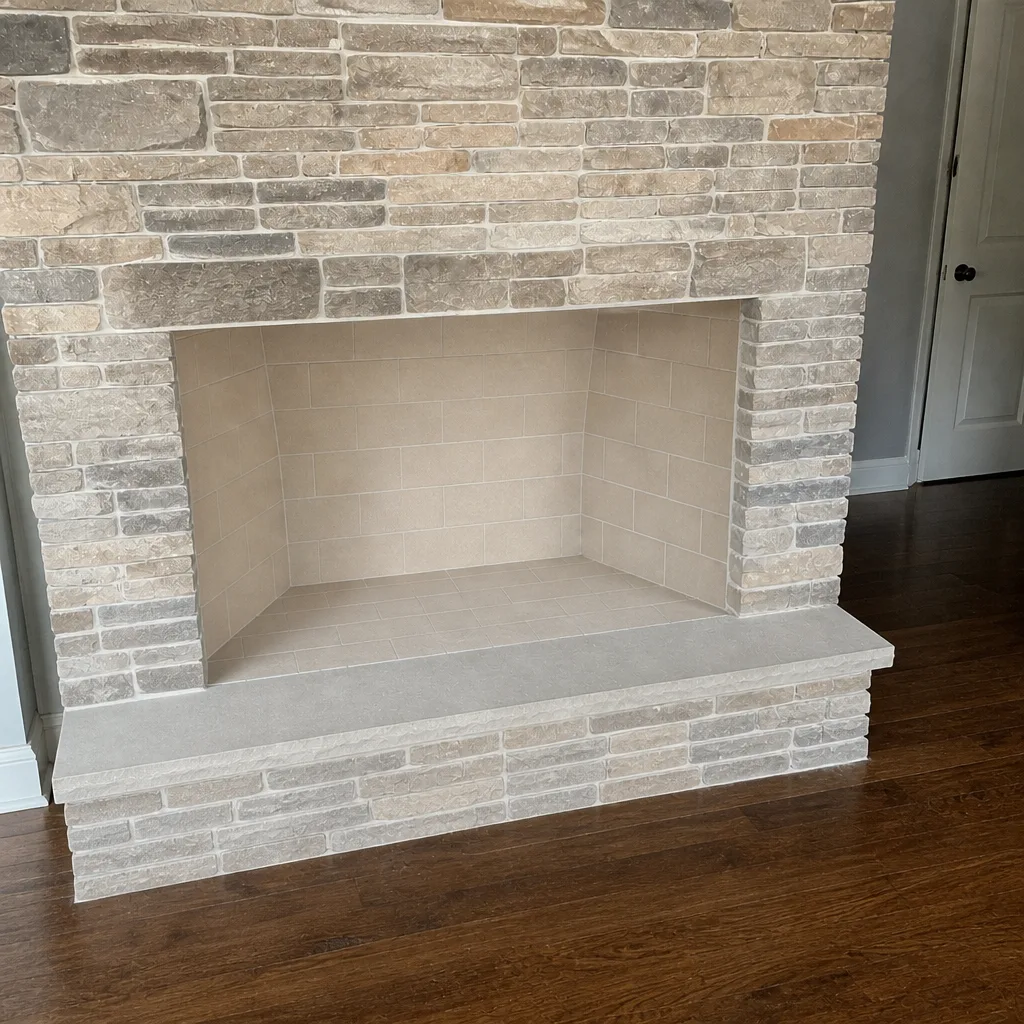 After
When to Call a Professional
Some jobs are DIY-friendly and some aren’t. Chimney work leans hard toward the second category, because the components at risk – the flue, the masonry, the crown – can’t be inspected safely from the ground and can’t be repaired with consumer products without doing more damage than they fix. Call a professional if there’s a strong odor when the fireplace isn’t in use, if you see cracked or flaking masonry on the chimney exterior, if the crown is cracked or missing chunks, if smoke backs into the room during a fire, or if it’s been a season since the chimney was last inspected. Call about the dryer vent too if the dryer takes noticeably longer to dry clothes or the exterior vent flap doesn’t open fully – those are signs of a clog that’s worth taking seriously. The safety angle is straightforward: a chimney fire and a lint-clogged dryer vent are two of the more common fire sources in a home, and both are preventable with routine service. Charlotte Chimney Cleaning offers free estimates in Charlotte – call (855) 412-0975. We answer 24/7, and fast dispatch runs from 7am to 7pm, Sunday through Friday.
Frequently Asked Questions
There isn’t one “best” brand across all chimney work, because the categories are different businesses. For flue resurfacing, HeatShield is the standard professional name. For stainless liner systems, DuraFlex and Olympia Chimney are installation-grade. For masonry water repellents, silane-siloxane products under the ChimneySaver and SaverSystems names are what certified professionals specify rather than hardware-store sealants. The right question is which brands a contractor uses across each category, not which single brand stands above all.
For chimney masonry, a vapor-permeable professional sealant is the safer choice. Consumer sealants are often film-forming acrylics or silicone blends that block vapor from escaping, which traps moisture in the brick and can cause spalling over time. Professional silane-siloxane products let vapor escape while repelling liquid water, so the masonry stays dry from the inside out. Call (855) 412-0975 if you want us to look at your chimney and tell you what’s appropriate for your masonry – estimates are free.
Ask about a specific category rather than brands in general: “If our chimney needs an exterior sealer, what do you use and why that one?” Then ask for the product data sheet, ask whether they handle the repair side or refer it out, and ask what their warranty covers. Any professional has data sheets on hand. A contractor who can name specific products and explain the choice is usually the one using professional-grade materials, while vague assurances should give you pause. Call chimney sweep team today if you want to run the conversation with us – we’re happy to talk product.
HeatShield is a castable refractory system applied to the inside of a damaged flue to resurface it in place; a stainless liner system like DuraFlex is a new liner installed inside the existing flue. HeatShield is used when the structure can support resurfacing and the damage is to the liner surface – it can restore the flue without pulling the old liner out. A stainless reline is the right call when the structure itself is compromised or the flue isn’t sized correctly for the appliance. Which one your chimney needs depends on what the camera inspection shows; the choice gets made with evidence, not guesswork.
Vapor permeability determines whether moisture can escape from inside the brick after the sealer is applied. Charlotte’s humid summers load masonry with moisture and cold winter nights drive it back out through freeze-thaw cycles. A sealer that blocks vapor traps that moisture inside, and the expansion damages the brick face. A vapor-permeable silane-siloxane sealer lets moisture out while keeping liquid water off the surface, so the masonry dries properly and the freeze-thaw cycle does less damage. Ask for the vapor permeability rating on any sealer before it goes on your chimney.
Once a year is the standard recommendation for a wood-burning chimney, and more often if you burn heavily or notice strong odors, smoke backup, or visible masonry damage. The annual visit is the inspection that catches small problems before they get expensive. Call (855) 412-0975 to book a service – estimates are free, we answer 24/7, and fast dispatch runs from 7am to 7pm, Sunday through Friday.
The Bottom Line
The brands a chimney contractor uses are one of the clearest quality signals you have, and most homeowners aren’t asking about them. The product categories that matter – water repellents, crown coatings, liner sealants, creosote modifiers – each have professional-grade and consumer-grade versions, and the difference shows up in how the work ages over five and ten winters. Vapor permeability is the technical spec that separates the two on any masonry sealer, and asking for the data sheet is the fastest way to confirm what’s actually going on your chimney. Ask the contractor what they use, why they chose it, what the warranty says, and whether they handle the repair side or refer it out. The answers will sort the market quickly. At Charlotte Chimney Cleaning, our position is simple: professional-grade materials, not big-box substitutes, and one call covers your chimney and your dryer vent. Call (855) 412-0975 for a free estimate. We answer 24/7. Fast dispatch from 7am to 7pm, Sunday through Friday.
Written by the team at Charlotte Chimney Cleaning, serving Charlotte since 2018.