
Last updated November 14, 2026
 Sweep & inspection
 Caps & crowns
 Flue relining
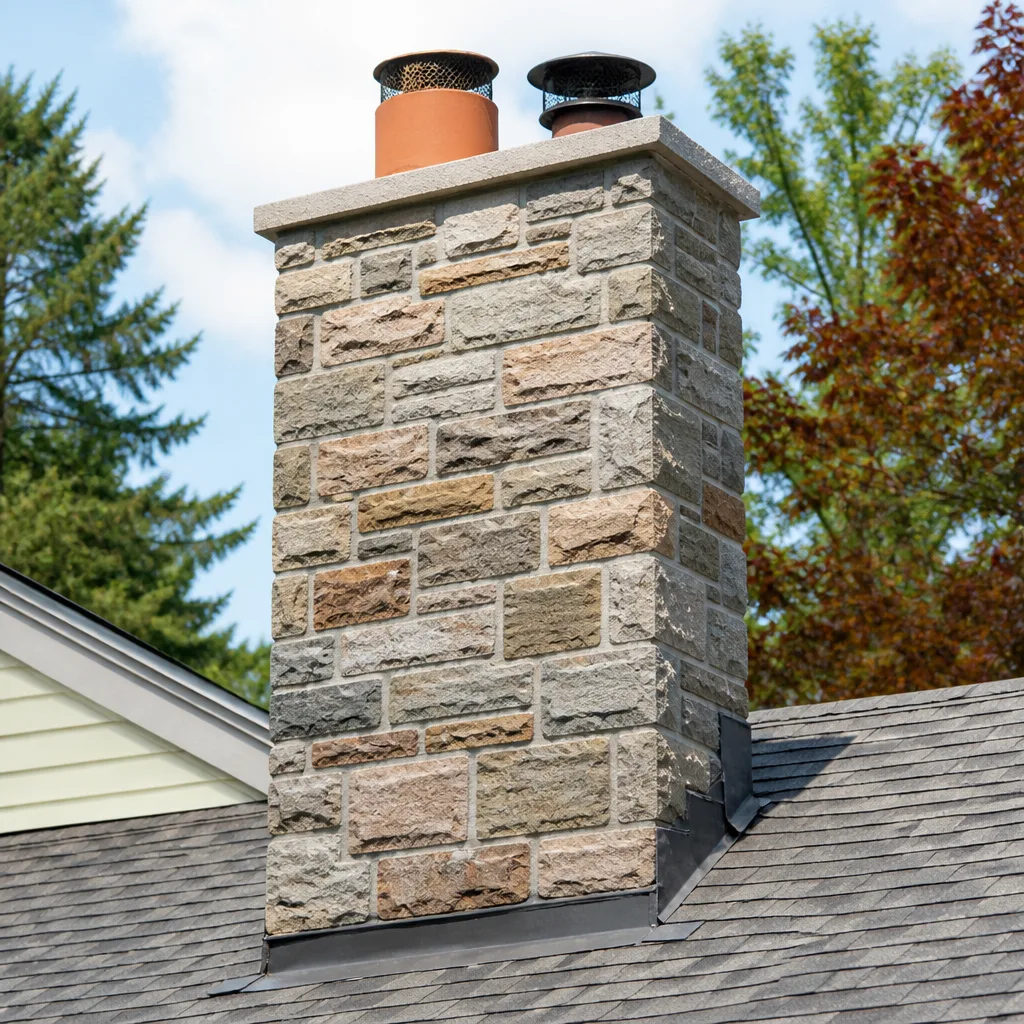 Masonry repair
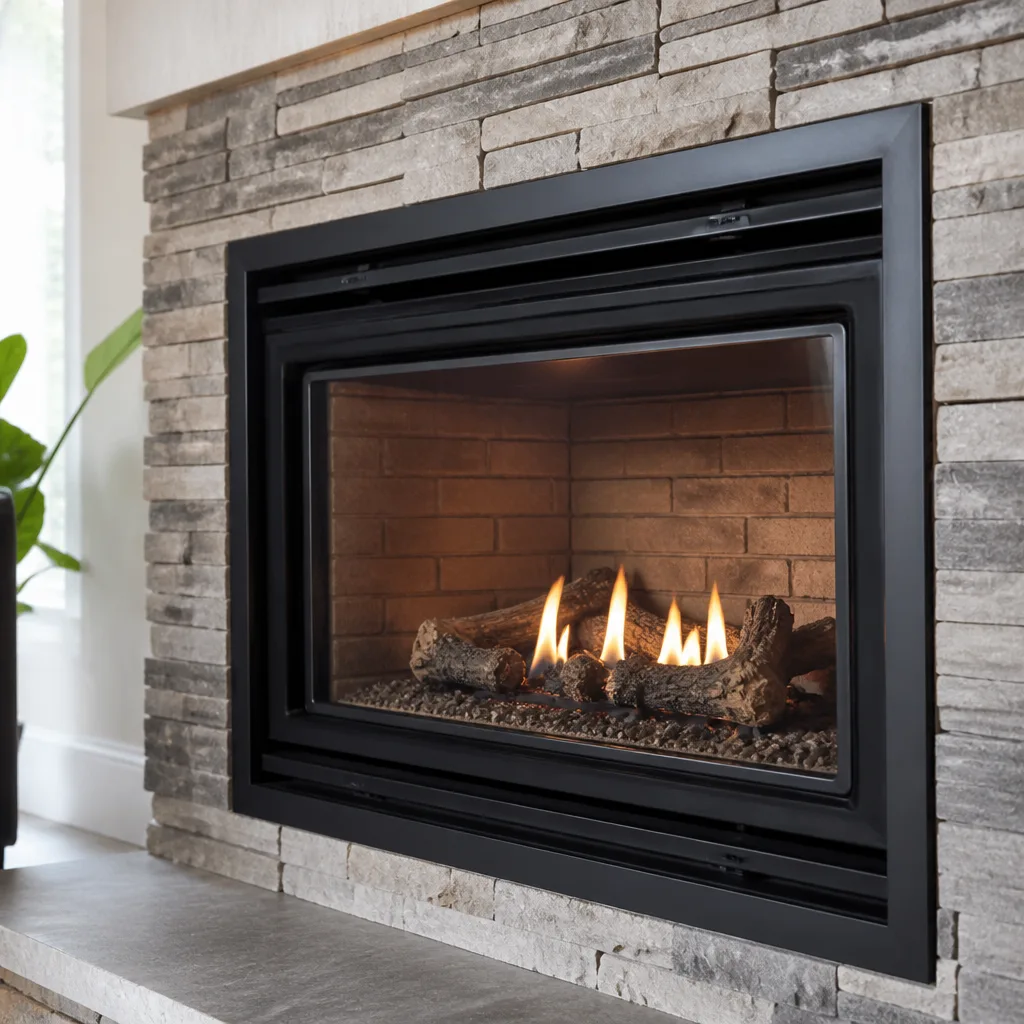 Gas fireplace service
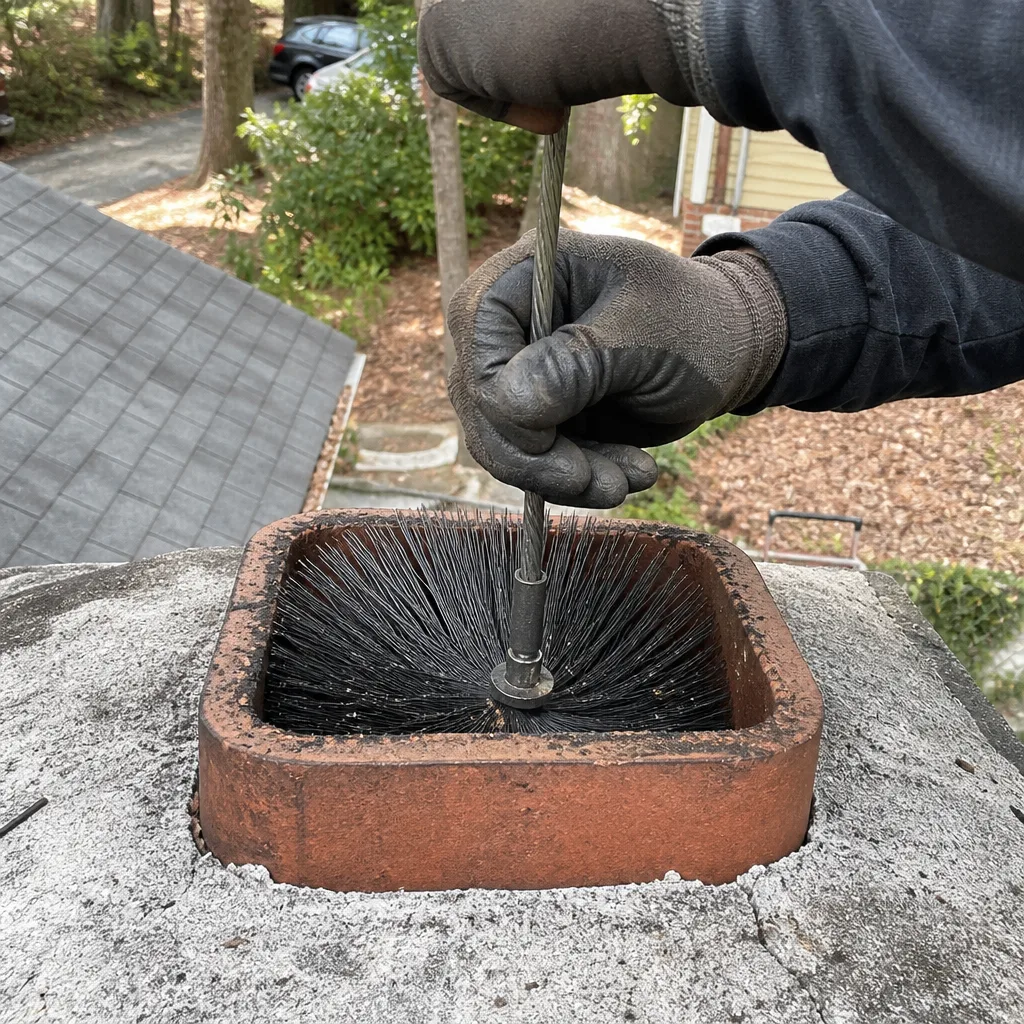
Level 1 sweep and inspection to the NFPA 211 annual standard - flue, crown, cap, and flashing checked and photographed
Chimney sweep logs do not sweep chimneys. They loosen some creosote - which then falls where a brush and vacuum still have to collect it.
Chimney Sweep Troubleshooting in Charlotte: Common Problems and How to Fix Them
If your fireplace smokes into the room every time wind picks up from the southwest, that isn’t bad luck. It’s usually a pressure problem, and it has a fix. Most chimney complaints homeowners write off as quirks of an old house – smoke rollback, a smell that shows up in summer, a fire that’s slow to catch, hairline cracks in the mortar – are symptoms with specific mechanical causes. Some are small: a damper that isn’t opening all the way, a missing cap. Others point to a flue liner that’s failed or a chimney that has pulled away from the house as the soil beneath it shifts. This guide walks through how to tell the difference, what you can safely check yourself, and when a professional needs to look. We’ll use Charlotte examples throughout because the local ground and the way homes here are built shape which problems show up most.
Quick Answer
Most chimney problems in Charlotte come down to four causes: creosote buildup that narrows the flue, negative pressure in tight modern homes that pulls smoke back into the room, water getting into masonry and mortar joints, and soil movement that cracks the chimney structure over time. You can diagnose a lot of it yourself with a flashlight and a few minutes of observation. Smoke rollback, persistent odor, slow draft, and visible cracking each point to a different fix, and a professional inspection with a camera settles the rest.
Styles & brands we work with
- Sweep & inspection
- Caps & crowns
- Flue relining
- Masonry repair
- Gas fireplace service
Table of Contents
- The Four Complaints We Hear Most in Charlotte
- Smoke Rollback: Why Your Fireplace Smokes Into the Room
- Clay Soil and Foundation Settling: How It Shows Up in Your Chimney
- How to Assess Creosote Stage Before You Call Anyone
- Chimney Odor: What It Means and Where It Comes From
- What You Can Fix Yourself vs. What Needs a Professional
- The Other Fire Hazard: Your Dryer Vent
The Four Complaints We Hear Most in Charlotte
Nearly every call we take about a chimney falls into one of four categories. Knowing which one you’re dealing with narrows down the cause before anyone shows up.
- Smoke rollback: smoke spills out of the firebox into the room instead of going up the flue. Usually pressure, draft, or a flue that’s too small for the opening.
- Odor: a smell in the house, often strongest in warm months or when it’s humid. Usually creosote, soot, or moisture in the masonry.
- Slow draw: the fire lights but struggles, burns lazy, and smokes at startup. Usually a cold flue, a blocked cap, or buildup narrowing the passage.
- Visible cracking: cracks in the firebox, the crown, the mortar joints, or the exterior masonry. Usually water damage, settling, or age.
These overlap more than people expect. A slow-drawing fire leaves more creosote, which causes odor, which masks a draft problem. Cracking in the crown lets water in, which freezes and expands, which widens the crack and eventually shows up as a smoky fireplace. In our experience, the complaint that brings someone to the phone is rarely the only thing going on. That’s why the diagnosis matters more than the symptom.
Charlotte homes sit on a mix of red clay and the older construction that came before the subdivisions spread out. A house built in the 1950s and a house finished last year can have the same complaint for completely different reasons. Age of the home tells you less than people assume. What matters is the flue construction, the cap, the height of the chimney relative to the roofline, and how tight the house is sealed.
Before anything else, find out what kind of chimney you have. A masonry chimney with a clay tile liner, a factory-built fireplace with a metal flue, or a gas insert vented through a smaller pipe each has its own set of likely failures. Most Charlotte homeowners have never looked up their own flue. A flashlight and a mirror gets you a first look, and we cover that below.
Smoke Rollback: Why Your Fireplace Smokes Into the Room
Smoke rollback is almost always a pressure problem, not a dirty chimney. The fire needs to pull air up and out. If the house is fighting it for that air, the smoke goes where the path of least resistance leads – into the room.
Charlotte’s newer construction is part of the story. Tightly built, well-insulated homes are efficient at holding heat and air. That’s good for your energy bill and bad for your fireplace. A modern house with a sealed envelope, a strong HVAC system running, and exhaust fans pulling air out of the kitchen and bathrooms can put the chimney in competition with the house for the same air. The pressure inside drops, and the flue loses its draft. Older homes that leak air through gaps and penetrations rarely have this problem because there’s plenty of makeup air available.
There’s a geographic piece too. Charlotte sits in a basin with ridges to the west, and wind coming over those ridges from the southwest can create pressure on the leeward side of a house. A chimney on the wrong face of the roof, or one that doesn’t clear nearby trees or a taller neighboring roofline, can get pushed back on when the wind comes from that direction. If your fireplace smokes mainly on windy days, and mostly when the wind comes from one side, this is likely what’s happening.
What usually helps:
- Check that the damper opens fully and stays open. A damper that’s only partway open acts like a partially closed door.
- Crack a window near the fireplace an inch when you light the fire. If the smoking stops, you’ve confirmed a pressure issue.
- Warm the flue before lighting. A cold flue full of dense air needs a push to start drafting; a rolled newspaper held near the damper is the standard trick.
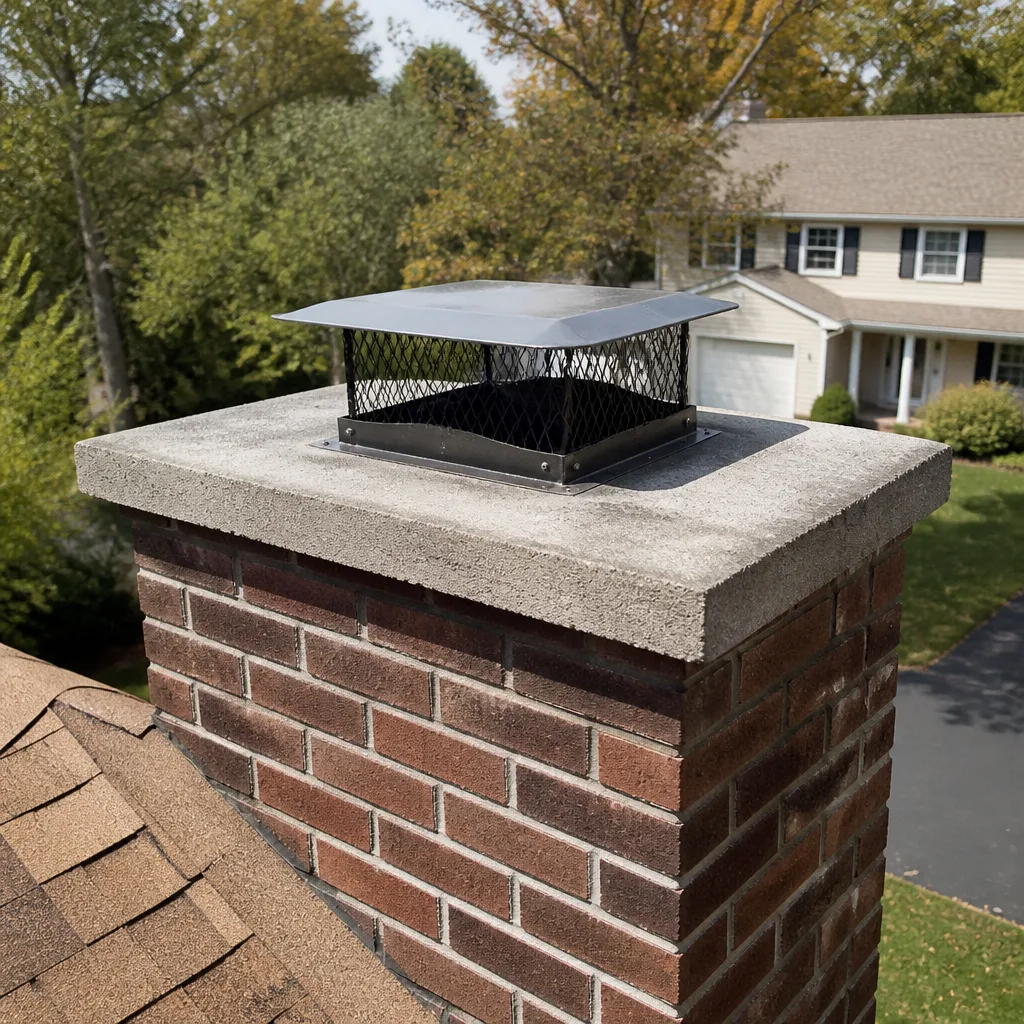
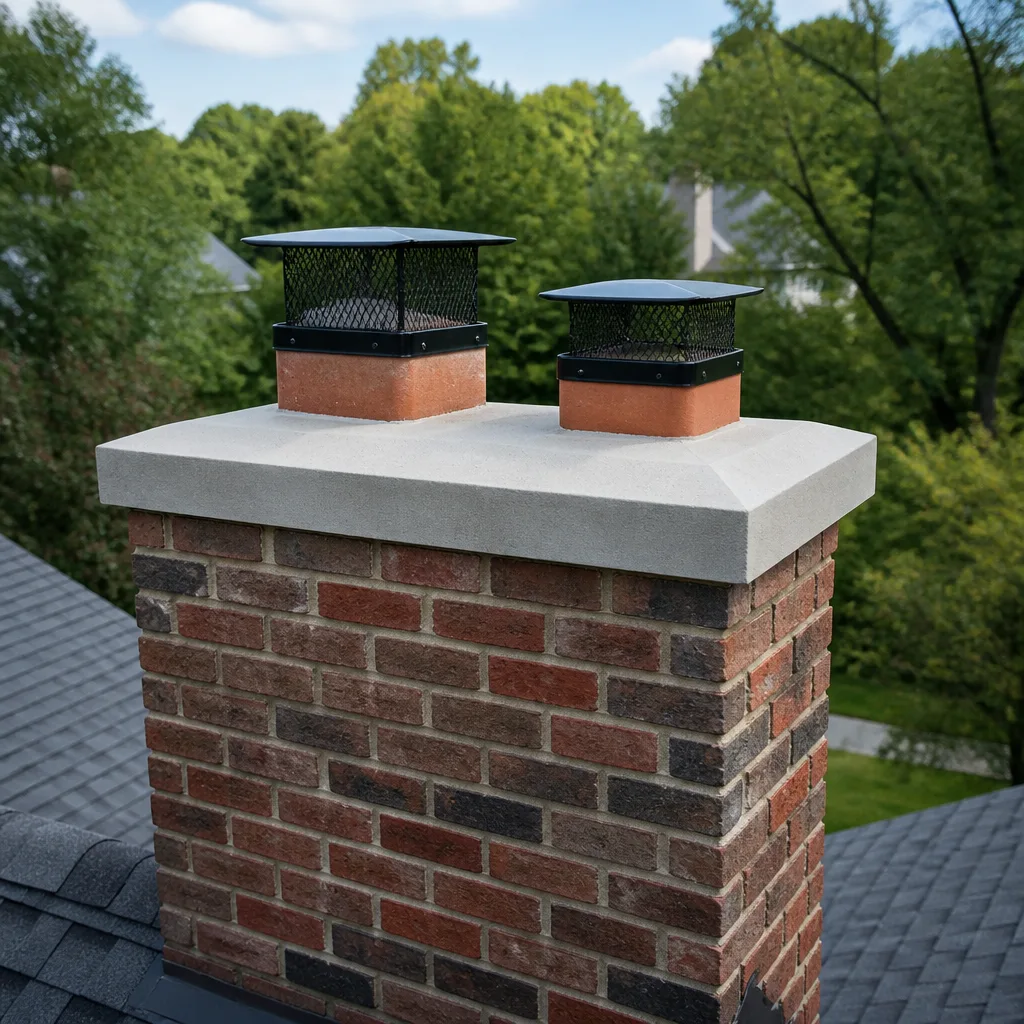
- Look at the cap. A clogged or wrong-sized cap restricts flow and makes pressure problems worse.
- Have the chimney height checked against the roofline. A chimney that’s too short relative to the roof or nearby obstructions will struggle in wind.
If a window crack fixes it, the long-term solution is usually better makeup air or a taller, better-placed termination. That’s a conversation to have with someone who can measure the flue and look at the whole system, not just brush it.
Clay Soil and Foundation Settling: How It Shows Up in Your Chimney
Charlotte’s clay soil holds water and moves when it does. It swells in wet weather and shrinks in dry spells, and that cycle puts stress on foundations over time. A chimney is a tall, heavy, relatively narrow structure sitting on its own footing, and it’s often the first part of the house to show the effects of that movement.
What you’ll see, in order of how early it typically shows up:
- Cracks in the mortar joints high on the chimney or at the roofline. These are often the first visible sign.
- A chimney that leans slightly away from or toward the house. The lean is easier to spot from the street than from the yard.
- Separation at the flashing where the chimney meets the roof, which lets water in and starts a second problem before the first one is fixed.
- Cracks that open and close with the seasons. These are the ones homeowners notice as “new” cracks that seem to appear and disappear.
Inside the house, these early signs are often invisible. That’s what makes settling tricky: the chimney can be failing structurally for years before anyone inside notices a thing. When it does show up indoors, it usually appears as smoke leaking at the joints, a smell that won’t leave, or a firebox that’s suddenly not drawing right.
The fix depends on how far it’s gone. A repointed mortar joint is a smaller job than a rebuilt chimney top, and a rebuilt top is a smaller job than a chimney that needs to be tied back to the structure. HeatShield is what we use for resurfacing a flue that’s deteriorated on the inside, and that can solve part of the problem without pulling the whole liner. But exterior masonry that’s cracking and moving has to be addressed on the outside. If a chimney has pulled away significantly, the conversation has to include a masonry or structural assessment. Reporting the lean and the cracks before they get worse is far cheaper than waiting.
How to Assess Creosote Stage Before You Call Anyone
Creosote is the residue left behind when wood burns, and it builds up in stages. Knowing which stage you’re looking at tells you how urgent the cleaning is and what kind of conversation to have with whoever you call.
Here’s how to check safely: with the fire out and the chimney cold, open the damper and shine a strong flashlight up the flue. Use a mirror to see the upper walls. Look at the firebox and the inside of the flue above the damper. Don’t reach up with tools or try to scrape anything out. This is a look, not a cleaning.
- Stage 1: Soot and light, flaky creosote. It brushes off easily. This is normal after a season of burning and is the least concerning.
- Stage 2: Crusty, flaky deposits that are harder to remove. This stage calls for a professional sweep with the right brushes, and it’s the point where annual cleaning stops being optional.
- Stage 3: Glazed creosote. The deposits look shiny, hardened, and tar-like. This is the stage most associated with chimney fires and it can’t be brushed off. It usually needs chemical treatment or professional removal, and in some cases the flue has to be relined.
What drives which stage you hit:
- Wood moisture. Unseasoned or damp wood burns cooler and leaves more creosote. Wood that’s been split and dried properly burns hot and leaves less.
- Fire temperature and airflow. A fire that’s smoldered or burned with a restricted damper leaves more residue than a hot, active fire.
- Flue condition. A cold flue, a rough interior, or a flue that’s too large for the firebox all cause deposits to collect faster.
- Frequency of cleaning. A flue that’s swept at the right interval never reaches stage 3. One that hasn’t been touched in years often does.
If you see glazed creosote, don’t burn anything else until it’s been dealt with. If you see stage 1 or stage 2, you have time, and a scheduled sweep is the right next step. Either way, take a photo with your phone while you’re looking. It gives whoever comes out a head start and it gives you something concrete to compare against when they show you what they see.
One safety note here: creosote fires are the main reason chimney sweeping matters. A flue coated in stage 3 creosote can catch fire from a single hot spark, and the fire can spread beyond the flue into the framing of the house. Nothing about that is a scare tactic – it’s the reason the sweep exists.
Chimney Odor: What It Means and Where It Comes From
A chimney that smells bad is telling you something is in it. The smell is rarely random, and figuring out which kind of smell you’re dealing with usually points to the cause.
- Smoky, ashy smell in summer: creosote and soot that have absorbed moisture. The warmth and humidity in Charlotte bring the smell out, even when the fireplace hasn’t been used in months.
- Musty, damp smell: water getting into the masonry, usually through a failed cap, a cracked crown, or failing flashing. Wet masonry and creosote together are worse than either alone.
- Dead animal smell: birds, squirrels, or raccoons that got into the flue. A missing or damaged cap is the usual way in. This one calls for more than a sweep because the animal and any nesting material need to be removed completely.
- Strong chemical or tar smell: the same glazed creosote we described above, and the same urgency applies.
What to do before calling anyone: check the cap and crown for damage, close the damper when the fireplace isn’t in use so house air doesn’t draw through the flue, and open windows on warm days to let the flue breathe. A cap replacement or a crown repair often solves the odor entirely, because it stops the moisture source. A sweep solves it when the problem is buildup. Both are small jobs compared to what happens when moisture and creosote sit together for years.
Here’s the thing about odor in a Charlotte home: it can travel in unexpected ways. A smell that seems to be coming from the fireplace can actually be a dryer vent problem, an attic ventilation issue, or a nearby flue in a multi-flue chimney. We’ve seen all three. If the smell is strongest near the laundry room, it’s worth having the dryer vent cleaning checked at the same visit.
What You Can Fix Yourself vs. What Needs a Professional
Some chimney problems are genuinely yours to solve. Others aren’t, and the difference usually comes down to whether the fix touches the flue or the structure.
Safe to handle yourself
- Damper adjustment: if the damper opens stiffly, it may need cleaning or a small adjustment. If it’s broken or stuck, that’s not a task to force.
- Cap replacement: a damaged or missing cap on a chimney you can safely reach is a common fix. Any work at roof height needs a proper ladder and safety plan; don’t do it if the roof is steep or the chimney is on a multi-story home.
- Fireplace screen and ash cleanup: routine maintenance that helps keep the firebox clear.
- Wood selection and storage: dry, well-seasoned wood and a dry storage spot dramatically reduce creosote buildup over time.
- Damper-closed habits: keep the damper shut when the fireplace isn’t in use to stop house air from feeding the odor problem.
Needs a professional
- Flue cleaning beyond the firebox: the tools and the technique to sweep a flue without damaging it aren’t something to improvise.
- Glazed creosote removal: this is a professional job. Chemical treatments and proper removal technique both matter, and a homeowner with a stiff brush can damage a flue trying to do it themselves.
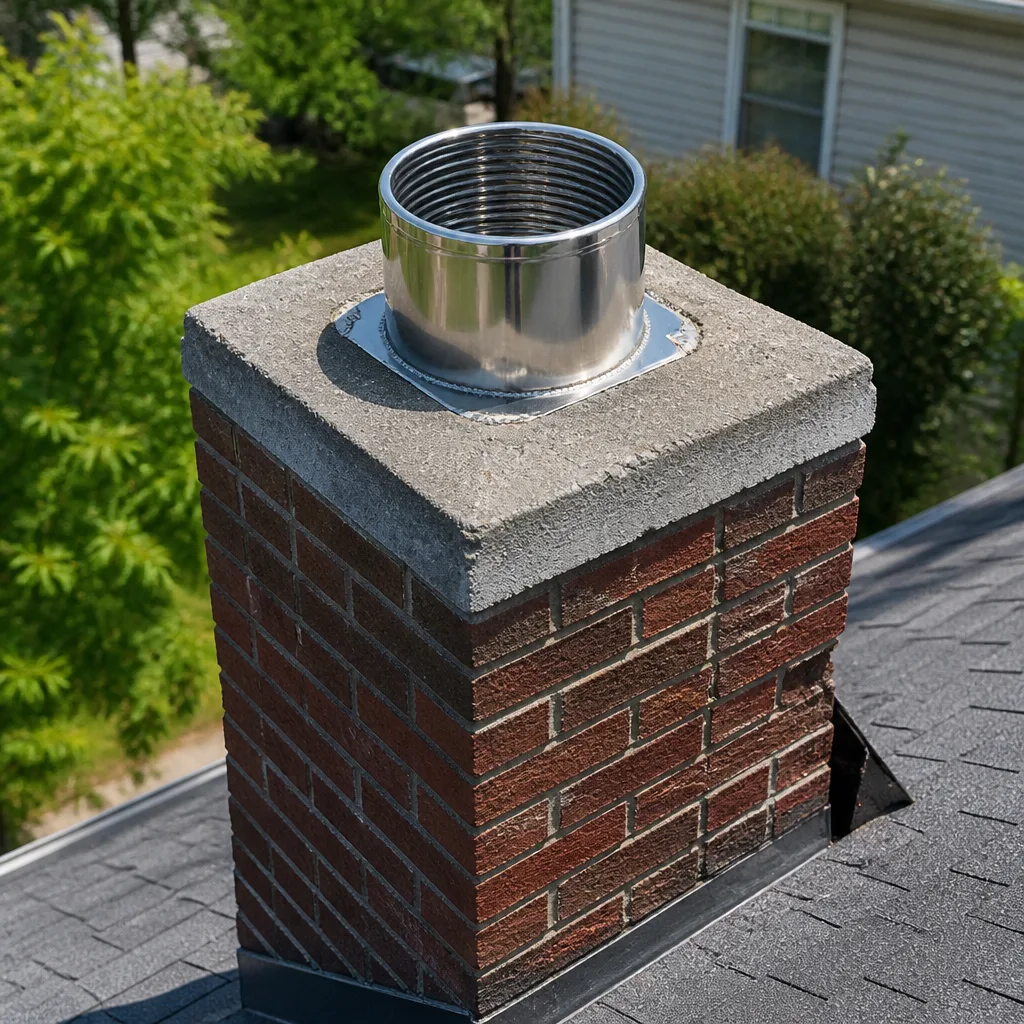
- Liner repair or relining: this touches the entire flue system and is the kind of work where professional-grade materials make a real difference. We use DuraFlex liners and Olympia Chimney components, which is the same class of product certified chimney professionals specify.
- Flue resurfacing: HeatShield is a professional-grade resurfacing system that can repair a deteriorated flue without a full liner replacement in the right conditions. That’s a call for someone with the training to know when it applies.
- Firebox and masonry repair: cracks in the firebox or the surrounding masonry need a proper repair, not a patch.
- Structural work on a leaning chimney: this needs a professional assessment of the whole chimney and the connection to the house.
The line between “I can fix this” and “call someone” is mostly about risk. If the work involves a ladder, a flue, or fire, the cost of getting it wrong outweighs the cost of a professional visit. If it’s a damper, a cap you can reach safely from a stable spot, or better wood, go ahead. We’d rather you know which is which than pay for a visit you didn’t need.
The Other Fire Hazard: Your Dryer Vent
A dryer vent is a chimney for lint, and lint is fuel. The same house-fire concern that makes a chimney sweep worth scheduling applies to the vent that runs from your dryer to the outside of your house. Lint accumulates in the duct, the vent run gets restricted, and the risk rises. In multi-story Charlotte homes with long duct runs, the problem is easy to miss because you can’t see most of the duct.
Signs the vent needs attention:
- Clothes take longer than they used to and feel hot when the cycle ends.
- The outside vent flap doesn’t open fully when the dryer runs.
- The laundry room gets humid or feels warmer than the rest of the house.
- You can’t remember when the vent was last cleaned.
A dryer vent cleaning uses professional equipment to clear the full run and pull out what’s collected. We use Famco-compatible components for the vent work, so the connections and terminations are professional-grade rather than improvised. If the vent run itself is poorly designed, that’s also a conversation worth having: a long, twisted duct will keep collecting lint regardless of how well it’s cleaned. A shorter, straighter run solves it long term.
What makes the dryer vent cleaning worth pairing with the chimney visit is simple: it’s one appointment, one trip, and both hazards get addressed. If we find something in the chimney that needs repair, we’re set up to handle the chimney sweep side of the work as well. The liner and masonry work doesn’t get handed off to a separate mason.
Common Mistakes to Avoid
- Burning unseasoned wood to save time. Damp wood burns cool, and cool fires produce much more creosote. Let your wood dry properly before you burn it, especially with the humidity we get here.
- Skipping the cap because “it looks fine from the ground.” Caps fail in ways you can’t see from below – cracked edges, gaps, or missing spark screens that let birds in. Check it from a safe vantage point, or have it checked as part of a sweep.
- Gluing or caulking over a cracked crown. A sealant over a crack will fail in the next freeze, and it hides a problem that needs a real repair. The crown is there to shed water away from the masonry, and it needs to actually do that.
- Assuming the fireplace is smoky because the chimney is dirty. A dirty flue can cause smoke, but rollback is often pressure and height. Cleaning a flue that doesn’t need it won’t stop the smoke.
- Not checking the dryer vent because it’s not the fireplace. Lint fires are a real hazard and the vent run is much harder to inspect than the firebox. If it’s been years, get it looked at.
- Waiting on a visible crack or lean. Clay soil movement in Charlotte is gradual. A crack that shows up on the outside has usually been developing for a while, and a small repair now is cheaper than a rebuilt chimney later.
- Calling a sweep-only service when the chimney needs repair. If the flue is cracked, the crown is failing, or the liner is damaged, you want a company that handles the repair, not one that inspects, cleans, and then hands you off to a mason.
See the difference
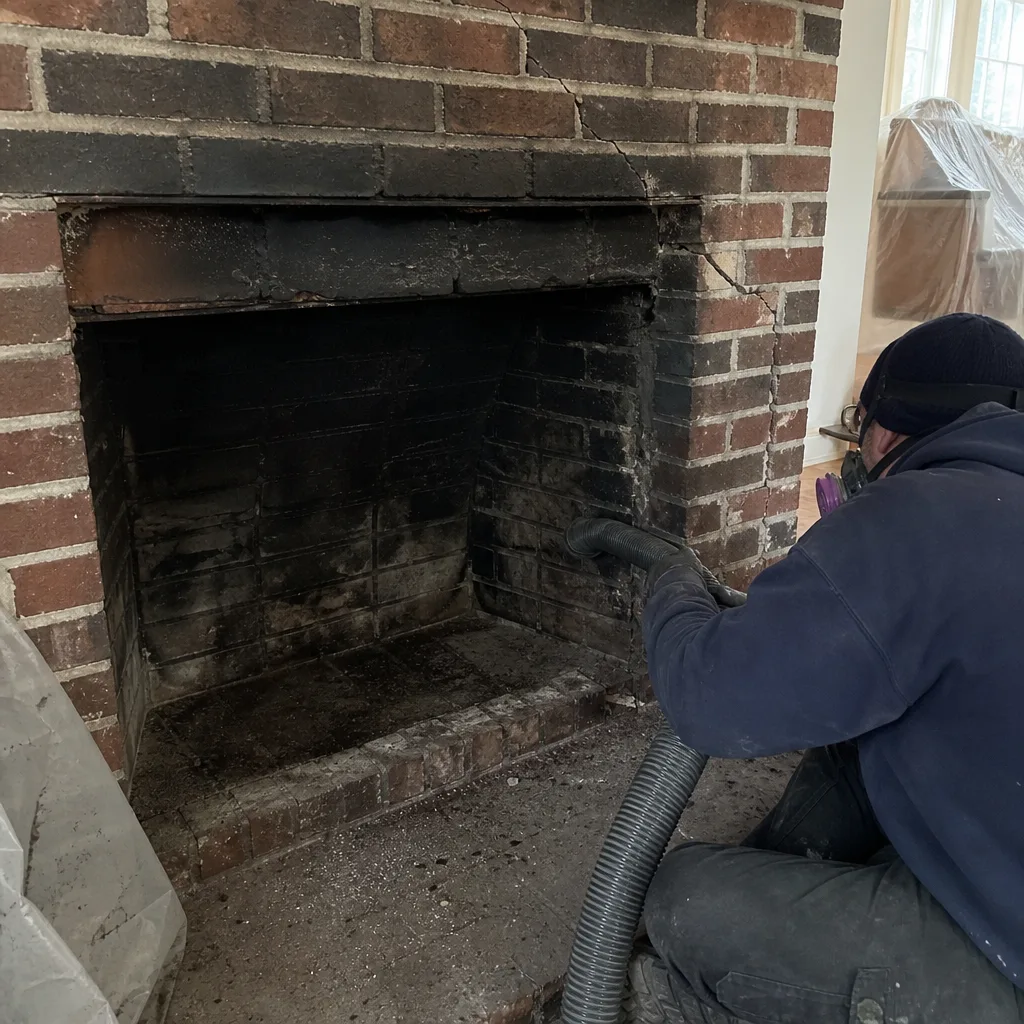 Before
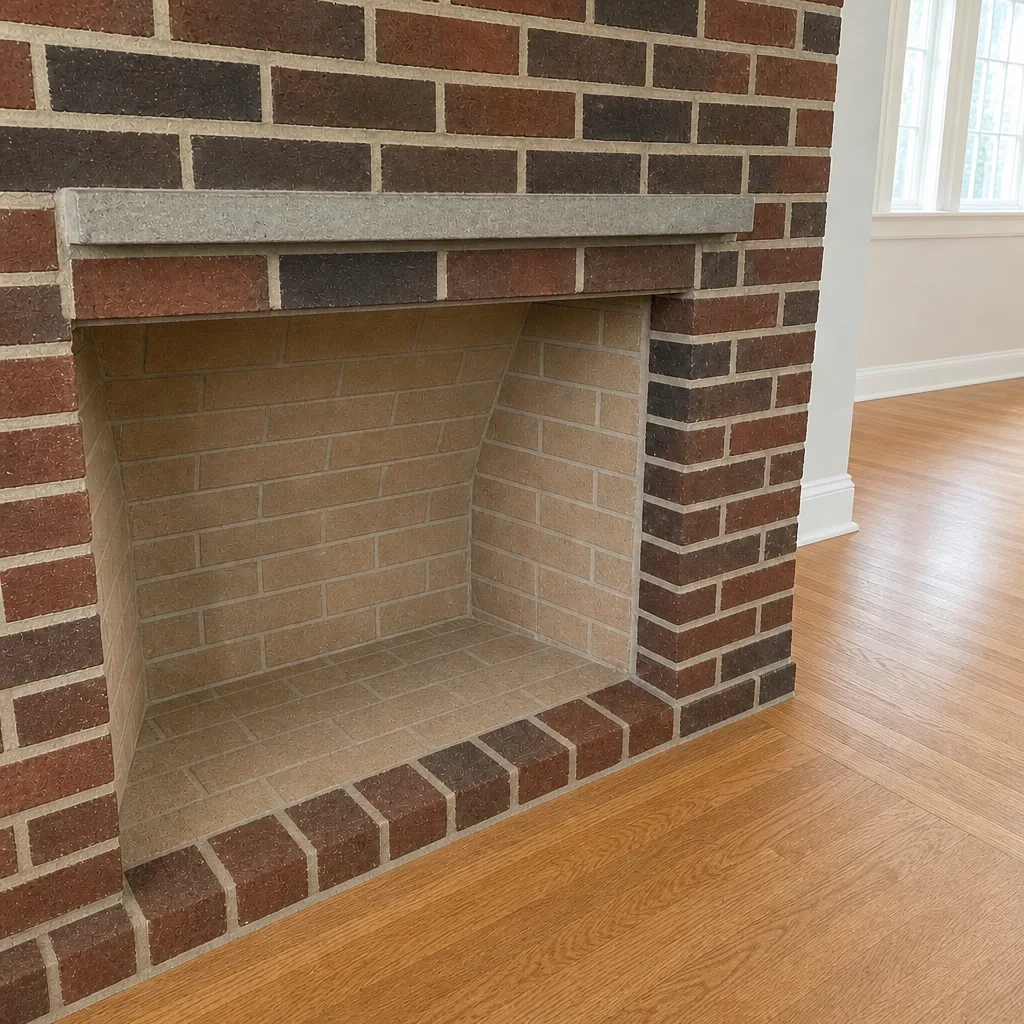 After
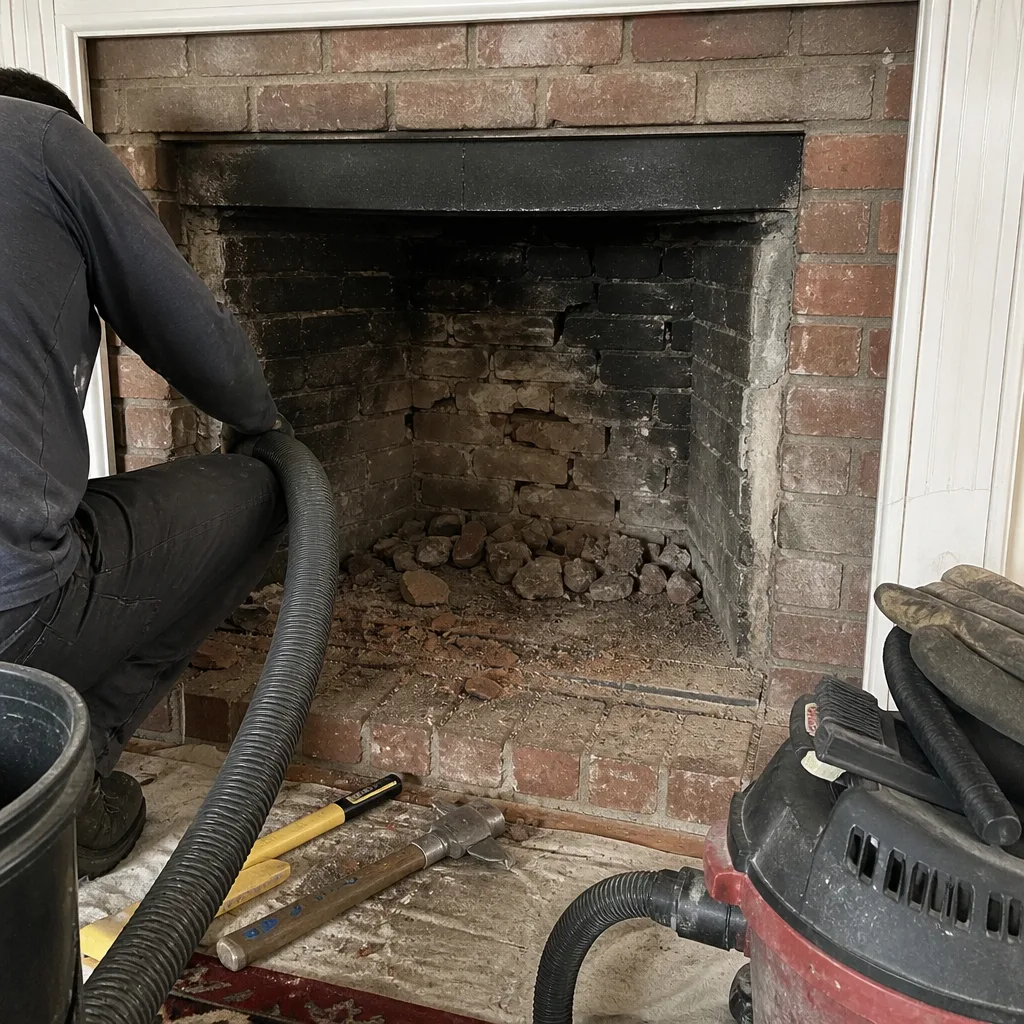 Before
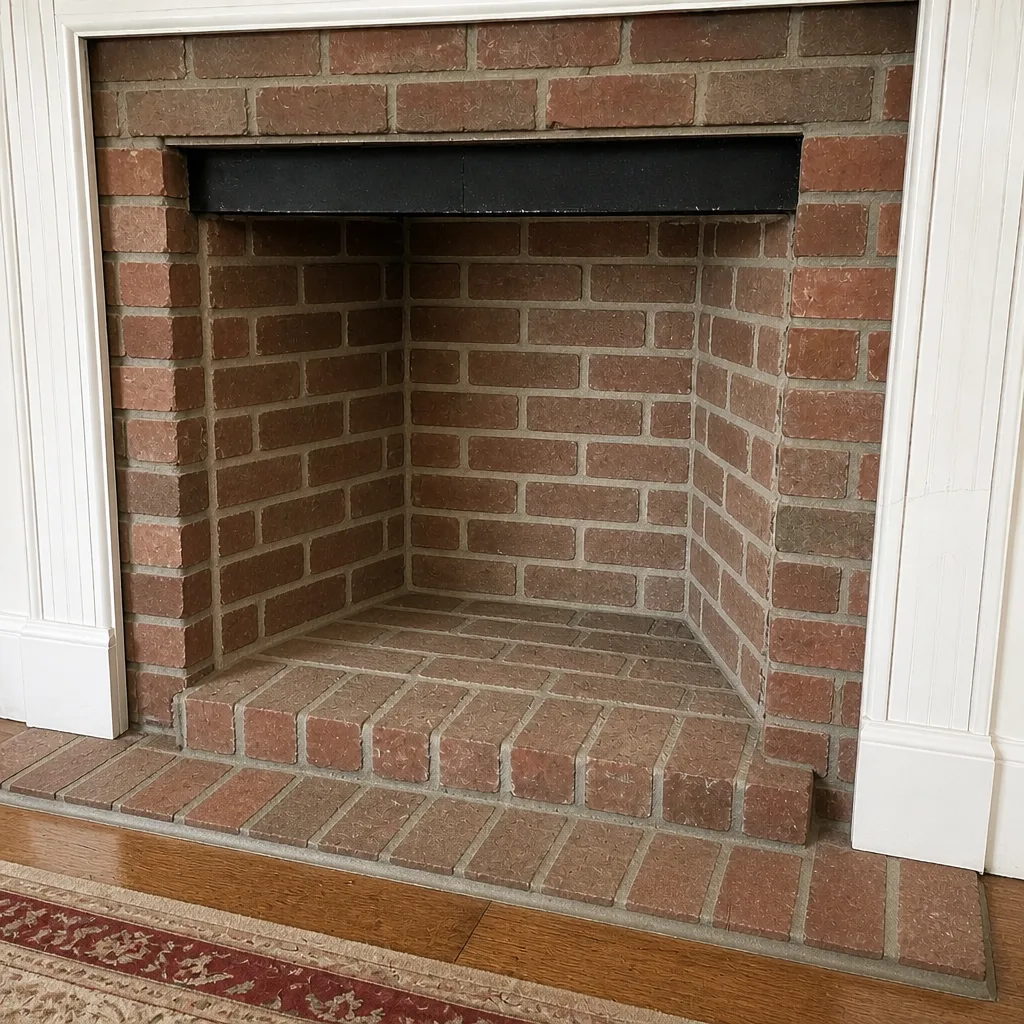 After
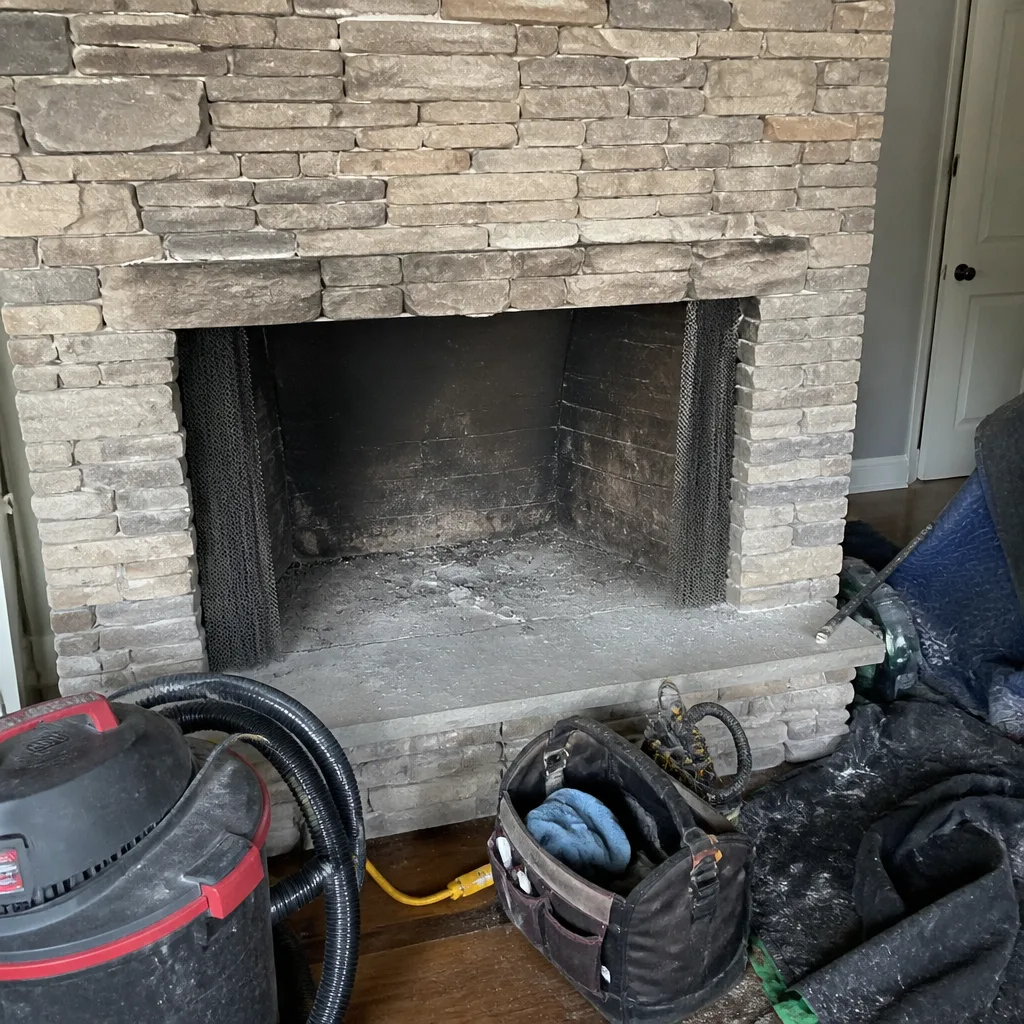 Before
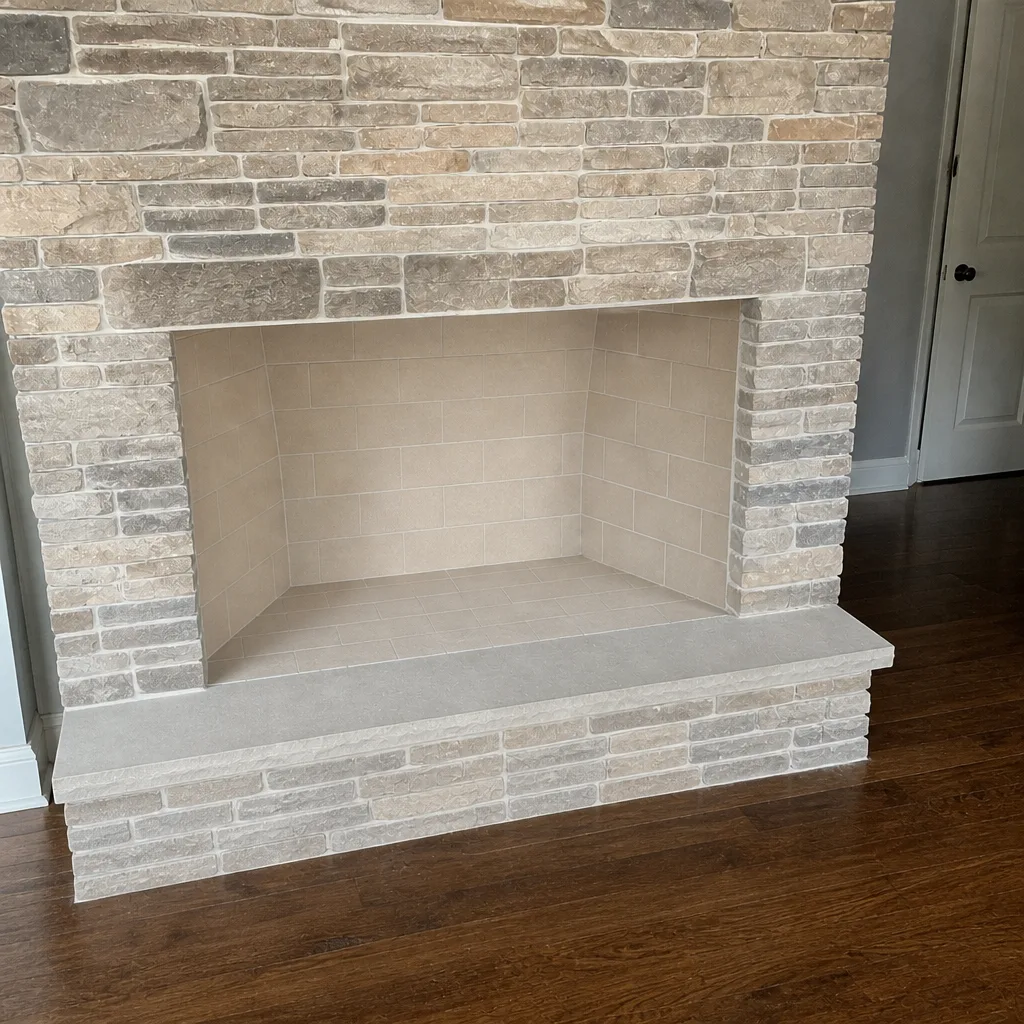 After
When to Call a Professional
Call a professional if you see glazed creosote, if your fireplace smokes into the room on more than one occasion, if the mortar joints are cracking or the chimney leans, if you smell a musty or chemical odor, or if it’s been more than a year since your last sweep. Call sooner if you’ve had a chimney fire, even a small one, or if the firebox has visible cracks. Those are the cases where a camera inspection and a real repair plan matter.
Charlotte Chimney Cleaning offers free estimates in Charlotte – call (855) 412-0975. We answer 24/7. Fast dispatch from 7am to 7pm, Sunday through Friday. The written estimate sets the final price, and if the work can safely wait, we’ll tell you that too.
We’ve served Charlotte since 2018, and one thing hasn’t changed: the homeowner who understands what’s wrong gets a better outcome than the one who’s guessing. Our job is to make the diagnosis clear and show you what we found.
Frequently Asked Questions
A standard chimney sweep is priced per job by a written estimate, and a sweep that needs repair work is quoted separately once we know what’s there. Estimates are free, so there’s no cost to find out what your chimney actually needs. Call (855) 412-0975 for an exact quote – estimates are free.
Not always. Many flues with deteriorated interiors can be resurfaced instead of relined, and HeatShield is the system we use for that when it’s appropriate. We’ll show you the camera footage and explain why one option fits better than the other before you decide. Call (855) 412-0975 for an exact quote – estimates are free.
Once a year for most wood-burning fireplaces, and more often if you burn frequently or burn wood that isn’t fully dry. Gas inserts and vented appliances have their own service intervals. If it’s been more than a year, it’s due. Call (855) 412-0975 for an exact quote – estimates are free.
Creosote builds up, draft gets worse, and the flue becomes more likely to catch fire. On the exterior, water gets into cracks and the damage grows with every freeze. It’s a slow problem for a long time and a sudden one when it isn’t. Call (855) 412-0975 for an exact quote – estimates are free.
Wind from the southwest creates pressure on one side of the house, and if the chimney doesn’t clear the roofline or it sits on the wrong face, that pressure can push smoke back down the flue. The fix is usually related to chimney height or a better vent termination. Call (855) 412-0975 for an exact quote – estimates are free.
For most of the work, yes. We handle inspection, cleaning, and repair, including HeatShield resurfacing and DuraFlex liner work, so the same company that finds a problem can fix it. Structural work that falls outside chimney repair gets explained clearly so you know what’s needed and why. Call (855) 412-0975 for an exact quote – estimates are free.
The Bottom Line
Chimney problems in Charlotte are diagnosable. Smoke rollback is pressure, not bad luck. Odor points to moisture or buildup. Slow draw means the flue is restricted or cold. Cracking and lean usually trace back to clay soil and water. You can check creosote stage with a flashlight, spot a failed cap visually, and decide which problems to hand to a professional. The rest comes down to getting an honest read on the whole system from someone who can both inspect and repair it. A Charlotte chimney professional can look at the system, not just the firebox.
At Charlotte Chimney Cleaning, we handle chimney sweeps, dryer vent cleaning, and repair under one roof, with professional-grade materials including DuraFlex, HeatShield, Olympia Chimney, and Famco. That means no second contractor and no handoff once the diagnosis is made.
If you’re seeing any of the problems in this guide, call (855) 412-0975. We answer 24/7, fast dispatch runs from 7am to 7pm, and estimates are free. The estimate will show you what the chimney needs, what can wait, and what the final price will be.
Written by the team at Charlotte Chimney Cleaning, serving Charlotte since 2018.