
Last updated November 14, 2026
 Sweep & inspection
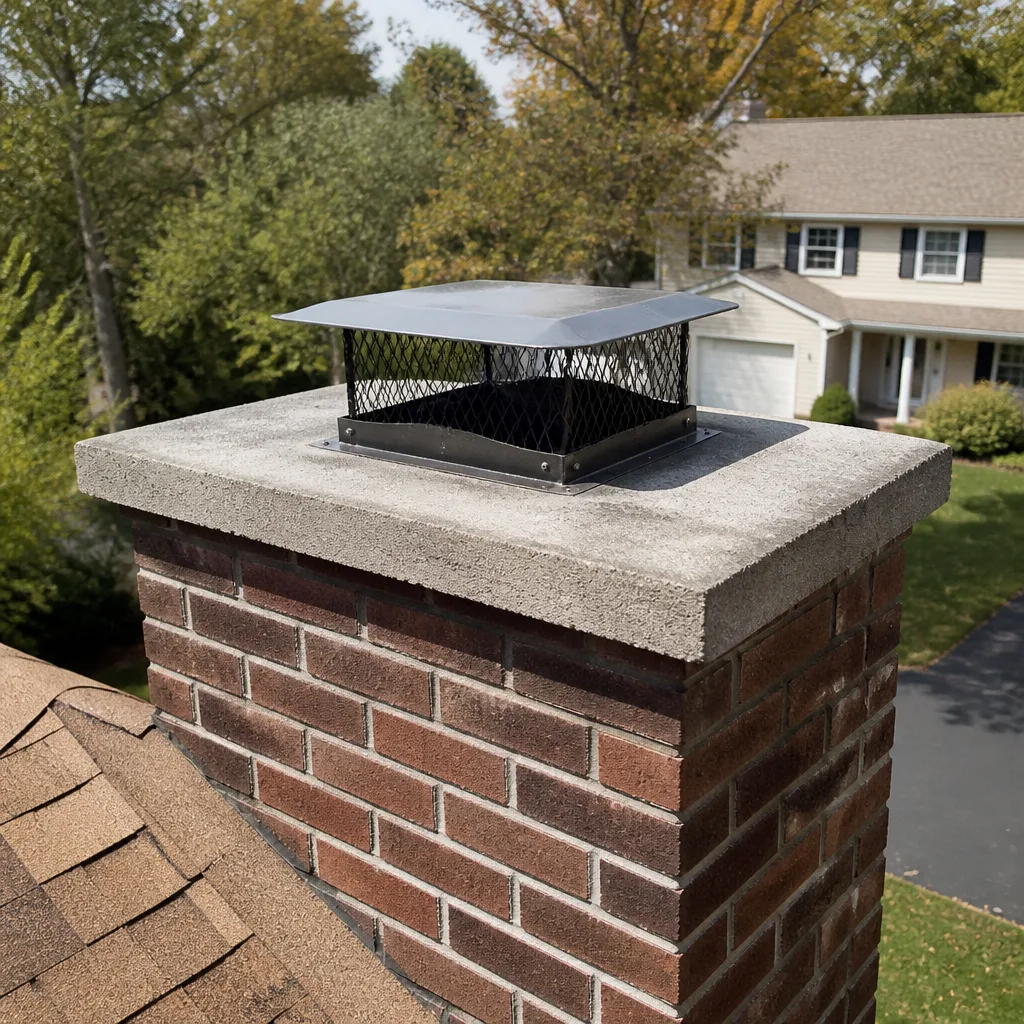
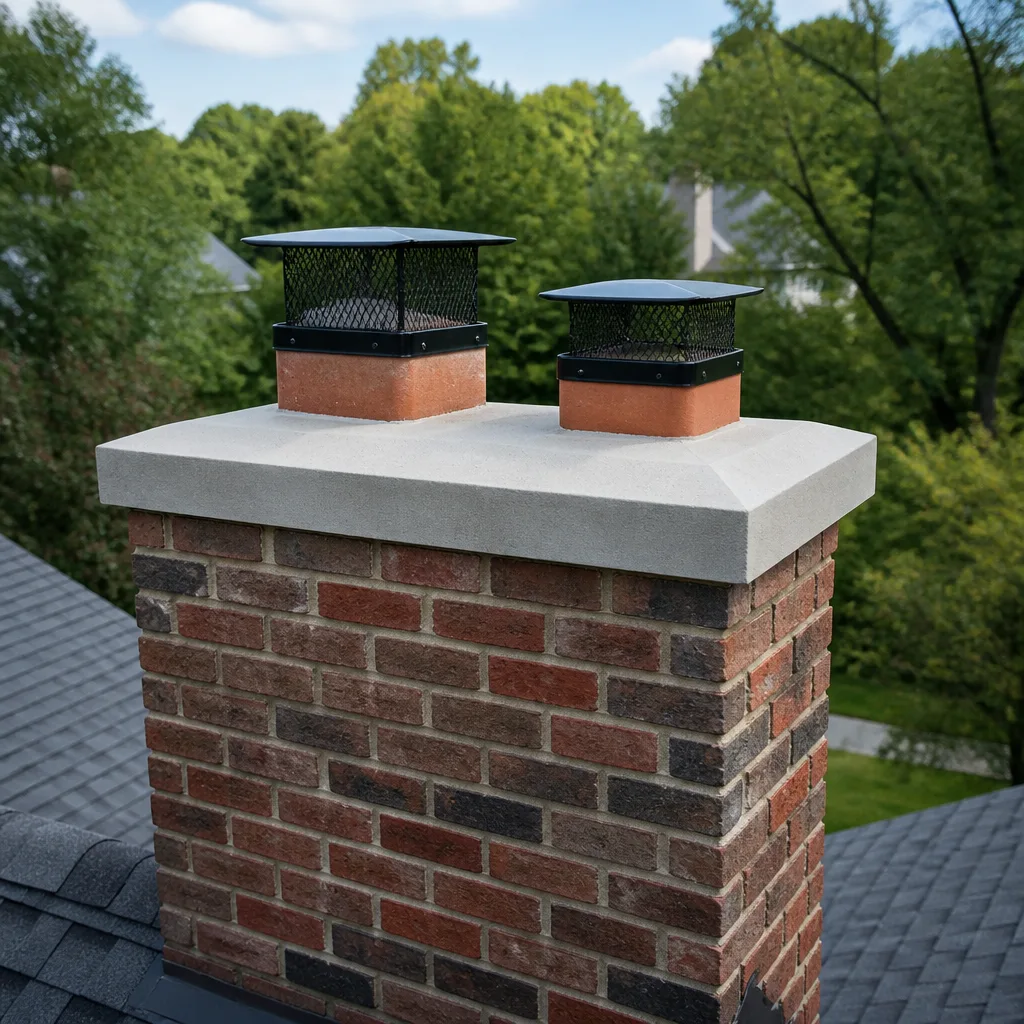 Caps & crowns
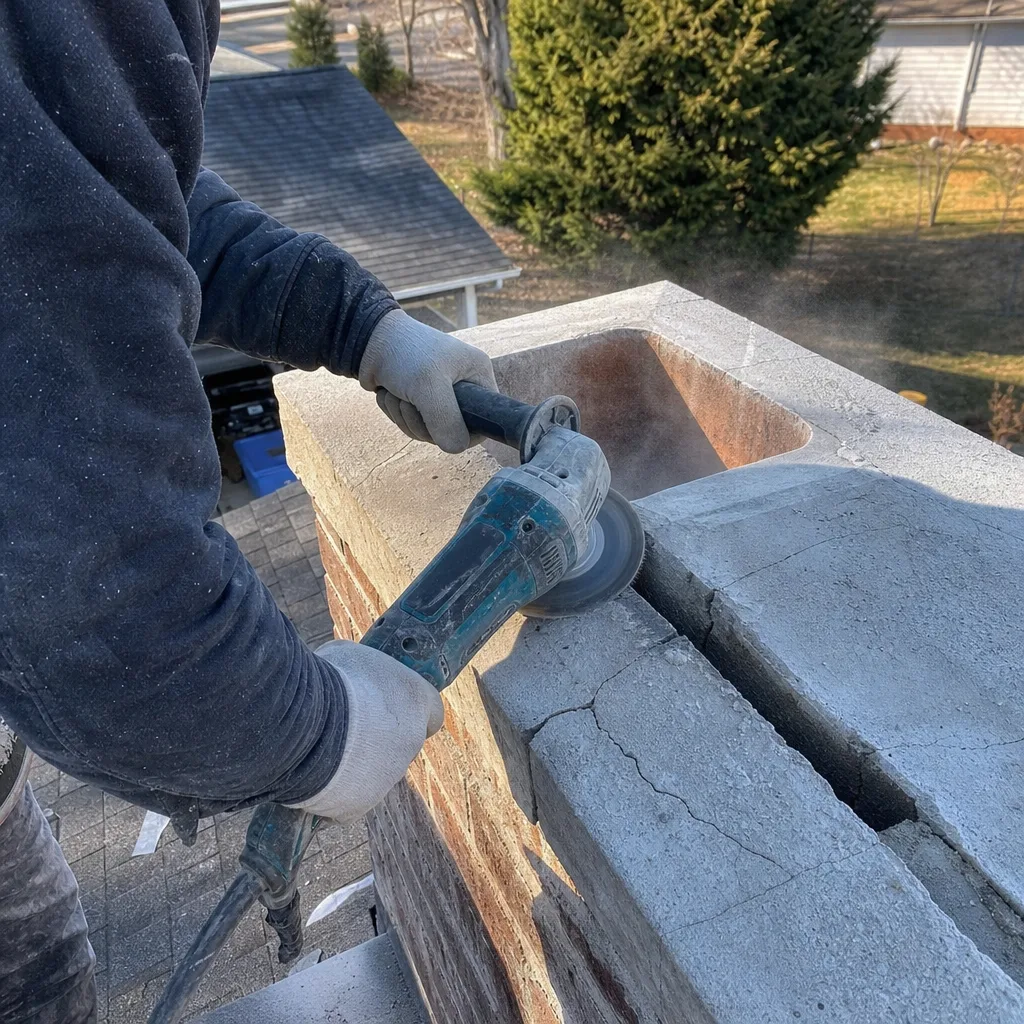
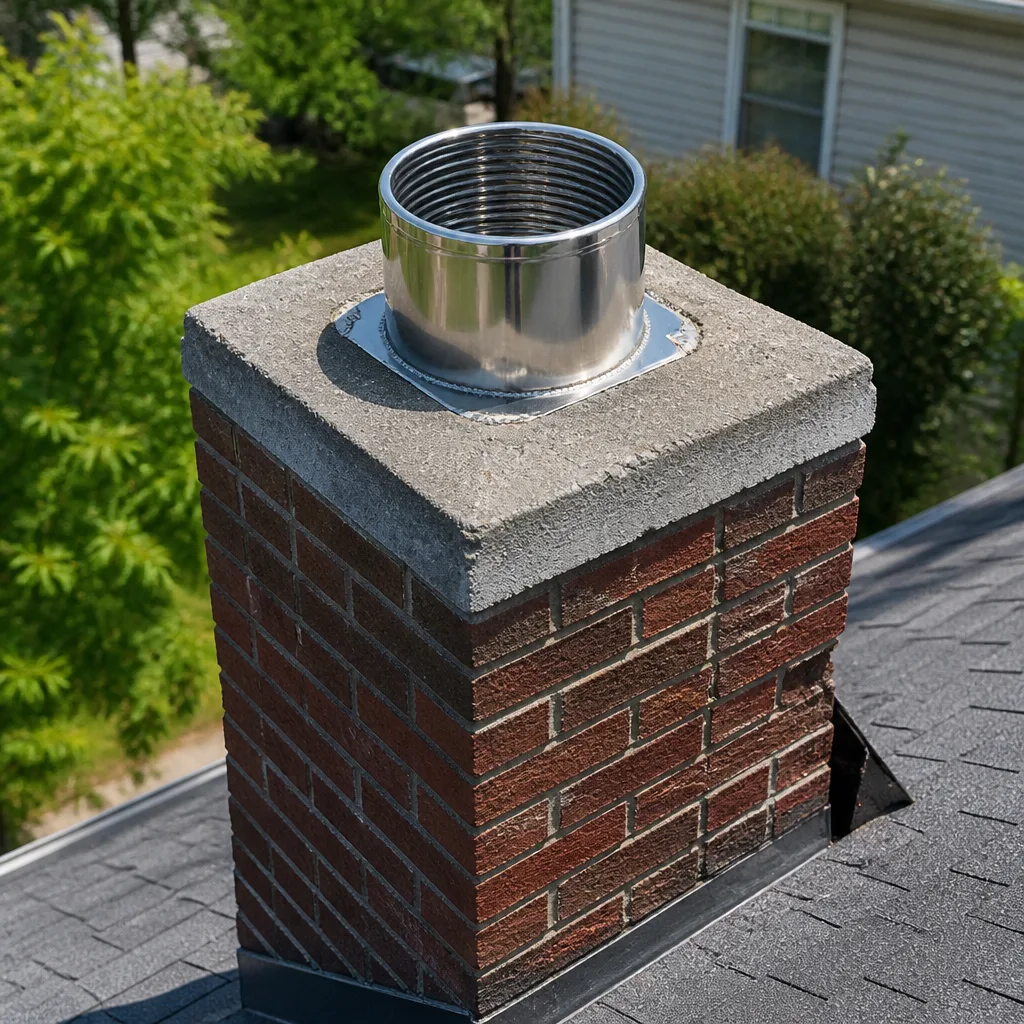 Flue relining
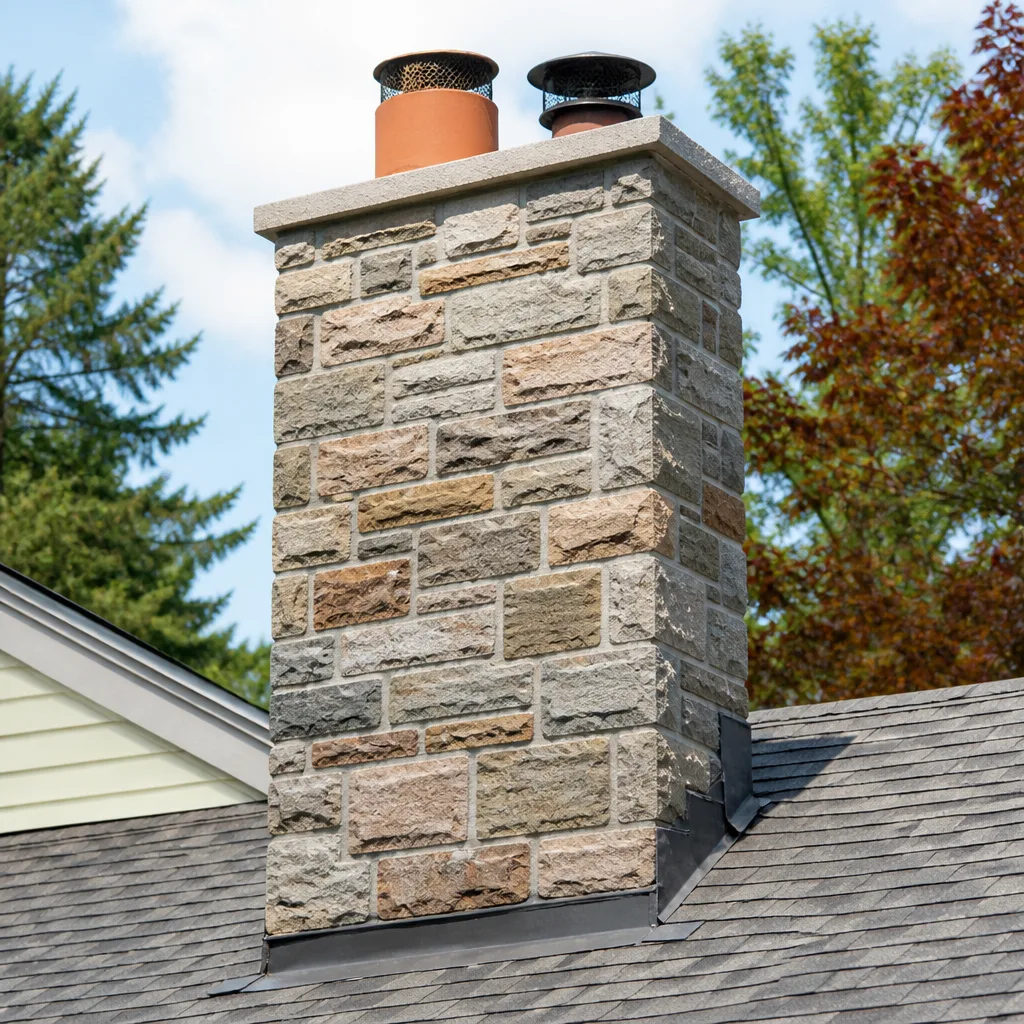 Masonry repair
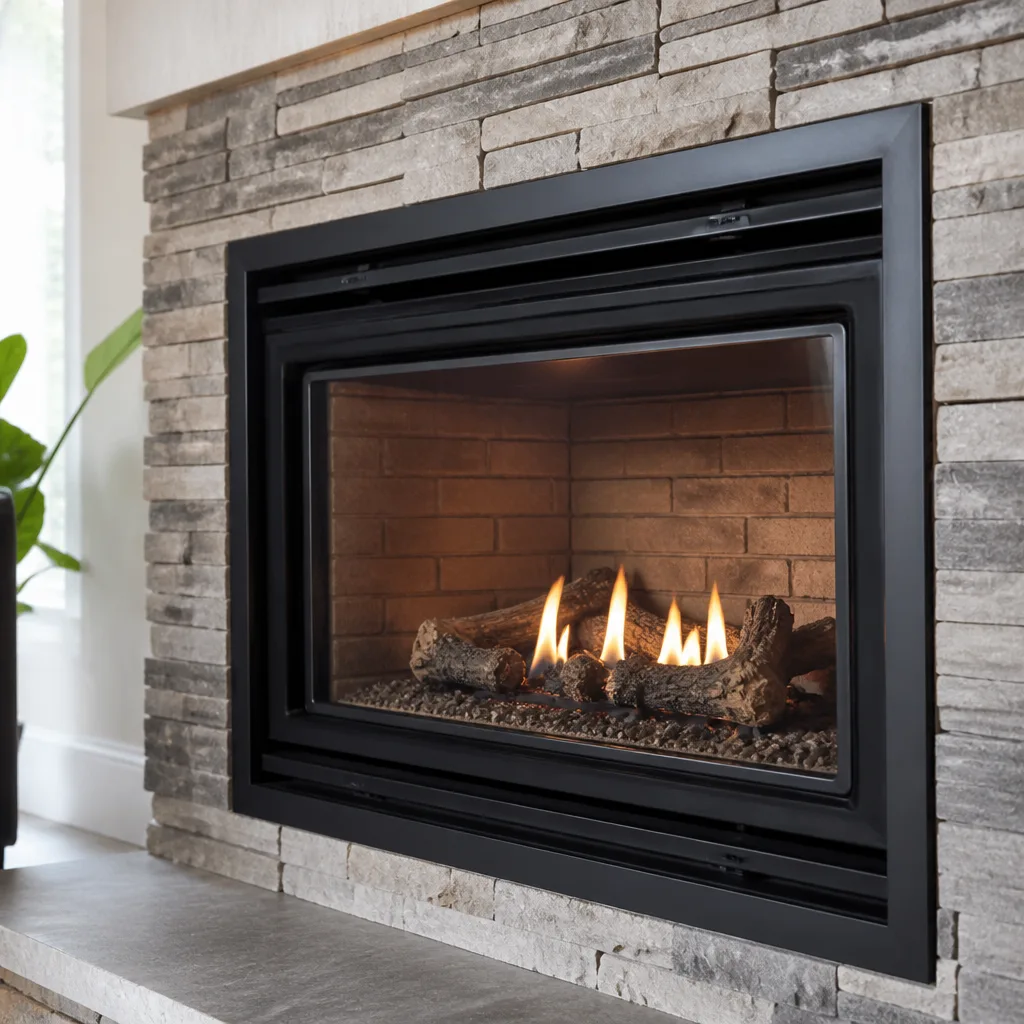 Gas fireplace service
Level 1 sweep and inspection to the NFPA 211 annual standard - flue, crown, cap, and flashing checked and photographed
Chimney sweep logs do not sweep chimneys. They loosen some creosote - which then falls where a brush and vacuum still have to collect it.
The Complete Guide to Chimney Cleaning in Charlotte
Most Charlotte homes were built between 1970 and 2005, and a large share of them came with prefabricated metal fireboxes rather than traditional masonry fireplaces. Those units have a finite service life, and almost nobody who bought one of these houses was ever told about it. That single fact changes how chimney cleaning should work here. A sweep that treats every flue the same way misses the thing most likely to fail. This guide covers how Charlotte’s clay-heavy soil, humid summers, and variable winters shape what happens inside your chimney, how cleaning protocols differ between masonry and prefab systems, why the October-to-March burning season sets your inspection window, and how to read a sweep’s report so you know what’s real and what’s sales talk.
Quick Answer
Chimney cleaning in Charlotte means removing creosote, soot, and blockages from a flue that has typically seen one burning season of heavy use, then inspecting the full system to NFPA 211 standards. Because Charlotte’s humid summers push creosote from Stage 1 to Stage 2 faster than drier climates do, an annual inspection before the burning season is the practical baseline for most homes here. Masonry chimneys and the prefab metal fireboxes common in Charlotte subdivisions built between 1970 and 2005 need different cleaning and inspection approaches.
Styles & brands we work with
- Sweep & inspection
- Caps & crowns
- Flue relining
- Masonry repair
- Gas fireplace service
Table of Contents
- Why Charlotte Chimneys Age Differently
- How Humidity Speeds Up Creosote
- Masonry vs. Prefab: Two Different Cleaning Protocols
- The Charlotte Burning Season and Your Inspection Window
- Level 1 vs. Level 2 Inspections Under NFPA 211
- How to Read a Sweep’s Report
- What a Professional Cleaning Actually Involves
- When Cleaning Turns Into Repair
Why Charlotte Chimneys Age Differently
Charlotte sits on soil with a heavy clay content, and that matters more than most homeowners realize. Clay soil holds water and expands and contracts with the seasons. Under a masonry chimney, that movement works on the foundation and the first few courses of brick. Over time you get hairline cracks in the mortar joints near the base, and those cracks give moisture a path into the structure. A chimney that looks fine from the living room can be quietly taking on water from below.
Add the local housing stock to that picture. Charlotte grew fast in the late twentieth century, and whole subdivisions went up with prefabricated metal fireplaces because they were cheaper and faster to install than masonry. Those units are efficient and safe when they’re in good condition, but they’re built with a defined service life. The firebox panels, the refractory lining, and the flue sections all degrade. When a prefab unit reaches the end of its life, cleaning alone doesn’t restore it. That’s a different conversation than a masonry chimney needs, and it’s why a sweep who only knows masonry work can miss the real issue in a Charlotte home.
None of this means Charlotte chimneys are in crisis. It means they age in specific ways, and the inspection should be looking for those specific things. Charlotte homeowners get better results from a sweep who understands clay soil, humidity, and prefab service life than from one running a generic checklist.
How Humidity Speeds Up Creosote
Creosote forms in stages, and the stage it reaches determines how hard it is to remove and how dangerous it is. Stage 1 is light, dusty, and brushes off easily. Stage 2 is flaky and crusty, and it takes more work to clear. Stage 3 is glazed and tar-like, bonds to the flue wall, and is the stage most associated with chimney fires.
Here’s where Charlotte’s climate comes in. Creosote absorbs moisture from the air. Our summers run humid for months, and that humidity keeps working on whatever creosote was left in the flue after the last burning season. The deposit that was light and dusty in April has had all summer to absorb moisture, bond to the flue wall, and harden. By October it behaves more like Stage 2 than Stage 1. In a dry climate, that same deposit might still brush out easily a year later. Here, it often doesn’t.
Practically, this means two things for Charlotte homeowners:
- Cleaning before the season beats cleaning after it. Clear the flue before humid summer air has months to work on the deposit, or at minimum inspect before the first fire of the season.
- Don’t assume a light deposit stayed light. If your flue was brushed in spring and you skipped the fall inspection, the deposit you’re starting the season with may not be what you left.
Burning dry, seasoned wood helps slow the process. So does avoiding long, smoldering fires that produce more creosote than a hot, efficient burn. But no burning habit eliminates the deposit entirely, and in this climate the humidity does its part regardless. An annual look down the flue is how you stay ahead of it.
Masonry vs. Prefab: Two Different Cleaning Protocols
Charlotte has both kinds of chimney, often on the same street, and they don’t get the same treatment. A sweep who cleans them identically is skipping steps on one or the other.
Masonry chimneys
Masonry chimneys are built from brick, block, or stone with a clay tile liner inside. Cleaning involves brushing the flue with the right diameter and stiffness of brush for the liner, then vacuuming with a HEPA setup so nothing escapes into the house. The inspection looks at the tile liner for cracks and gaps, the mortar joints for deterioration, the crown for cracking, and the firebox for damage. Because masonry liners are rigid, cracks tend to be visible once you’re looking, and the fix is often resurfacing rather than full replacement. HeatShield is one product line used for resurfacing a deteriorating flue in place, which is a different job than tearing out and rebuilding.
Prefab metal firebox systems
Prefab systems, common in Charlotte subdivisions built between 1970 and 2005, have a metal firebox, a refractory lining, and a metal flue. They’re cleaned with brushes matched to the metal flue, and the inspection focuses on the firebox panels, the refractory lining, the damper, and the joints between flue sections. Prefab units have a service life set by the manufacturer, and when they reach it, the answer isn’t cleaning. It’s replacement or relining with a listed liner system. DuraFlex is one liner product used in these applications.
The takeaway: ask your sweep which system you have before they start, and make sure their inspection covers what that system actually needs. If they can’t tell you the difference, that’s information.
The Charlotte Burning Season and Your Inspection Window
Most Charlotte households burn from October through March, then shut the fireplace down for the warm months. That pattern should shape your maintenance calendar, and yet most people think in terms of “once a year” rather than “before the season.”
The best window for an inspection and cleaning is late September through early October, right before the first fire. Here’s why that beats a spring cleaning:
- You start the season with a clean, inspected flue. Whatever the humid summer did to last year’s deposit, you clear it before you burn.
- You find problems before you need the fireplace. If the inspection turns up a cracked liner or a failing firebox panel, you have time to fix it without losing part of your burning season.
- You avoid the pre-season crunch. The weeks right before the first cold snap fill up fast, and a fall inspection booked early is easier to schedule than one booked in a panic.
- You close the loop on last season. A spring or early-summer cleaning is still worth it if you burned heavily. The point is the fall inspection shouldn’t be skipped just because you cleaned in spring.
One inspection a year fits most Charlotte homes. If you burn frequently, use the fireplace as a primary heat source in winter, or have a prefab unit past the midpoint of its service life, an annual inspection is the floor, not the ceiling. Smoke coming back into the room or a strong creosote smell in the off-season are reasons to look sooner.
Level 1 vs. Level 2 Inspections Under NFPA 211
NFPA 211 is the standard that governs chimney inspections, and it defines three levels. Most homeowners only ever need the first two, but knowing what each includes helps you tell whether your sweep is doing the job properly.
Level 1 inspection
A Level 1 inspection covers all readily accessible parts of the chimney and venting system, including the firebox, damper, and flue as far as can be seen, without moving anything or opening any access panels. It’s the standard inspection when the system is unchanged and you’re doing routine annual maintenance. For a Charlotte home that’s been swept annually and hasn’t had any changes, a Level 1 is usually enough.
Level 2 inspection
A Level 2 inspection goes further. It covers everything in a Level 1 plus accessible parts of the attic, crawlspace, and other areas, and it typically includes a video camera scan of the flue interior. A Level 2 is called for when:
- The property is changing hands (buying or selling a home)
- The chimney or venting system has been changed, such as a new appliance or liner
- There’s been a chimney fire or a significant event like an earthquake or severe storm
- The appliance has changed fuel type, or you’ve switched from wood to gas or the reverse
In our experience, Level 2 inspections come up often in Charlotte real estate transactions, because a camera scan is the only reliable way to see the inside of a flue you can’t reach by eye. If you’re buying a home with a fireplace, ask for a Level 2 and the camera footage. A seller who can’t produce one hasn’t given you what you need.
How to Read a Sweep’s Report
This is the part most homeowners worry about, and rightly so. You can’t see inside your own flue. You’re being asked to trust a finding you have no way to verify. A good report closes that gap, and a bad one widens it.
Here’s what to look for in a report you can actually use:
- Photo evidence. A legitimate finding comes with a photo or camera still of what the sweep saw. A cracked tile or failing firebox panel should be visible in the report, not just described.
- Specific locations. “The flue is deteriorating” is not a finding. “Cracked tile joint at the third section from the top” is. Specificity is the difference between a report and a pitch.
- A clear recommendation with a timeline. Some findings need attention before the next fire. Others can wait a season or two with monitoring. A report that flags everything as urgent is a report that isn’t telling you the truth about what can safely wait.
- Plain-language explanation. You should be able to understand what was found and why it matters without a translation.
- No pressure to decide on the spot. You can take a written report, ask questions, and get a second opinion if you want one. Any sweep who treats that as a problem is telling you something.
The phrase to watch for is vague urgency. If a report recommends “extensive liner work” without showing you the flue, ask for the camera footage. A sweep who can’t produce it either didn’t look or doesn’t want you to. Charlotte Chimney Cleaning works with HeatShield and DuraFlex, among other professional-grade lines, because the same company that cleans your flue can also resurface or reline it. That’s convenient, but it doesn’t change the standard: nothing gets recommended without evidence you can see for yourself.
What a Professional Cleaning Actually Involves
A proper chimney cleaning is a sequence, not a quick brush-and-vac. Here’s what the process should look like from the moment a technician arrives:
- Protect the room. Drop cloths around the hearth, and a HEPA vacuum running throughout to keep soot out of the air.
- Inspect before cleaning. You can’t clean what you haven’t looked at, and you need to know the flue’s condition before you run a brush through it.
- Brush the flue. The right brush for the liner type and diameter, worked from the top down or the bottom up as the system requires. Masonry and metal flues get different brushes.
- Clear the firebox and damper. Soot and creosote collect here too, and the damper needs to move freely.
- Vacuum the whole route. From the firebox to the top of the flue, everything the brush loosened gets captured and removed.
- Inspect again. A second look after cleaning catches what the first pass obscured.
- Report with evidence. Photos or camera footage of anything worth flagging, plus a written summary.
The chimney sweep itself should take about an hour for a standard flue, longer if it’s overdue or the system is complex. If a company is in and out in fifteen minutes without a camera or a report, they swept something, but they didn’t inspect it.
When Cleaning Turns Into Repair
Sooner or later, most Charlotte chimneys reach a point where cleaning isn’t enough. The two most common findings here are deteriorated mortar joints in masonry chimneys and a failing firebox or flue in a prefab unit. Neither is a reason to panic, and neither automatically means thousands of dollars of work.
For masonry, the fix for a deteriorating flue isn’t always a full liner replacement. In-place resurfacing with a product like HeatShield restores a failing flue interior without tearing the chimney apart. That’s a faster, less invasive answer to a common problem, and it’s the kind of repair a sweep-only service can’t offer. When the same company that cleans your flue can also handle the resurfacing, there’s no handoff to a mason and no gap between what was found and what gets done.
For prefab systems, the calculus is different. A failing firebox panel or a degraded flue section can mean a listed liner system is the right long-term answer, and DuraFlex is one option. The key point is that this should be a conversation with a clear recommendation and evidence, not a surprise upgrade at the end of a routine cleaning. If the repair can wait, you should be told it can wait.
Charlotte Chimney Cleaning operates as Charlotte Chimney Cleaning, handling inspection, cleaning, and repair without subcontracting, so the finding and the fix come from the same place. That’s not a guarantee against disagreeing with a recommendation. It’s just one less handoff to manage.
Common Mistakes to Avoid
- Treating the fireplace as “out of sight, out of mind.” A flue can develop a real problem during the off-season without any sign in the living room. Annual inspection catches what sight can’t.
- Skipping the fall inspection because you cleaned in spring. In Charlotte’s humidity, the deposit left in the flue all summer is not the deposit you started with. A pre-season look is the one that matters.
- Assuming every sweep knows prefab systems. Many crews are trained on masonry and treat prefab as a minor variation. Ask which brush and inspection protocol they use for your system before you book.
- Accepting a vague diagnosis without photos. If a report recommends liner work but can’t show you the flue, you’re being asked to trust a finding you can’t see. Ask for the camera footage.
- Burning unseasoned wood to save money. Wet wood produces far more creosote than dry, seasoned wood, and in Charlotte’s humidity it never fully dries. It’s the most common self-inflicted problem we see.
- Letting a prefab firebox run past its service life. Many Charlotte homes built between 1970 and 2005 have units at or near the end of their useful life. Cleaning keeps a tired unit clean; it doesn’t make it young again.
- Ignoring smoke that backs up or a strong creosote smell. These aren’t cosmetic. They’re reasons to get an inspection before you light another fire.
See the difference
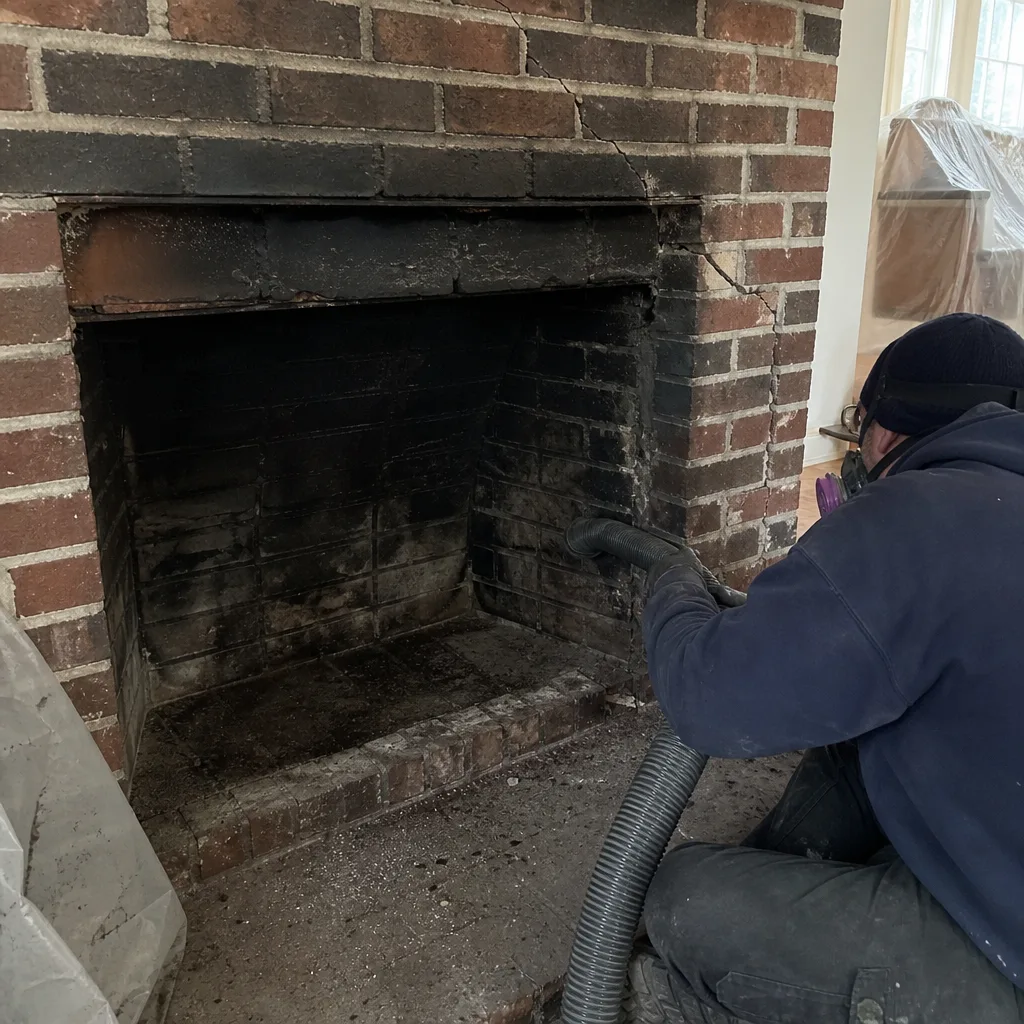 Before
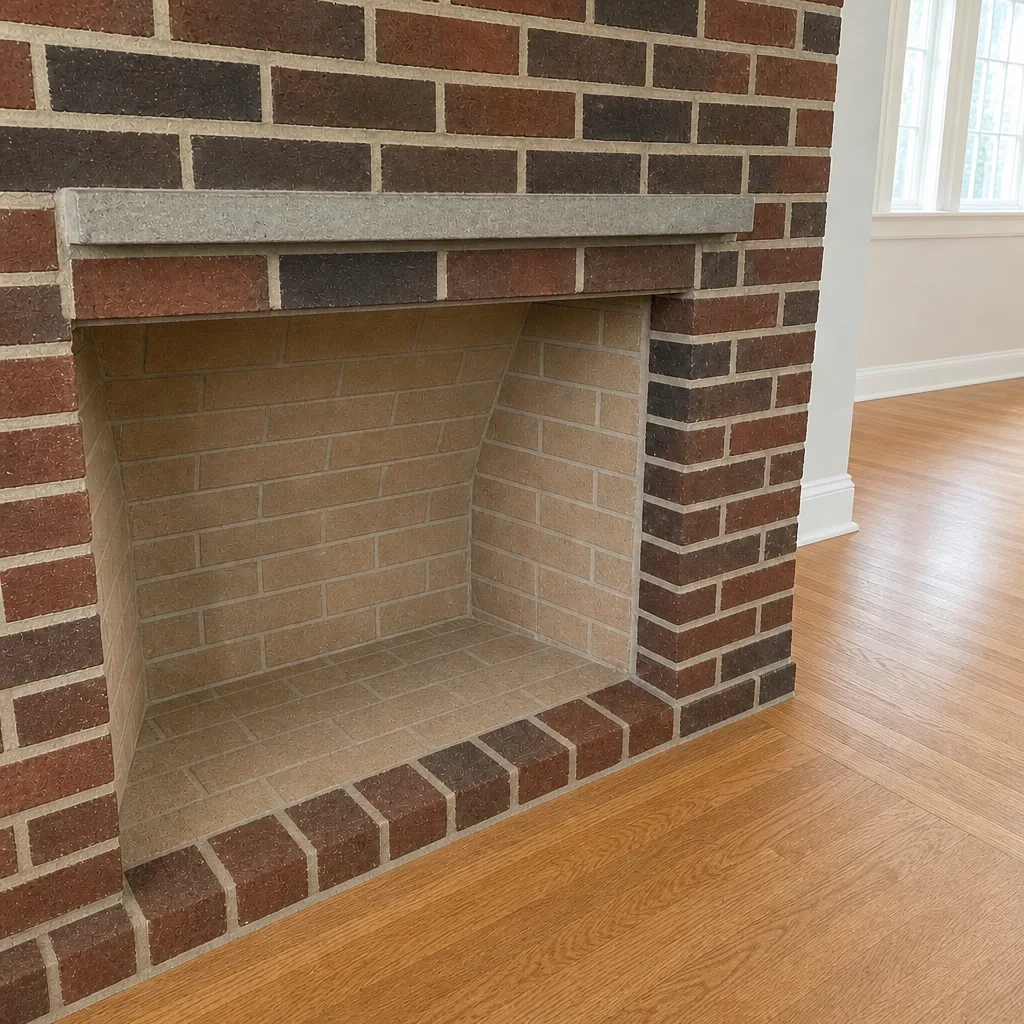 After
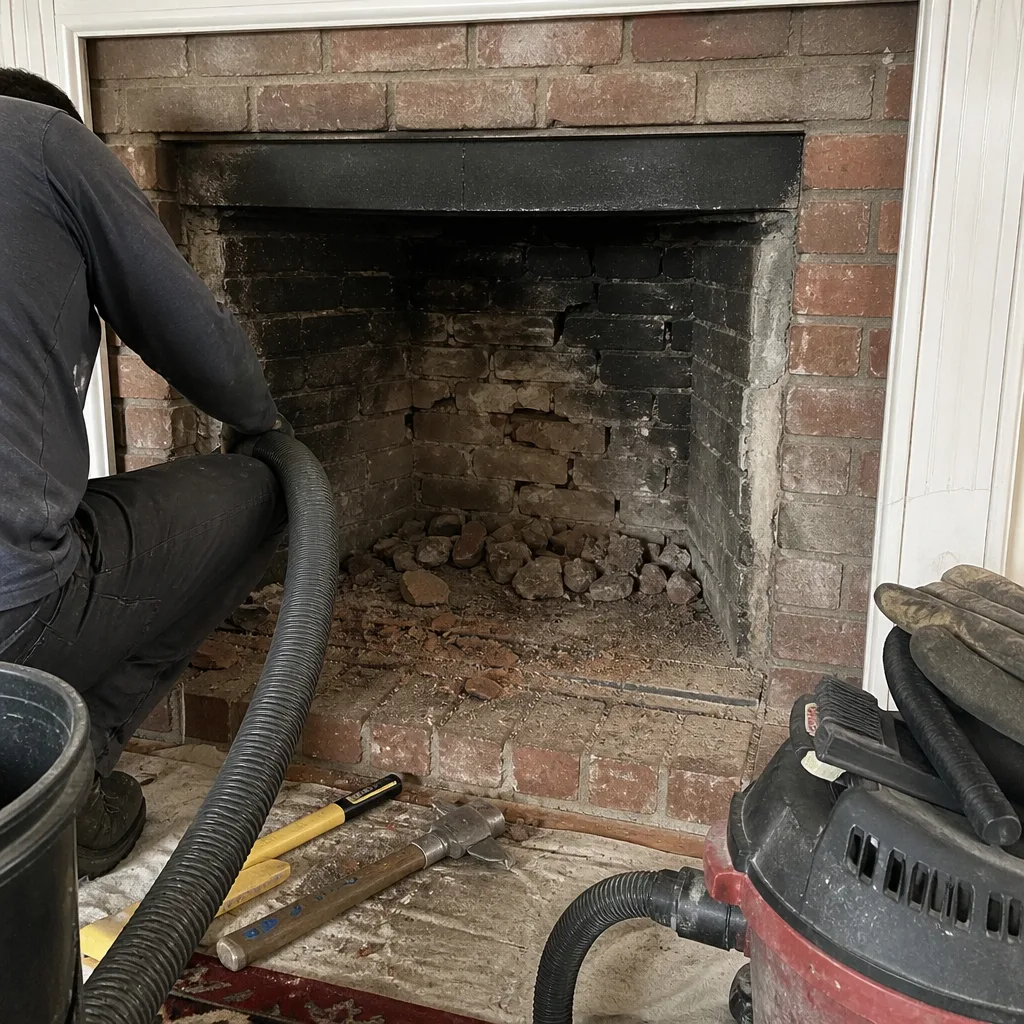 Before
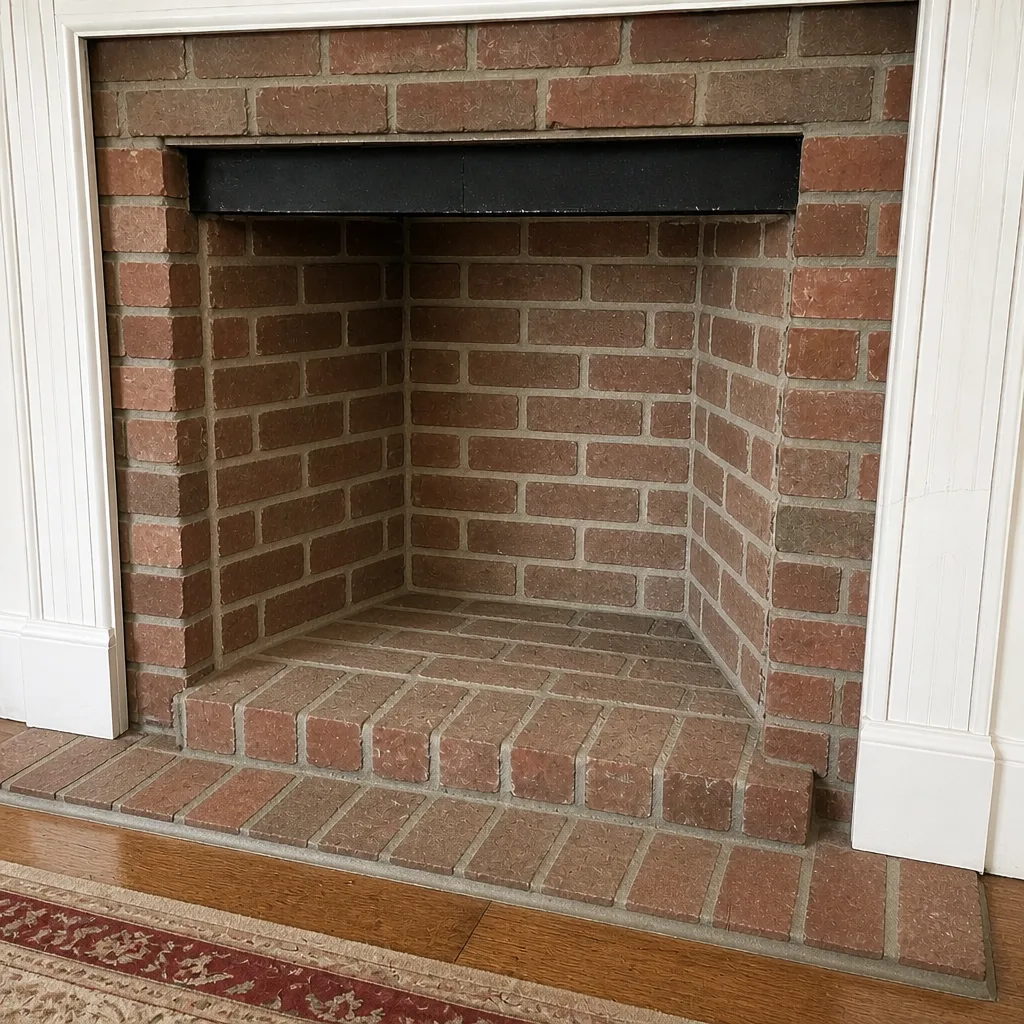 After
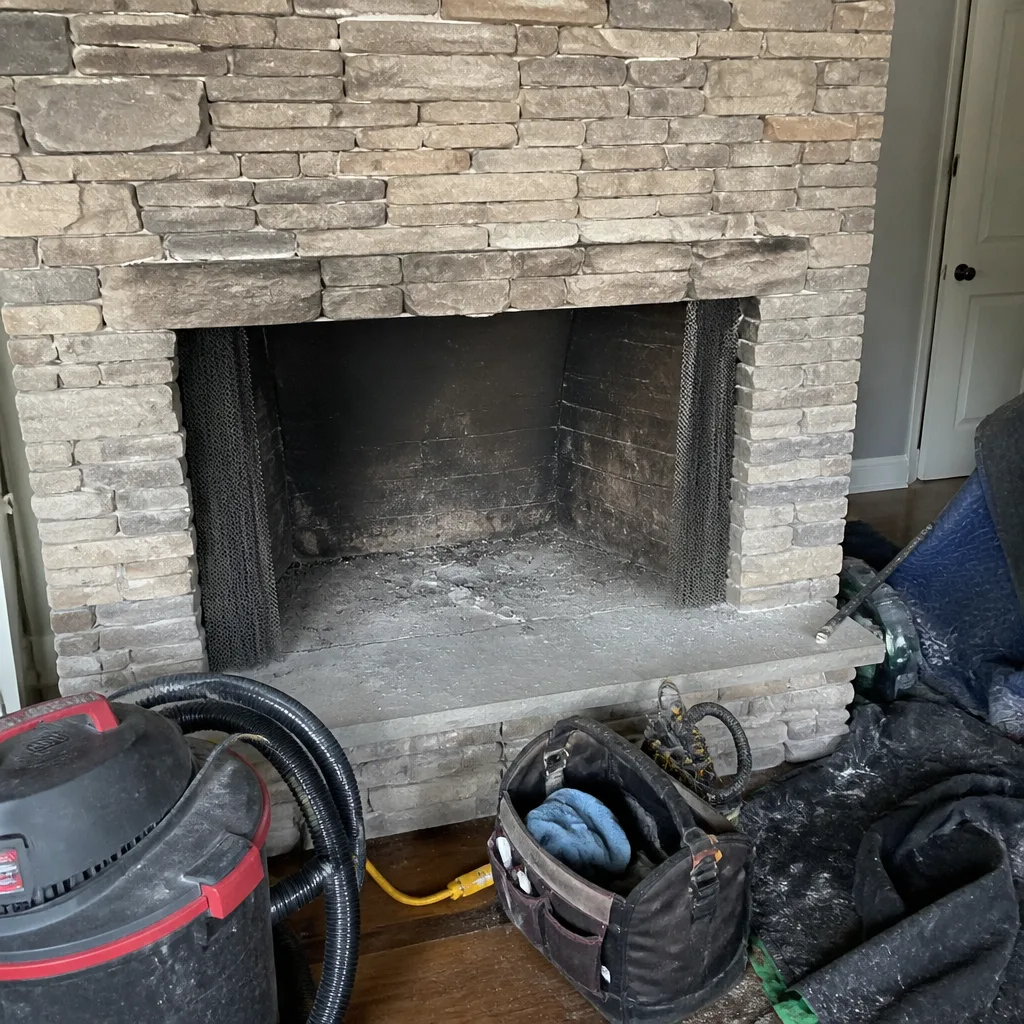 Before
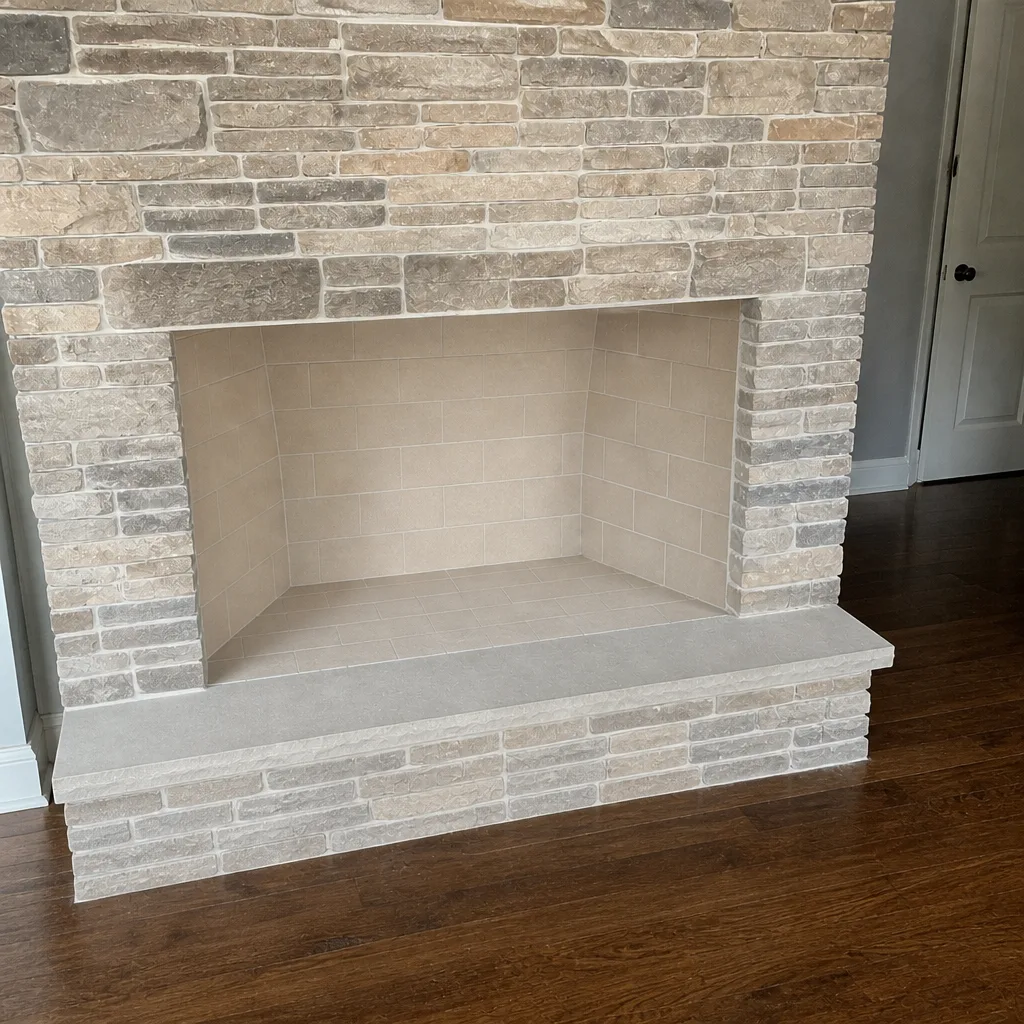 After
When to Call a Professional
Call a chimney professional if it’s been more than a year since your last inspection, if you’ve never had the chimney looked at since you bought the home, or if you notice smoke backing into the room, a strong creosote smell in the warm months, or visible damage to the firebox or crown. Call before the start of the burning season to line up the fall inspection window, and call right away if you’ve had a chimney fire or a partial blockage, even if the fire seemed to go out on its own. Gas insert owners should also have the venting inspected annually, not just wood burners. Charlotte Chimney Cleaning offers free estimates in Charlotte. Call (855) 412-0975. We answer 24/7. Fast dispatch from 7am to 7pm, Sunday through Friday.
Frequently Asked Questions
A standard chimney cleaning in Charlotte typically runs in the range of $150 to $350, and a Level 2 inspection with a camera scan usually adds to that. The exact price depends on the flue type, how much creosote has built up, and whether the job is a routine sweep or a catch-up cleaning. Call (855) 412-0975 for an exact quote. Estimates are free.
Once a year for most homes, timed to land before the October-to-March burning season. If you burn wood frequently or have a prefab unit past the midpoint of its service life, an annual inspection is the minimum and a second look mid-season is reasonable. The Charlotte humidity makes an off-season gap riskier than in a drier climate. Call (855) 412-0975 to book an inspection and we’ll tell you honestly whether you need one this year.
Not always, and that’s the honest answer. A deteriorating masonry flue can often be resurfaced in place with HeatShield instead of a full liner replacement, and a prefab system’s needs depend on the condition of the firebox and flue sections. The only way to know is a proper inspection with photo or camera evidence you can see. Call (855) 412-0975 for a free estimate and an inspection you can verify.
Best case, the creosote that was there in spring has absorbed summer humidity and moved toward Stage 2, and next season’s cleaning takes longer. Worst case, a cracked tile or failing firebox panel went unnoticed through an entire burning season. The risk is a chimney fire or carbon monoxide escaping an undetected crack, which is why the annual inspection matters more than the cleaning itself. Call (855) 412-0975 before the season to get on the schedule.
A sweep cleans the flue. A chimney cleaning company that also does repair covers inspection, cleaning, and the fix when damage turns up, so you’re not handed off to a separate mason or liner contractor. Charlotte Chimney Cleaning handles all three: sweeping, repair, and dryer vent cleaning, which we treat as a fire-safety service in the same way we treat chimneys. Call (855) 412-0975 for a free estimate.
Yes, and it’s worth doing. Lint buildup in a dryer vent is a genuine fire hazard, and a long dryer run in a multistory Charlotte home has plenty of places for lint to collect. We use Famco-compatible components for dryer vent work, so it’s done with professional parts rather than improvised pieces. One call covers your chimney and your dryer vent. Call (855) 412-0975 to schedule both.
The Bottom Line
Chimney care in Charlotte comes down to a few things that fit together. The clay soil and variable winters work on masonry foundations and joints. The humid summers push creosote toward Stage 2 faster than in drier places. The prefab fireboxes common in Charlotte homes built between 1970 and 2005 have a service life most owners were never told about. The burning season tells you when to inspect: before October, not whenever the calendar says. And the report you get afterward should show you what it found, with a clear answer on what can wait. Clean before you burn, ask for evidence, and you’ll get more seasons out of whatever system you have.
Charlotte Chimney Cleaning offers free estimates across Charlotte. Call (855) 412-0975. We answer 24/7. Fast dispatch from 7am to 7pm, Sunday through Friday.
Written by the team at Charlotte Chimney Cleaning, serving Charlotte since 2018.