
Last updated November 14, 2026
 Sweep & inspection
 Caps & crowns
 Flue relining
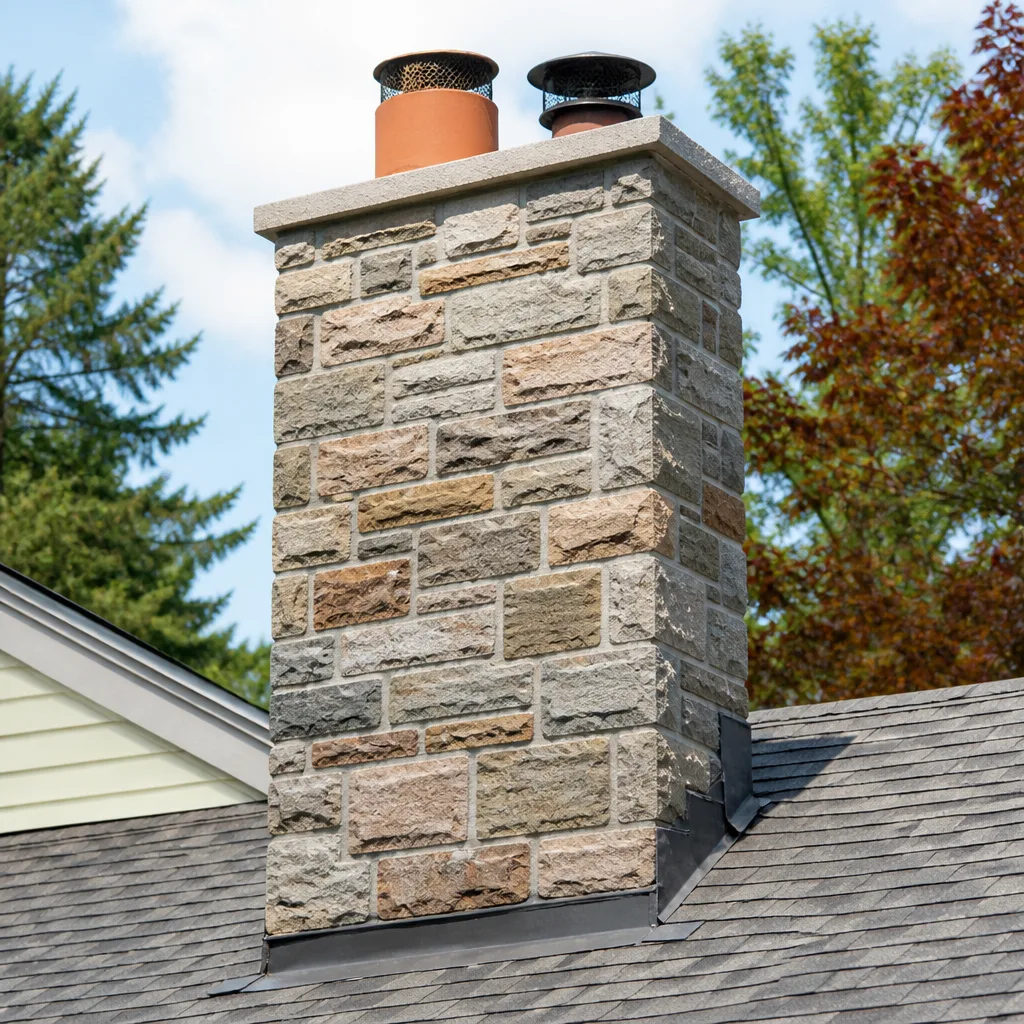 Masonry repair
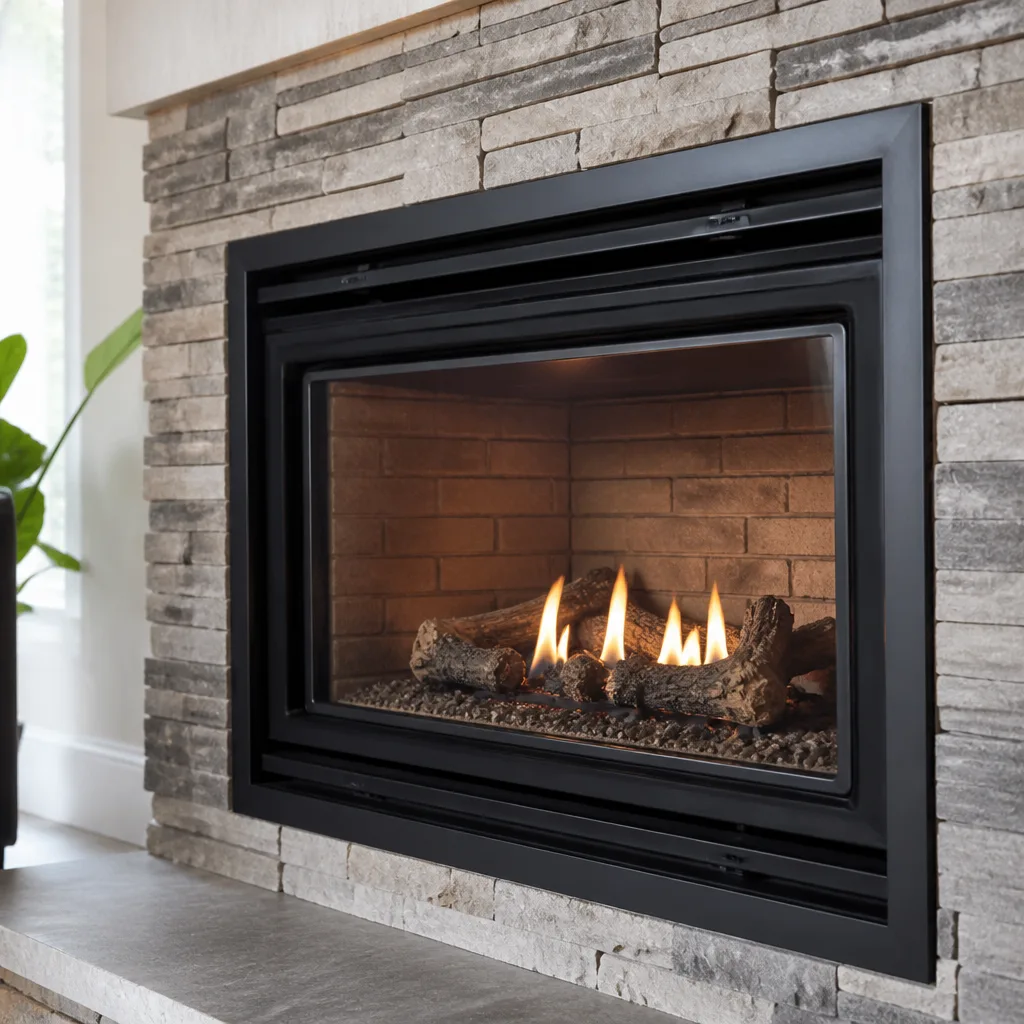 Gas fireplace service
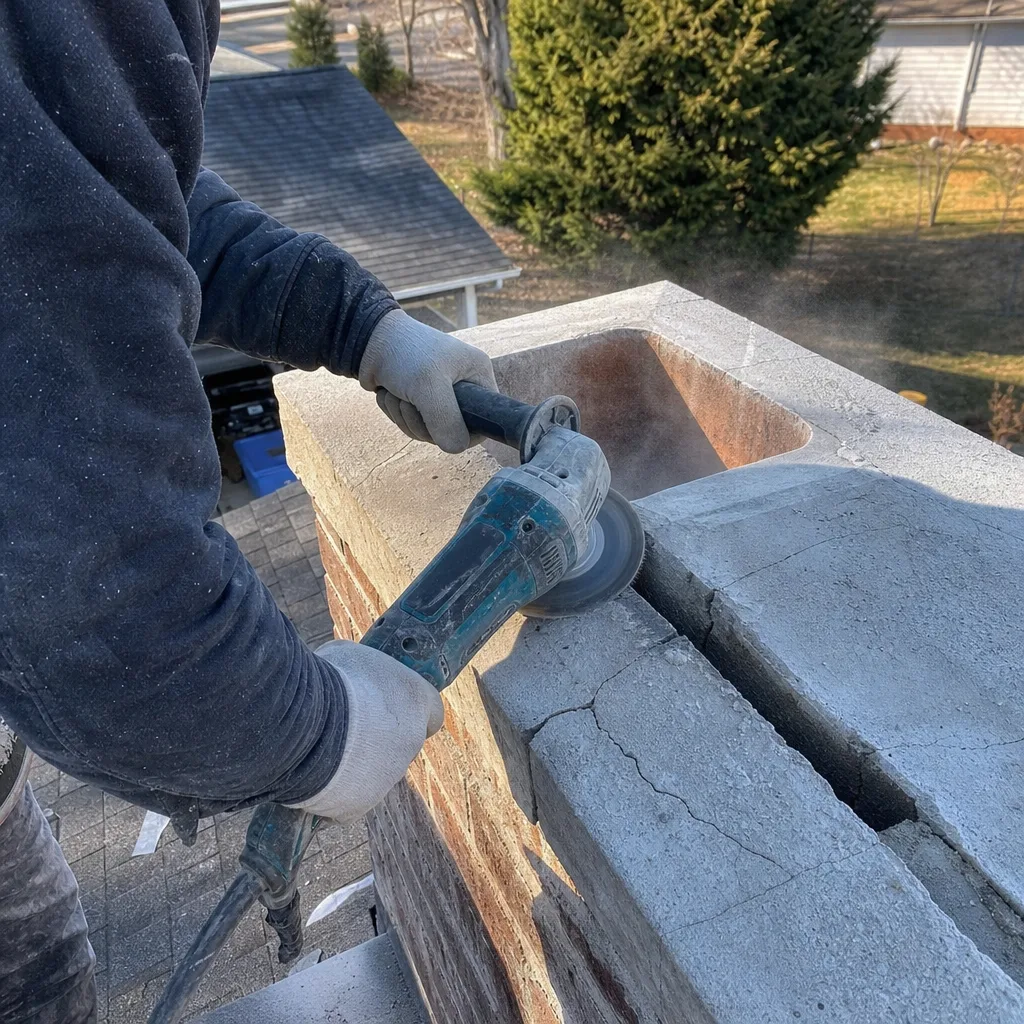
Level 1 sweep and inspection to the NFPA 211 annual standard - flue, crown, cap, and flashing checked and photographed
Chimney sweep logs do not sweep chimneys. They loosen some creosote - which then falls where a brush and vacuum still have to collect it.
DIY vs Professional Chimney Cleaning: The Charlotte Homeowner’s Decision Guide
You can buy a chimney brush kit online for about the price of a nice dinner out, and yes, you can physically push it up a flue. That’s the part people miss when they frame this as a skill contest. The brush is the easy half. What a professional visit actually delivers is an inspection: a camera run, a trained eye on the joints and cap and crown, and a written record of what’s inside a system you can’t see. Cleaning is roughly 40% of the job. We’ve seen Charlotte homeowners spend a Saturday on the roof and still not know whether their flue is safe. This guide walks through what DIY can honestly accomplish, where it stops being enough, and how to decide which kind of visit you actually need.
Quick Answer
DIY chimney cleaning can remove light, freshly deposited creosote from an accessible flue, but it can’t replace the inspection that makes a professional visit worth the money. If your chimney hasn’t been looked at by a trained technician, or you’ve burned more than a season’s worth of wood, book a professional sweep. If the system was recently inspected and clean and you only need light surface brushing, DIY is a reasonable interim measure.
Key Takeaways
- DIY handles Stage 1 creosote in straight, accessible flues. It does not handle Stage 2 or 3 creosote, offsets, or anything it can’t reach.
- The inspection is the more valuable half of a professional visit, and it’s the half you can’t replicate with a brush and a flashlight.
- A house fire in a chimney with no professional inspection on record creates real insurance complications.
- The mess is the part most DIY guides skip. Professional containment exists for a reason.
- One call covers your chimney and your dryer vent cleaning when you book a pro.
Styles & brands we work with
- Sweep & inspection
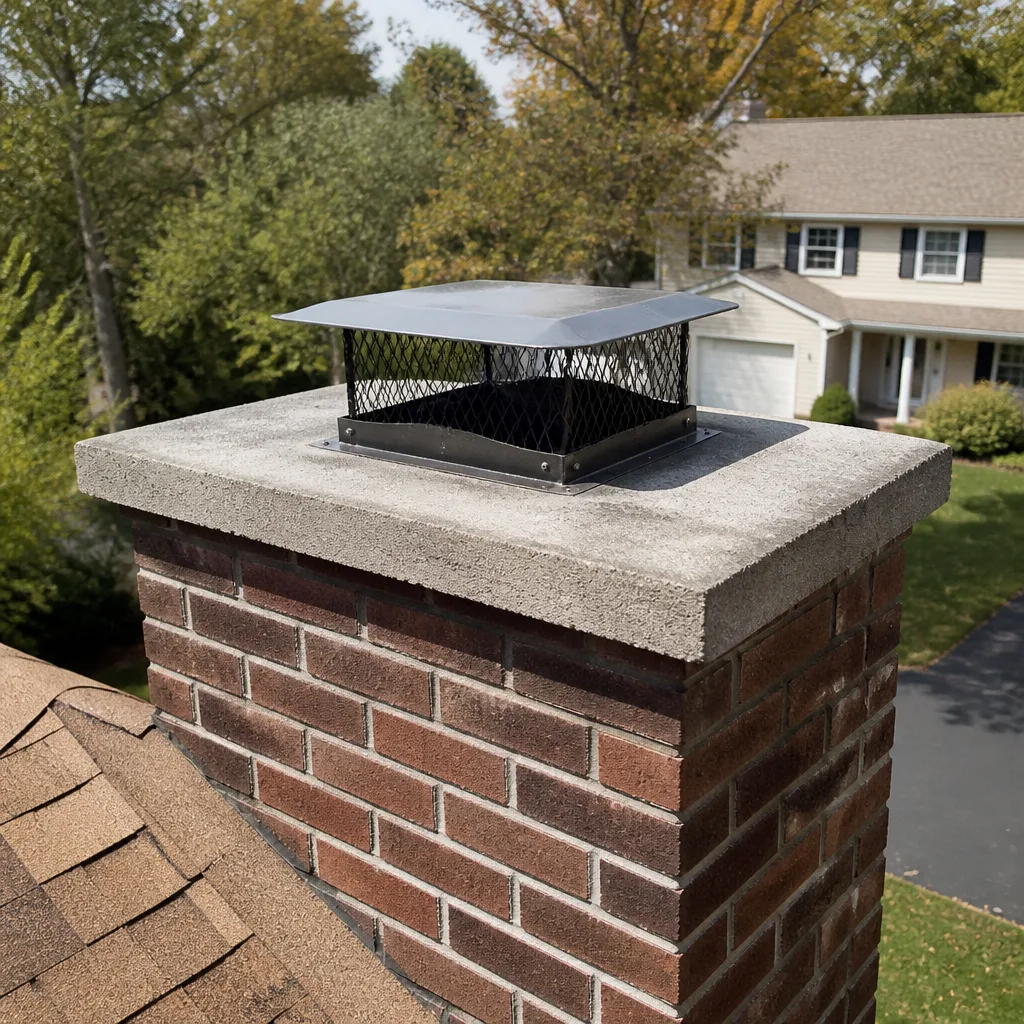
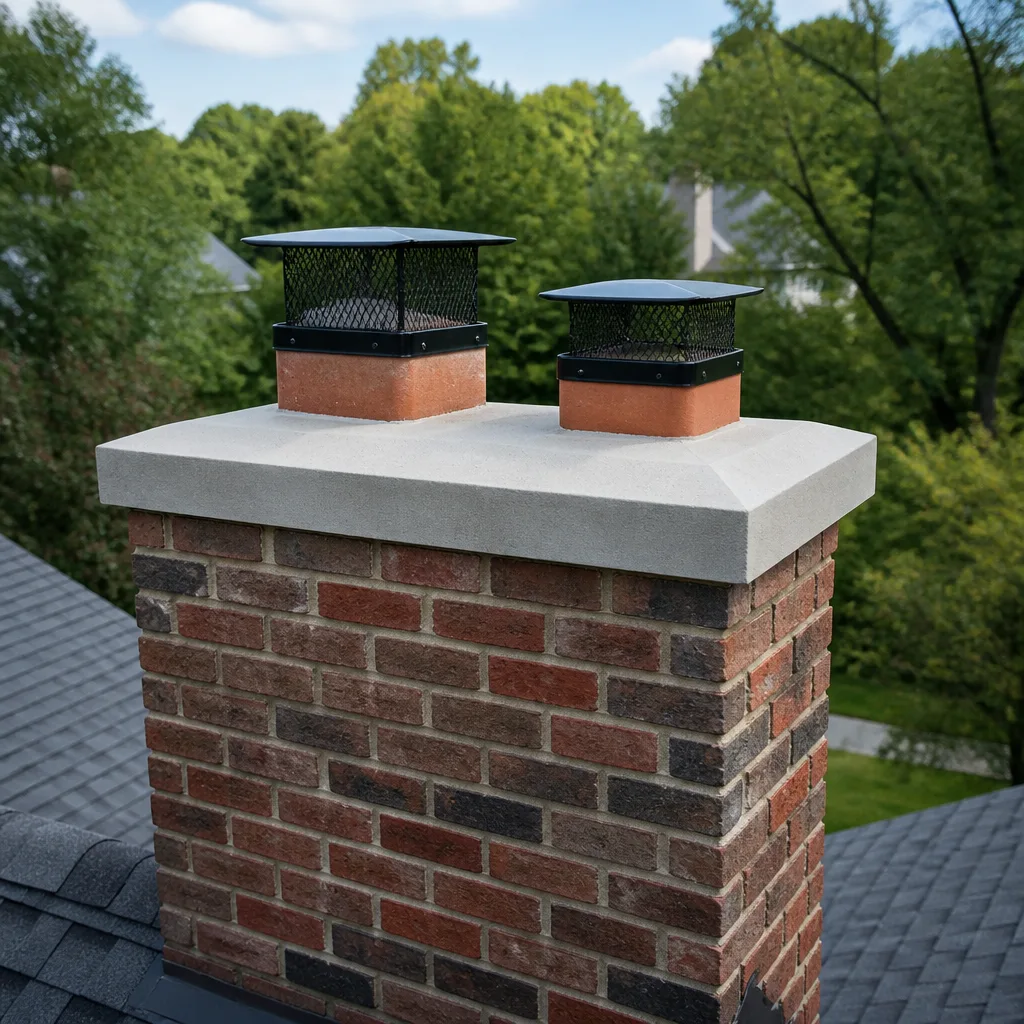
- Caps & crowns
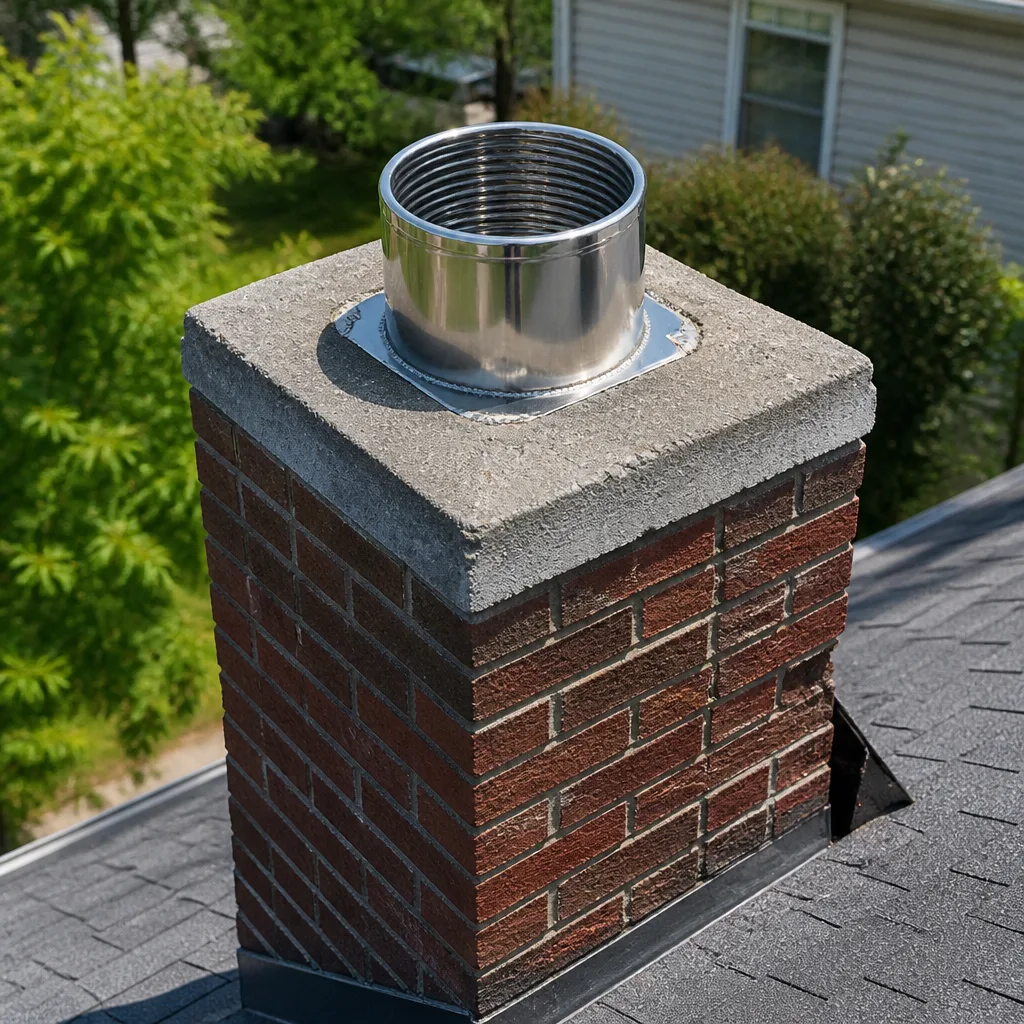
- Flue relining
- Masonry repair
- Gas fireplace service
Table of Contents
- What DIY Chimney Cleaning Can Legitimately Accomplish
- Where DIY Stops Being Adequate
- The Inspection Component You Can’t Replicate
- When DIY Is a Reasonable Interim Measure
- Liability and Insurance: What’s Actually at Stake
- What the Job Physically Involves in a Charlotte Home
- Cost Comparison: DIY vs Professional
- Common Mistakes to Avoid
What DIY Chimney Cleaning Can Legitimately Accomplish
We’re not going to tell you a homeowner can’t clean a chimney. You can, within limits, and it helps to be honest about those limits. Creosote forms in three recognized stages, and the first one is the only one a brush and a ladder will reliably handle.
Stage 1 creosote is the light, flaky, soot-and-ash deposit that builds up after a handful of fires. It brushes off easily with the right size brush and a flexible rod. If your flue is straight, your fireplace is a simple open masonry box, and you’ve burned a modest amount of seasoned wood over one season, a homeowner with the right gear can make real progress on that deposit.
What DIY can do well:
- Remove light soot and Stage 1 creosote from a straight flue you can reach top to bottom.
- Clear a bird nest or leaf debris from an accessible flue (with proper gear and a safe roof setup).
- Keep a known-clean system clean between professional visits, if you had one recently.
- Spot obvious surface problems like a loose cap or visible crumbling at the firebox.
What it doesn’t do well: anything requiring an angle, a camera, or a judgment call about whether a joint is sound or a liner is compromised. That’s not a knock on your abilities. It’s a description of the equipment and the training required. If you’re in a Charlotte home with an offset flue, an insert, or a tall stack, the physical reach alone makes DIY a poor bet.
Where DIY Stops Being Adequate
Stage 2 and Stage 3 creosote are where the conversation changes. Stage 2 is the glazed, hardened, tar-like deposit that forms when flue temperatures run cool or wood is unseasoned. It doesn’t brush off. It needs mechanical or chemical removal by someone with the right tools and the training to use them without damaging the flue. Stage 3 is the heavily glazed, almost ceramic layer that signals a chimney fire has already happened, and that’s a call-a-professional-now situation.
DIY also stops being adequate in these scenarios:
- You’ve never had the chimney inspected. Cleaning without inspecting is like changing oil without checking the filter. You did something, but you don’t know what you missed.
- You’ve had a chimney fire. Even a small one. The flue needs a camera inspection before the next fire, full stop.
- Your fireplace is gas or insert-equipped. Different clearances, different venting, different inspection requirements. These systems are not DIY territory.
- You see cracked tile, crumbling mortar, or rust on the damper. That’s a repair question, not a cleaning question.
- Your flue has an offset, a bend, or a cap you can’t reach safely. The brush simply doesn’t get there.
In our experience, the moment a homeowner sees glazed creosote at the top of the firebox, the DIY question is answered. That glazing is a fire risk, and the fix isn’t a stiffer brush. It’s a technician with the right tools and a camera to confirm the flue is sound afterward. Some of those flues need resurfacing with HeatShield, which is a repair job rather than a cleaning job, and it’s not a homeowner project.
The Inspection Component You Can’t Replicate
Here’s the part worth slowing down for. The cleaning is visible. The inspection is invisible. And the inspection is the more valuable half of a professional visit.
A professional inspection uses a camera on a flexible rod, run top to bottom through the flue. It checks the firebox, the damper, the smoke chamber, the flue liner joints, the crown, the cap, and the flashing. The technician is looking for cracks, gaps, warping, corrosion, water intrusion, and creosote glaze. That camera footage is the difference between sweeping and knowing. A homeowner with a flashlight sees maybe 10% of that.
Charlotte’s housing stock adds a wrinkle. Older neighborhoods have original masonry chimneys that have been through decades of hot summers and cold snaps, and mortar joints do what mortar joints do. We’ve seen plenty of Charlotte homes where the flue looked clean at the bottom and had a hairline crack three feet up that only showed on camera. That crack is exactly the kind of thing that lets carbon monoxide or hot gases into a wall cavity. Nobody finds that with a brush.
This is also where a full-service specialist earns their place versus a sweep-only crew. When our technicians find deteriorated mortar while the camera is running, we can resurface it with HeatShield in place, or specify an Olympia Chimney liner if the flue is beyond resurfacing. No second contractor, no handoff to a mason, no waiting two weeks for someone to come back. That single-source accountability is worth considering when you compare costs.
When DIY Is a Reasonable Interim Measure
We don’t think every homeowner needs a professional sweep the moment the first creosote flake appears. There are real scenarios where DIY is a reasonable interim move. All of them share one thing: you know the system is sound because a professional inspected it.
DIY is reasonable when:
- You had a professional inspection recently and the system was confirmed sound and clean.
- You burn lightly and infrequently. A fire a few times a season with seasoned wood builds far less creosote than a fire most nights.
- You bought proper cleaning-grade equipment. Poly chimney brushes sized to your flue, fiberglass rods, a shop vac rated for soot. Cheap gear damages flue tiles and undoes the progress.
- Your flue is straight and accessible, and your roof is safe. A steep pitch, a tall stack, or a metal roof makes the roof portion of DIY a genuine fall hazard.
Even in those cases, treat DIY as brushing between inspections, not as a replacement for one. The inspection is what establishes a record. The brushing is housekeeping. Those are two different jobs, and only one of them belongs in a homeowner’s hands as a routine matter. Once your annual pro visit is done, brushing off light soot the rest of the year isn’t reckless. Pretending the brushing replaces the visit is where people get into trouble.
Liability and Insurance: What’s Actually at Stake
This is the part nobody mentions in DIY tutorials, and it matters more than people expect. If a house fire starts in a chimney where no professional inspection is on record, you create an insurance situation you don’t want to be in.
Most homeowners’ policies have language about reasonable maintenance. A chimney with no documented inspection history can be argued as neglected, even if the homeowner cleaned it every fall. The adjuster’s question becomes “when was this chimney professionally inspected?” A brush in your garage doesn’t answer that question. A written inspection report with photos does.
Here’s the practical version:
- Keep a record. A dated inspection report, with photos and any camera footage, is the document your insurer wants to see.
- Inspect after any chimney fire. Even a small one. A fire that’s never inspected leaves an unaddressed risk on the property.
- Don’t skip years. A gap of several years between inspections is the kind of detail that complicates a claim.
- Know that this is a general point. Read your own policy and talk to your own agent about what your coverage requires. We’re chimney people, not insurance adjusters.
We’re not putting this in to scare you into booking a sweep. It’s a straightforward risk most homeowners never think about until they need to. A $20 report filing on your end is cheap compared to an adjuster asking questions you can’t answer. And if you’re already calling for chimney sweep service, the record comes with the visit. The inspection is included, and it’s the reason a professional visit is worth the money on its own, even before any cleaning happens.
What the Job Physically Involves in a Charlotte Home
People are often surprised by how much of a pro visit is about containing the mess, not making it. This is a fair reason to think twice about DIY: a soot-covered living room is a bad afternoon, and soot is fine enough to travel just about everywhere.
Here’s what a professional visit actually looks like in a Charlotte home:
- Set up containment first. Drop cloths over the hearth, floor, and nearby furniture. A sealed plastic sheet across the fireplace opening so the flue work stays inside the flue.
- Gear up. Respiratory protection rated for fine soot, eye protection, gloves, and coveralls. Creosote is a known skin and respiratory irritant, and soot gets into everything.
- Run the camera. Down the flue, checking joints and the smoke chamber before anything is disturbed.
- Sweep and vacuum together. A HEPA-rated vacuum running at the firebox while the brush works the flue, so the soot goes into the machine instead of the room.
- Clean the firebox, damper, and smoke shelf. The smoke shelf holds debris a top-down brush alone won’t reach.
- Inspect the exterior. Crown, cap, flashing, and masonry at the roofline, all checked from a safe position.
- Write it up. Photos, findings, and a written report. That’s the record we referenced above.
The roof portion deserves a specific note. Charlotte roofs come in all pitches, and a steep one is not a DIY project. Fall risk is real, and it’s the reason so many homeowners who can handle the firebox still shouldn’t be up top. A trained technician with roof experience and a proper setup handles that part. It’s also worth looking at the equipment that comes back down: our crews use professional-grade materials, not big-box substitutes, and that shows up in how the job finishes. We can also check your dryer vent while we’re there, which is the other fire-hazard system worth a look.
Cost Comparison: DIY vs Professional
The DIY math is less favorable than it first looks once you buy gear that actually works and factor in the inspection you still need. Here’s the honest version, laid out side by side. Treat all of these as typical estimates; the written estimate sets the final price for any professional job.
- DIY brush, rods, and a shop vac: roughly $80-$200 depending on flue size and whether you already own the vac. You still don’t have an inspection report.
- Professional chimney sweep in Charlotte: typically around $150-$350 for a standard open masonry flue, including the inspection and written report.
- Camera inspection as a standalone visit: commonly $75-$200, but check whether your sweep includes it.
- Dryer vent cleaning: usually $100-$200, and worth bundling with the chimney visit.
- Stage 2 glazed creosote removal: higher than a routine sweep, typically several hundred dollars depending on the flue, and not something a homeowner can do safely.
- Flue resurfacing or liner work, if the inspection finds damage: priced per job by estimate, and best quoted after the camera tells you what’s actually going on.
Add up the DIY gear, the inspection you’d still need, and the risk of a damaged flue tile from a wrong-sized brush, and the gap narrows. That’s before you count the mess or the time. If you’re going to spend the money either way, a professional sweep in Charlotte delivers cleaning, inspection, and a written record in one visit. Charlotte Chimney Cleaning has served the area since 2018, and in that time we’ve seen plenty of homeowners who went DIY, hit glazed creosote, and called us anyway.
Common Mistakes to Avoid
- Buying an undersized or oversized brush. A brush that doesn’t match your flue size either misses creosote or cracks flue tiles. Measure the flue before you buy anything.
- Cleaning without inspecting. The brush tells you nothing about flue condition. A system that looks clean at the bottom can have a cracked joint three feet up.
- Climbing a steep Charlotte roof without fall protection. A fall is a serious injury, and it’s the single most common DIY chimney mistake we hear about. If you’re not comfortable on the pitch, don’t go up.
- Assuming gas fireplaces don’t need a sweep. Gas systems still have venting and clearances worth inspecting. Different system, similar need.
- Skipping the dryer vent because the chimney is “handled.” A clogged dryer vent is a fire hazard independent of the chimney. Clean it or have it cleaned once a year.
- Using a shop vac not rated for soot. Fine soot clogs standard filters and blows back into the room. An unrated vac makes a bigger mess than you started with.
- Treating a swept chimney as inspected. Cleaning and inspection are separate jobs. A visit that only cleans leaves you without the record.
See the difference
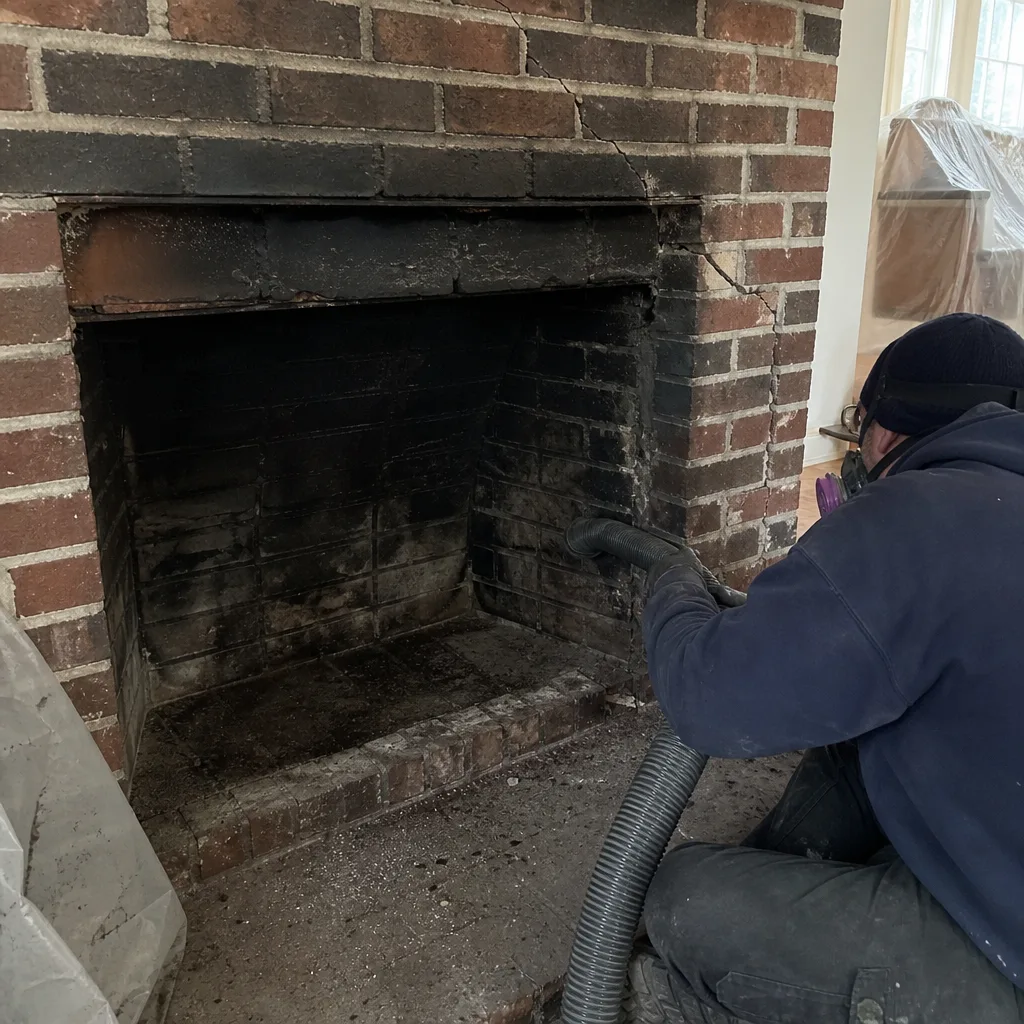 Before
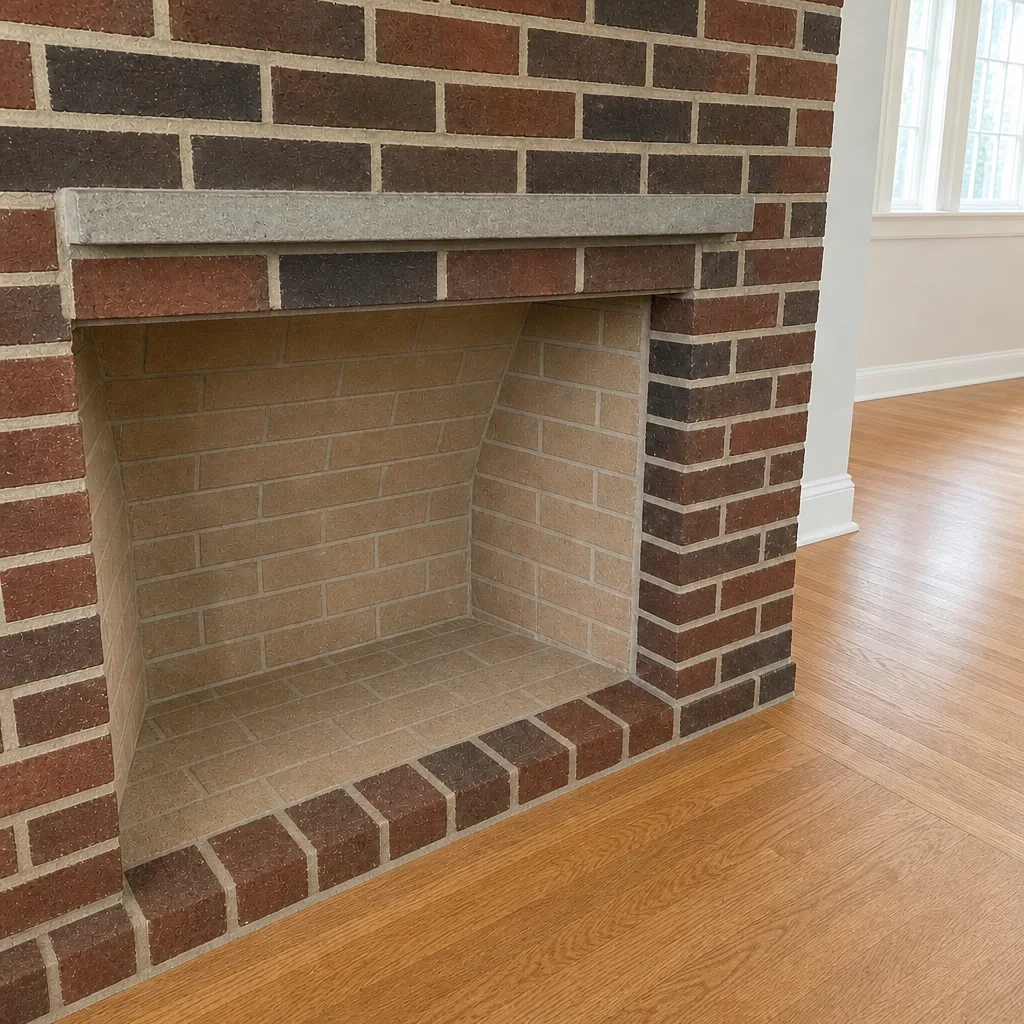 After
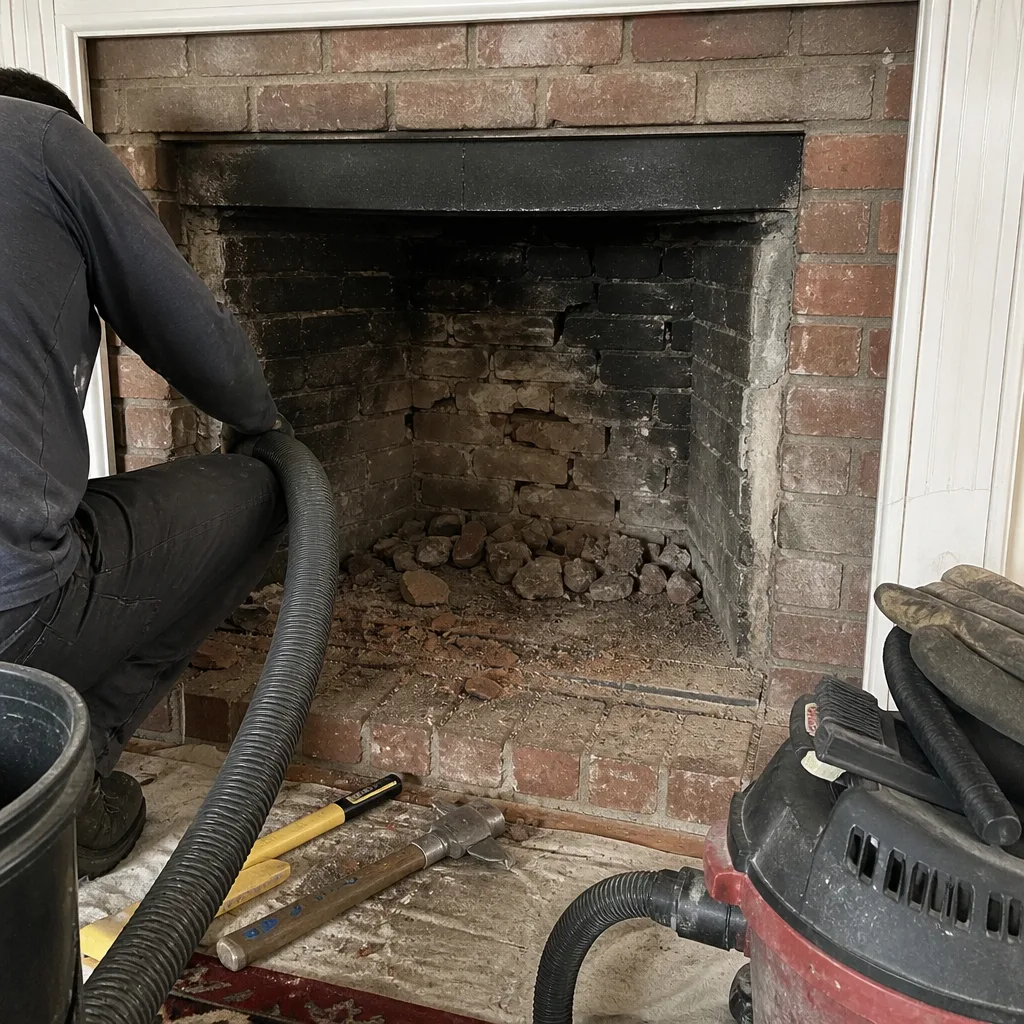 Before
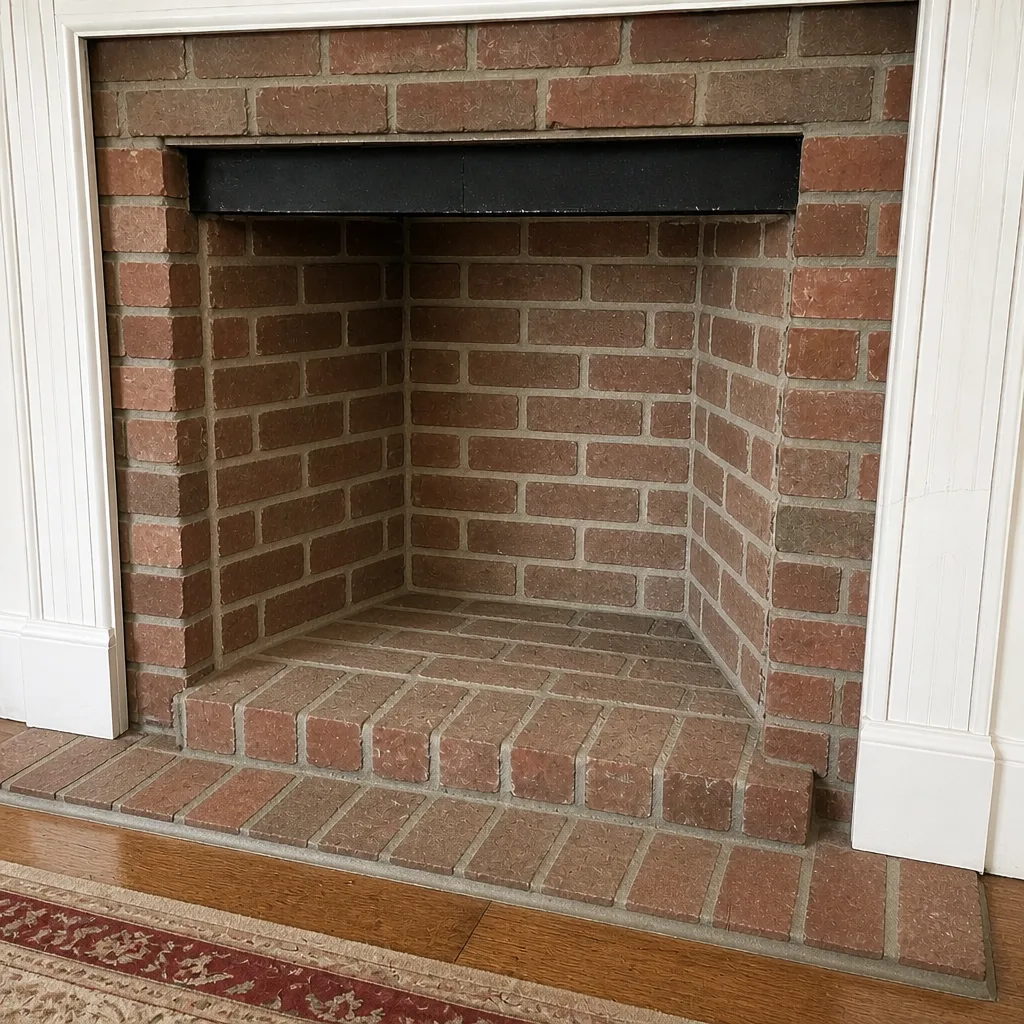 After
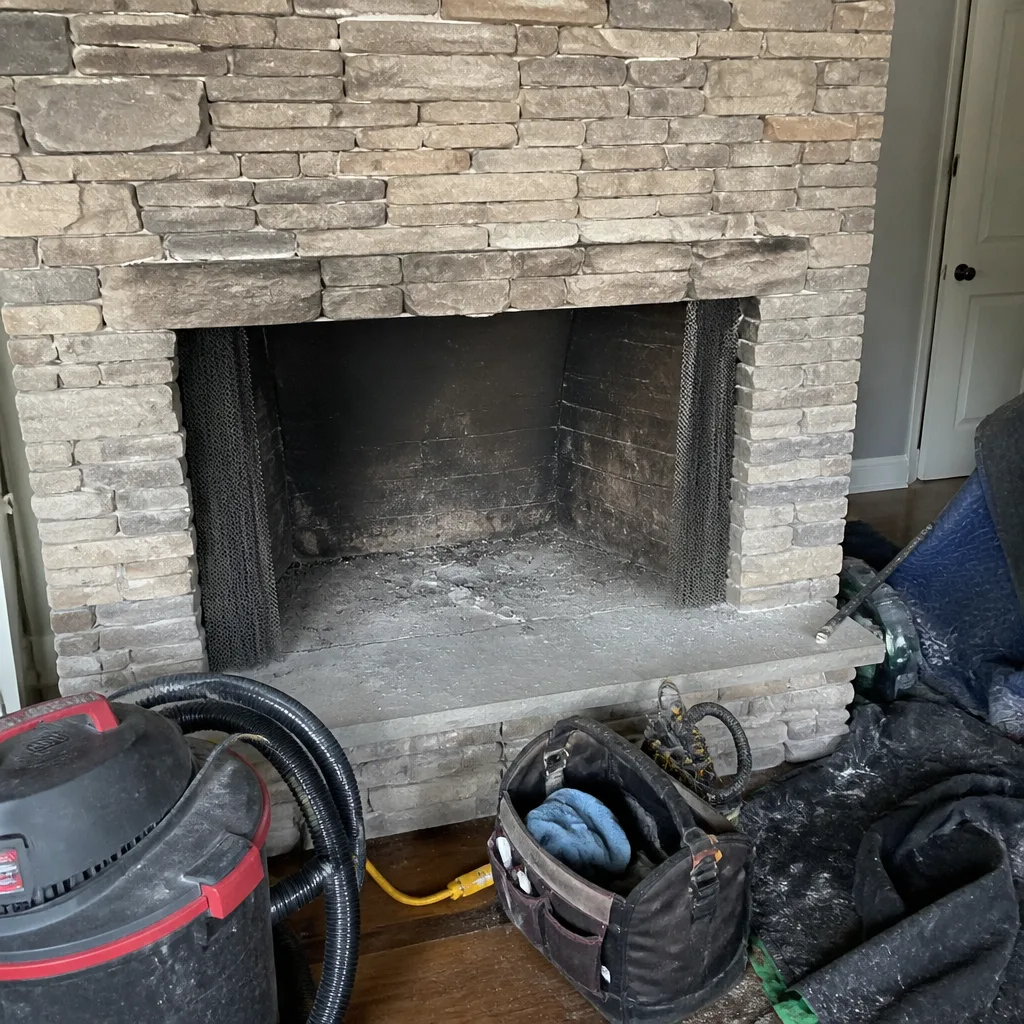 Before
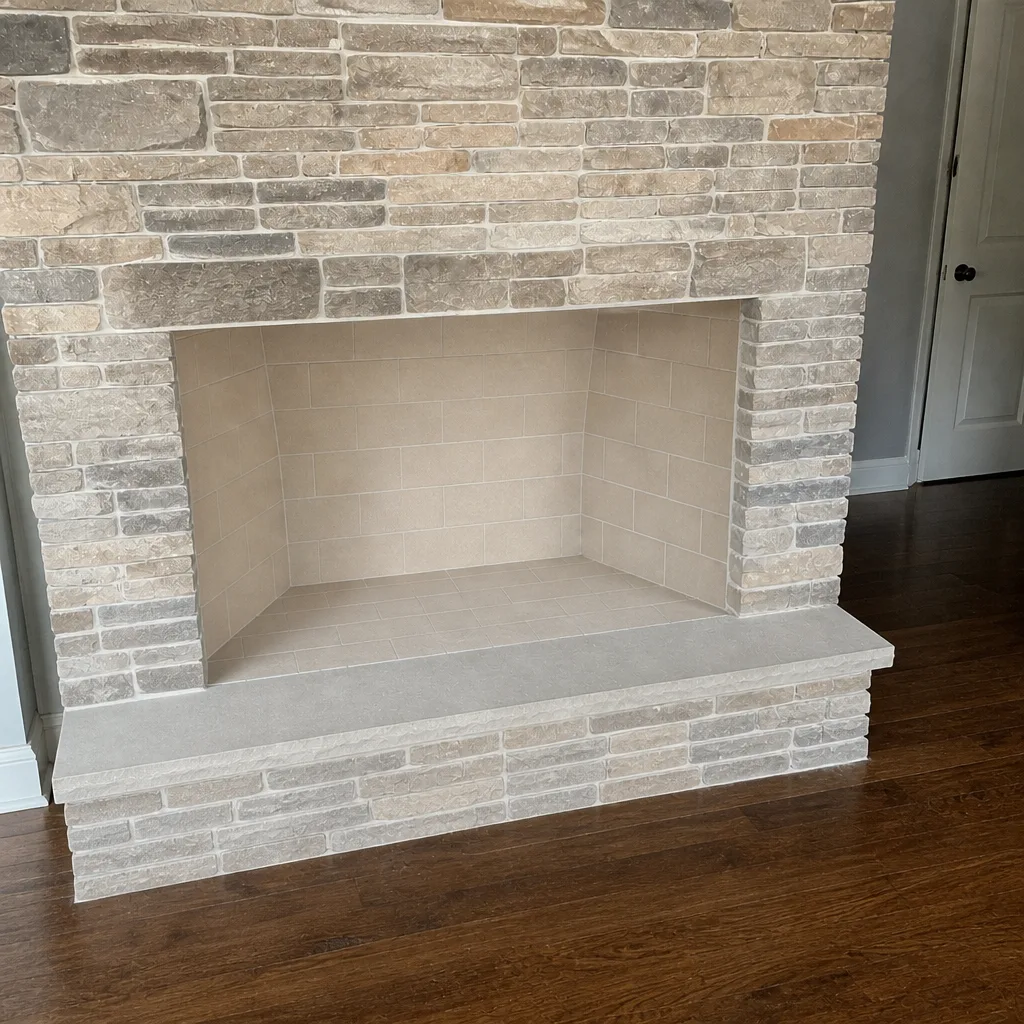 After
When to Call a Professional
Call a professional any time the system is unknown, glazed, damaged, or attached to a gas insert. If you’ve had a chimney fire, even a small one, call before your next fire. If you see crumbling mortar, cracked flue tile, rust on the damper, or water staining inside the firebox, that’s a repair question and it needs a technician on site. If you just bought the house and have no idea when the chimney was last seen to, book an inspection before the first cold snap. If you’re running a wood fireplace most nights, an annual professional sweep is the baseline.
Charlotte Chimney Cleaning offers free estimates in Charlotte, and one call covers your chimney and your dryer vent. Call (855) 412-0975. We answer 24/7. Fast dispatch from 7am to 7pm, Sunday through Friday. We’re closed Saturday. Our crews use professional-grade materials (DuraFlex, Gelco, Olympia Chimney and others), and we do the repair work when the camera finds something worth fixing.
Frequently Asked Questions
You can clean the accessible flue yourself, but you shouldn’t skip the professional visit, because the inspection is the part you can’t do. The visit delivers a camera run and a written report that document the flue’s condition. If you skip that, you don’t know whether your chimney is safe, and you don’t have a record for insurance. Call (855) 412-0975 for a free estimate on a proper sweep and inspection.
Once a year is the standard, and more often if you burn heavily or see glazed creosote. The timing that matters most in Charlotte is before the first real burn of the season, so the flue is clean and inspected going into winter. If you’ve had a chimney fire, inspect before the next fire regardless of the calendar. Call (855) 412-0975 to book a sweep.
The inspection, the camera footage, and the written report are the three biggest additions. A professional visit also includes full containment and HEPA vacuum containment, so the soot ends up in the machine and not your living room. And it includes a trained eye on the mortar joints, crown, cap, and flashing, which is where problems usually hide. Call (855) 412-0975 for a free estimate.
It’s reasonable as an interim brushing between professional inspections, in a system confirmed clean and sound, with proper gear and a safe roof setup. It’s not safe for glazed creosote, chimney fires, gas inserts, offset flues, or steep roofs. Treat DIY as brushing between inspections, not as replacement for one. Call (855) 412-0975 to schedule an inspection first.
Creosote keeps building, and glazed creosote is a fire risk. In a flue with a crack or deteriorated joint, combustion gases can move into wall cavities rather than up and out. Those are the two things a sweep and inspection exist to catch. It’s worth a visit before the first fire of the season. Call (855) 412-0975 for a free estimate.
Both. Charlotte Chimney Cleaning handles chimney sweeping, dryer vent cleaning, and chimney repair in Charlotte, and one call covers both hazards. Dryer vents use Famco-compatible components, and the visit is framed as a fire-safety check rather than a household chore. Call (855) 412-0975 to schedule a visit.
The Bottom Line
The DIY versus professional question isn’t really a skill contest. It’s about what you need from the visit. If you need light brushing on a system a professional already inspected and cleared, DIY is fine as housekeeping. If you need to know whether your chimney is safe, you need an inspection, and that requires a camera, a trained eye, and a written record. Cleaning is roughly 40% of a professional visit. The inspection is the other 60%, and it’s the half that protects your home. When you’re ready to book that visit, the crew at Charlotte Chimney Cleaning handles the sweep, the inspection, and the repair under one roof. Call (855) 412-0975 for a free estimate. We answer 24/7, with fast dispatch from 7am to 7pm, Sunday through Friday, closed Saturday.
Written by the team at Charlotte Chimney Cleaning, serving Charlotte since 2018.