
Last updated November 14, 2026
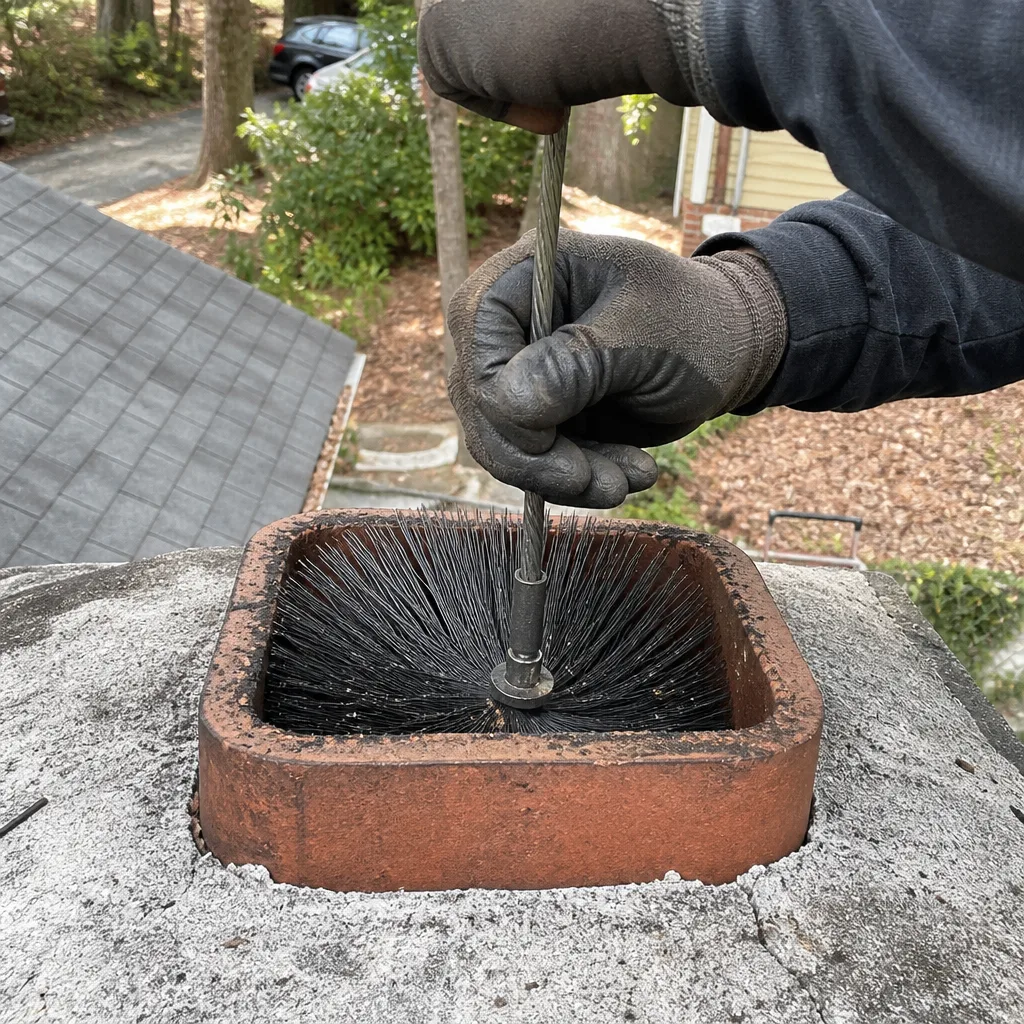
 Sweep & inspection
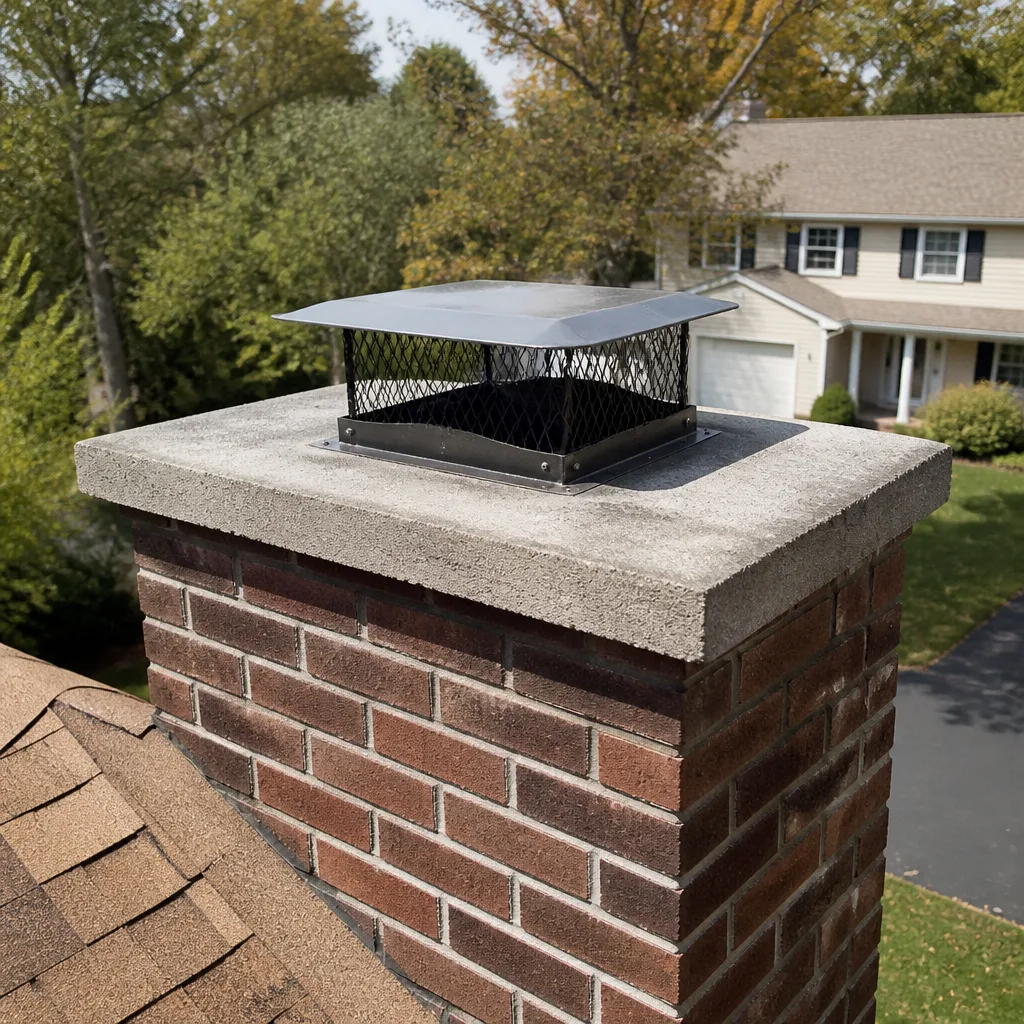
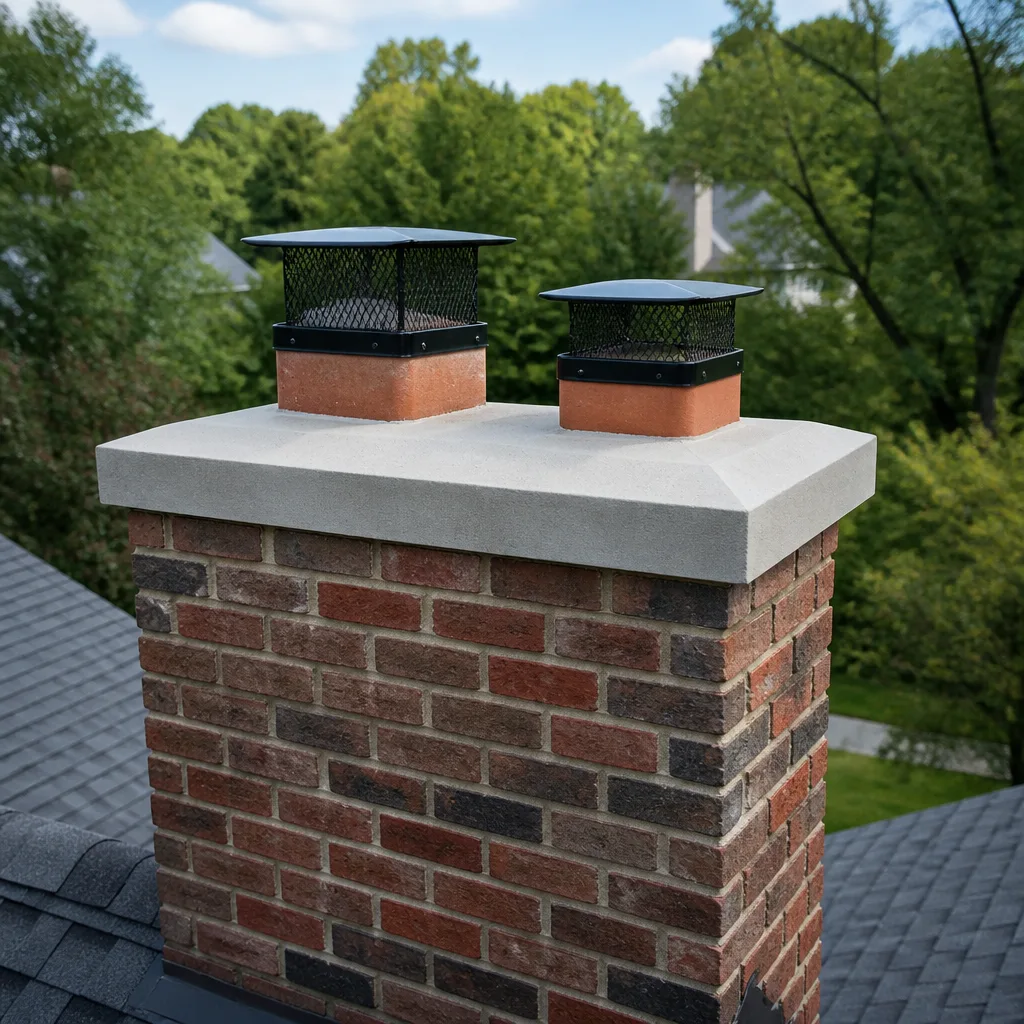 Caps & crowns
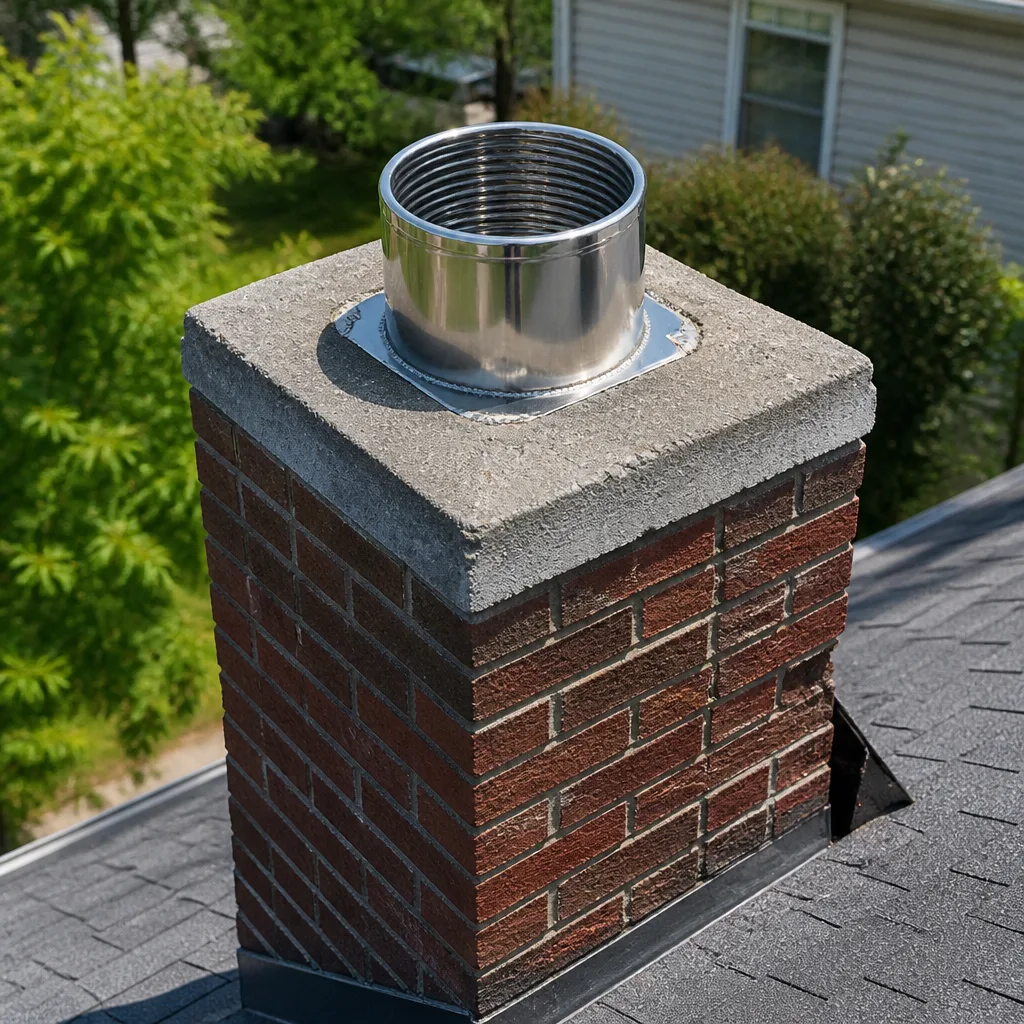 Flue relining
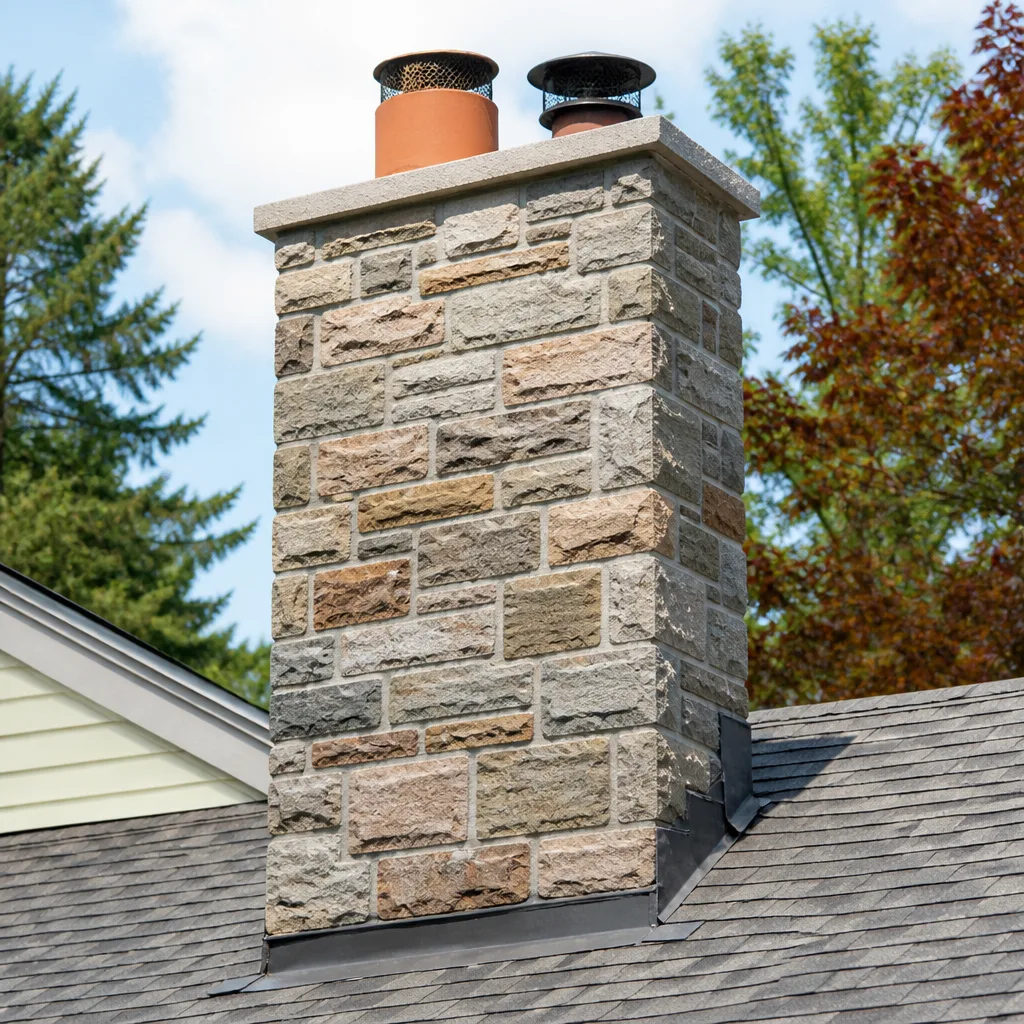 Masonry repair
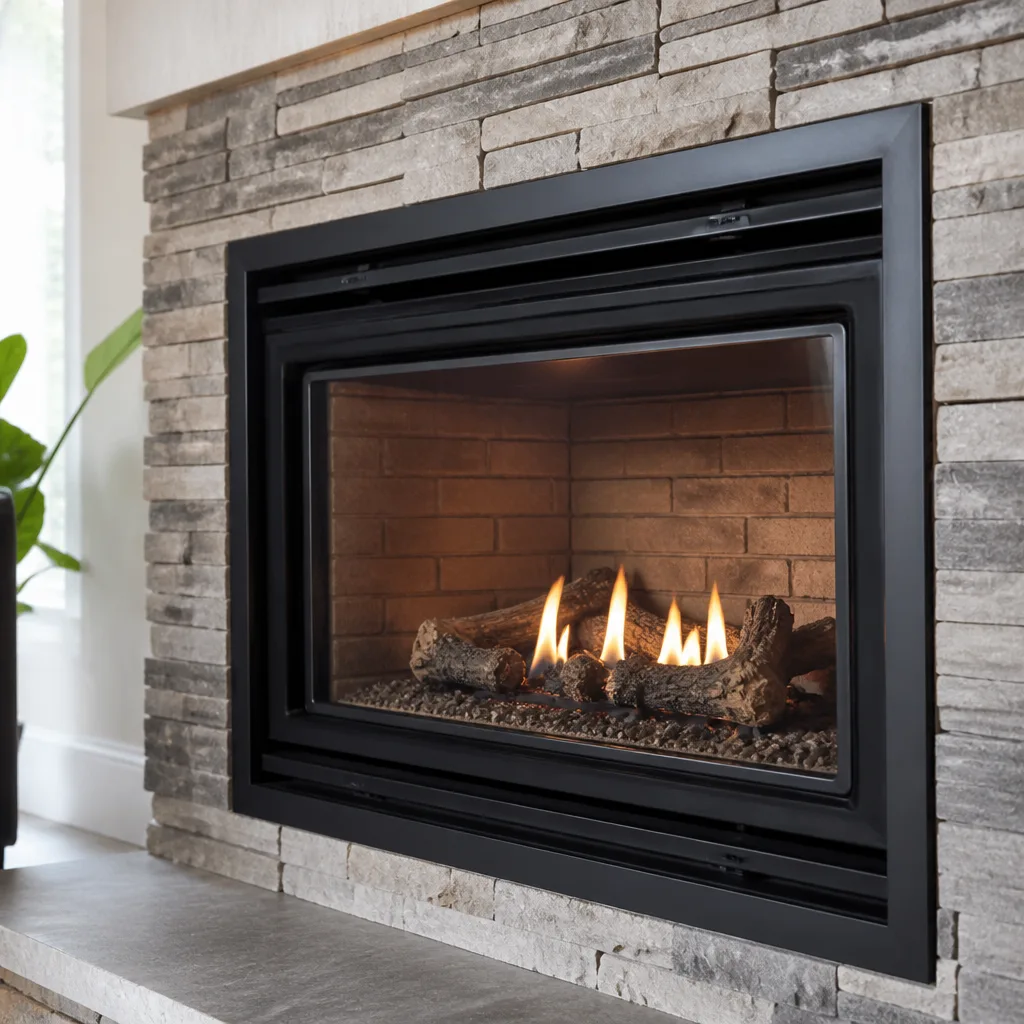 Gas fireplace service
Level 1 sweep and inspection to the NFPA 211 annual standard - flue, crown, cap, and flashing checked and photographed
Chimney sweep logs do not sweep chimneys. They loosen some creosote - which then falls where a brush and vacuum still have to collect it.
Chimney Cleaning Warning Signs: A Charlotte Homeowner’s Reference Guide
Here’s what most warning-sign guides get wrong: they list symptoms that show up only after the damage is already done. A cracked flue tile, a chimney crown split in half, a firebox full of glazed creosote – by the time you can see those things, you’re paying for repair, not prevention. A white crusty stain on the brick outside, on the other hand, looks harmless and isn’t cosmetic. It’s called efflorescence, and it’s a sign water is moving through your masonry and will eventually crack it. This guide works backward from those early indicators so you catch problems while they’re still cheap. Charlotte readers will find the decision tree at the end the most useful part.
Quick Answer
The most reliable early warning signs of a chimney that needs cleaning or service are: a smoky smell in the room even when the fireplace is off, a dark or glazed coating inside the firebox, smoke that spills back into the room instead of drawing up, and white efflorescence on exterior brick. Late-stage signs – a damaged crown, loose flue tiles, cracked exterior mortar – usually mean repair, not just a cleaning. Any sign that involves draft failure, a carbon monoxide alarm, or visible structural movement deserves a professional evaluation before the next fire.
Styles & brands we work with
- Sweep & inspection
- Caps & crowns
- Flue relining
- Masonry repair
- Gas fireplace service
Table of Contents
- Early-Stage vs. Late-Stage Warning Signs
- Interior Warning Signs You Can Catch from the Room
- Exterior Warning Signs You Can See from the Ground
- Warning Signs Specific to Gas Inserts and Prefab Units
- What Each Stage Typically Costs to Remedy
- The Decision Tree: What to Do When You Spot a Sign
- Why Charlotte’s Climate and Burning Season Matter
- The Other Fire Hazard Most Homeowners Miss
Early-Stage vs. Late-Stage Warning Signs
The single most useful distinction in this guide is between a warning sign that means “schedule service” and one that means “stop burning until someone looks at this.” Homeowners who blur the two either panic over a minor issue or ignore a serious one. Charlotte’s muggy summers and piney wood supply push both fast, so it pays to know which stage you’re in.
Early-stage signs (schedule a sweep)
- A sniff of campfire odor in the room when the fireplace hasn’t been used for days
- A thin, crusty layer of dark buildup on the firebox walls
- Light smoke drift into the room at the very start of a fire that clears once the flue warms
- Slightly stiff damper handle or a scrape or grind as you open it
- A faint outline of soot around the top of the firebox opening
None of these are emergencies. They’re the chimney telling you it’s overdue, and a standard chimney sweep with a camera inspection resolves most of them.
Late-stage signs (stop and call)
- Smoke pouring steadily into the room during a fire
- A carbon monoxide alarm sounding near the fireplace or anywhere in the house
- Glassy, shiny, hardened creosote inside the flue (Stage 3 creosote is a genuine fire hazard)
- Loose or missing bricks, a tilted chimney stack, or daylight visible through the mortar from inside the attic
- Water staining on the ceiling or attic sheathing near the chimney chase
These are not sweep-and-done problems. They call for inspection and likely repair before the next fire is lit.
Interior Warning Signs You Can Catch from the Room
You don’t need a ladder, a flashlight on the roof, or any climbing to catch most early warning signs. The best diagnostic tool you own is your nose and your eyes in the living room where the fireplace lives. Pay attention to three things: odor, smoke behavior, and how the damper feels. Each tells you something specific.
Odor: what each smell indicates
- Smoky, campfire smell when the fireplace is off – the classic sign of soot and creosote buildup plus negative pressure in the house. Often strongest in summer when the chimney is cool and humid air pushes back down the flue.
- Sour, acrid, or rotten smell – typically creosote that’s absorbed moisture, or an animal nest in the flue. If it’s sharp and chemical, stop using the fireplace and have it inspected.
- Exhaust or car-exhaust smell – a sign the chimney is pulling air from an attached garage or another mechanical source. Rare, but it points to a serious draft problem.
- No smell but a headache after burning – this is the one that deserves a carbon monoxide check, not a “wait and see.”
Smoke behavior: reading the fire
A healthy fire draws steadily up the flue with a clear flame and no roll of smoke over the top of the firebox. If smoke rolls forward into the room when you first light it and then clears, the flue is cold and you’re seeing normal behavior. If it never clears, or the fire struggles to catch at all, the flue is blocked, the damper isn’t open fully, or the chimney is undersized for the firebox. Get it evaluated before the next fire.
Damper feel and sound
A damper that grinds, sticks halfway, or has to be propped open with a stick is telling you the mechanism is corroded or the frame has shifted. Both are cheap fixes early and expensive later. If the handle moves easily but you can hear air rushing or a whistle when a fire is going, that’s a sign of a warped or misaligned damper plate that no longer seals.
Exterior Warning Signs You Can See from the Ground
You don’t need to climb a roof to inspect your chimney. A good pair of binoculars and a walk around the house every few months catch most exterior problems while they’re still small. Stand back across the yard, look at the chimney from several angles, and check the specific items below. In our experience, this ten-minute habit prevents more repair bills than any other single thing a homeowner can do.
- White powder or crusty banding on the brick (efflorescence) – water is migrating through the masonry. Not cosmetic. Left alone, the water freezes and expands inside the brick and eventually spalls the face off.
- Dark or green staining below the cap – water running down from a failed cap or crown, or algae/moss growth from chronic moisture.
- Cracked or crumbly mortar joints – the mortar lines between bricks should be straight and firm. If they crumble when you press with a key, they need repointing.
- Tilted or leaning stack – a stack that’s visibly off plumb from the ground is a structural concern, not a cosmetic one.
- Missing or damaged chimney cap – the cap keeps water, birds, and squirrels out. Charlotte’s tree cover makes animal intrusion a common call.
- Cracked crown – the concrete slab on top of the stack. If it’s split, water runs straight to the flue tiles.
- Loose flashing where the chimney meets the roof – visible from the ground on many single-story homes, and a frequent cause of interior leaks.
Any of the first four on that list is worth a professional look. Cracks and missing caps are not do-it-yourself fixes if you don’t know how to safely work around a chimney.
Warning Signs Specific to Gas Inserts and Prefab Units
Gas inserts and manufactured prefab fireplaces don’t produce creosote the way a wood-burning masonry fireplace does, but they fail differently. That difference means the warning signs you look for are different too. Homeowners often assume a gas fireplace is “maintenance-free” and skip the inspection entirely, which is how a small vent issue becomes a larger safety problem.
Gas insert warning signs
- A yellow, lazy, or lifting flame where it used to burn blue and steady (blue is normal; yellow with a lot of sooting suggests a combustion or venting issue)
- Soot marks on the glass, the logs, or the firebox walls
- A smell of gas at startup (a faint puff is normal; a persistent smell is not)
- Moisture on the inside of the glass after a burn
- The insert clicking but not lighting, or shutting off on its own
Prefab unit warning signs
- Rust or visible warping on the metal firebox or flue
- A loose or detached top termination cap on the roof
- Cracks in the refractory panels (the firebrick-look lining inside the metal box)
- A louder-than-usual rumble or popping during burn
Gas and prefab systems have their own rating and clearance requirements, and repairs use parts matched to the unit. When we’re on a job and see a prefab with failing refractory panels or a flex liner that’s aged out, we can often install a matched DuraFlex liner in the same visit rather than handing you off to a separate contractor.
What Each Stage Typically Costs to Remedy
Prices in the Charlotte market depend on the size of the chimney, the amount of buildup, and whether repair is needed. Every job is set by a written estimate after we’ve seen it. What follows are typical estimates, not promises, and they show why early action pays off. Every figure reflects what Charlotte homeowners commonly see, and the written estimate is the only number that matters.
| Stage of Problem | Typical Charlotte Cost Range |
|---|---|
| Standard sweep with camera inspection | $185 – $340 |
| Repointing mortar joints (early exterior damage) | $400 – $900 |
| HeatShield flue resurfacing (instead of full liner) | $900 – $1,900 |
| Full stainless liner replacement (DuraFlex or Olympia) | $2,400 – $4,800 |
| Crown repair or rebuild | $550 – $1,400 |
| Chimney rebuild (structural damage) | $4,500 – $9,000+ |
Notice what happens to the number between the top row and the bottom. A standard sweep at the first warning sign catches nearly everything before it turns into a liner or a rebuild. The $2,400-$4,800 you see in the middle of that table is the cost of waiting, not the cost of cleaning.
HeatShield is worth calling out separately. It’s a resurfacing material that restores a damaged flue interior without a full liner tear-out, and it sits right between the “cheap sweep” line and the “full liner” line. Not every flue is a candidate, but when one is, it saves a lot of money. Being able to resurface in place is one reason we stock it – a sweep-only service can’t help on the repair side.
The Decision Tree: What to Do When You Spot a Sign
Here’s the part most guides skip. You’ve spotted a warning sign. Now what? Use the steps below to sort what you’re seeing into the right level of urgency. This is the same conversational filter we use on the phone.
- Is anyone at risk right now? If a carbon monoxide alarm has sounded, if there is smoke in the living space for more than a minute, or if you see visible fire damage, stop using the fireplace, open a window, get everyone outside, and call 911 or your gas utility first. Call us after the immediate situation is handled.
- Is the sign structural? A leaning stack, a missing cap, a loose flue tile, water on the ceiling, or daylight through mortar means stop burning and schedule an inspection promptly. These are not wait-a-season problems.
- Is the sign operational? A smoky smell when the fireplace is off, a struggling draft, a sluggish damper, or light soot around the firebox opening means schedule a sweep before the next fire. It’s a routine appointment, not a rush.
- Is the sign cosmetic? Light dusting inside the firebox or a very small amount of surface soot on the glass means note it and schedule your annual sweep in the normal seasonal window.
- Is it only on the exterior? White efflorescence, small mortar cracks, or a slightly weathered crown means schedule a roof-side inspection when convenient – before the next rainy season is better than waiting.
- Not sure? Call us and describe what you’re seeing. We answer 24/7 and can tell you from your description whether it’s a same-day concern or a “put it on the calendar” concern. Fast dispatch from 7am to 7pm, Sunday through Friday.
When you call, have three things handy: the type of fireplace you have (wood-burning masonry, gas insert, or prefab), what you’re seeing, and what you’ve already tried. That’s usually enough to sort the urgency in under two minutes.
Why Charlotte’s Climate and Burning Season Matter
Charlotte’s chimneys see a specific combination of conditions most national chimney content doesn’t account for. We have humid summers that push moisture deep into masonry, a hurricane-season shoulder with heavy driving rain, and a short, cold enough winter that fires get used hard between November and February. That combination is hard on brick and mortar in a way that shows up as efflorescence and spalling on a lot of Charlotte homes.
What that means in practice:
- Spring and summer inspections catch water problems before the freeze cycle starts. Freeze-thaw is what turns a tiny crack in the crown into a $1,400 repair.
- Early fall is the busiest window for the annual sweep, because owners want the chimney ready before the first cold snap. Booking in late September avoids the scramble.
- Wood selection matters more than most people think. Seasoned hardwood burns cleaner and creosotes less than green wood, and a lot of Charlotte homeowners burn whatever a landscape crew dropped off. Damp wood is one of the leading causes of fast creosote buildup.
- Tree cover in established neighborhoods means chimney caps are doing more work here than in newer developments. A missing cap on a home under a pecan or a tall oak gets animal nests within a season.
None of that is dramatic, and no single sign means an emergency on its own. But combined, the Charlotte climate compresses the timeline between “early warning” and “real repair.” Homeowners who inspect in the spring and sweep in the fall see the fewest repair bills.
The Other Fire Hazard Most Homeowners Miss
While you’re looking at your chimney, look at the other fire risk in the house: the dryer vent. Lint buildup in a long vent run is a genuine fire hazard, and the setup in most Charlotte homes makes it worse – laundry rooms pushed toward the middle of the house or an upstairs closet means the vent run is longer than the standard short rear-wall setup. Long runs trap more lint, and long runs are harder to see into.
Warning signs your dryer vent needs service:
- Clothes take noticeably longer to dry than they used to
- The dryer or the wall behind it feels hot to the touch while running
- The outside vent flap barely moves or doesn’t open
- A burning or musty smell in the laundry room
- Visible lint around the dryer’s exterior or on the wall behind it
- It’s been more than a year since the vent was last cleaned
dryer vent cleaning is the other half of the fire-hazard work we do. It’s not the same job as the chimney, but it belongs in the same annual conversation. One call covers your chimney and your dryer vent, and both are handled by the same crew using Famco-compatible components rather than a shop-vac improvisation.
If your laundry room is multi-story – common in newer Charlotte builds – the vent run may be two to three times the length of a single-story setup. Those runs need a proper rotary cleaning, not a quick vacuum at the dryer end. If you’re not sure of your vent length, we can measure it during the same appointment.
Common Mistakes to Avoid
- Waiting for a smell before scheduling a sweep. A healthy chimney produces almost no smell – by the time you notice one, the buildup is usually over the annual threshold. Annual inspection catches it before you smell anything.
- Treating efflorescence as a cosmetic problem. Shop-vac-and-ignore is the wrong move. White staining on the brick means the water is already inside the masonry and needs to be stopped at the source.
- Burning green or damp wood to save money. It creosotes faster than seasoned hardwood, which means you’ll be paying for a sweep twice as often. The savings never survive the extra cleanings.
- Skipping the inspection because the fireplace “looks clean.” The flue interior is what matters, and you can’t see it from the room. A camera inspection is the only way to know.
- Hiring a sweep-only company for a repair. When damage turns up mid-sweep and the crew can’t fix it, you’re coordinating two contractors and two estimates for the same chimney. Single-source accountability avoids that.
- Ignoring the dryer vent because the dryer still works. Lint fires start behind the dryer, not inside it. The appliance running fine tells you nothing about the vent run.
- Not putting eyes on the exterior twice a year. The ten minutes with binoculars is the cheapest inspection you’ll ever do. Most exterior problems start small enough to fix for hundreds, not thousands.
See the difference
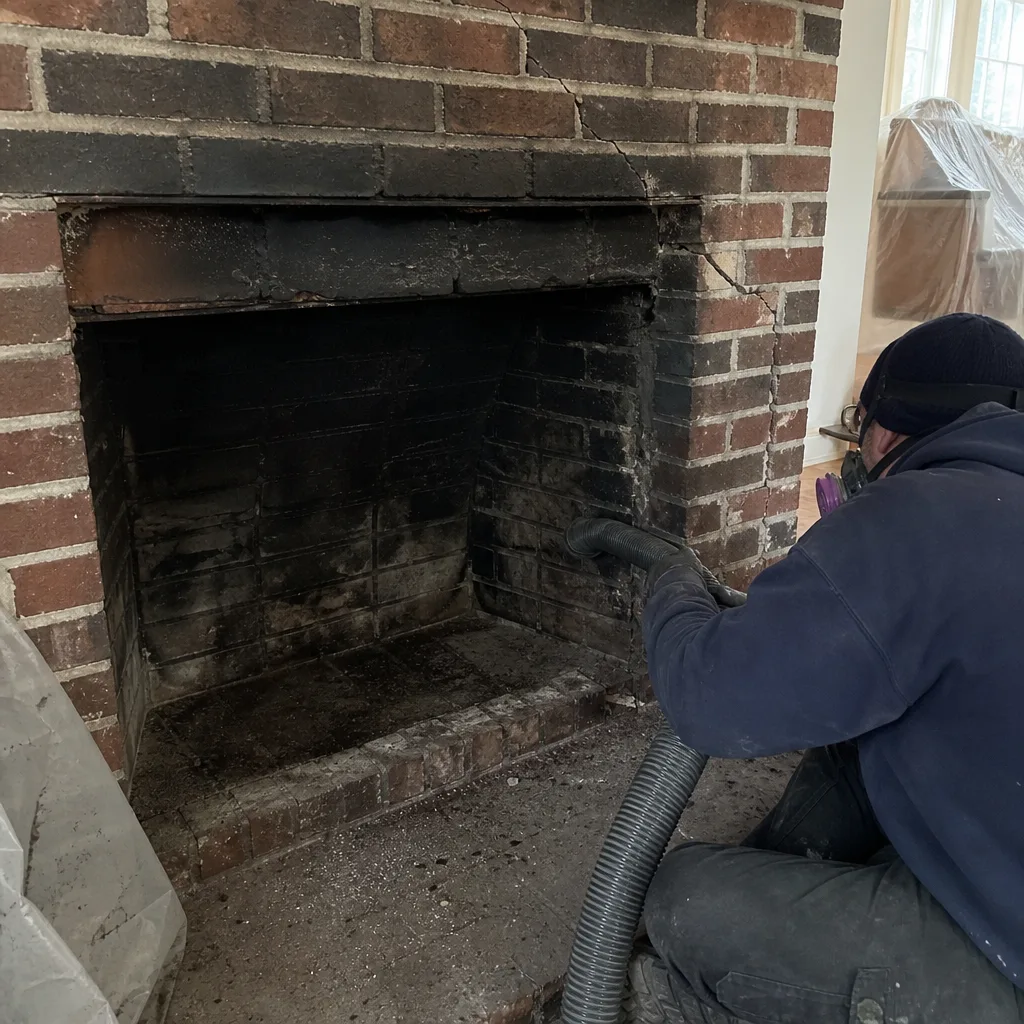 Before
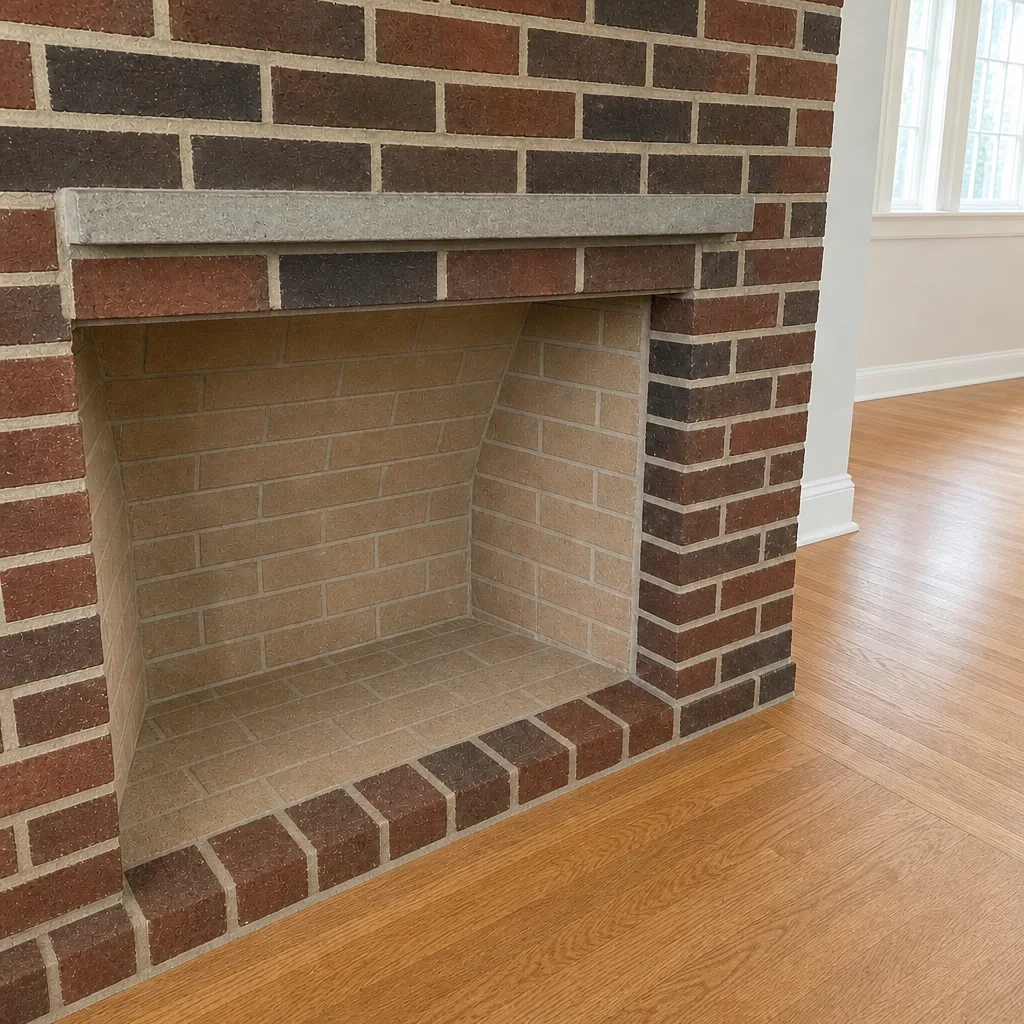 After
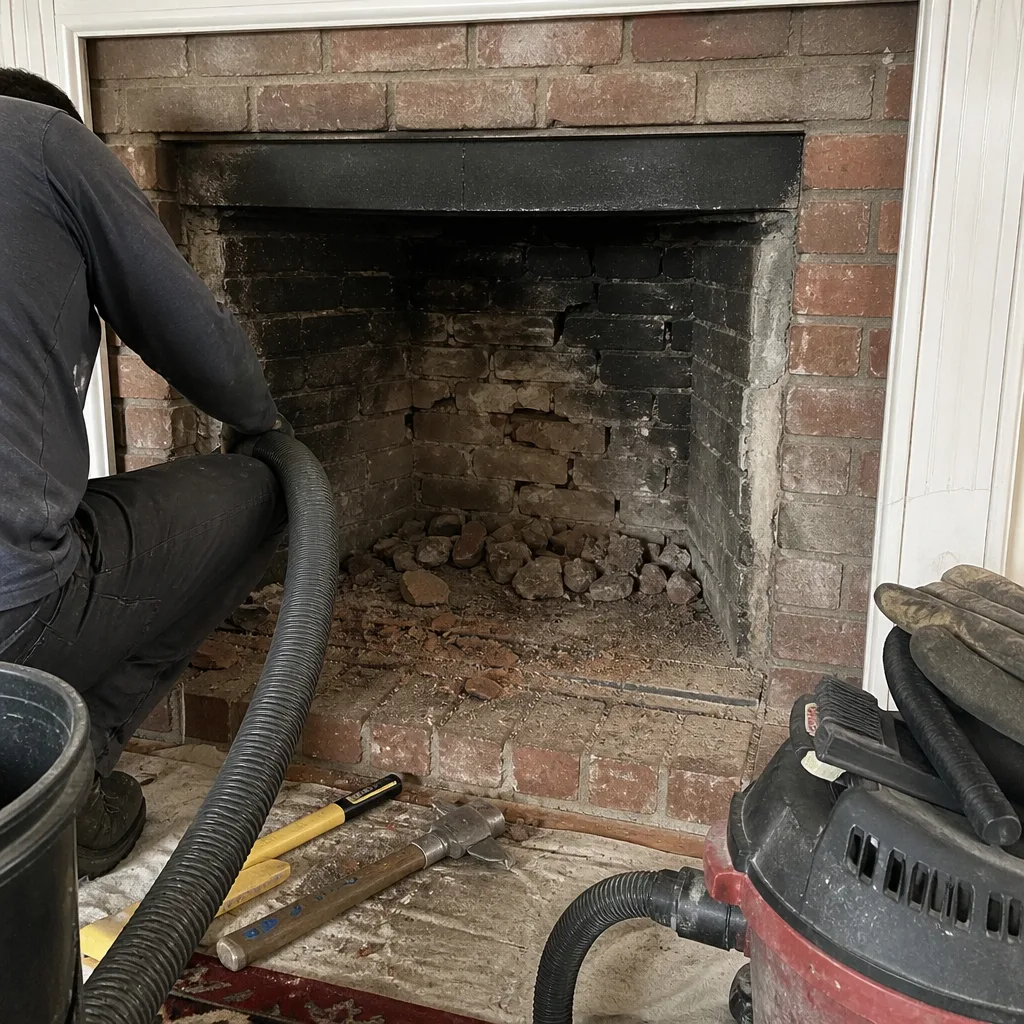 Before
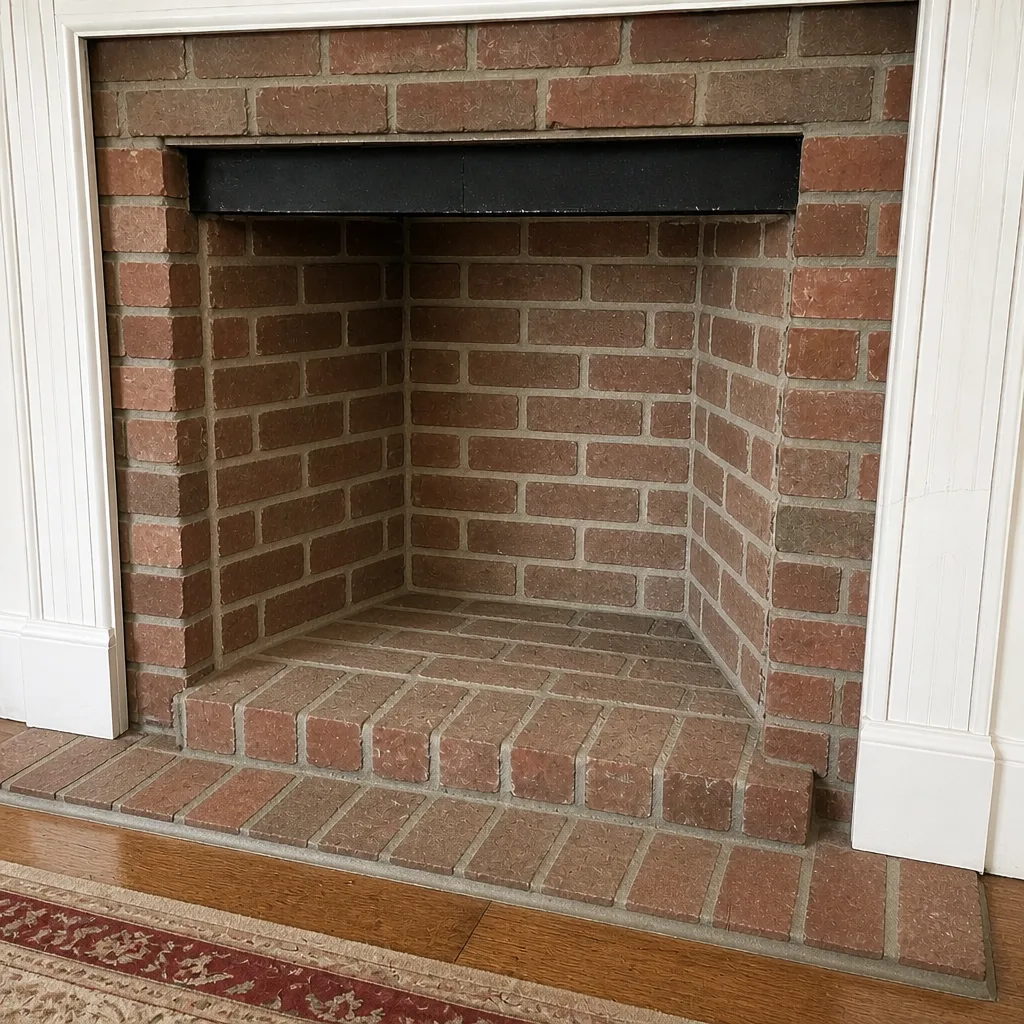 After
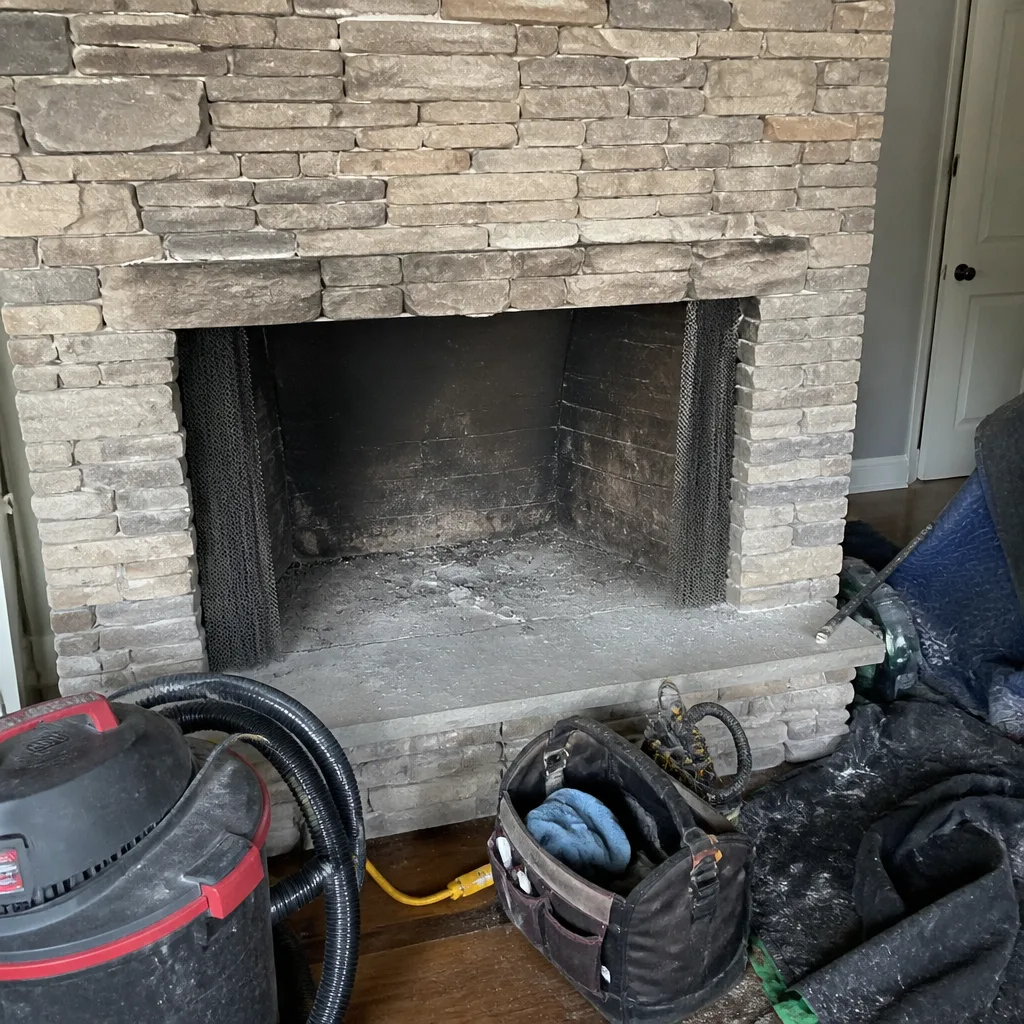 Before
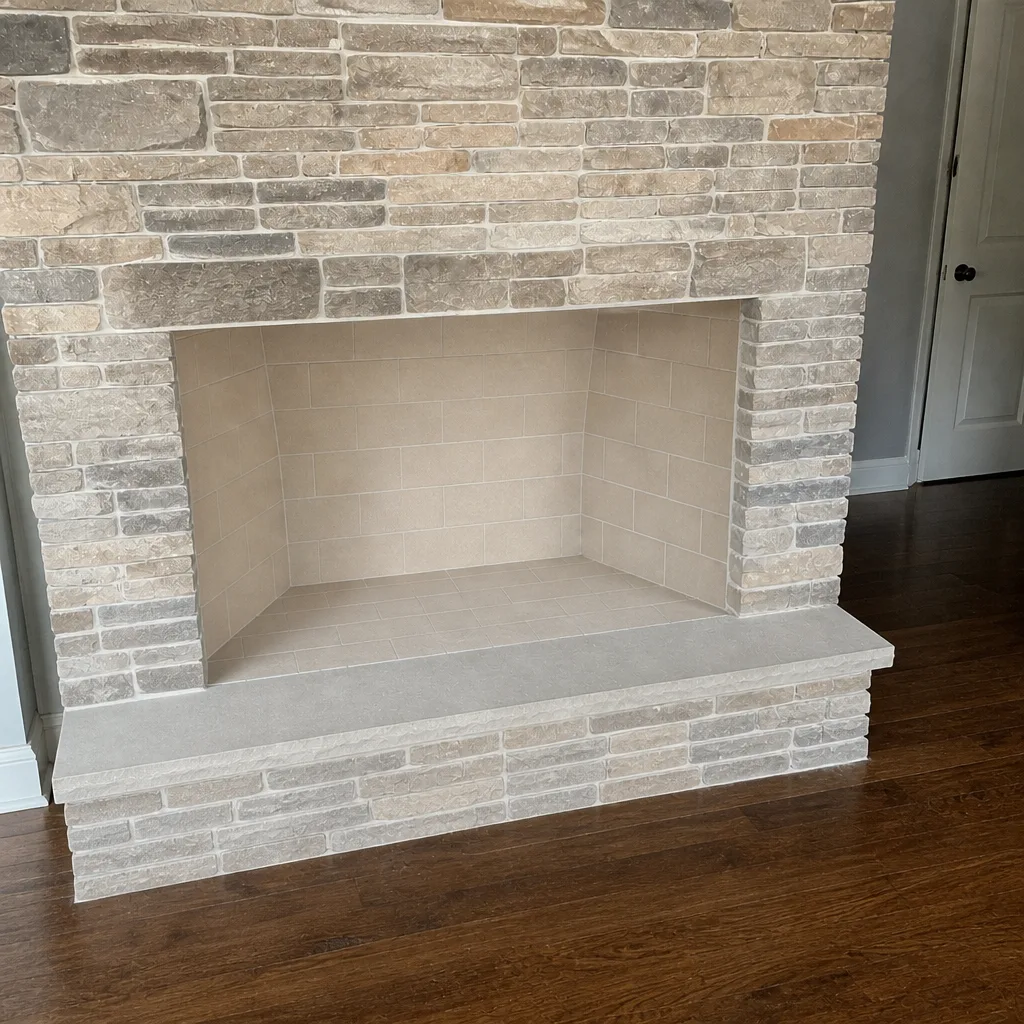 After
When to Call a Professional
Call a professional the moment you spot a structural sign (leaning stack, missing cap, cracked crown, loose flue tiles), a safety sign (carbon monoxide alarm, smoke pouring into the room, visible fire damage in the flue), or an operational sign that hasn’t cleared after one normal burn (struggling draft, stubborn damper, persistent smoky smell). Schedule a routine appointment when the signs are early-stage and the fireplace is functioning, and put a standing annual sweep on the calendar before the fall rush. If you’re unsure which bucket you’re in, describe what you’re seeing and let us sort it for you.
Charlotte Chimney Cleaning offers free estimates in Charlotte. We work with DuraFlex, HeatShield, Gelco, Olympia Chimney, Famco, and Copperfield, and we handle inspection, cleaning, and repair under one roof. Call (855) 412-0975. We answer 24/7. Fast dispatch from 7am to 7pm, Sunday through Friday.
Frequently Asked Questions
A smoky smell in the room when the fireplace hasn’t been used for a few days. It’s usually creosote and soot buildup combined with air backdraft, and it’s an early indicator that warrants a sweep rather than a repair. Call (855) 412-0975 if you’re smelling it – estimates are free.
A standard chimney sweep in Charlotte typically runs $185 to $340 depending on chimney size and buildup. The written estimate sets the final price, and a camera inspection and photo report are included. Call (855) 412-0975 for an exact quote – estimates are free.
A liner needs replacement when the flue tiles are cracked, missing, or spalling, or when the current liner isn’t rated for what you’re burning. A camera inspection shows you the condition with your own eyes, and HeatShield resurfacing can resolve some cases without a full liner replacement. Call (855) 412-0975 if you want a second opinion on a liner quote.
Most wood-burning fireplaces should be swept once a year, or more often if you burn frequently. Gas inserts and prefab units typically need inspection annually even though they produce less creosote. Call (855) 412-0975 to book an appointment before the fall window fills.
Creosote builds up inside the flue until it can ignite, which is the leading cause of chimney fires. Blockages from animal nests or fallen tiles can also push carbon monoxide back into the living space instead of up the flue. Call (855) 412-0975 to schedule a sweep – it’s a conversation worth having before the next fire.
No. A chemical log may loosen some surface soot, but it doesn’t remove Stage 2 or Stage 3 creosote, doesn’t clear animal nests or fall-blocked flues, and can’t tell you what the flue’s actual condition is. A camera inspection from a trained sweep is the only way to know what’s inside. Call (855) 412-0975 to schedule one.
A smell in the fireplace room, smoke behavior in the firebox, or anything visible at the chimney exterior points to the chimney. A smell in the laundry room, slow-drying clothes, or a hot dryer cabinet points to the dryer vent. When in doubt, both can be inspected on the same visit. Call (855) 412-0975 to book both.
Tell us the fireplace type (wood masonry, gas insert, or prefab), what you’re seeing or smelling, and how long it’s been going on. That’s usually enough to sort urgency in under two minutes. Call (855) 412-0975. We answer 24/7. A call outside dispatch hours is booked into the next opening, Sunday through Friday, 7am to 7pm.
The Bottom Line
Warning signs are cheap to hear and expensive to ignore. Early-stage signs – a smell, a struggling draft, a stiff damper, a little white efflorescence – mean schedule a sweep and catch the problem before it turns into repair. Late-stage signs – loose flue tiles, structural movement, smoke in the room, a CO alarm – mean stop burning and get an inspection now. The full job is a lot less expensive when it starts as a $185-$340 sweep than when it ends as a $2,400-$4,800 liner. Charlotte’s humid summers and short, hard winters compress that timeline, which is why a spring look and a fall sweep is the right rhythm here.
Read the signs the same way you’d read a warning light in your car: notice it early, don’t panic, and get someone qualified to confirm. That’s what we do in Charlotte, and it starts with a phone call, not a purchase order.
Charlotte Chimney Cleaning handles chimney sweep, chimney repair, and dryer vent cleaning as three distinct services under one company. If you’ve spotted a warning sign and want a straight answer, call (855) 412-0975 for a free estimate. We answer 24/7. Fast dispatch from 7am to 7pm, Sunday through Friday.
Written by the team at Charlotte Chimney Cleaning, serving Charlotte since 2018.