
Last updated November 14, 2026
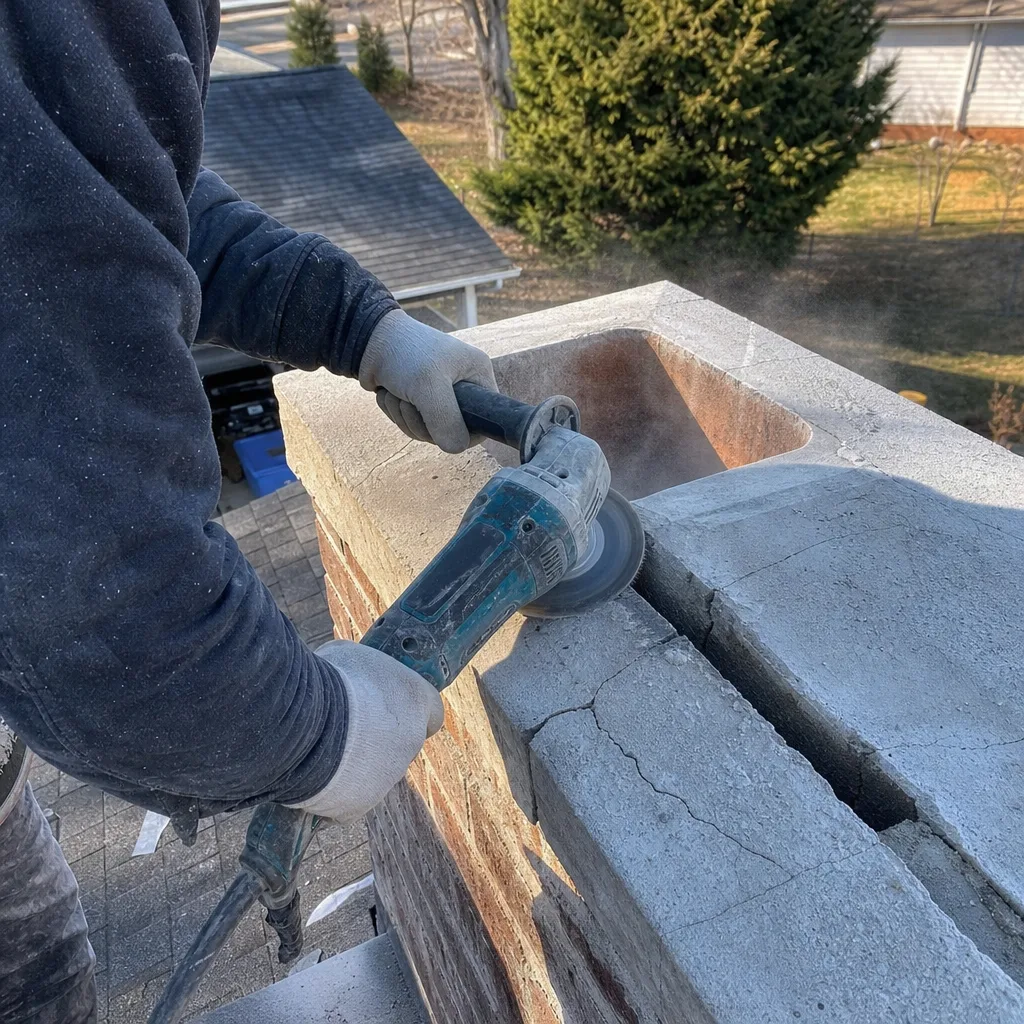
 Sweep & inspection
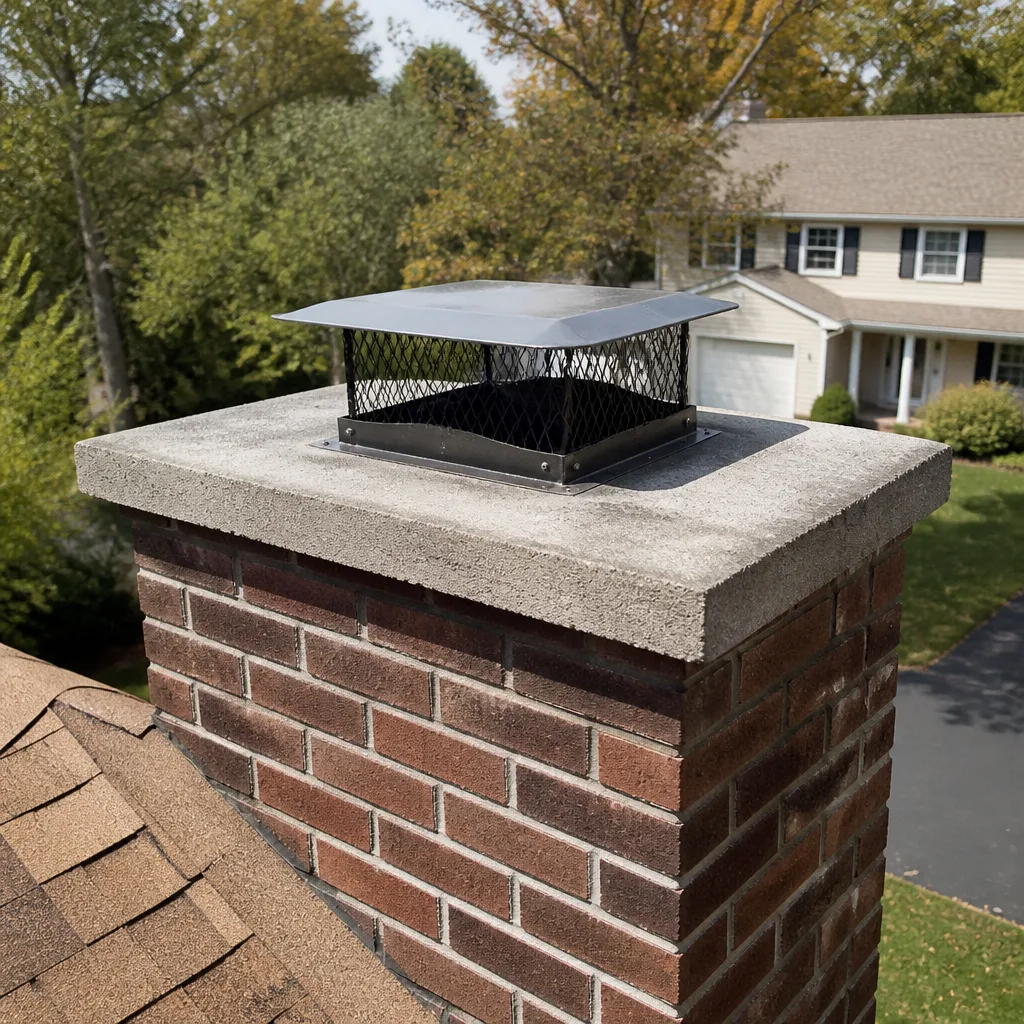
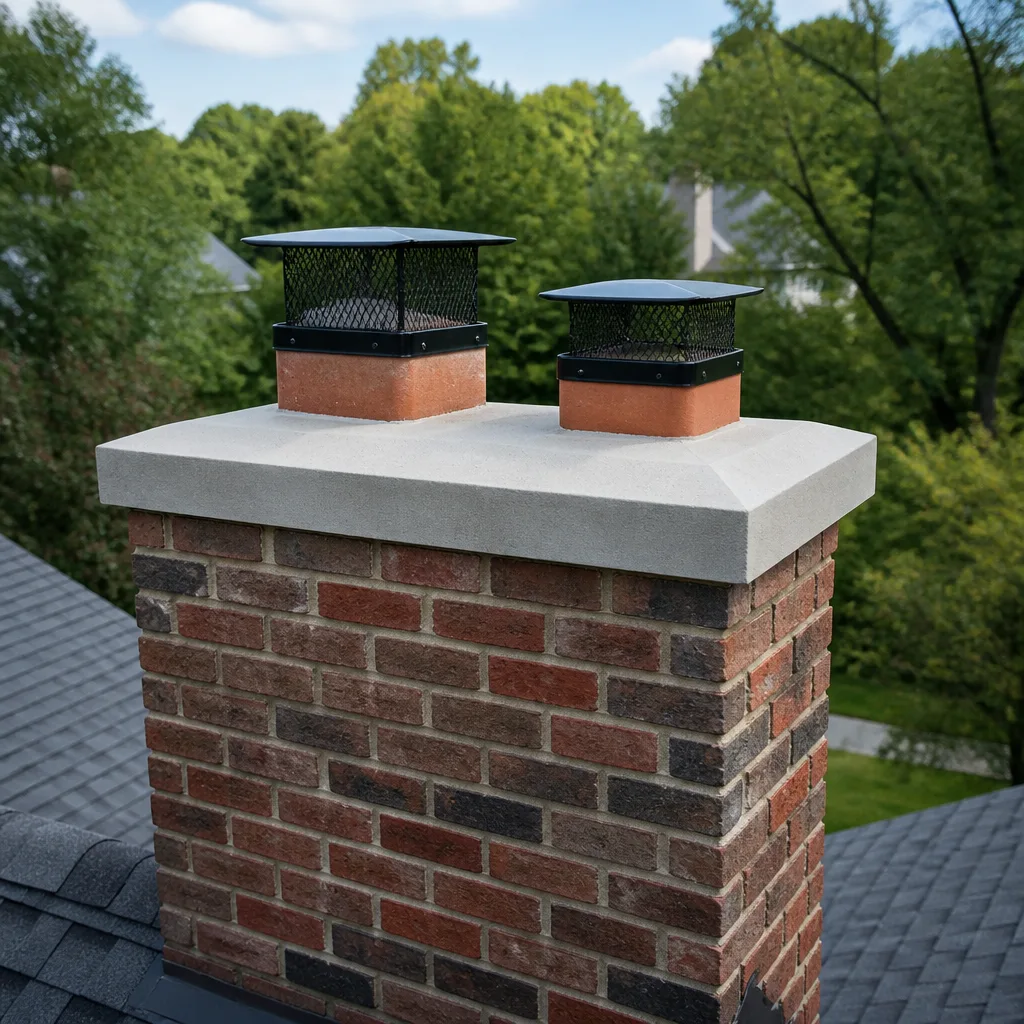 Caps & crowns
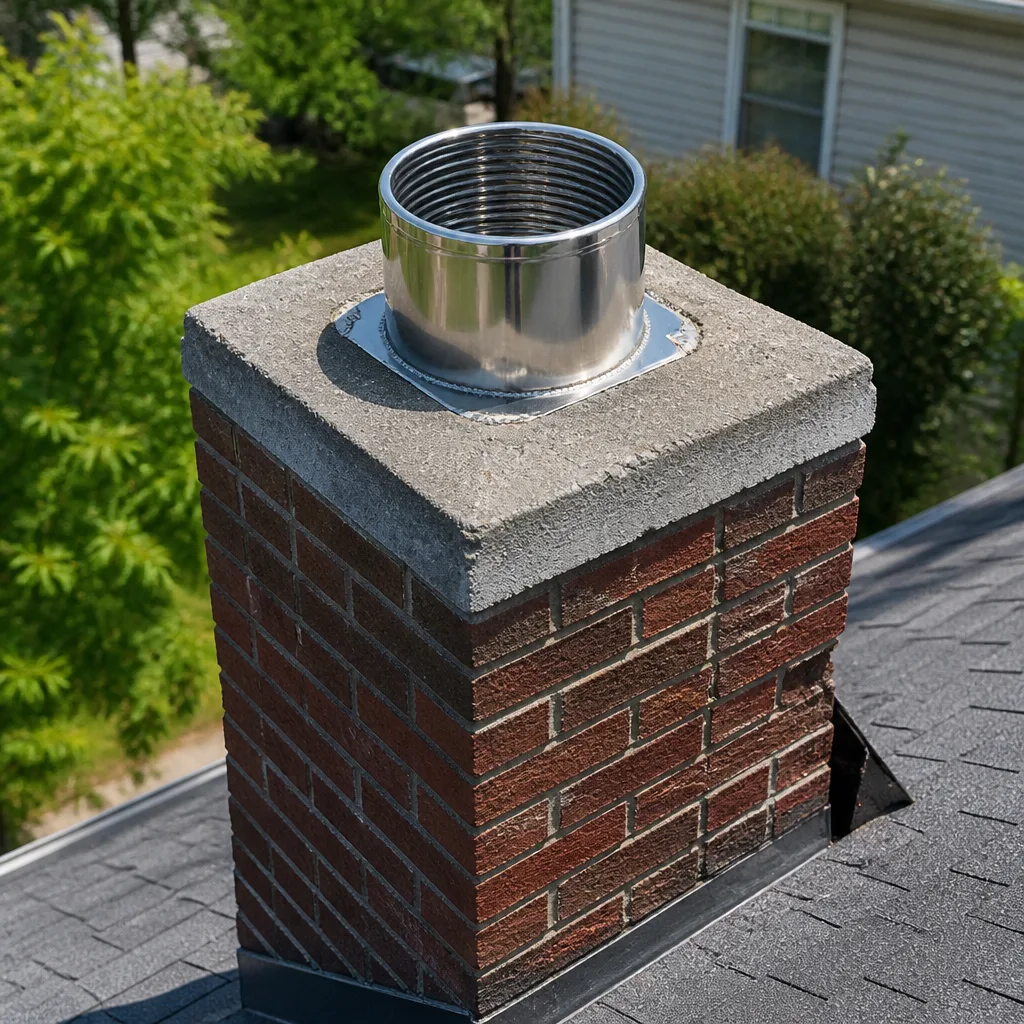 Flue relining
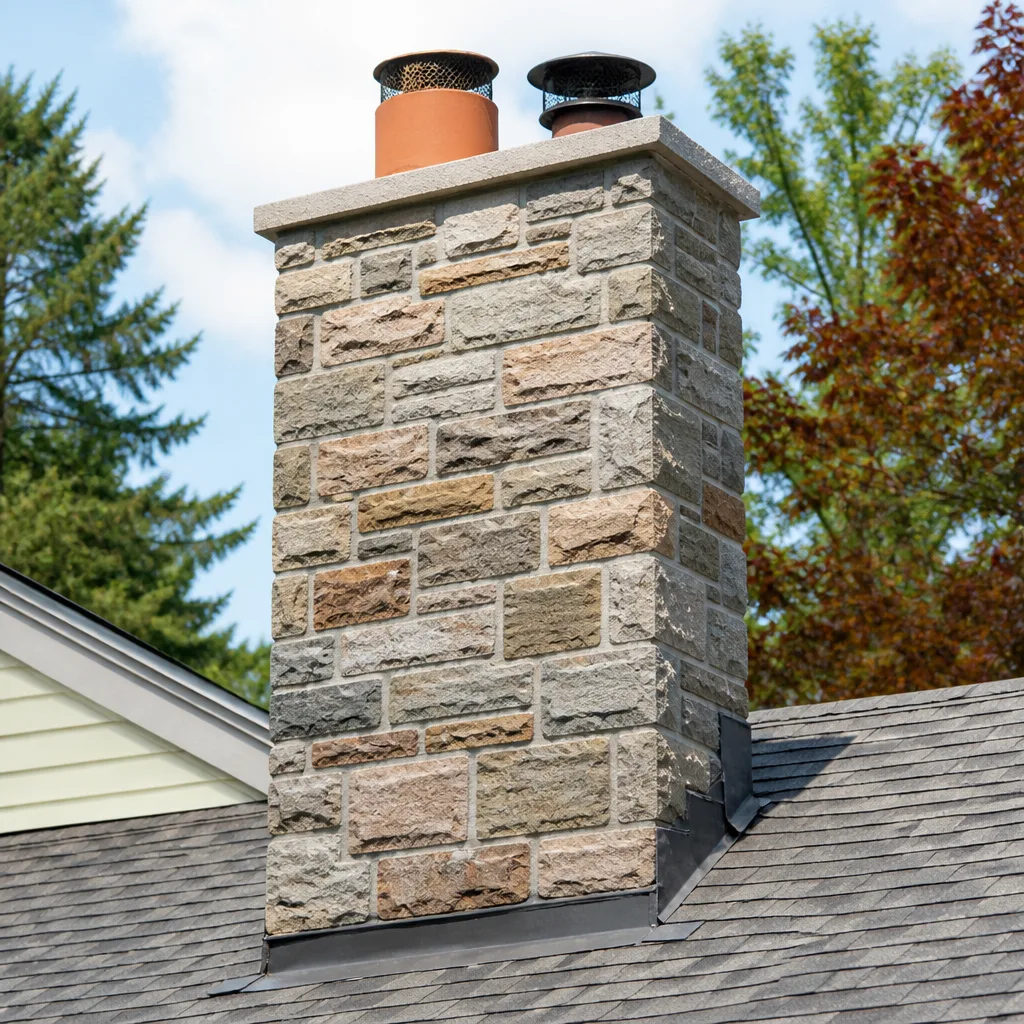 Masonry repair
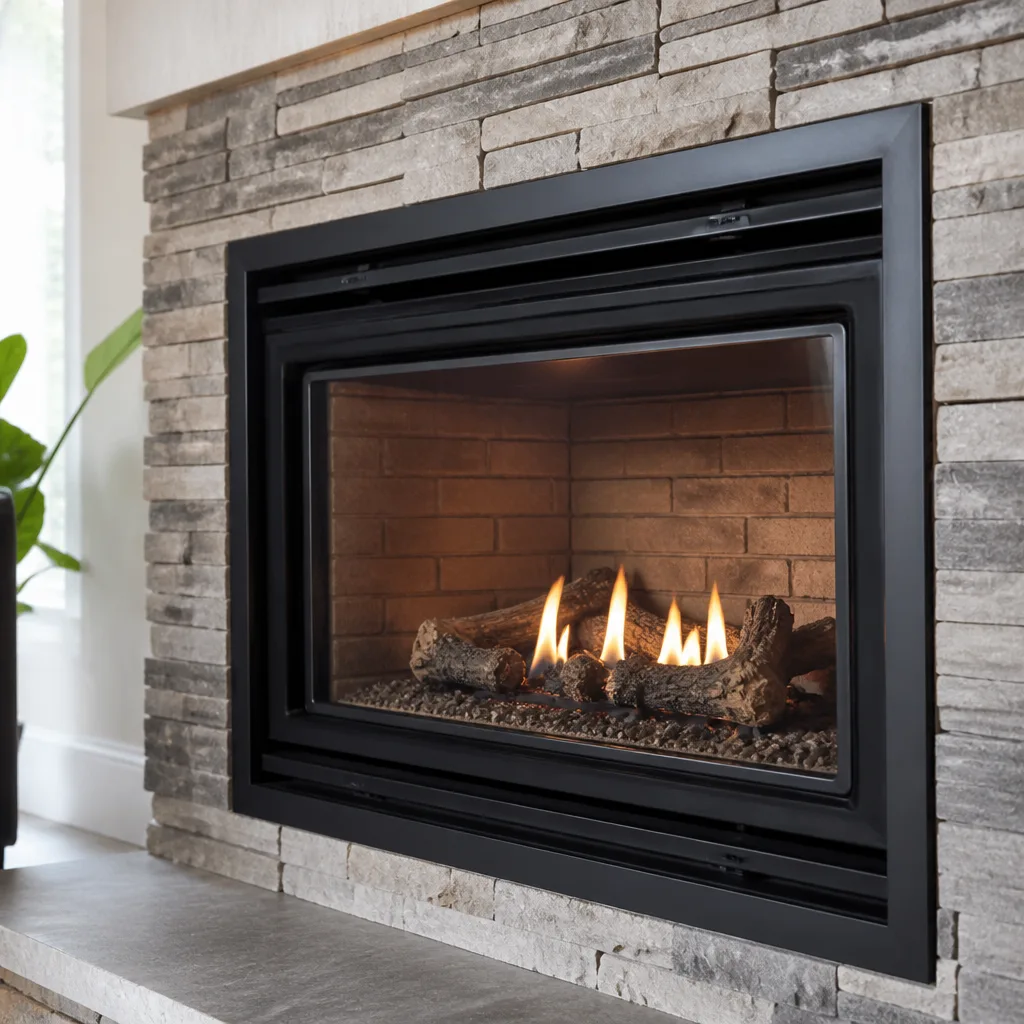 Gas fireplace service
Level 1 sweep and inspection to the NFPA 211 annual standard - flue, crown, cap, and flashing checked and photographed
Chimney sweep logs do not sweep chimneys. They loosen some creosote - which then falls where a brush and vacuum still have to collect it.
Chimney Cleaning Permits, Codes & Inspections in Charlotte, NC: What You Need to Know
Most homeowners assume chimney work is like gutter cleaning: somebody comes out, does the job, and nobody files paperwork. That’s true for a sweep. It stops being true the moment the work turns structural. In Charlotte, the line between “maintenance” and “repair that needs a permit” is where closings stall, where inspectors write findings, and where a homeowner’s honest answer of “I didn’t know” doesn’t fix anything. We’ve watched this play out in older neighborhoods and new builds alike, and the confusion is nearly universal. This guide walks you through where that line sits under the North Carolina Residential Building Code, who in Charlotte-Mecklenburg actually issues the permit, how NFPA 211 fits in, and what unpermitted chimney work looks like when a buyer’s inspector finds it.
Quick Answer
Routine chimney cleaning and inspection do not require a permit in Charlotte. Structural chimney repair, relining, crown and cap replacement, and masonry rebuilding typically do require a permit through Mecklenburg County Code Enforcement, and the work is expected to follow NFPA 211 as the technical standard. If you sell a home with unpermitted chimney work, the finding surfaces during the buyer’s inspection and can delay or derail closing until it’s remediated and inspected.
Styles & brands we work with
- Sweep & inspection
- Caps & crowns
- Flue relining
- Masonry repair
- Gas fireplace service
Table of Contents
- Where Cleaning Ends and Permitted Work Begins
- Who Issues Chimney Permits in Charlotte-Mecklenburg
- NFPA 211: The Standard Inspectors Actually Reference
- The Three Levels of Chimney Inspection
- How Unpermitted Chimney Work Surfaces at Resale
- HOA Approval for Exterior Chimney Work in Charlotte
- Charlotte’s Climate and What It Does to Chimneys
- Step by Step: Permitted Chimney Repair in Charlotte
Where Cleaning Ends and Permitted Work Begins
The threshold most homeowners get wrong is this: cleaning and inspection are maintenance; anything that changes the structure or the flue is repair. Maintenance doesn’t need a permit. Repair usually does.
Cleaning a flue with brushes and a vacuum, running a camera inspection, checking the damper, and removing creosote are all maintenance. So is cleaning a dryer vent. None of that touches the building’s structure, so there’s nothing for a code official to inspect.
Here’s where it flips:
- Relining a flue – installing or replacing a liner, whether stainless or otherwise, is a structural change to the venting system. Permit territory.
- Crown and cap replacement – a cracked crown lets water into the masonry. Rebuilding it is masonry work, not cleaning.
- Rebuilding a chimney above the roofline – repointing alone might be maintenance, but taking down and rebuilding courses of brick is not.
- Removing or altering a chimney – any full or partial removal, including taking a chimney down to the roofline, needs a permit.
- Firebox or smoke chamber repair – resurfacing the smoke chamber with a product like HeatShield is repair work, and it changes the interior surface of the flue system.
If you’re unsure, the honest answer is that it depends on what the inspection finds. That’s why we tell Charlotte homeowners to get the inspection first and the permit conversation second. You can’t know if you need a permit until you know what’s actually wrong in there.
Who Issues Chimney Permits in Charlotte-Mecklenburg
Chimney permits in Charlotte go through Mecklenburg County Code Enforcement, which handles building permits and inspections for the city and the surrounding county. The county runs the process, not the city, which is one reason homeowners get confused about where to apply.
In practice the process works like this:
- The contractor applies. The licensed contractor pulls the permit, not the homeowner. A chimney repair contractor who’s set up to do permitted work will handle the application.
- Scope and drawings go in. The application describes what’s being repaired, what materials are used, and how the finished work will meet code. For liner replacement, the liner specification matters.
- The permit is issued. Once the county reviews the scope, the permit is issued and work can begin.
- Inspections happen at defined stages. Depending on the scope, the county may inspect before the work is closed up and again at completion.
- The permit is closed. When inspections pass, the permit is recorded against the property, which is what a future buyer’s inspector will see.
This is why we emphasize single-source accountability. When the same crew that cleans your flue also does the repair, there’s no handoff where the permit gets forgotten. If a sweep-only company finds a failed liner and sends you to a mason, the permit conversation gets split between two parties, and that’s exactly how unpermitted work happens in Charlotte.
NFPA 211: The Standard Inspectors Actually Reference
NFPA 211 is the standard for chimneys, fireplaces, vents, and solid fuel-burning appliances. It’s the document code officials, insurance adjusters, and real estate inspectors point to when they talk about whether a chimney is safe. The North Carolina Residential Building Code references standards like this for the specifics of chimney construction and venting.
What NFPA 211 covers that matters to a Charlotte homeowner:
- The clearance between a chimney and combustible materials, which is a common finding in older homes where a prior owner framed too close.
- The requirements for flue liners and their condition, including whether a liner is continuous and properly sized for the appliance.
- The standards for chimney height above the roofline, which affects draft and smoke spillage.
- The expectation that a chimney be inspected and cleaned as needed, not on a fixed calendar.
When a county inspector reviews permitted chimney work, they’re checking against the code, and the code leans on NFPA 211 for the specifics. When an insurance adjuster looks at a chimney fire claim, NFPA 211 is often the reference point for whether the chimney was maintained. It’s the common language everyone in the trade uses, and it’s why a professional-grade liner like DuraFlex gets specified instead of a generic substitute. The standard exists for a reason, and matching it is the whole point.
The Three Levels of Chimney Inspection
NFPA 211 defines three levels of chimney inspection, and understanding the difference helps you know what you’re buying. Most homeowners only ever need the first level, but a real estate transaction or a change to the appliance can push you to the second.
- Level 1 inspection. Visual check of the accessible parts of the chimney and flue, done during a routine sweep. No tools that access concealed areas. This is what a yearly chimney sweep visit includes.
- Level 2 inspection. Everything in Level 1 plus a camera inspection of the flue interior and accessible attic, crawlspace, and roof areas. Required when a property changes hands, when an appliance changes, or after a chimney fire or a significant event.
- Level 3 inspection. The most involved level, done when a Level 1 or 2 finds a hazard that can’t be assessed without opening up concealed parts of the chimney. This is rare, and it’s done when there’s a real reason.
For a Charlotte home sale, a Level 2 inspection is the one that matters. It’s the level that gives a buyer’s inspector a real picture, and it’s the one that surfaces problems a casual look wouldn’t catch. When we bring a camera into a flue, the homeowner sees the picture on the screen. That’s the point: no one should be told they need a new liner without seeing the reason for it.
How Unpermitted Chimney Work Surfaces at Resale
This is the part that trips people up. Unpermitted chimney work sits quietly for years. Then the house goes on the market, the buyer’s inspector runs a Level 2, and the permit record comes back showing repair work with no permit attached to the property. Suddenly the closing has a problem.
What actually happens:
- The buyer’s inspector notes the chimney repair and flags that no permit exists in the county record.
- The buyer’s agent asks for documentation. The seller often doesn’t have it, because the repair was done years ago by someone who didn’t pull a permit.
- The lender may get involved, because unpermitted structural work on a home is a title and insurance concern.
- The negotiation stalls while the seller either produces documentation, gets the work re-inspected, or agrees to a credit.
- Remediation can mean opening up finished work for inspection, which is far more expensive than having pulled the permit the first time.
“I didn’t know it needed a permit” doesn’t fix the record. The county either has the permit or it doesn’t. We’ve seen Charlotte homeowners pay twice for repair work because the first round was done without a permit and had to be redone or opened up for inspection. If a contractor tells you a liner replacement or crown rebuild “doesn’t need a permit,” ask them why, and ask them to put it in writing. A legitimate contractor will explain the reasoning, not wave it off.
HOA Approval for Exterior Chimney Work in Charlotte
Plenty of Charlotte neighborhoods sit under an HOA, and many of them have rules about exterior changes that go beyond the county code. A county permit and an HOA approval are two separate things, and you need both when they apply.
Common HOA considerations for chimney work:
- Cap style and color. Some HOAs specify a particular style or finish, and a mismatched cap can trigger a violation.
- Crown finish. If the crown is being rebuilt, the finish and color may need to match the original.
- Visible work. Work that changes the outside look of the house often needs an architectural review request before it starts.
- Contractor requirements. Some HOAs require proof of insurance from anyone working on the property.
The order matters: check the HOA rules before the work starts, not after. If your neighborhood requires approval for exterior changes, get that approval and the county permit lined up together. We’ve seen homeowners caught between a county inspection and an HOA notice because the two processes weren’t planned together. It’s a headache that’s entirely avoidable.
Charlotte’s Climate and What It Does to Chimneys
Charlotte’s climate is hard on masonry in a specific way. The freeze-thaw cycles in winter, mixed with our summer humidity, work on the same mortar joints year after year. Water gets into a hairline crack, freezes, expands, and widens the crack. Repeat that across a few winters and a small mortar problem becomes a crown problem, and a crown problem becomes water inside the smoke chamber.
In our experience, this shows up in a few predictable places:
- Crowns first. The crown is the most exposed part of the chimney, and it takes the most freeze-thaw damage.
- Mortar joints above the roofline. The part of the chimney above the roof gets the worst of the weather.
- Smoke chamber and firebox. Water that gets past the crown doesn’t stop at the top. It works into the interior surfaces.
This is exactly why HeatShield resurfacing matters in Charlotte. A deteriorating smoke chamber or firebox doesn’t always mean a full liner replacement, and resurfacing the interior with a professional-grade product is a repair that fits our climate rather than fighting it. The same crew that cleans your flue can do the resurfacing, which means one company handles the inspection finding and the fix, with no subcontractor between them.
Step by Step: Permitted Chimney Repair in Charlotte
Here’s what a properly permitted chimney repair looks like from start to finish in Charlotte. This is the sequence we follow, and it’s the sequence a future buyer’s inspector will be able to trace in the county record.
- Inspection first. A Level 1 or Level 2 inspection establishes what’s actually wrong. No repair gets quoted without it.
- Documentation. Photos and a written scope of the findings, with the camera evidence the homeowner can see.
- Permit scope. The contractor determines whether the work requires a county permit and pulls it through Mecklenburg County Code Enforcement.
- HOA check. If the work is visible from outside and the neighborhood has an HOA, the architectural request goes in before work starts.
- Work performed to NFPA 211. Liner, crown, cap, and smoke chamber work is done to the standard the code expects. Professional-grade components like DuraFlex, Olympia Chimney, Gelco, and Copperfield are specified where they belong.
- County inspection. The county inspects depending on scope. Some work gets inspected before it’s closed up, some at completion.
- Permit closed. The permit is recorded against the property and the paperwork goes to the homeowner. That record is what protects the value of the home.
We keep the whole sequence under one company, which is the difference between a smooth closing and a scramble. One crew, one point of contact, one set of records. The homeowner doesn’t have to chase a mason for a permit copy three years later.
Common Mistakes to Avoid
- Assuming all chimney work is unpermitted maintenance. Cleaning is maintenance. Liner replacement and crown rebuilds usually aren’t. Mixing the two up is how unpermitted work happens.
- Taking “it doesn’t need a permit” at face value. A contractor who doesn’t want to deal with the permit process may tell you it’s not required. Ask for the reasoning in writing, and verify with Mecklenburg County Code Enforcement.
- Forgetting the HOA. A county permit doesn’t cover an architectural review. If your Charlotte neighborhood has an HOA, check the rules before the work starts.
- Skipping the camera inspection. A repair quoted without camera evidence is a guess. You should see the picture before you approve the work.
- Doing structural work without records. A repair without a permit leaves no paper trail, and the resale inspection is where that surfaces. It’s a buyer’s problem until it becomes the seller’s.
- Assuming a dryer vent is out of scope. Dryer vents are a fire-safety issue in their own right, and professional dryer vent cleaning with the right components matters. It’s a safety job, not a convenience one.
- Skipping the pre-winter check. Charlotte’s freeze-thaw season hits masonry hard. A fall inspection catches the small problems before they turn into permitted repair work.
See the difference
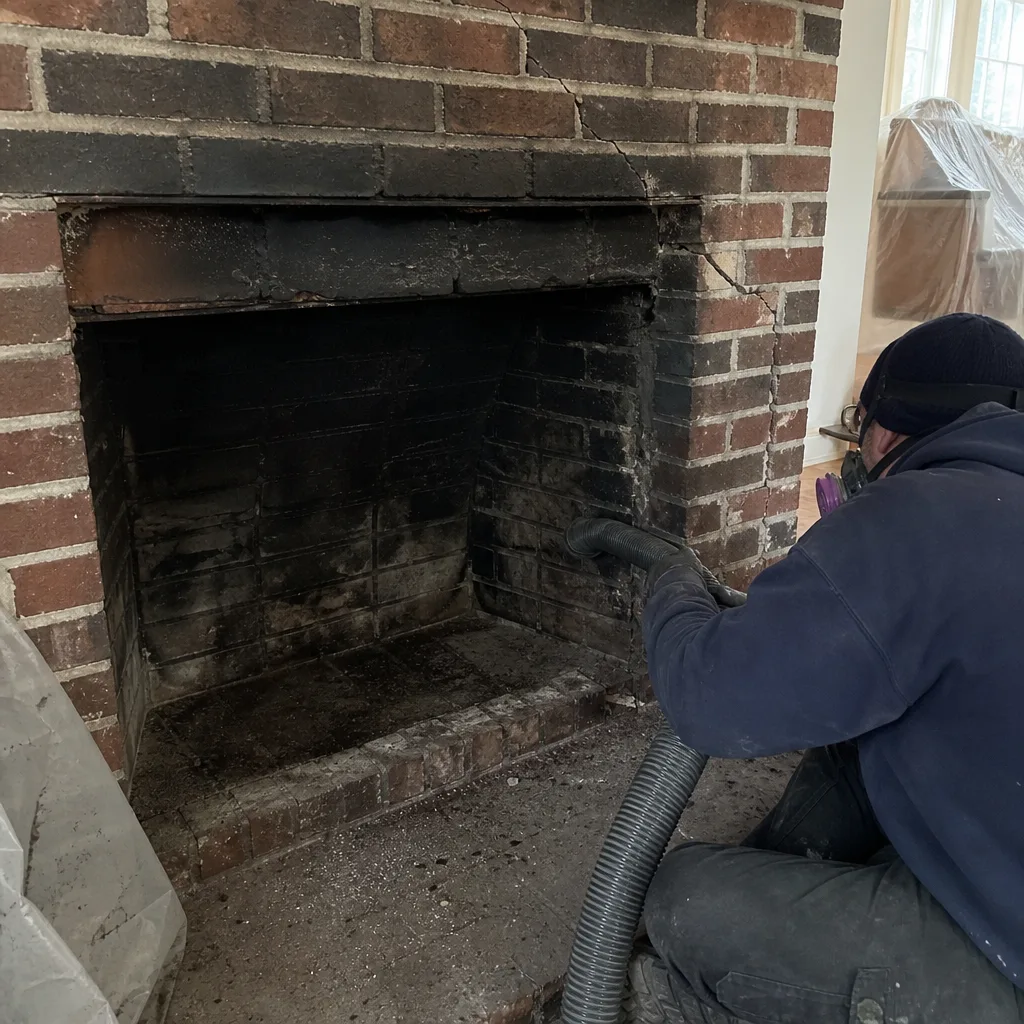 Before
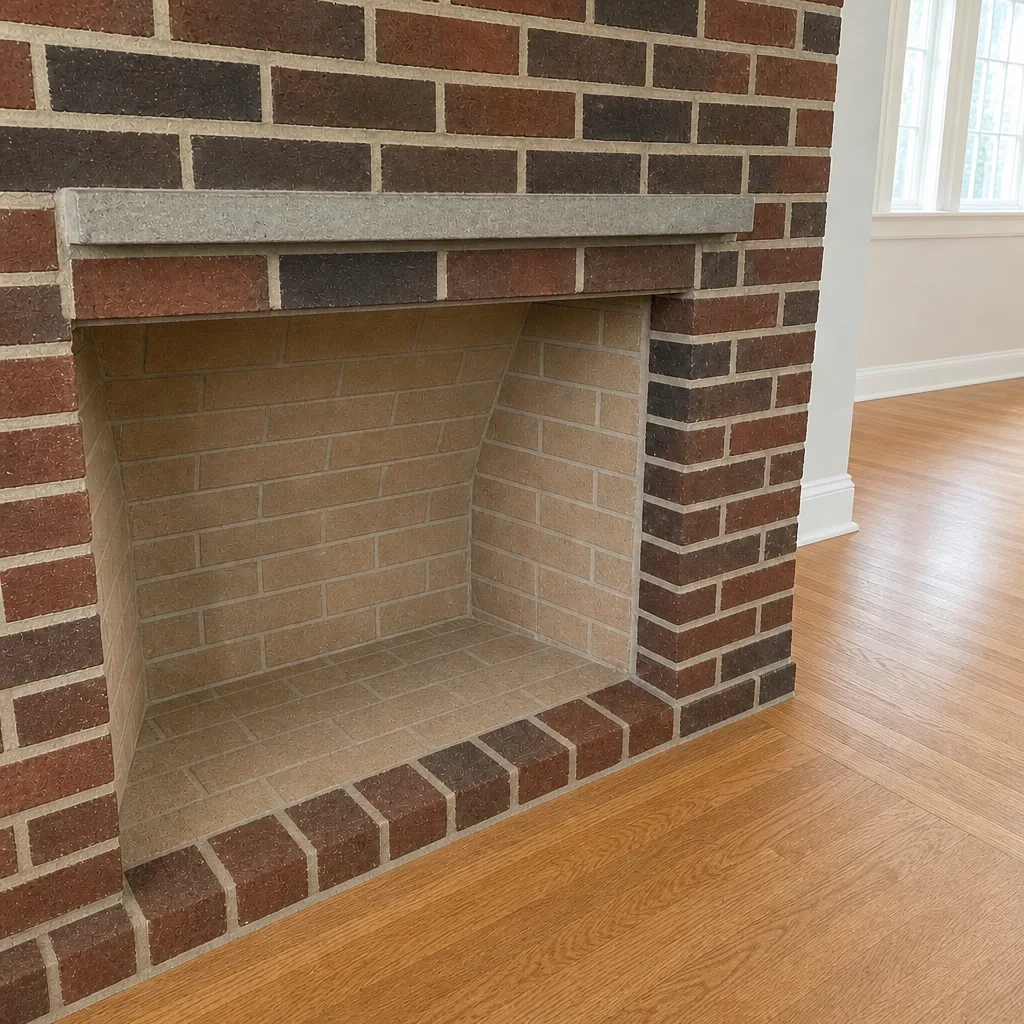 After
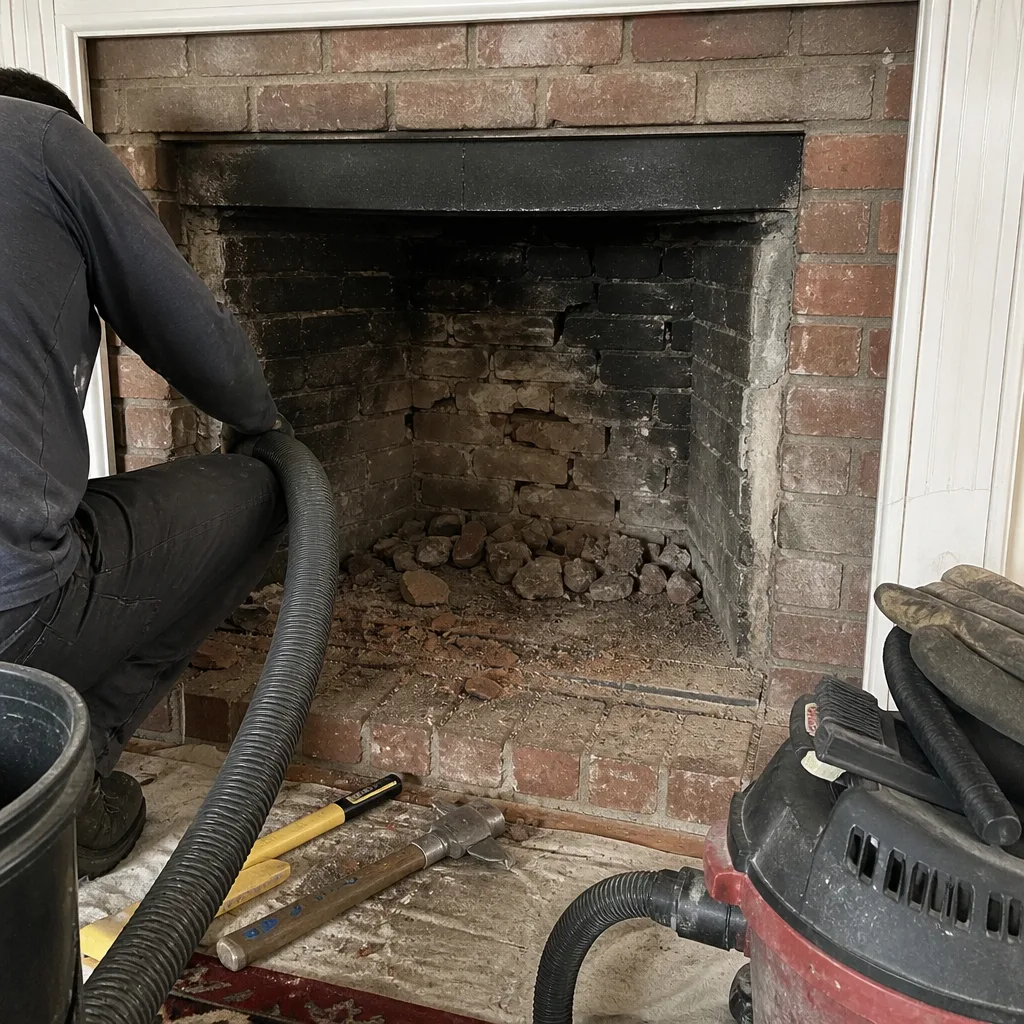 Before
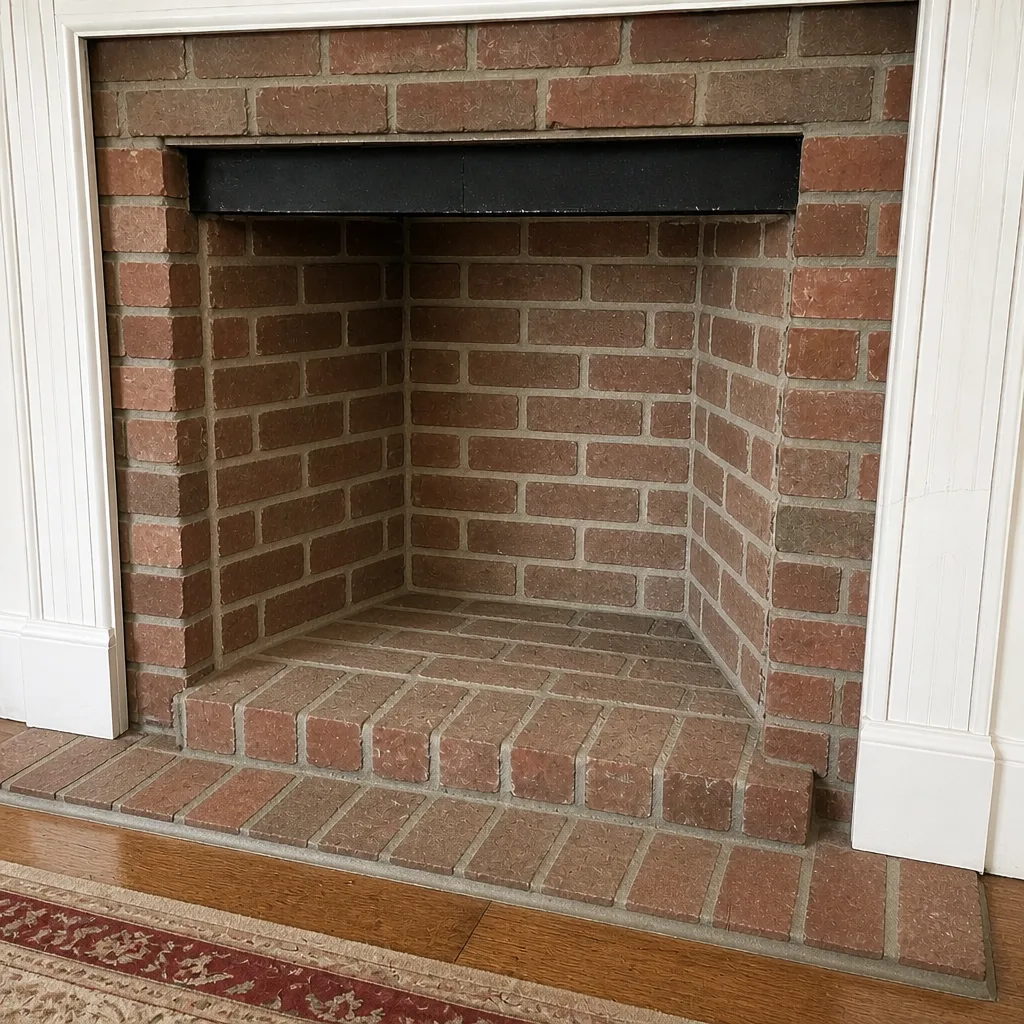 After
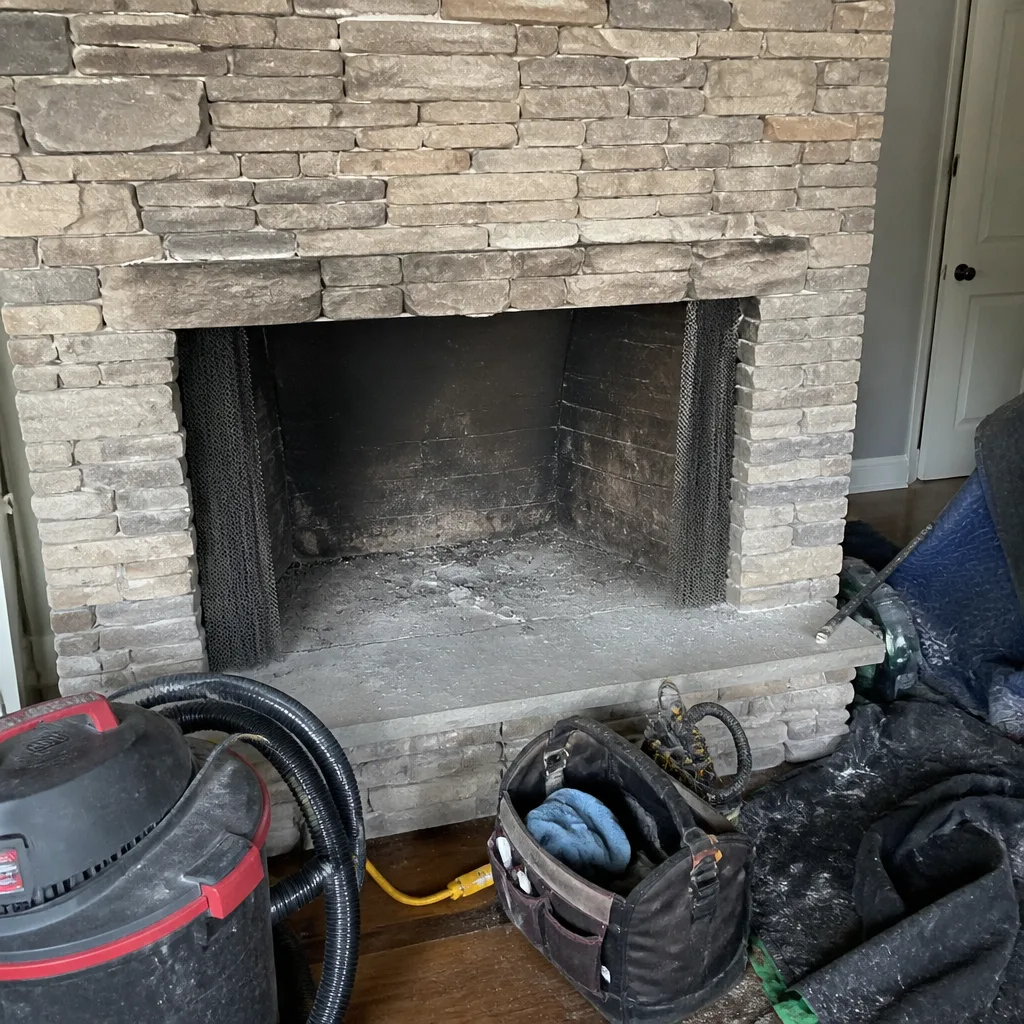 Before
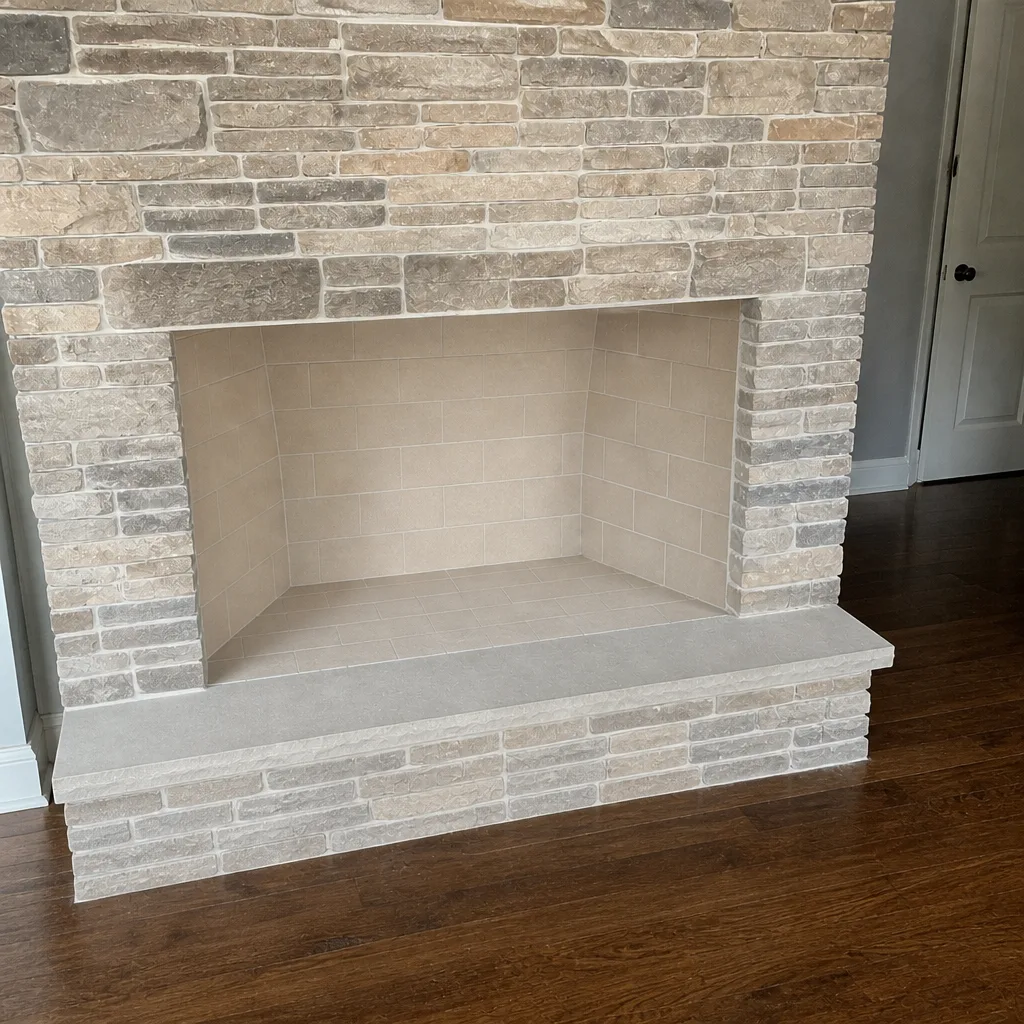 After
When to Call a Professional
Call a professional when the work involves anything structural, when you’re buying or selling a Charlotte home, or when you notice signs of water intrusion or smoke spillage. Specific triggers: a crack in the crown, water stains inside the firebox, a liner that fails a camera inspection, a chimney that hasn’t been inspected in a while, or a real estate transaction that needs a Level 2 inspection. Gas inserts and wood-burning fireplaces both need it. Multi-story dryer runs need it too, because a long dryer run is a fire hazard waiting for the right conditions. Charlotte Chimney Cleaning offers free estimates in Charlotte, and one call covers your chimney and your dryer vent. Call (855) 412-0975.
Frequently Asked Questions
No. Routine chimney cleaning and inspection are maintenance and do not require a permit in Charlotte. You don’t need a permit to have a sweep clean the flue, run a camera, or clear creosote. Permits come into play when the work becomes structural repair, like a liner replacement or a crown rebuild. Call (855) 412-0975 for an exact quote on cleaning – estimates are free.
You only need a new liner if the camera inspection shows the current liner is cracked, misaligned, or failing. That’s why we show you the camera picture before recommending anything. If the liner is sound, we tell you so. If it’s failing, we can resurface the smoke chamber with HeatShield where that’s the right call, or install a DuraFlex liner if the flue needs full replacement. Nothing gets recommended without evidence you can see. Call (855) 412-0975 for an exact quote – estimates are free.
Mecklenburg County Code Enforcement issues building permits and handles inspections for chimney work in Charlotte and the surrounding county. The contractor pulls the permit, not the homeowner, and the county inspects the work at defined stages. If a contractor tells you a permit isn’t needed for structural work, ask them to explain why, and verify with the county. Call (855) 412-0975 to talk through whether your project needs a permit – estimates are free.
Skipping an inspection means missing small problems before they become structural ones. In Charlotte’s climate, a hairline crown crack turns into a crown rebuild after a few freeze-thaw cycles, and a soot-clogged flue can become a chimney fire risk. The purpose of inspection is to catch the small stuff early. Call (855) 412-0975 for an exact quote – estimates are free.
The frequency depends on how much you burn, not on a calendar. NFPA 211 says a chimney should be inspected and cleaned as needed, and a heavier wood-burning household needs more frequent sweeps than a gas insert used occasionally. A yearly inspection is a good baseline, and the inspection tells you whether cleaning is warranted that year. Call (855) 412-0975 to book an inspection – estimates are free.
Yes. When a buyer’s inspector finds chimney repair with no permit on record with the county, the closing can stall while the seller either produces documentation, has the work re-inspected, or agrees to a credit. Remediation at that point can mean opening up finished work, which is a lot more expensive than pulling the permit the first time. Call (855) 412-0975 to talk through a pre-sale inspection – estimates are free.
The Bottom Line
The line between a sweep and permitted work in Charlotte comes down to structure. Cleaning and inspection are maintenance. Liner replacement, crown rebuilds, smoke chamber resurfacing, and chimney removal are repair, and repair typically requires a permit through Mecklenburg County Code Enforcement. The work is expected to follow NFPA 211, and a future buyer’s inspector will look for that permit record. Get the inspection first, get the camera evidence, and get the permit lined up before the work starts. If your neighborhood has an HOA, handle that too. It’s the difference between a closing that goes smoothly and one that stalls.
Ready to get started? Call Charlotte Chimney Cleaning at (855) 412-0975 for a free estimate. We answer 24/7. Fast dispatch from 7am to 7pm, Sunday through Friday. We handle inspection, cleaning, and repair under one company, so the permit question doesn’t get lost between a sweep crew and a mason. Serving Charlotte since 2018, and Charlotte Chimney Cleaning is built around fire-hazard prevention, not just annual maintenance.
Written by the team at Charlotte Chimney Cleaning, serving Charlotte since 2018.